REVIEW · PISA
Pisa: Private Walking Tour Miracoli Square
Book on GetYourGuide →Operated by BOLOGNA TOUR & BEST ITALY TOUR · Bookable on GetYourGuide
Pisa is a lot easier with context. This private walking tour strings together the big-photo sights and the streets around them with a local guide, so you’re not just collecting landmarks. I like the clear focus on Piazza dei Miracoli and the way the tour blends monuments with nearby neighborhoods and the Square of the Knights.
What also makes this feel like good value is that you get access tied to the Baptistery and museum stops, not just a quick look from the sidewalk. One thing to consider: it’s not built for slow walking. It’s a guided walk that uses time efficiently, so comfortable shoes matter, and one past start went late when the guide wasn’t at the meeting point on time.
Here’s what I think you’ll enjoy most: the guide approach, the order of sights, and the fact that you’ll also walk through the older city fabric beyond the leaning silhouette.
In This Review
- Key highlights that matter in real life
- Pisa’s Miracoli Square is famous for a reason, but the story is the point
- Where you meet: Piazza Daniele Manin, and why that detail helps
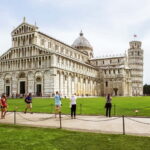
- Piazza dei Miracoli: your guided walk through Pisa’s most iconic cluster
- What to look for during this part
- Likely drawback to plan around
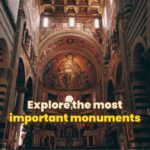
- Cathedral of Pisa: quick guided time that sets the stage
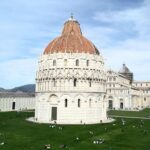
- Baptistery plus included complex tickets: more than a photo stop
- Why this bundled access is a real value
- A practical note about pace
- Piazza dei Cavalieri and Borgo Stretto arcades: the Pisa people actually walk
- Why arcades are more than pretty
- Sant’Antonio and San Martino: stepping away from the postcard loop
- How the 3 hours flow on the ground
- Price and value: is $169.93 per person fair?
- Who this Pisa private walking tour suits best
- Should you book this Pisa private walking tour?
- FAQ
- Where do I meet the guide?
- How long is the private walking tour?
- Is this tour private?
- What sights does the tour cover?
- Are tickets included for museums or entry sites?
- What languages are available?
- What’s the walking like? Do I need good shoes?
- Is the tour suitable for people with mobility impairments?
- Can I cancel or pay later?
Key highlights that matter in real life
- Private local guide in English, Spanish, or Italian, so you can ask questions as you go.
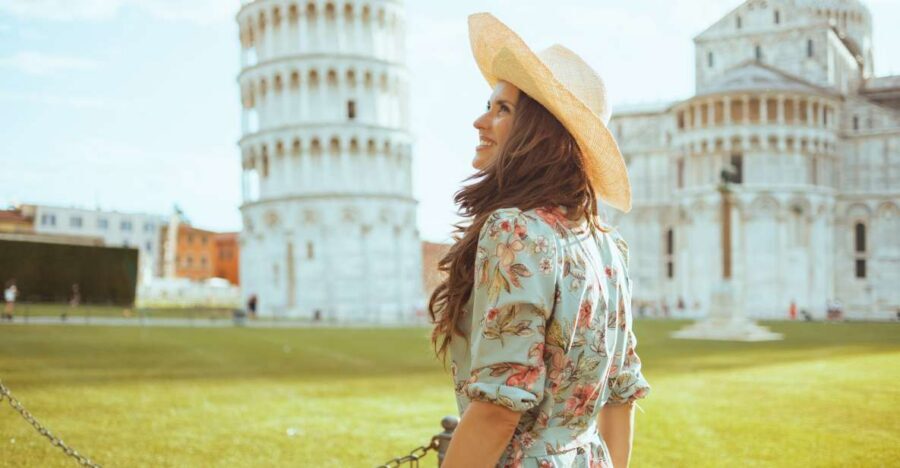
- Piazza dei Miracoli focus with guided time there, not just a photo stop.
- Entry included for key sites linked to the Cathedral complex area: Baptistery, Camposanto, Sinopie Museum, and Opera del Duomo Museum.
- Piazza dei Cavalieri and the Borgo Stretto arcades, for that street-level Pisa history.
- Neighborhood walking in Sant’Antonio and San Martino, adding atmosphere beyond the postcard loop.
Pisa’s Miracoli Square is famous for a reason, but the story is the point
Pisa can feel confusing at first glance. You arrive expecting one monument, and then suddenly you’re standing in a concentrated world of architecture, religion, and civic life. This tour helps you connect those dots without turning your day into a scavenger hunt.
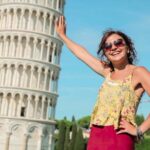
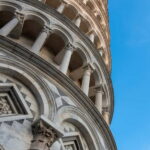
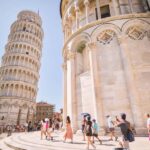
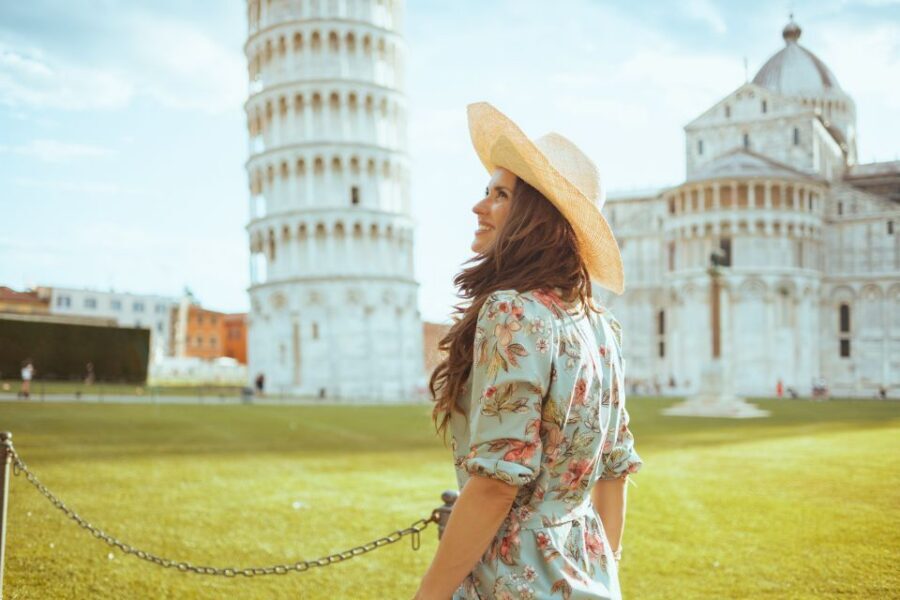
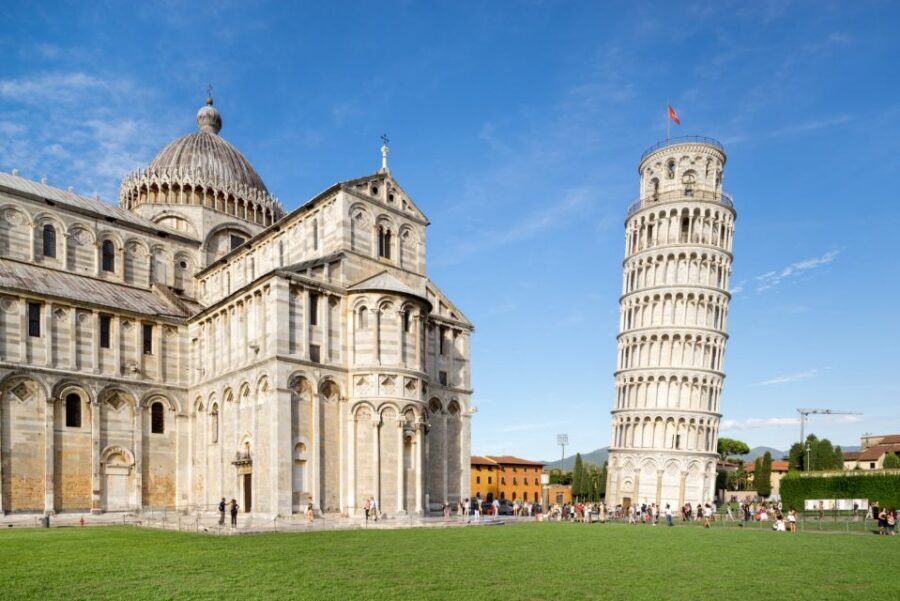
The Leaning Tower area (part of the Square of Miracles experience) is the obvious draw. But what makes the experience more satisfying is that the guide doesn’t treat it like a check-box. You’re guided through the monuments with explanations tied to their history and architecture, plus what Pisa is like now. That mix of past and present is what makes the walk more than sightseeing.
I also like the balance between “big moments” and “place you can feel.” You spend structured time on the major stops, then you move into the older streets and the quieter corners that make Pisa feel lived-in rather than staged.
You can also read our reviews of more walking tours in Pisa
Where you meet: Piazza Daniele Manin, and why that detail helps
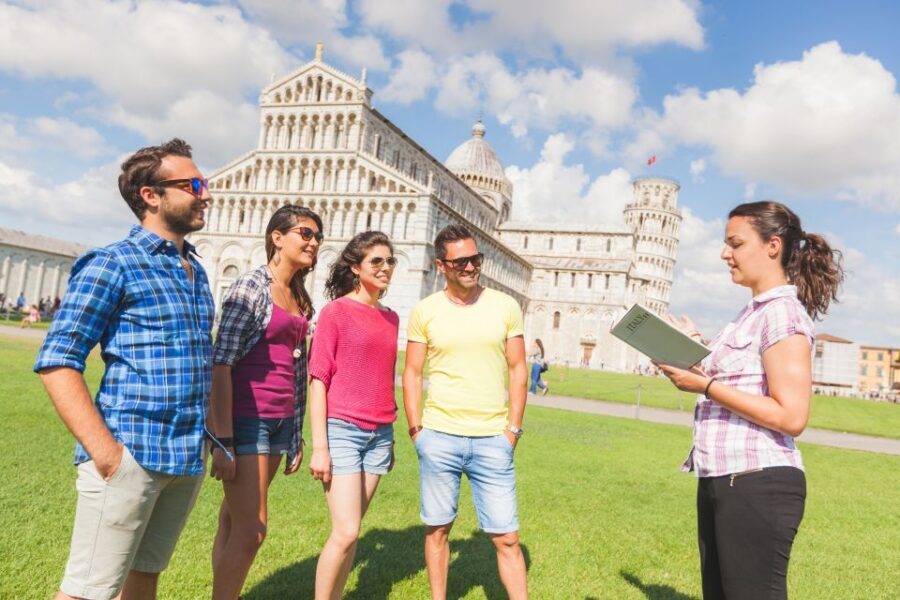
Your tour starts at Piazza Daniele Manin, 113. The meeting is straightforward: your guide holds a sign with your name. That’s a small thing, but it can save you the usual stress of hunting for a group in a tourist-heavy area.
Practical tip: get there a few minutes early and check that you’ve got the right guide sign. One past experience involved a late-start situation where the guide wasn’t waiting at the appointed meeting point right away, which pushed back the start and then compressed the time available. It wasn’t a tour failure, but it did show why punctual meeting matters on a fixed schedule.
The tour ends back at the same meeting point, so you don’t have to re-plan your afternoon logistics around a random drop-off.
Piazza dei Miracoli: your guided walk through Pisa’s most iconic cluster
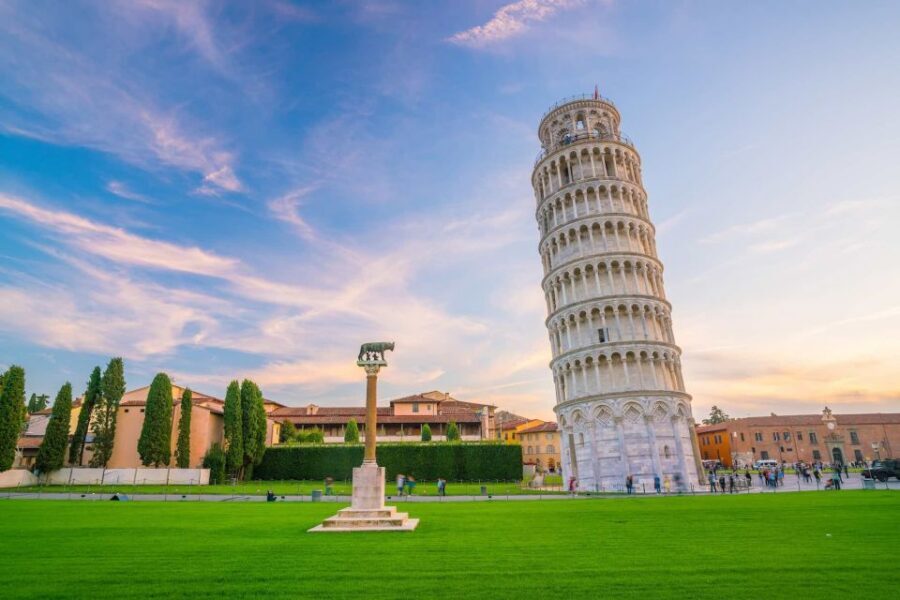
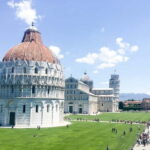
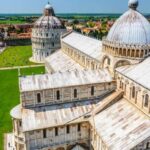
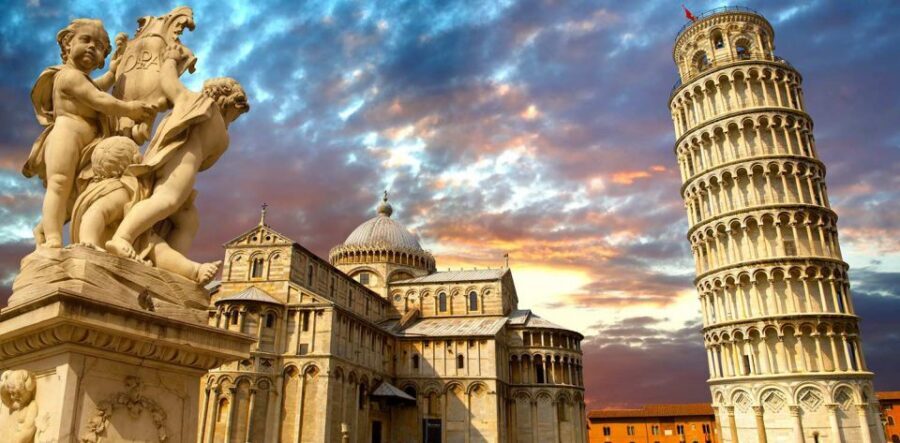
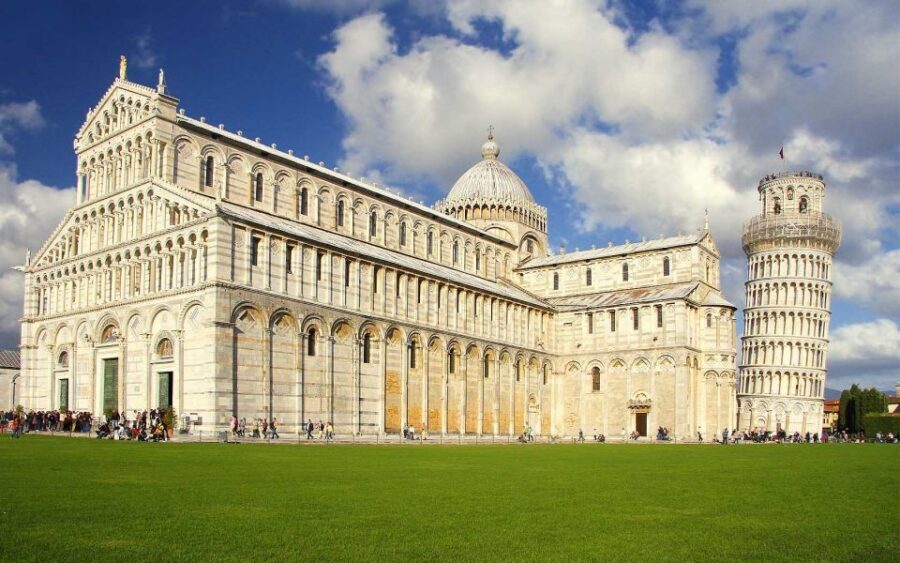
The heart of the experience is time in Square of Miracles (Piazza dei Miracoli), with guided time there. This is the part that gives you the “I get why this place is famous” feeling fast.
Instead of rushing, you’re guided long enough to slow down. Expect the guide to orient you to the monument group and explain what you’re looking at—its historical importance and architectural features—so the tower, cathedral area, and baptistery feel like one story rather than three separate photo ops.
What to look for during this part
Use the walking time to reframe your focus. Don’t only aim your camera at the most recognizable angle. Look at how the buildings relate to each other in the same space, and notice how the guide ties the experience back to Pisa’s development over time.
Likely drawback to plan around
Crowds. This is Pisa’s top spot, so there’s a good chance you’ll be surrounded by other visitors. The private guide helps because you can keep moving and get explanations while you’re walking, instead of standing still waiting for your turn to read every sign.
You can also read our reviews of more private tours in Pisa


Cathedral of Pisa: quick guided time that sets the stage
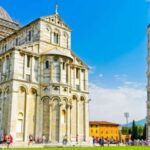
You’ll get a shorter guided stop at the Cathedral of Pisa—about 10 minutes of guided time. That’s not a long interior visit, so the value here is timing and direction.
Think of it like the tour’s “set the scene” moment. The guide uses the cathedral stop to connect what you’re seeing in the broader Square of Miracles area to Pisa’s religious and architectural identity. Even with limited time, this kind of guided framing makes the next stop (the baptistery) land better.
If you’re the type who likes to linger, you’ll have to choose. Use your 10 minutes to ask the guide your questions, then come back later on your own if you want extra reading time.
Baptistery plus included complex tickets: more than a photo stop
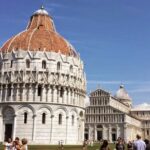
The tour includes a guided visit to the Baptistery of Pisa for about 25 minutes, and there’s more included around the same broader complex area. Specifically, entry tickets are included for:
- Camposanto
- Sinopie Museum
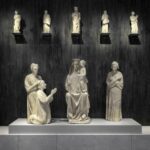
- Opera del Duomo Museum
- and Baptistery access
That inclusion changes the day. Without it, you’d be spending time figuring out ticket lines, timed access, or where to buy what. Here, your guide’s plan keeps you moving through the sites that matter.
Why this bundled access is a real value
At Pisa’s top sites, entry logistics can swallow your schedule. For a private tour priced at $169.93 per person, the biggest value isn’t just the walking guide—it’s that you’re likely getting paid-entry value folded into the experience. When you combine that with the guide’s time on the ground, the cost starts to feel less like a luxury and more like “pay to save time and get context.”
A practical note about pace
Because the tour is only 3 hours, the guide has to allocate time carefully. Expect the baptistery stop to be focused and efficient. This works well if you want the highlights explained, not if you want unstructured wandering in a museum setting.
Piazza dei Cavalieri and Borgo Stretto arcades: the Pisa people actually walk
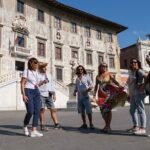
After the monument zone, the tour turns toward a different side of Pisa. You’ll visit Piazza dei Cavalieri, described as once the center of political and cultural life and a kind of authentic heart of the city. That matters because it shifts the mood from monumental to civic.
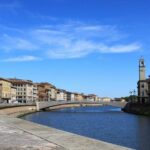
Then you stroll through Borgo Stretto and its arcades. This is a big part of why I like this tour for first-timers: it gives you the feel of Pisa as a walkable place, not only a viewpoint.
Why arcades are more than pretty
Arcades are practical cover and a way of shaping daily life in old cities. On a tour like this, they also serve as a visual clue: you see how architecture supports movement, commerce, and everyday routines. That helps you understand the city’s history without reading a textbook.
If you want photos, this is where you’ll get them. If you want to understand Pisa, this is where you’ll start.
Sant’Antonio and San Martino: stepping away from the postcard loop
One of the tour’s best promises is that you don’t stay trapped in the classic route. You explore parts of Pisa including Sant’Antonio and San Martino, plus their most important sights.
That neighborhood walking is also where the tour can feel more “real.” You’re still guided, but the focus is less on the tallest landmark and more on how Pisa’s streets and local areas connect to the monuments you already saw.
It’s also the section that typically makes you feel like you spent time in the city rather than only passing through it. You’ll cover a mix of historical context and modern culture, so the walk doesn’t end with the last photo.
How the 3 hours flow on the ground
Here’s the practical timing you can expect, based on the tour’s guided segments:
- Square of Miracles: about 45 minutes
- Cathedral stop: about 10 minutes
- Baptistery: about 25 minutes
That guided monument time totals about 1 hour 20 minutes.
So what fills the rest? Walking time, the transition between zones, and guided stops for streets and civic areas like Piazza dei Cavalieri, plus time for neighborhood sights around Borgo Stretto and the surrounding areas. This design is ideal if you want a complete Pisa “first visit” in one shot.
If you hate rushing, you might still feel the pace. But if you like a structured plan that keeps your day efficient, 3 hours is a sweet spot.
Price and value: is $169.93 per person fair?
At $169.93 per person for a private group over 3 hours, you’re paying for three things:
- A certified local guide in your preferred language (English, Spanish, or Italian).
- Time-efficient guidance through Pisa’s top cluster at Piazza dei Miracoli.
- Included entry tickets for major sites linked to the cathedral complex area, including Baptistery, Camposanto, Sinopie Museum, and Opera del Duomo Museum.
If you’re traveling as a couple or small group, private tours can either feel like overpriced hand-holding or like a smart use of vacation time. Here, the ticket inclusions and the fact that the tour actually covers multiple zones (monuments plus city-center streets plus neighborhoods) push it toward the second category.
Also, the guide component matters because Pisa is one of those places where a little context makes the city click. You don’t just see the tower; you start understanding why the monuments sit where they do and how the city is organized around them.
Who this Pisa private walking tour suits best
This tour fits you if:
- You want a guided first trip to Pisa with clear structure.
- You care about the why behind what you’re seeing, not only the photo angle.
- You want included entry to multiple cathedral-complex sites without planning ticket logistics.
- You enjoy walking but prefer it guided and paced.
It may not fit you if:
- You need mobility-friendly pacing. The tour is not suitable for people with mobility impairments.
- You want a slow, open-ended museum day. This is a tour format with tight timing.
Should you book this Pisa private walking tour?
If you want the best shot at seeing Pisa’s essentials without getting stuck on timing, I’d book it. The blend of Piazza dei Miracoli, a structured cathedral-area experience with included entries, and the added value of Piazza dei Cavalieri and Borgo Stretto arcades makes this more complete than a one-monument tour.
Two final decision helps from real-world experience:
- Guides can vary. One guide named Ilaria earned strong praise for being accommodating to a guest’s needs and curiosity, staying available for questions.
- Scheduling hiccups can happen. Another guide named Sara had a case where the guide wasn’t waiting at the meeting spot right on time, pushing the start and shortening the overall experience.
That doesn’t mean you should avoid the tour. It just means you should treat meeting time seriously and arrive a few minutes early at Piazza Daniele Manin, 113.
If your plan is flexible and you want a guided, high-efficiency Pisa day, this is a solid pick.
FAQ
Where do I meet the guide?
Meet your guide at Piazza Daniele Manin, 113. The guide will be holding a sign with your name on it.
How long is the private walking tour?
The tour lasts 3 hours.
Is this tour private?
Yes, it’s a private group tour.
What sights does the tour cover?
You’ll see the Leaning Tower area at Square of Miracles, plus the Cathedral of Pisa and Baptistery. You also explore Pisa’s city center, Piazza dei Cavalieri, Borgo Stretto arcades, and neighborhoods including Sant’Antonio and San Martino.
Are tickets included for museums or entry sites?
Yes. Ticket entrance is included for the Baptistery, Camposanto, Sinopie Museum, and Opera del Duomo Museum.
What languages are available?
The live guide is available in English, Spanish, and Italian.
What’s the walking like? Do I need good shoes?
You should bring comfortable shoes, since it’s a guided walking tour.
Is the tour suitable for people with mobility impairments?
No, it is not suitable for people with mobility impairments.
Can I cancel or pay later?
You can cancel up to 24 hours in advance for a full refund, and you can reserve now & pay later (book without paying today).