REVIEW · SIENA
Tuscany: Self-Guided Video Tour with World’s Top Experts
Book on GetYourGuide →Operated by AppyGuide · Bookable on GetYourGuide
Tuscany feels big and complicated. This tour keeps it simple. You get 70+ English narrated video stories built around art, history, and local culture across Tuscany and an in-depth run through Florence—so you can understand what you’re looking at without booking a traditional guide.
What I like most is the format: you can listen to short video chapters while you walk, then replay key moments when something clicks. I also love that it points you to memorable art stops in Florence, including the Cappella Brancacci and The Last Supper, which can easily get overlooked if you only follow the usual checklist.
The main drawback is practical: it’s streamed in real time, so you need a stable 5G/LTE connection. If your phone struggles in patchy spots, the experience will feel slower and less smooth.
In This Review
- Key things you’ll like about this AppyGuide Tuscany tour
- What You Get: 70+ English Video Stories for a Year in Tuscany
- Streaming Reality Check: 5G/LTE, Headphones, and a Power Bank
- Florence on Your Terms: Museums, Small Alleys, and Two Big Art Anchors
- Siena, Pisa, and Lucca: Icon Stops Explained in Plain English
- Siena
- Pisa
- Lucca
- San Gimignano and Montepulciano: Towers, Streets, and Wine-First Stories
- San Gimignano
- Montepulciano
- Arezzo, Cortona, and Volterra: Art Tied to the Way People Live
- Arezzo
- Cortona
- Volterra
- Chianti Valley Stops: Monteriggioni, Pienza, Montalcino, and Carmignano
- Monteriggioni
- Pienza
- Montalcino
- Carmignano
- Beyond the Big Names: Sovana and Pitigliano in the South of Tuscany
- How the Self-Guided Video Format Changes What You Notice
- Price and Value: Is $45 for Tuscany Videos a Smart Deal?
- Who This Tuscany Video Tour Fits Best
- Should You Book This Tuscany Self-Guided Video Tour?
- FAQ
- How long is the Tuscany tour available after purchase?
- How many English narrated video stories are included?
- Do I need an internet connection while using the tour?
- What device do I need to use the audio guide?
- Are the stories narrated in English?
- Can I replay the videos?
- Is the tour self-guided or does it have a meeting point?
- Are museum entry fees included?
- Is the tour wheelchair accessible, and is it suitable for children?
Key things you’ll like about this AppyGuide Tuscany tour
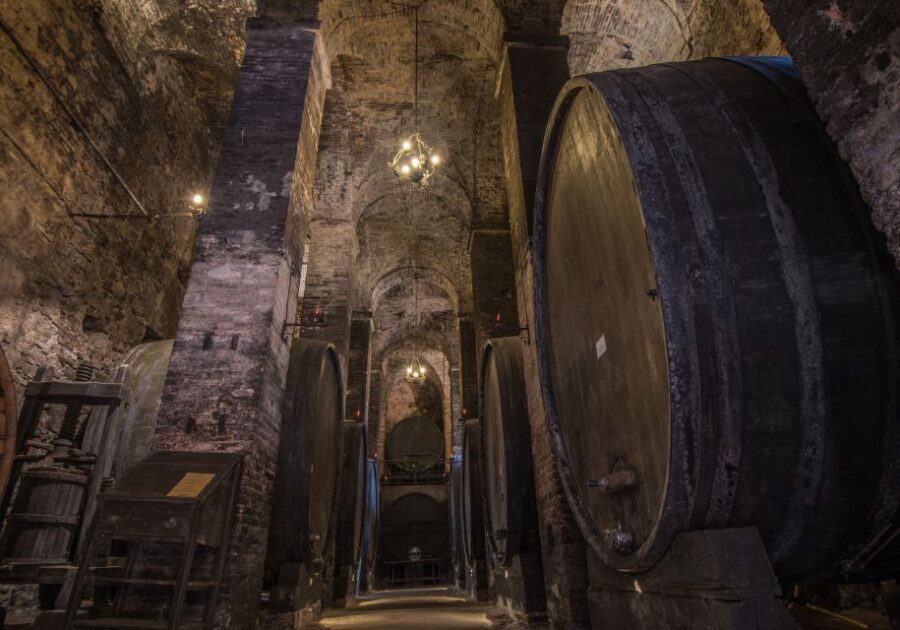
- 70+ English narrated video stories that let you learn in bite-sized pieces
- Expert-led art and history storytelling, designed to make famous sights easier to read
- Full Florence coverage, including museums and smaller, off-the-main-road alleys
- Unlimited replays for three months after purchase, so you can repeat the best parts
- Flexible, self-guided pacing across Siena, Pisa, Lucca, San Gimignano, and more
What You Get: 70+ English Video Stories for a Year in Tuscany
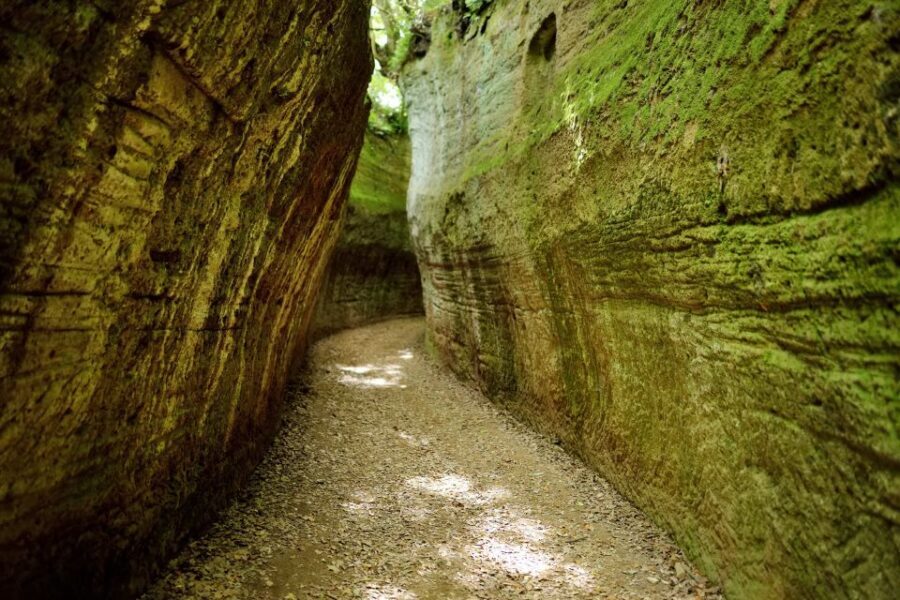
This is not a bus tour. It’s a self-guided video experience you run on your own schedule. Once you purchase, you get access that lasts 365 days, so you can use it once on a trip—or even again later if you find yourself returning to Tuscany.
The content itself is the heart of it. You’re looking at 70+ English narrated video stories. The big value here is how the stories are packaged: instead of a long lecture, the guides are built to be “listen while you walk” friendly. That matters in Tuscany, where you’ll bounce between churches, museums, streets, and hilltop views. If you try to learn it all from guidebooks, it can feel like homework. Here, the learning is timed to the places.
You’ll also notice the coverage isn’t only the headline cities. Yes, it includes Siena, Pisa, Lucca, Montepulciano, and San Gimignano. But it also reaches out to towns like Arezzo, Pienza, Montalcino, Volterra, and Cortona, plus smaller places such as Monteriggioni, Sovana, Pitigliano, Pistoia, and Carmignano. That mix is useful if you want Tuscany that feels specific, not generic.
You can also read our reviews of more guided tours in Siena

Streaming Reality Check: 5G/LTE, Headphones, and a Power Bank
Before you fall in love with the idea, check the electronics. AppyGuide delivers the audio through a website and streams it in real time. That means you need a stable 5G or LTE connection—2G and 3G speeds aren’t sufficient for the content delivery.
You’ll want to plan for that like a grown-up, not like an optimist. In cities, you can often find strong signal. In more rural stretches—especially in hills and valleys—your phone may behave differently. The good news: the tour setup is designed around using your phone as the control center, so you can pivot quickly if the signal gets weak. The key is to not start your “best story of the day” in the one spot where your data disappears.
Also: you’ll need headphones. The tour is narrated in English, and the experience is meant for listening. Bring a comfortable pair you like wearing for a while. And definitely pack a power bank, since you’re streaming content and using GPS or maps (even if the tour itself is self-guided).
Florence on Your Terms: Museums, Small Alleys, and Two Big Art Anchors
Florence is where this tour can really shine. The experience includes video content for the entire city of Florence, from world-renowned museums to secret alleys. That wording matters because it hints at what you’re really paying for: not just facts, but a way to stitch the city together scene by scene.
Two names from the content stand out because they’re usually either misunderstood or treated like a quick stop. The tour includes the Cappella Brancacci and The Last Supper. If you’ve ever seen those places listed online but never felt the connection, this kind of guided storytelling can help you read what you’re looking at.
Here’s a practical way to use the Florence videos. Don’t try to do Florence like a checklist. Pick a theme. For example:
- Start your day with one major art anchor (like Cappella Brancacci), then use the videos to connect it to what you see in nearby streets.
- If you’re doing The Last Supper, treat it like the centerpiece, not the side quest, and plan the rest of your route around it.
Since the tour is self-guided, you control the pace. If you walk into an area and feel ready to move on, you can. If you’re slowing down because something looks interesting, you can stay and replay a section.
Siena, Pisa, and Lucca: Icon Stops Explained in Plain English

Tuscany’s famous trio is Siena, Pisa, and Lucca—and this tour targets all three. The value isn’t only that they’re included. It’s that they come with expert storytelling aimed at helping you understand the “why” behind the scenes.
Siena
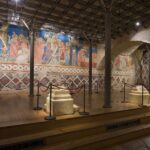
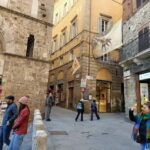
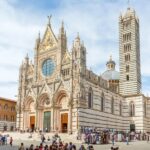
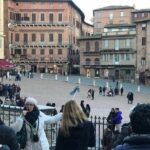
Siena is the kind of city where details matter: stone, symbols, the way streets funnel you toward a main square. Video stories help you decode what you’re looking at instead of staring at it like a postcard.
You can also read our reviews of more tours and experiences in Siena

Pisa
Pisa can feel straightforward: you know the headline. But you’ll get more from it when you understand how the site fits into the broader story of art, power, and religious culture. The tour’s bite-sized style works well here because Pisa is a mix of big moments and quick glances.
Lucca
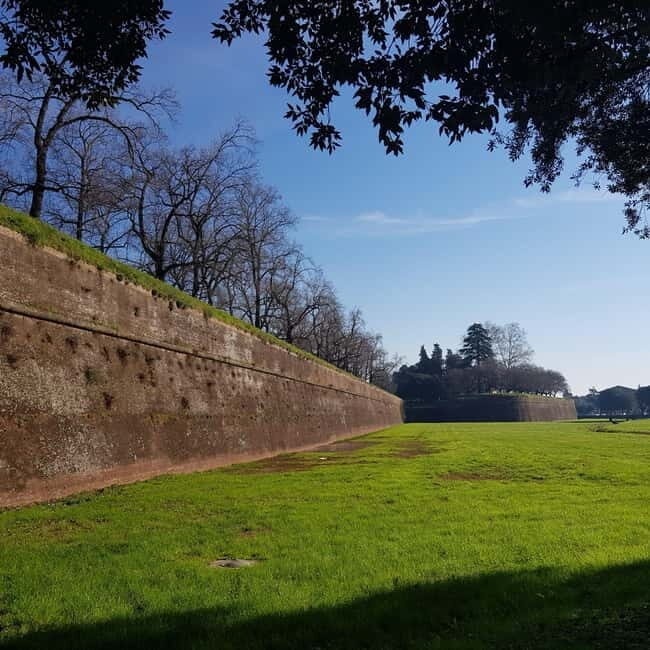
Lucca is often less stressful than the big names. It’s a great place to wander with audio playing in the background while you decide which streets to follow next. Lucca also fits the “replay the best parts” idea—if a story lands with you, you can revisit it the next time you pass a landmark.
Practical move: I like using cities like these on alternating days. Do one “big sight” city in the morning, then give yourself an unplanned afternoon where you can just walk. The videos support the walking, not replace it.
San Gimignano and Montepulciano: Towers, Streets, and Wine-First Stories
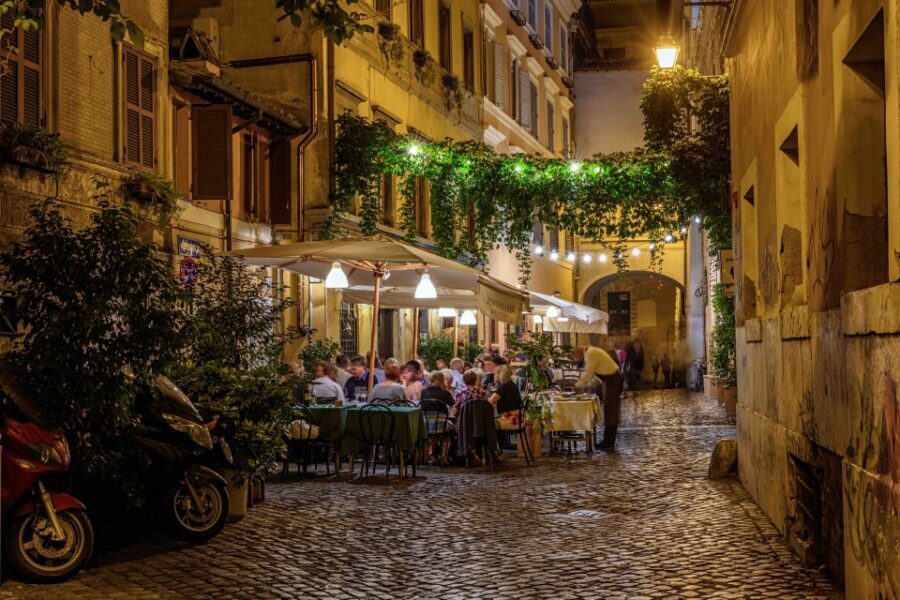
Two towns in Tuscany are famous for their visual personality, and this tour uses that to guide you.
San Gimignano
San Gimignano’s famous look is hard to ignore. The tower skyline is visual proof that this town used architecture as a statement. The video stories help you see why the buildings matter, not just that they exist. Even if you’ve seen pictures, you’ll likely notice different details once you know what to watch for.
Montepulciano
Montepulciano has a different vibe: it’s not just about medieval streets. It’s also tied to the way people think about wine, land, and local identity. The tour includes stories connected to local culinary and winemaking. That’s a smart match for Montepulciano, because it’s the kind of place where food and landscape talk to each other.
If you’re a “taste your way through Tuscany” person, Montepulciano is a strong day to pair with dinner planning. You’ll already have context for why people talk about the wine culture so confidently.
Arezzo, Cortona, and Volterra: Art Tied to the Way People Live
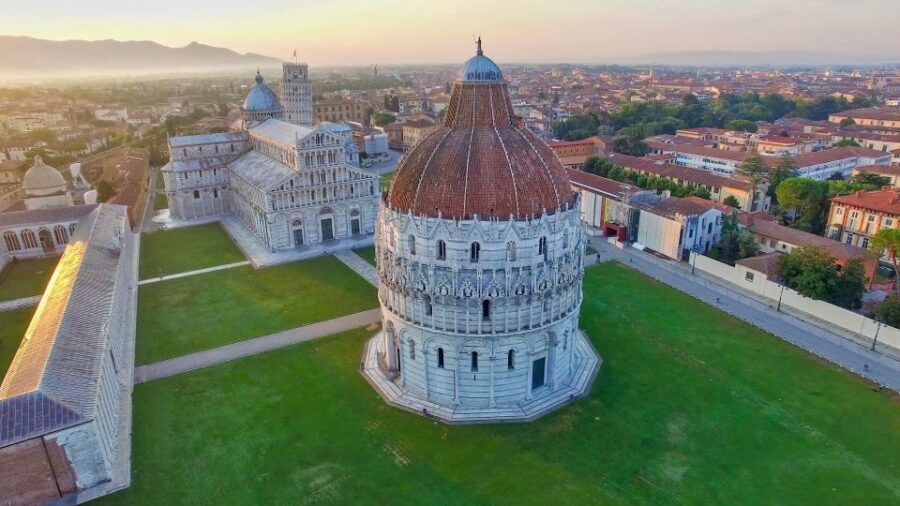
This part of the tour is where Tuscany starts to feel less like a museum and more like a living place.
Arezzo
Arezzo works well when you want art and atmosphere without a full-day sprint. Video chapters can help you focus on key works and details, instead of walking past things you don’t recognize yet.
Cortona
Cortona is ideal for slow walking. You can use the videos as a soundtrack while you move through lanes and viewpoints. Since the tour is built for replay and flexible pacing, it’s easy to pause when a vista stops you.
Volterra
Volterra is good for people who like textured old towns. Video storytelling helps you connect the physical layout to culture—why a street curves, why a site feels important, why certain elements show up where they do.
If you’re the type of visitor who gets bored with “same-same” sightseeing, these cities can bring variety. They’re also good candidates for “I’m tired of lines, so I’ll do something calmer” days.
Chianti Valley Stops: Monteriggioni, Pienza, Montalcino, and Carmignano
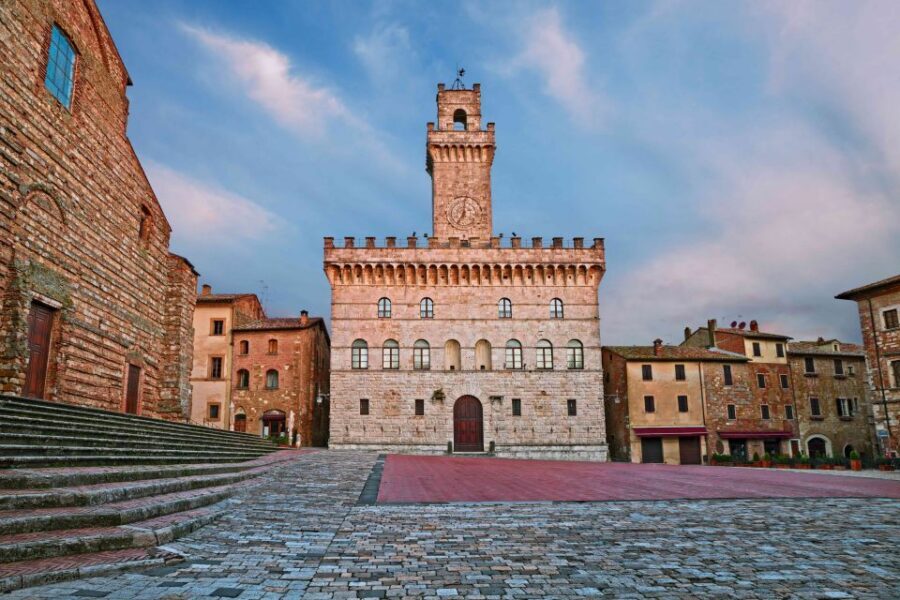
The Chianti area is where Tuscany becomes about hills, farms, and the sense that time moves slower.
This tour covers stops connected to that world, including:
- Monteriggioni
- Pienza
- Montalcino
- Carmignano
…and it places these into a wider set of stories across Tuscany and Florence.
Monteriggioni
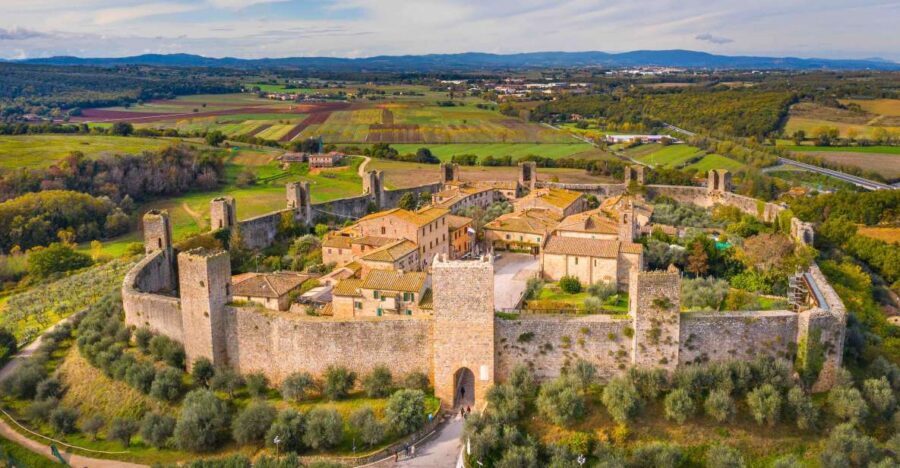
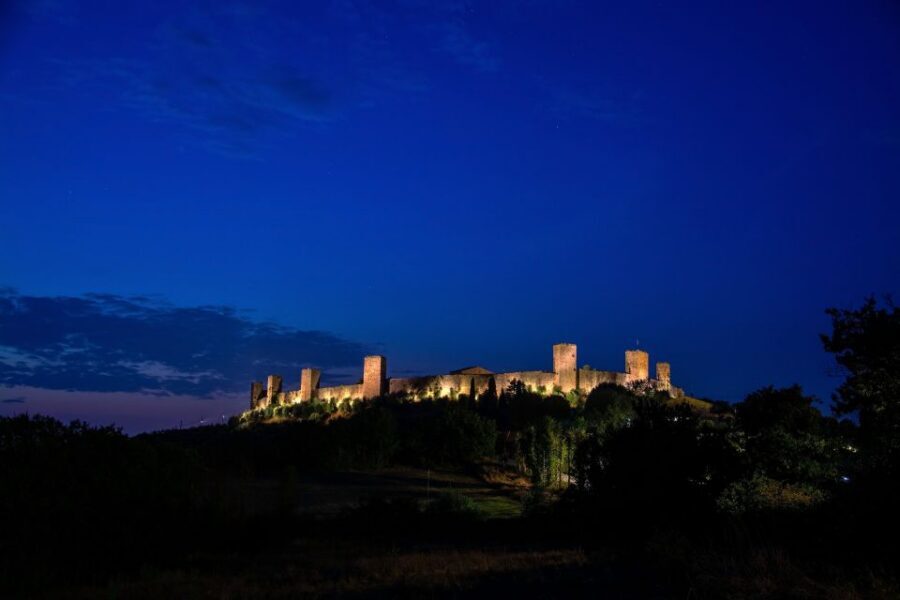
Monteriggioni is the sort of place where walls and street layout tell a story. Audio helps you see what you’d otherwise treat as scenery.
Pienza
Pienza is great for visitors who enjoy architecture and city planning. A video format helps because it can guide your attention to what makes the town feel designed, not accidental.
Montalcino
Montalcino matches the tour’s wine-and-culture angle well. If you like pairing what you hear with what you later taste, this is a strong stop.
Carmignano
Carmignano gives a different texture than the most famous wine town names. It fits visitors who want authenticity without feeling like they’re always chasing the loudest highlights.
Tip: don’t pack too many Chianti stops into one day. With streamed audio, you also want your phone battery and signal to be working. Build in some breathing room so you can actually enjoy the stories instead of rushing through them.
Beyond the Big Names: Sovana and Pitigliano in the South of Tuscany
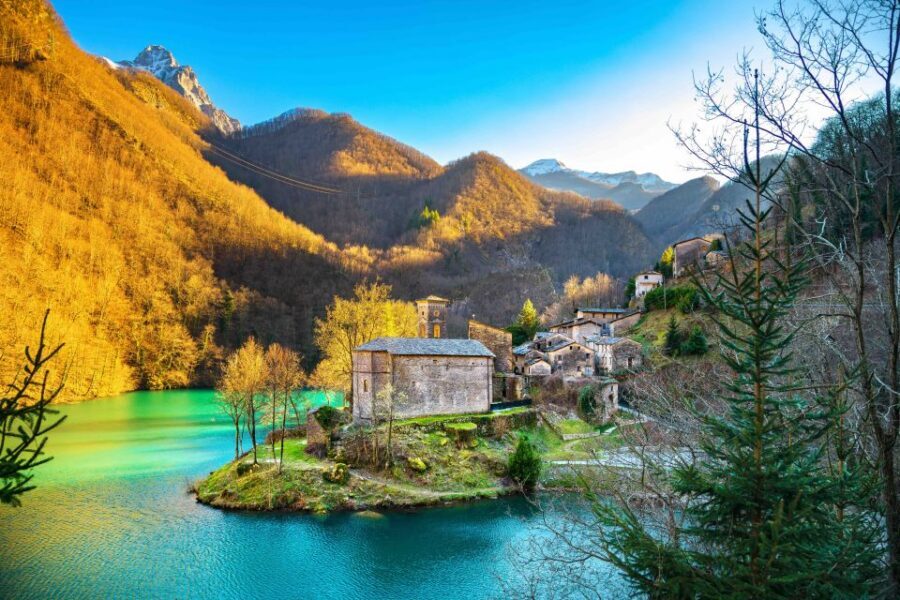
If you want Tuscany that feels a bit more surprising, this tour includes video content for towns like Sovana and Pitigliano. These are the kinds of places where you’ll likely spend more time walking slowly and noticing smaller details.
This is a good section of the itinerary when:
- you want fewer crowds,
- you like the sense of discovery,
- and you enjoy places where history feels grounded in stone rather than staged.
Because the tour is self-guided, you can give these towns the time they need. You can also replay a section after you’ve walked around and your eyes are better trained. That replay feature matters more than you might think on travel days.
How the Self-Guided Video Format Changes What You Notice
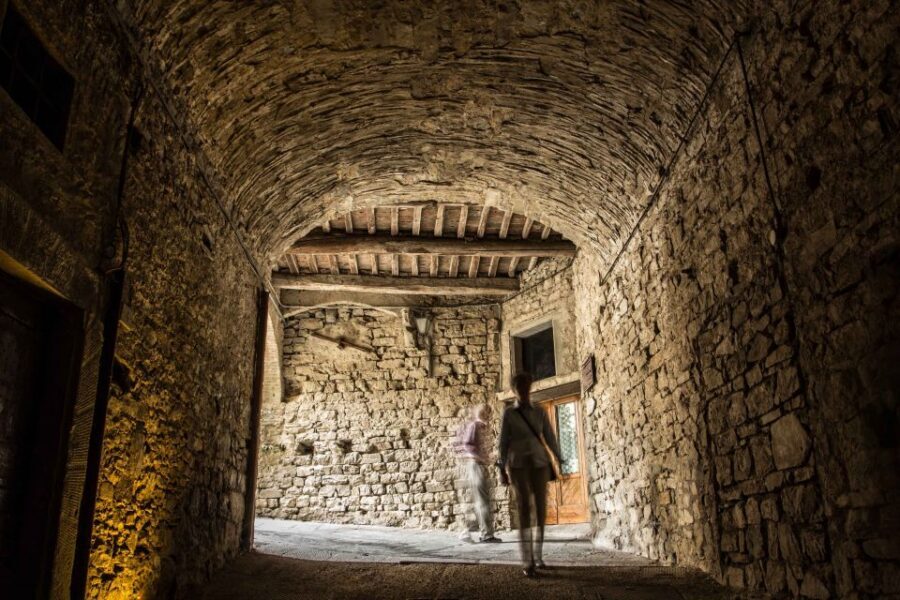
A normal guided tour has one pacing: the group pace. This experience gives you control. You set the route, the stop order, and how long you stay in each spot.
I especially like the idea of bite-sized stories. In Tuscany, you’ll rarely stand still for an hour. You’ll be moving. Short videos that match movement keep you connected instead of mentally checking out.
The tour also includes unlimited replays for three months from the moment of purchase. That’s a big deal for two types of travelers:
- People who want to “get it right” the second time they pass something.
- People who want to remember what they learned when they get home.
This is also where audio-only can be a plus. You can keep your eyes on the street and still learn. And in a place as visual as Tuscany, that combo tends to work well.
Price and Value: Is $45 for Tuscany Videos a Smart Deal?
At $45 per person with 365 days of access, the price feels reasonable for people who value flexible learning. You’re not paying for transportation or a live guide. You’re paying for expert narration and a structured way to see Florence and multiple Tuscan towns.
Is it a steal? That depends on how you travel.
Here’s the value logic that makes sense:
- If you plan to do more than one city day, the content can cover a lot of ground without extra tour bookings.
- If you already enjoy self-guided travel, you’ll use this repeatedly—especially with the replay window.
- If you’re an art fan, the English narration helps you read what you’re seeing instead of guessing.
Where the cost can feel less worth it is if you’re expecting a device-free experience. You must bring your own smartphone and rely on streaming. If your phone battery or signal isn’t reliable, you’ll spend more time managing tech than enjoying the stories.
Who This Tuscany Video Tour Fits Best
This is a strong match if you’re:
- into art and history and want the context without a rigid schedule,
- the type who likes to wander and stop when something catches your eye,
- traveling solo or in a small group and want one shared learning resource,
- returning to Florence (or visiting more than once) and like the idea of replaying the best parts.
It’s also stated as wheelchair accessible, which matters for how you plan movement through towns and city areas.
Just note what it’s not built for: it’s not suitable for children under 13 and it’s not suitable for hearing-impaired people. If either of those categories applies, you’ll want a different style of tour.
Should You Book This Tuscany Self-Guided Video Tour?
Book it if you want Tuscany with control, context, and replay. The strongest reasons are practical: 70+ English narrated stories, full Florence coverage, and the ability to listen at your pace while you explore real streets.
Skip it—or at least reconsider—if you know your phone data is unreliable in the places you’ll visit, because the tour needs 5G/LTE streaming. And if you’re traveling with hearing needs that audio-only won’t meet, this isn’t the right tool.
FAQ
How long is the Tuscany tour available after purchase?
It is valid for 365 days.
How many English narrated video stories are included?
You get 70+ English narrated video stories.
Do I need an internet connection while using the tour?
Yes. The audio tours are streamed in real time, so you need a stable 5G/LTE connection. 2G and 3G speeds are not sufficient.
What device do I need to use the audio guide?
You need your own smartphone or other device to access the audio guide.
Are the stories narrated in English?
Yes, the audio guide is in English, narrated by expert historians and presenters.
Can I replay the videos?
Yes. You get unlimited replays for three months from the moment of purchase.
Is the tour self-guided or does it have a meeting point?
It’s self-guided. Since it’s self-guided, you choose your own itinerary from the places covered, and there is no fixed meeting point.
Are museum entry fees included?
No. Entry fees to museums or attractions are not included.
Is the tour wheelchair accessible, and is it suitable for children?
It is wheelchair accessible. It is not suitable for children under 13, and it is not suitable for hearing-impaired people.