REVIEW · FLORENCE
Best of Florence walking tour & Accademia Gallery- monolingual small group tour
Book on Viator →Operated by Ciao Florence Tours Srl · Bookable on Viator
Skip the lines. See Renaissance up close.
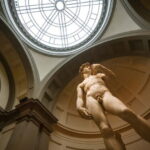
This small-group walking tour pairs Florence’s top squares with Accademia Gallery skip-the-line access, so you get “first-time” context fast without losing the whole day to crowds. You start in central Florence, enjoy guided stops across the city’s most famous viewpoints and statues, then head into the Accademia to see Michelangelo’s David and the Prisoners up close.
I love two things most. First: you get priority entry into the Accademia, with your guide ushering you past the long exterior queue so you can start seeing art sooner. Second: the guide keeps the stops tight and meaningful—things like Cellini’s Perseus, the Piazza della Signoria sculpture vibe, and what you’re actually looking at on the outside of the Duomo Square add real clarity for your independent exploring later.
One thing to plan for: even with skip-the-line access, Florence museums can be crowded, and on peak days you may still see short delays getting inside. Also, audio can make or break a guided visit—so use the earphones provided when you’re given them, and position yourself where you can hear clearly.
In This Review
- Key things that make this tour worth your time
- A Florence best-of plan that fits real days
- Meeting point: easy to find, but double-check your timing
- Stop by stop: how the Florence squares teaching works
- Florence orientation: “here’s how to read the city”
- Piazza della Repubblica: cafés and the elegant shopping edge
- Piazza della Signoria: open-air sculpture and political heart
- Duomo culmination: leaving with a clear picture of the Cathedral Square
- Accademia Gallery: priority access that changes your whole mood
- The Hall of Prisoners: non-finito and the drama of unfinished marble
- David: the scale hits fast once you’re close
- Group size and audio: the small details that make or break it
- Timing and pacing: why 3 to 4 hours is the sweet spot
- Price check: is $80.60 a good value?
- What to wear and bring (so you don’t hate the day)
- Who should book this Accademia + highlights tour
- Should you book this tour?
- FAQ
- How long is the tour?
- Is it in English?
- Is the group size small?
- Does it really skip the Accademia entrance line?
- Where does the tour start and where does it end?
- Are tickets to Florence’s Cathedral included?
- Can I cancel for a full refund?
Key things that make this tour worth your time
- Priority access to the Accademia helps you spend more time inside, less time waiting outside.
- Michelangelo’s Prisoners (non-finito) gives you a fresh way to understand why unfinished marble still feels dramatic.
- A guided walk through Florence’s signature squares helps you connect the city’s art to the streets you’ll walk afterward.
- Duomo Square external context means you leave with a map in your head, not just a photo.
- Small group size (up to 15) keeps the pace calmer and questions more possible.
- English-only monolingual guide keeps explanations consistent throughout the walk and museum time.
A Florence best-of plan that fits real days
If you’re squeezing Florence into a short trip, this is the kind of tour that actually helps. You’re not just “walking and looking.” You’re getting a guided route that connects landmark after landmark, so the next stop makes sense instead of feeling random.
The flow is also practical. You start centrally, hit the big squares first, then spend focused time at the Accademia Gallery—where Michelangelo becomes the main character. The total time is about 3 to 4 hours, which is long enough to feel like a real orientation, but short enough to still enjoy your afternoon on your own.
You can also read our reviews of more walking tours in Florence

Meeting point: easy to find, but double-check your timing
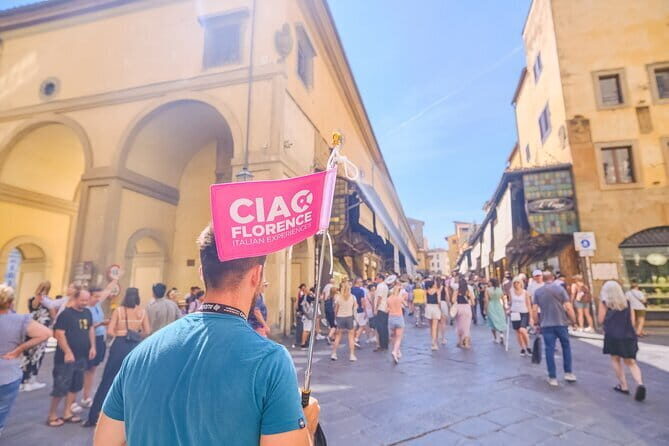
You meet at Via Camillo Cavour, 18 (50122 Firenze). That’s in central Florence, and the tour notes that it’s near public transportation, which matters if you’re moving around the city before the walk.
The ending point is Galleria dell’Accademia di Firenze, Via Ricasoli 58/60, but the tour also says the final destination can vary depending on the option selected—sometimes ending inside the Accademia, sometimes back in the historic centre. I recommend you keep your plans flexible for the last hour so you’re not rushing across Florence right at the end.
Stop by stop: how the Florence squares teaching works
This tour is built like a visual course. Each square gives you one idea, then the next stop adds another layer.
Florence orientation: “here’s how to read the city”
Your first stop is simply Florence, viewed through the eyes of an expert local guide. You get quick historical framing and a sense of how the city’s power and wealth shaped what you see in public spaces.
This matters because Florence can look like pure art from street level—beautiful facades, statues everywhere, and churches on every corner. A good guide helps you separate what’s just scenic from what’s actually important.
Piazza della Repubblica: cafés and the elegant shopping edge
Next comes Piazza della Repubblica, an elegant space with liberty-style cafés and luxury shops. This isn’t the “biggest art moment” on paper, but it’s useful. You’re learning how Florence’s grand public rooms work—where people gather, where foot traffic flows, and how the city feels at street pace.
For me, this stop sets expectations: Florence isn’t only museums. It’s a living city, and its squares still function as meeting points and stages.
You can also read our reviews of more museum experiences in Florence

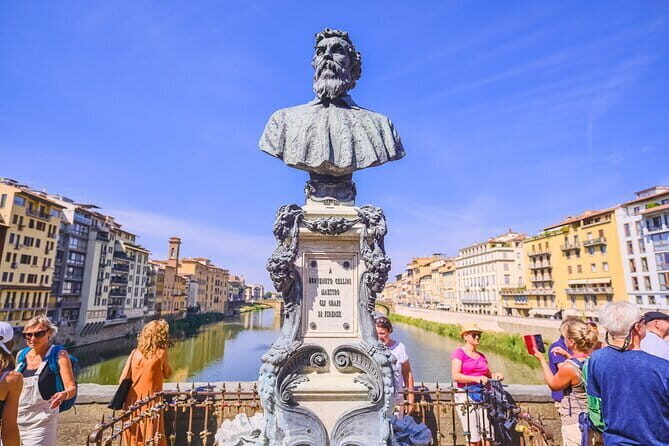
Piazza della Signoria: open-air sculpture and political heart
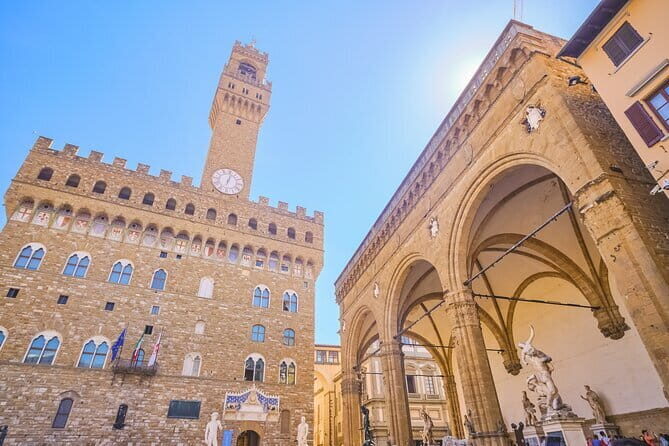
Then you step into Piazza della Signoria, often described as an open-air museum. This is one of those squares where the art doesn’t feel packaged behind glass. It’s right in front of you while you’re surrounded by architecture and history.
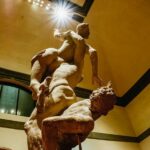
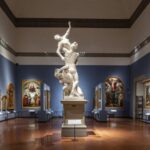
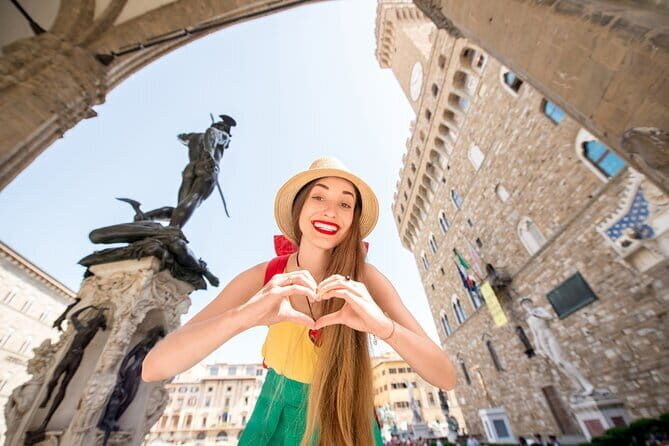
You’ll see works and references like Cellini’s bronze Perseus and the sculpture of the Rat of the Sabine women attributed to Giambologna (as your tour describes it), plus landmarks such as Palazzo Vecchio and the colonnade leading toward the Uffizi Gallery.
What I like here is the way your guide can point out the connections. You start seeing this square as a crossroads—art, power, and civic identity all mixed together.
Duomo culmination: leaving with a clear picture of the Cathedral Square
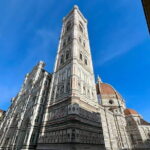
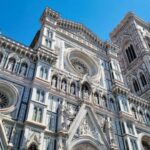
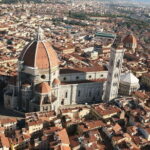
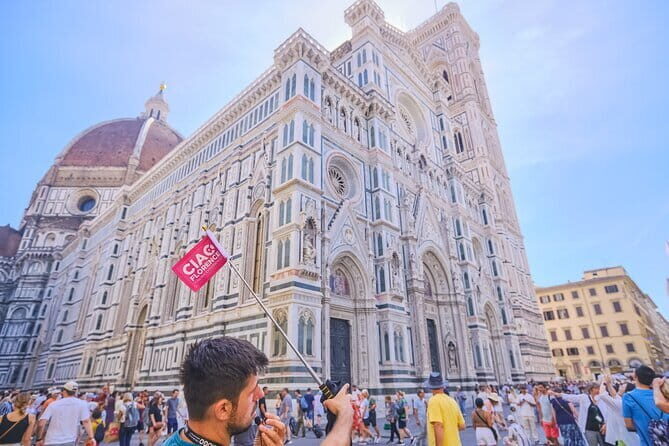
The tour culminates at Duomo Square, with an external explanation designed to answer the common first-time questions: What am I looking at? Why is it shaped like that? What makes this place central?
You’ll be given time to ask last-minute questions, then the guide departs and you’re ready to explore independently. If you plan to tour inside later, this is also a smart moment to decide what’s worth your time based on what your guide pointed out.
One practical note: at Duomo Square, the crowd energy can be high. Comfortable shoes matter more than usual because you’ll stand and shift positions for photos and sightlines.
Accademia Gallery: priority access that changes your whole mood
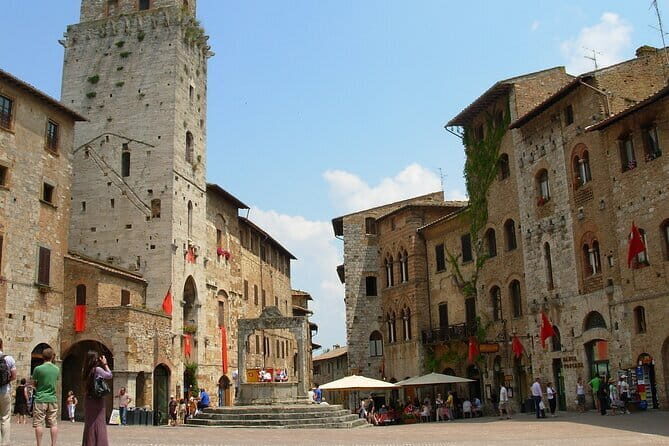
Now for the payoff: the Accademia Gallery. The biggest advantage is the skip-the-line element. Even on busy days, having your guide usher you past the long entrance queue typically means you lose less time with your feet parked and your patience tested.
Also, because this tour is a monolingual small group (up to 15), you’re not stuck in a giant herd. That makes it easier to hear explanations and follow along.
The Hall of Prisoners: non-finito and the drama of unfinished marble
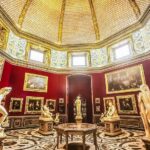
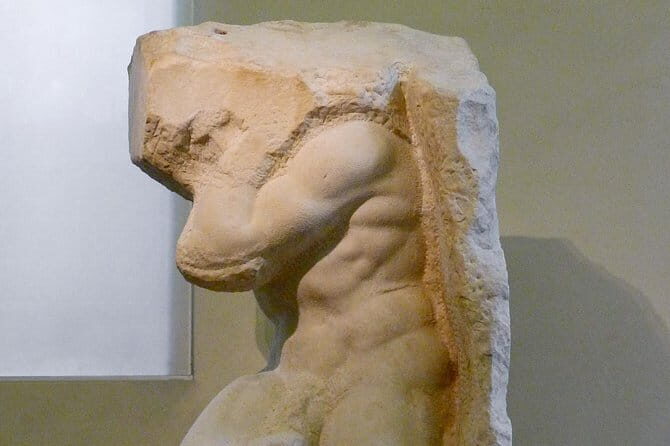
Your museum time starts with the Hall of Prisoners, where Michelangelo’s unfinished sculptures line the room. You spend about 35 minutes here, and the guide explains the idea of non-finito—the emotional logic of marble that’s not fully shaped.
This is a genuinely important stop, even if you think you already “know David.” The Prisoners teach you how Michelangelo worked—hammer marks, unfinished edges, and the idea that the figure is trapped and waiting to emerge. That changes how you interpret the finish you’re about to see next.
I also appreciate that the guide focuses on stories of each sculpture in the hall. It turns a room full of stone shapes into characters with motives.
David: the scale hits fast once you’re close
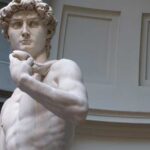
Then the tour moves into David. You get about 35 minutes for this highlight portion, and the guide explains what makes the sculpture a world-famous milestone.
Here are the specifics that help you calibrate what you’re seeing: David weighs over 12,000 pounds, stands about 17 feet tall, and your guide shares that Michelangelo finished it at around age 26. Those numbers matter because the statue can look “only human” in photos, while in person it feels monumental and strangely intimate at the same time.
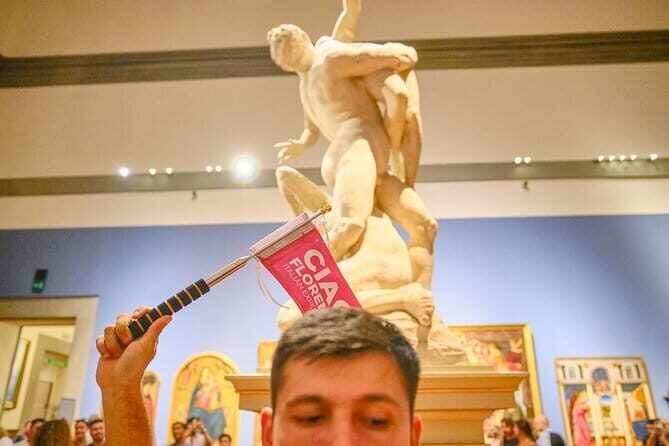
Your guide also takes you beyond just the famous figure—so you don’t leave with only one memory. The tour continues through other pieces, including Giambologna’s Rape of the Sabines, and additional works by Renaissance masters such as Sandro Botticelli, Jacopo di Cione, and Pacino di Buonaguida.
This is one of the reasons I’d choose a guided Accademia visit over going completely on your own. The gallery is famous for a reason, but it can also be overwhelming. A guide gives you a path through the noise.
Group size and audio: the small details that make or break it
This tour runs as a monolingual small group up to 15 travelers, and it includes earphones for bigger groups. Since you’re not always in the largest crowd, your guide may rely on normal voice some of the time. Still, using earphones when they’re provided is smart—especially in museum rooms where noise and crowd chatter can swallow quiet explanations.
There’s also a lesson from real-world guide setups: if the microphone placement is off, the sound can be hard to catch in busy areas. So if you find yourself straining to hear, move closer to the guide or make sure you’re using the earphones.
Timing and pacing: why 3 to 4 hours is the sweet spot
The tour is described as about 3 to 4 hours. That’s a good length for Florence highlights because it avoids two common problems.
1) If it’s too short, you miss the “connected story” between squares and museum.
2) If it’s too long, you spend energy on transit and standing instead of actually absorbing details.
Here, the walk portion focuses on key scenic anchors, then the Accademia portion gives concentrated museum time. You leave with enough context to make your next stops feel more personal—without feeling locked into a full-day tour.
Price check: is $80.60 a good value?
At $80.60 per person, this isn’t a budget throw-in. But it also isn’t just paying for a ticket to a museum you could technically buy later.
You’re paying for a guided route that covers multiple major squares, plus professional guiding, plus Accademia skip-the-line priority access, plus time at the Prisoners and David areas with a guide explaining what you’re seeing. For a first full day, that combination often saves money in a different way: it saves “lost time.” Florence is expensive when you’re tired and rushing.
If you’re the type who likes to tour solo, you might find Accademia worth doing independently on another day. But for an efficient orientation day—especially if you’re time-pressed—this pricing can feel fair because you’re buying structure.
What to wear and bring (so you don’t hate the day)
This tour is mostly walking plus museum standing. Bring comfortable shoes. That’s not a suggestion meant to sound nice—it’s a must in Florence.
Also bring your usual “city touring” kit: a water bottle if it’s warm, a small day bag, and your phone ready for a mobile ticket (the tour notes you’ll use one). If you plan to do more walking after the tour, pack with that in mind so you don’t feel stuck once the guide leaves.
Who should book this Accademia + highlights tour
This tour is a great fit if:
- You’re visiting Florence for the first time and want a quick sense of where everything fits.
- You want the David experience with context, not just a quick photo stop.
- You like a small-group pace (up to 15) and you appreciate explanations at street level.
- You’d rather hit the major sights with a guide and then use the rest of the day freely.
It may be less ideal if:
- You hate guided groups and prefer total independence.
- You’re extremely sensitive to crowds. Even with priority access, museums can be busy.
Should you book this tour?
Yes—if you want a fast, guided Florence introduction that lands you at the Accademia with less waiting and more meaning. The big win is the pairing: city squares that teach you how to read Florence, then a museum visit that teaches you how to read Michelangelo.
Book it early in your trip if you can. Leave room afterward to use what you learned—Duomo Square, the sculpture-filled atmosphere of Piazza della Signoria, and the Renaissance stories you’ll now spot everywhere you go.
FAQ
How long is the tour?
The tour runs about 3 to 4 hours (approx.).
Is it in English?
Yes, it’s offered in English.
Is the group size small?
Yes. It’s a monolingual small group tour with a maximum of 15 travelers.
Does it really skip the Accademia entrance line?
Yes. It includes an Accademia Gallery skip-the-line ticket and your guide will usher you past the long line.
Where does the tour start and where does it end?
It starts at Via Camillo Cavour, 18, 50122 Firenze FI. It ends at Galleria dell’Accademia di Firenze, Via Ricasoli 58/60, 50129 Firenze FI, though it may end inside the gallery or in the historic centre depending on the option selected.
Are tickets to Florence’s Cathedral included?
No. The Cathedral of Florence entrance fee is optional and not included.
Can I cancel for a full refund?
Yes, you can cancel for a full refund if you cancel up to 24 hours in advance of the experience start time.

More Walking Tours in Florence

More Tours in Florence

More Tour Reviews in Florence
- Tuscany Day Trip from Florence: Siena, San Gimignano, Pisa and Lunch at a Winery
★ 5.0 · 21,634 reviews - The Best tour in Florence: Renaissance & Medici Tales – guided by a STORYTELLER
★ 5.0 · 12,316 reviews