REVIEW · BOLOGNA
Bologna: Pasta-Making Class at a Local’s Home
Book on GetYourGuide →Operated by Cesarine · Bookable on GetYourGuide
Homemade pasta beats any cookbook demo. I love the hands-on pace with a certified home cook and the tablewide tasting of the three regional dishes you help create. One thing to consider: it’s in a private home, so you won’t get the full address until after booking.
This is a 3-hour, private-group setup, so you’re not stuck watching while everyone else works. Expect instruction in English or Italian, plus plenty of time to ask questions (and then eat the answers).
In This Review
- Key highlights worth knowing before you go
- A Cesarina home in Bologna: why this feels different
- Your 3-hour pasta workshop: what the timing actually means
- From flour to finished pasta: the practical flow of the lesson
- The three regional recipes you’ll make (and the methods you’ll keep)
- Tasting everything at the table: wine, coffee, and the Bologna rhythm
- Dietary needs and ingredient swaps: how flexible is this class?
- Price and value: is $112.15 worth it?
- Who should book this class (and who might not love it)
- Tips to get the most from your pasta-making night
- Should you book this Bologna pasta-making class?
- FAQ
- How long is the Bologna pasta-making class?
- When does it usually start?
- Is the class private or shared?
- What language will the instructor teach in?
- What does the class include?
- Do you have local wine during the tasting?
- Can the class accommodate dietary requirements?
- Where do I meet the host?
- What is the cancellation policy?
Key highlights worth knowing before you go
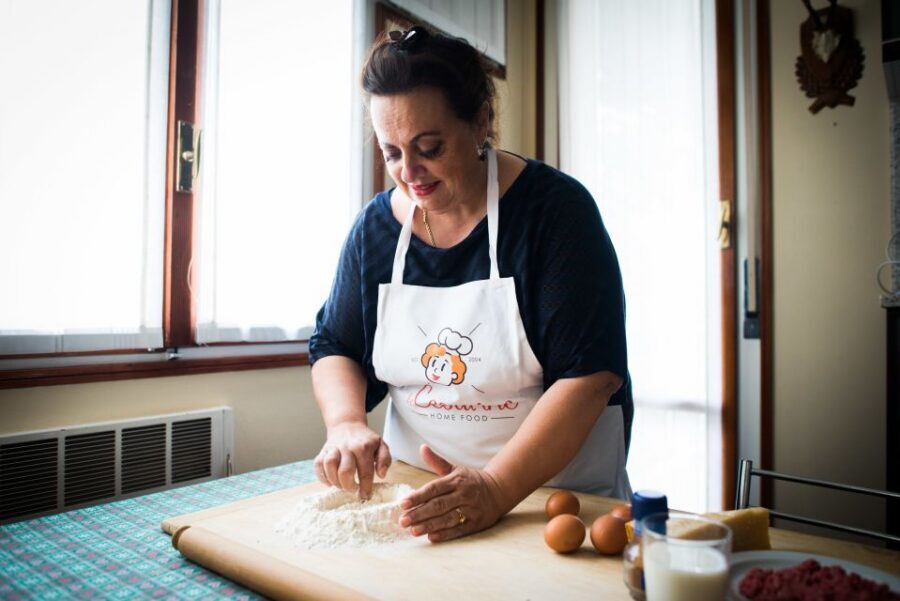
- A Cesarina home setup with your own workstation and ingredients already portioned for you
- Three regional pasta recipes taught with practical, “do this, not that” technique
- Wine with the meal: you’ll taste with a selection of local red and white options
- A real kitchen-to-table rhythm: mix, form, cook, then sit down together
- Hosts who teach with patience, including examples like Roberta, Martina, Oriana, Alessia, and Alessandra
A Cesarina home in Bologna: why this feels different
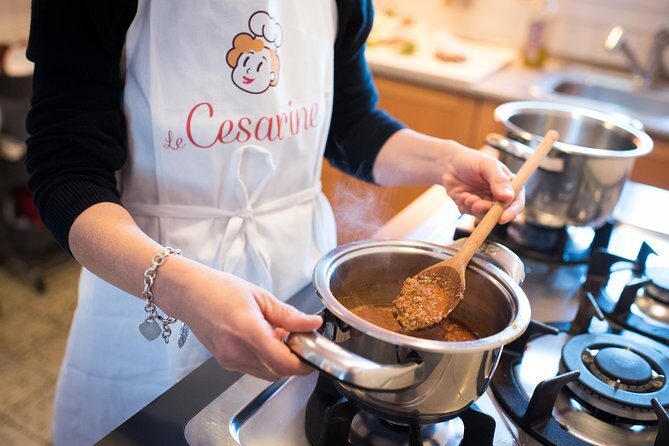
This class is set up in the kind of kitchen where families actually cook, not a studio lined with props. That changes the whole vibe. You get the comfort of a home setting with the structure of a lesson.
I like that you’re working right where the food will end up. No awkward “pass the plate down the line” theater. You’ll make the pasta, learn the methods, and then enjoy everything at the table.
Also, privacy matters here. You’ll receive the full address of your host after you book, which means you should plan to arrive on time and not cut it close. In a city like Bologna, that little detail can make a difference.
You can also read our reviews of more tours and experiences in Bologna
Your 3-hour pasta workshop: what the timing actually means
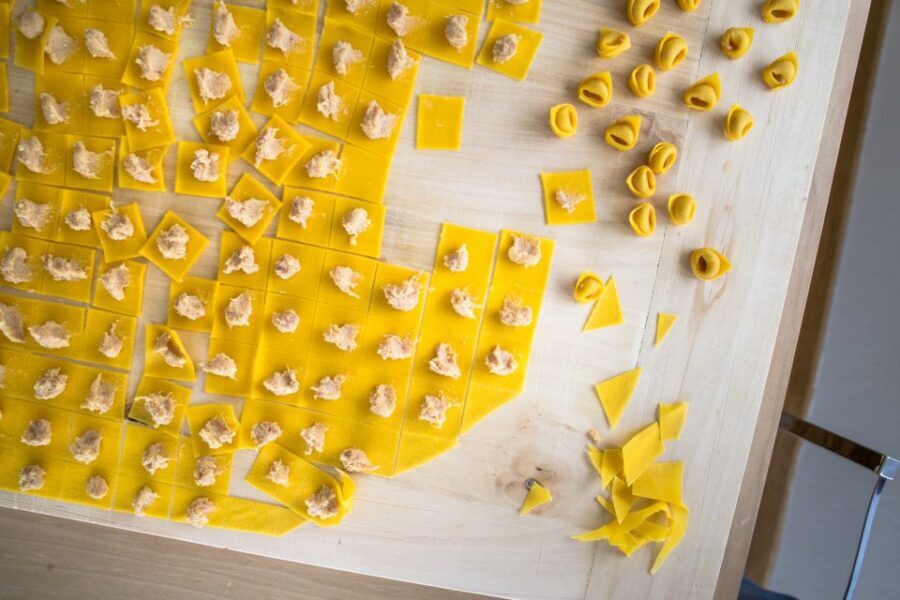
The experience runs about 3 hours, with typical start times around 10:00 AM or 5:00 PM. You can request flexibility if your schedule is tight, but you’ll want to coordinate ahead of time.
What I like about the time window is that it matches what pasta requires. You need enough time to learn the shaping and technique, not just “make something and go.” And you also get time to sit down and enjoy the results instead of rushing through the tasting.
Because it’s a private group, you’re not squeezed into a fast demo style. You’ll have utensils and ingredients ready at your workstation, which keeps things moving and reduces wasted time.
From flour to finished pasta: the practical flow of the lesson
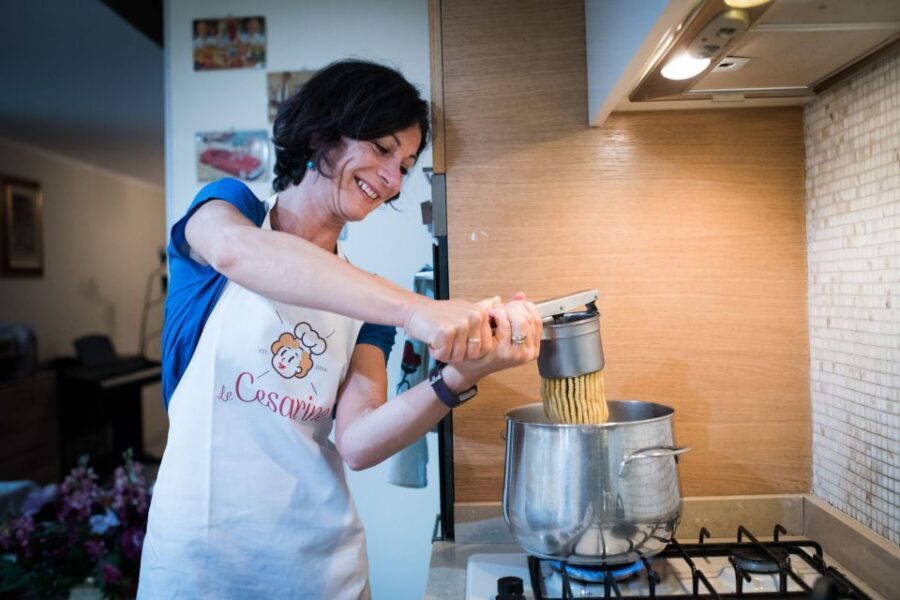
You’ll start by learning three authentic regional pasta recipes and the key “tricks of the trade” behind them. The host (a Cesarina) teaches in Italian and English, so you won’t feel lost if your language skills are limited.
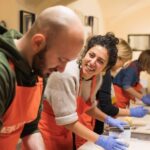
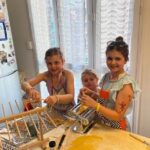
Then comes the part you’ll remember: you do it yourself. Each participant has a workstation, so you’re not relegated to stirring a sauce while someone else handles the dough.
This kind of class is great because you learn the reasons behind the steps. For example, you’ll hear how small adjustments can affect texture and handling. Pasta is picky that way, and this lesson format helps you correct mistakes early, before they snowball.
You’ll also be guided through making the dishes that will land on your table later. That means you’re not guessing what you did wrong or right once you eat. You’ll connect the technique to the result.
The three regional recipes you’ll make (and the methods you’ll keep)
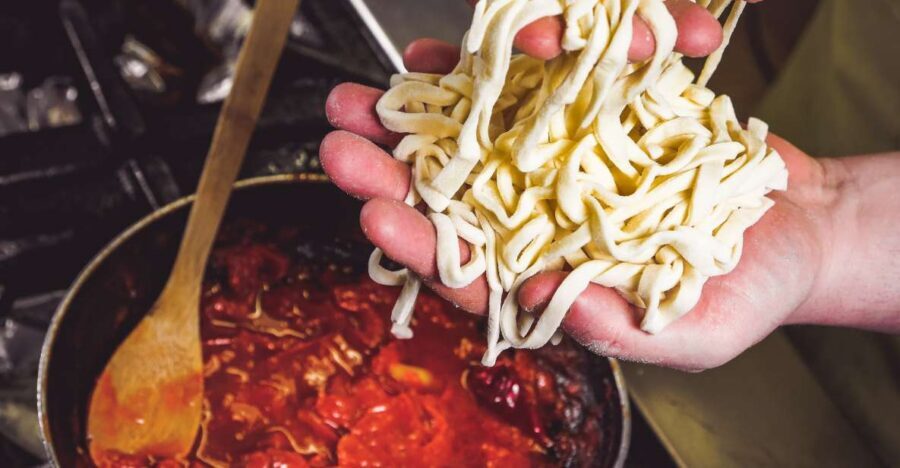
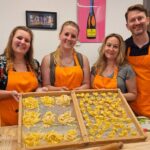
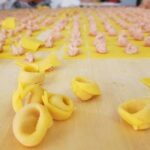
The class focuses on three regional pasta recipes from the Emilia-Romagna tradition. You’ll learn the methods needed for each one, not just the final shape.
Even without getting stuck on exact names, you can still expect to practice the core skills that matter most in Northern Italian pasta:
- preparing and handling dough so it’s workable
- shaping and timing so the texture stays right
- cooking and serving so the final dish tastes balanced
The best part is the pacing. You get supervision while you work, which helps you build confidence fast. Several hosts have been described as patient and hands-on, including Roberta, Alessandra, and Martina—each associated with a “lots of hands-on experience” teaching style.
There’s also flexibility in what you can make, depending on what you want. One of the most praised elements is that you can get options for what you’d like to learn, rather than being forced into a rigid script with zero input.
If you’re the type who likes to cook but hates feeling rushed, this format is a sweet spot. If you’re hoping for a quick souvenir activity, you might find the hands-on nature a bit more involved than you expected.
Tasting everything at the table: wine, coffee, and the Bologna rhythm
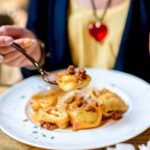
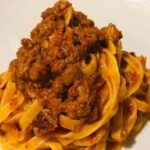
This experience isn’t just cooking. It’s the full meal arc. After you’ve made your pasta dishes, you sit down and taste what you prepared.
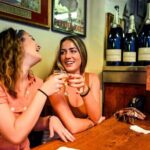
You’ll have beverages throughout, including water, a selection of local red and white wines, and coffee afterward. One class setup has been remembered for pairing the tasting with both still and sparkling options, which gives you variety without turning it into an all-day wine event.
The wine matters here because it’s part of the regional food experience, not just a perk. You’ll taste the pasta alongside the kind of drinks locals use with meals, so the flavors make more sense as a combined experience.
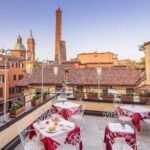
And the table format is key. You’re sharing a meal in the home space where it was made. Hosts like Oriana have been noted for creating a relaxed, entertaining atmosphere, and in at least one setup the view from a balcony overlooking Bologna was part of the evening feel.

Dietary needs and ingredient swaps: how flexible is this class?
The good news is that this class can cater to many dietary requirements upon request. Vegetarian, vegan, and gluten-free are specifically mentioned, along with other needs you can ask for in advance.
Here’s how to get the smoothest result: message the supplier early with your specific dietary requirement and any limits that matter for you. The more precise you are, the more likely your host can adjust ingredients and the lesson plan so you’re included at the table, not eating separately.
If you’re gluten-free, for example, you’ll want to make sure the class can accommodate it in both cooking and tasting. Since the activity includes the full meal, it’s worth treating dietary details as part of the planning, not an afterthought.
Price and value: is $112.15 worth it?
At $112.15 per person, this isn’t a cheap “snack and watch” activity. It’s closer to paying for three things at once:
1) a private, home-based instruction experience
2) ingredients and utensils that are set up for you
3) a full tasting meal with beverages
Because you’re learning to make three regional pasta dishes, the class has a built-in value structure. You’re not paying for a single cookie-cutter lesson. You’re practicing multiple techniques and then eating what you made.
It’s also private-group pricing. In a larger group class, you’d often spend more time waiting your turn. Here, the workstation setup and the home environment support more hands-on time.
If you’re the kind of traveler who likes food but also wants to learn skills that last beyond the trip, the price starts to look fair. You leave with a mental map of how dough behaves and how pasta wants to be handled.
If your goal is strictly sightseeing on a tight schedule, you might prefer a shorter or group-based class. But if you want to leave with real kitchen knowledge and a meal you didn’t have to order, this is a strong value.
Who should book this class (and who might not love it)
This experience is a great match for:
- couples and small groups who want a shared activity
- food lovers who enjoy cooking and want to learn technique
- people who like authentic, local settings over scripted tourism
It’s especially appealing if you want that connection to local life. The class is designed as a genuine home-table experience, with certified hosts and a meal that feels like part of a family routine.
It may be less ideal if:
- you hate the idea of traveling to an address you don’t have until after booking
- you want a very low-effort activity (you’ll be working with dough)
- you’re highly sensitive to being around kitchen chaos (it’s lively and active by nature)
Tips to get the most from your pasta-making night
Plan to arrive with a little buffer. Since the exact home address comes after booking, give yourself time for navigation and any last-minute questions.
Wear something you can move in. Pasta work gets hands-on quickly. Even with utensils and ingredients provided, you’ll likely do kneading, shaping, and close-up work at your station.
Come ready to ask questions. The hosts teach the “why” behind technique, and that’s what turns a good class into a memorable one. If you’re learning in English (or Italian), ask early about anything you’re unsure of.
If you have dietary needs, ask up front. This class can cater to vegetarian, vegan, and gluten-free options upon request, but you need to communicate clearly before the session.
Finally, go with an appetite. You’ll taste three local pasta dishes with wine and coffee. The whole experience is built around eating what you make, so treat it like a real meal, not a side quest.
Should you book this Bologna pasta-making class?
Book it if you want a hands-on skill-based food experience in a real Cesarina home, with a meal that feels connected to Bologna rather than staged. The private setup, the fact that you make three regional recipes, and the full tasting with local wine make this a strong choice for travelers who care about learning—not just sampling.
Skip it if you want a purely sightseeing event, need something ultra-light, or dislike the uncertainty of not knowing the exact address until after booking. Otherwise, this is exactly the kind of Bologna food moment that turns a trip into a story you’ll keep telling.
FAQ
How long is the Bologna pasta-making class?
The duration is 3 hours.
When does it usually start?
It usually begins at 10:00 AM in the morning or 5:00 PM in the afternoon, though it can be flexible depending on your travel needs if you contact the supplier in advance.
Is the class private or shared?
This experience is a private group.
What language will the instructor teach in?
The instructor speaks Italian and English.
What does the class include?
It includes the cooking class, tasting of three local pasta dishes, and beverages (water, wines, and coffee).
Do you have local wine during the tasting?
Yes. The tasting includes local wines, with a selection of red and white wines mentioned.
Can the class accommodate dietary requirements?
Yes, it can cater to all dietary requirements upon request, including vegetarian, vegan, and gluten-free options.
Where do I meet the host?
The class takes place in a local family’s home, and for privacy reasons you receive the full address after booking. You’ll be sent exact instructions after you book.
What is the cancellation policy?
Free cancellation is available up to 24 hours in advance for a full refund.