REVIEW · FLORENCE
Cooking Class in Tuscany
Book on Viator →Operated by Bespoke Tuscany · Bookable on Viator
That first whiff of Tuscan cooking is the point. This 3-hour class takes you out of the usual Florence route to an organic farm setting where local chefs teach you traditional flavors with a home-kitchen feel. You start with a quick history framework, then cook with fresh regional ingredients and finish by eating what you make.
I really like how personal it is: you cook with a private chef and you can be accommodated for allergies or dietary restrictions with Tuscan or Italian vegetarian options. I also like the way the day ends—lunch with alcoholic beverages, plus coffee or tea, in the same setting you cooked in. One thing to consider is that the location is intentionally off the beaten track, so you’ll want to be ready for a transfer outside the center.
In This Review
- Key highlights you should care about
- Finding Real Tuscan Cooking Beyond the Usual Florence Script
- Getting There Smoothly: Pickup, Air-Conditioning, and the Ride Out
- The First Hour: A Chef Welcome Plus a Quick History Framework
- Learning With Local Hands: How Tuscan Techniques Get Explained
- Optional Market Time: Getting Ingredients the Tuscan Way
- The Off-the-Map Setting: Organic Farms, Castles, and a Slower Pace
- Eating Like You Cooked It: Lunch, Drinks, Coffee or Tea
- Dietary Needs: How This Stays Friendly for Real Life
- Price and Value: What $286.60 Buys You in the Real World
- Who This Cooking Class Is Best For (and Who Might Skip It)
- Practical Tips to Make Your 3 Hours Go Well
- Should You Book Bespoke Tuscany’s Cooking Class?
- FAQ
- How long is the Cooking Class in Tuscany?
- Where does the activity start?
- Is pickup included?
- What’s included in the price?
- Can the class handle allergies or dietary restrictions?
- Is it a private group experience?
- Is free cancellation available?
Key highlights you should care about
- Private transportation and pickup offered make the off-map farm part simple
- Local chef instruction focuses on what Tuscans cook at home, not just showy techniques
- A quick history framework helps you understand why the food tastes the way it does
- Lunch, drinks, coffee or tea included so you’re not hunting for your own meal
- Dietary and allergy support with Tuscan and Italian vegetarian recipes
- 100% personalized experience for your group (only your group participates)
Finding Real Tuscan Cooking Beyond the Usual Florence Script
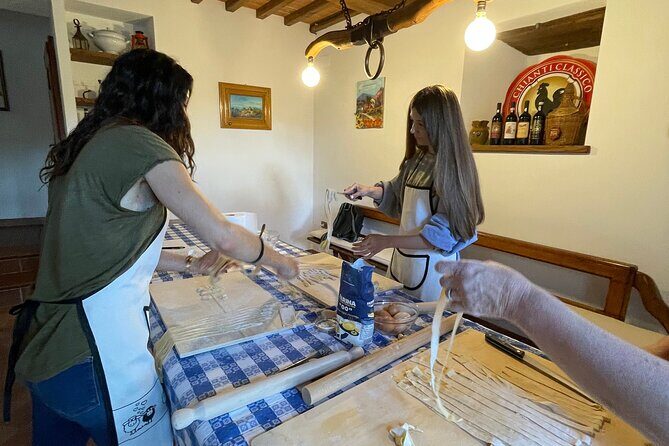
If you think you already know what Tuscan food is, a good class can reset that in about three hours. The point here is learning the dishes the way they get made for family meals—using fresh, local ingredients and a rhythm that feels practical, not staged.
What makes this experience stand out is the setting. The class happens on an organic farm in a place that’s clearly meant to be away from the crowds. In at least some sessions, the chef’s home or a castle-like venue comes into play, with countryside views that make the drive feel like part of the experience, not dead time.
You also get a private chef welcome, and that matters more than people expect. When your instructor is from the area and cooks the way they grew up cooking, you pick up the small choices that shape flavor—like how you balance seasoning, or how you trust local ingredients instead of trying to force big changes.
You can also read our reviews of more cooking classes in Florence
Getting There Smoothly: Pickup, Air-Conditioning, and the Ride Out
The experience includes private transportation with an air-conditioned vehicle, and pickup is offered. That’s a big deal if you’re planning your day around meals and don’t want to spend your energy negotiating buses and taxis.
Your meeting point is listed as Località S. Silvestro, 15, 50021 Barberino Tavarnelle FI, Italy, and the activity ends back at the meeting point. That creates a clean loop for your schedule. You can think of it like this: Florence does the big-picture tourism, and then you take this class as a more grounded, countryside-focused detour.
Also, the setting being off the beaten track is a feature, not a flaw. If you want a farm experience with a real kitchen and fewer interruptions, this kind of transfer supports that goal. Just build a little breathing room into your day so you’re not rushing from another stop.
The First Hour: A Chef Welcome Plus a Quick History Framework
You don’t just start chopping. You begin with a welcome from your private chef, followed by a quick historical framework. In practice, that means you’ll understand where the flavors come from and how Tuscan cooking grew out of local products and everyday life.
This is one of those “small” inclusions that can make your cooking results much better at home. When you understand the logic—why certain ingredients are common, why methods developed where they did—you stop copying recipes word-for-word and start cooking with judgment. That’s what you want if your goal is to repeat the dishes for family and friends later.
And because the chefs are described as locals who have cooked for their families, you can expect instruction that sounds like real kitchen talk. Reviews highlight this warm, welcoming vibe: people have felt like they arrived at a friend’s kitchen, not a classroom with checklists.
Learning With Local Hands: How Tuscan Techniques Get Explained
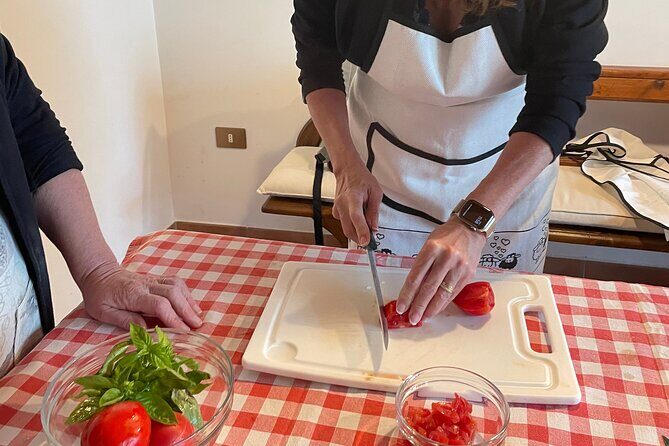
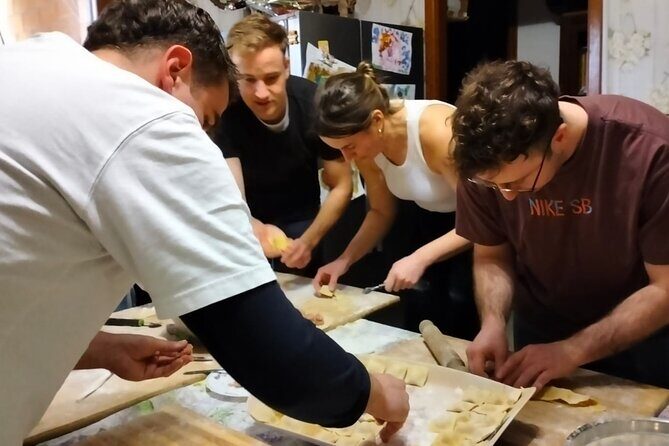
The cooking class teaches typical and traditional Tuscan dishes, but the better value is in the skills behind them. Your chef guides you through the process of cooking meals Tuscans eat at home, using the same fresh, local ingredients you’d hunt for in markets if you lived there.
Here’s what that means for you as a cook:
- You learn the order of operations, not just ingredients.
- You get cues about taste and adjustment, which is where a dish usually wins or loses.
- You learn what to aim for in texture and flavor, so your version doesn’t come out flat.
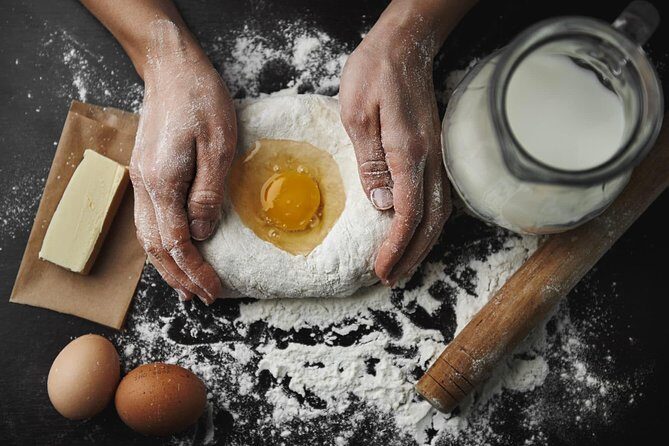
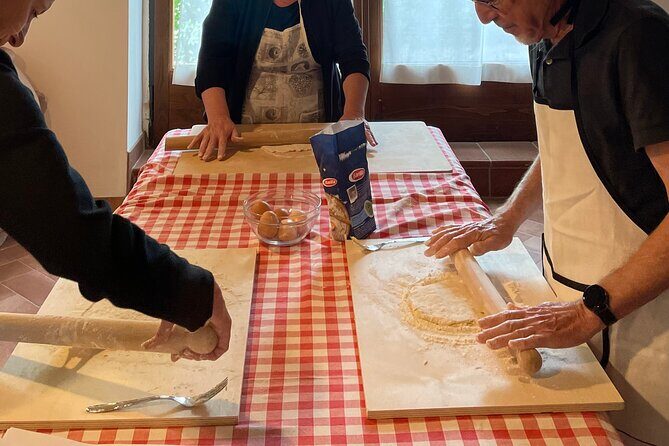
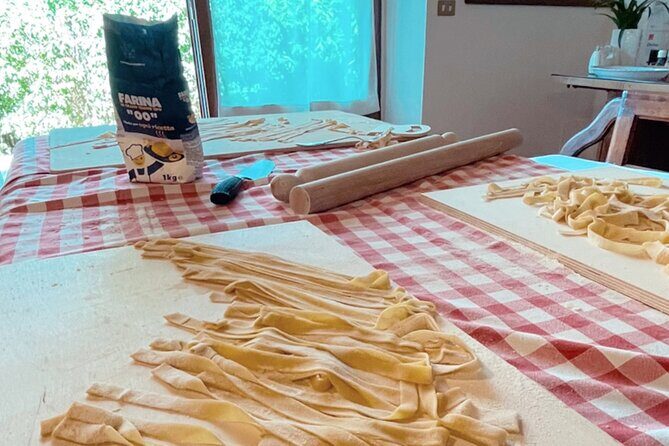
Some sessions in this program have focused on pasta making and classic desserts. One review specifically described making pasta and then tiramisu, followed by eating lunch in an outdoor setting with views. Even if your menu differs, you’ll still benefit from the way the chef teaches. Pasta work, for example, teaches patience and handling, while dessert lessons show how Tuscan home cooking turns simple ingredients into something special.
Optional Market Time: Getting Ingredients the Tuscan Way
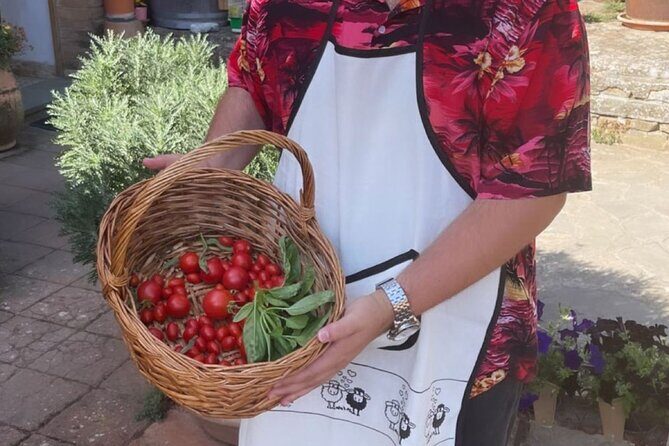
One of the smartest extras that shows up in some versions of the day is a market ingredient stop in Florence. In reviews, chef Danda is described as taking guests around the Florence market to pick fresh items, even encouraging sampling different foods along the way.
Even if your day’s flow is slightly different, the principle is the same: good cooking starts with good ingredients, and Tuscan food leans heavily on what’s available locally. If your schedule allows, you’ll get more out of the class if you treat this as ingredient education, not just shopping.
If your session includes a market walk, pay attention to how your chef chooses. Watch what they touch, what they sniff, and what they pass on. That’s the kind of shopping instinct you can take home.
You can also read our reviews of more tours and experiences in Florence



The Off-the-Map Setting: Organic Farms, Castles, and a Slower Pace
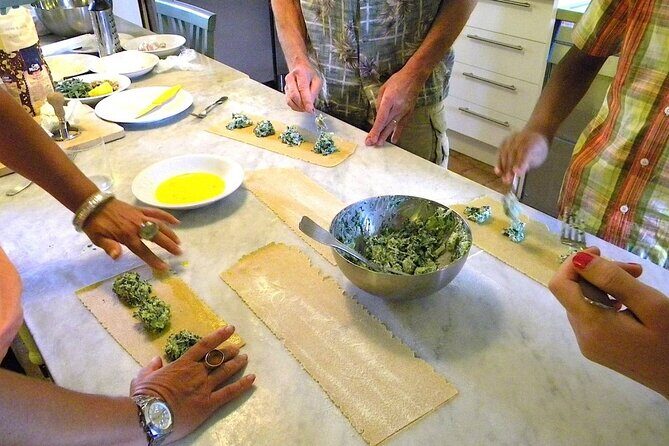
The class takes place at an organic farm in a setting that’s described as off the beaten track. That matters because it changes your pacing. There’s less ambient noise and fewer distractions. You can hear explanations, ask questions, and stay present while you cook.
Reviews back this up with vivid setting details: one class was described as being in a beautiful castle with remote countryside views on the way in. Another described cooking and then enjoying lunch on a patio overlooking nearby homes and fields.
Even if the exact venue differs, you’ll likely feel the same shift. This is not a quick in-and-out activity. It’s a real-location experience where you can smell the ingredients, notice the kitchen energy, and eat where the food’s story unfolded.
Eating Like You Cooked It: Lunch, Drinks, Coffee or Tea
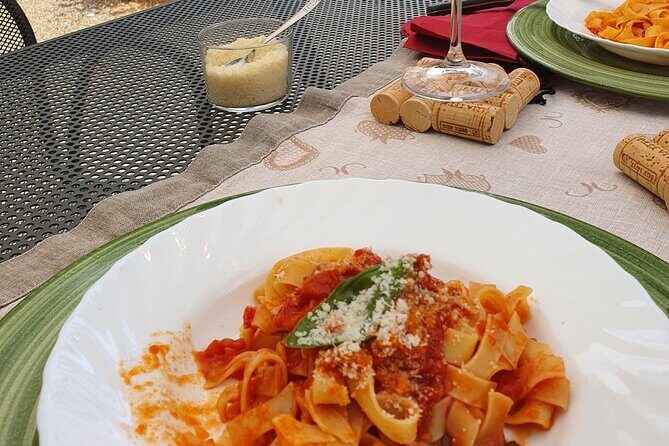
A key part of the value here is that lunch is included, along with bottled water, alcoholic beverages, and coffee and/or tea. You’re not just paying for instruction. You’re paying for the full meal experience that comes from the cooking.
This is one of those tours where eating becomes part of the lesson. When you taste what you made, you notice what you nailed and what you’d tweak next time—like salt level, acidity balance, or seasoning depth. Then you can ask your chef why the dish ended up that way.
Also, the meal format tends to be relaxed and social. Reviews describe enjoying lunch at scenic patios or in calm, welcoming kitchen settings. If you’re coming with someone you like talking to, this can turn into a really enjoyable shared moment, not just a checkbox meal.
Dietary Needs: How This Stays Friendly for Real Life
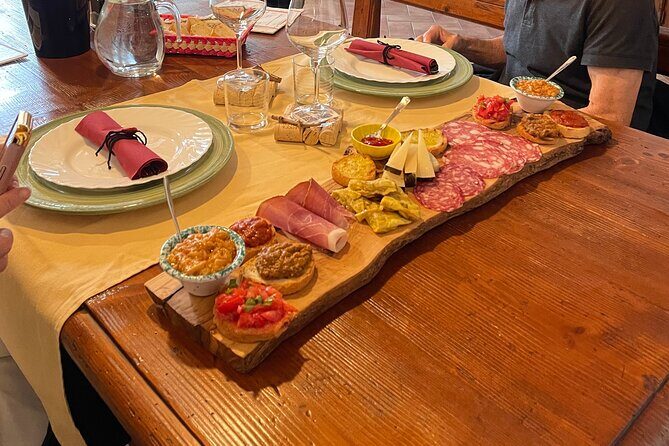
This experience is marketed as 100% personalized, and the info is clear about dietary support. If you have allergies or dietary restrictions, the provider states there’s a broad selection of Tuscan food recipes or Italian vegetarian recipes.
That’s the practical part you should care about. Many cooking classes say they can accommodate you, but what you actually need is a plan that still feels like Tuscan cooking rather than a bland substitute. Since vegetarian and restriction-friendly Tuscan-style options are explicitly mentioned, you’re more likely to get a full meal that matches the day instead of sitting out.
If you’re booking, make sure you share details clearly when you reserve. That’s the best way to get a true match to your needs, rather than a last-minute workaround.
Price and Value: What $286.60 Buys You in the Real World
At $286.60 per person for about 3 hours, this isn’t a bargain class. But it also isn’t overpriced in a vacuum, because the package includes several expensive-to-assemble items:
- Private chef instruction
- Private transportation and pickup offered
- Lunch plus alcoholic beverages
- Coffee and/or tea
- Bottled water
When you compare it to doing the same day on your own—chef time, a countryside transfer, ingredients, and meal—this price looks more like a “buy a full day’s comfort and expertise” situation.
Is it a steal? Not really. Is it a fair deal if you value a personal chef, food-first learning, and a setting you won’t replicate easily? Yes. You’re paying to skip the guesswork and get the kind of instruction that helps you recreate the dishes later.
For families or groups, the “group discounts” mention can also make the math easier. And since it’s described as a private tour/activity with only your group participating, you’re not stuck sharing chef attention with strangers.
Who This Cooking Class Is Best For (and Who Might Skip It)
This experience fits best if you:
- Want a hands-on Tuscan lesson, not just tasting and watching
- Prefer small-group energy where you can ask questions
- Like meal experiences that end with you eating what you made
- Are curious about regional food culture and how local ingredients shape flavors
You might choose differently if:
- You want a super central, walk-everywhere city activity
- Your travel style is more about sightseeing stops than a cooking day
- You’re very pressed for time and can’t comfortably handle a 3-hour block plus the drive out
The off-the-map setting is the trade. The payoff is the slower pace and the stronger sense of place.
Practical Tips to Make Your 3 Hours Go Well
A few things will help you get the most from the day:
- Wear comfortable shoes. Cooking work and moving around can be more physical than you expect.
- Come hungry, but not stuffed. You’ll cook and then eat a full lunch.
- Ask your chef about what to buy back home if your goal is to repeat recipes. That makes the class pay off after the trip.
- If you have restrictions, confirm them clearly. The program notes support for allergies and dietary needs, but your details are what make it work.
If your chef does a market walk in Florence (as some groups described), treat it like part of the lesson. Take notes on choices and don’t be shy about asking why one ingredient is chosen over another.
Should You Book Bespoke Tuscany’s Cooking Class?
I’d book this if your idea of a great Florence day includes a countryside setting, a private chef, and the satisfaction of eating your own work at the end. The best part is the combination: local instruction, a real Tuscan meal, and a location that feels like you’re stepping into how people actually live.
I’d hesitate only if you’re the type who needs to stay strictly in central Florence for the whole day. The location is designed to be different, and you’ll feel that in the transfer time.
If you’re excited to learn flavors you can reproduce—especially pasta skills and classic desserts like tiramisu—this kind of experience is exactly where your vacation money goes: into instruction you can use, not just photos you already have.
FAQ
How long is the Cooking Class in Tuscany?
The class lasts about 3 hours.
Where does the activity start?
It starts at Località S. Silvestro, 15, 50021 Barberino Tavarnelle FI, Italy.
Is pickup included?
Pickup is offered, and private transportation with an air-conditioned vehicle is included.
What’s included in the price?
The included items are private transportation, lunch, a cooking lesson, bottled water, alcoholic beverages, coffee and/or tea.
Can the class handle allergies or dietary restrictions?
Yes. The provider states there are options for allergies or dietary restrictions, including a selection of Tuscan recipes or Italian vegetarian recipes.
Is it a private group experience?
Yes. This is listed as a private tour/activity, so only your group participates.
Is free cancellation available?
Yes. You can cancel for a full refund up to 24 hours in advance of the experience start time.
More Workshops & Classes in Florence
More Cooking Classes in Florence
More Tour Reviews in Florence
- Tuscany Day Trip from Florence: Siena, San Gimignano, Pisa and Lunch at a Winery
★ 5.0 · 21,634 reviews - The Best tour in Florence: Renaissance & Medici Tales – guided by a STORYTELLER
★ 5.0 · 12,316 reviews