REVIEW · FLORENCE
DAVID – Accademia Gallery Guided Tour with Skip-the-Line Ticket
Book on Viator →Operated by Tours and the City · Bookable on Viator
Skip-the-line beats the Accademia queue fast. This David-focused guided visit takes about 1 hour and gets you into the Galleria dell’Accademia with a mobile ticket and an English guide, even on busy days.
I love the small-group feel (max 15 people) and that you get radio headsets when groups are larger, so you can actually hear the guide instead of playing museum charades. I also love how the tour style is built around story and context, and one guide name, Giulio, was praised for anecdotes about David and the gallery.
The only real catch is time. With a roughly 1-hour loop and no refreshments included, you have to be okay moving at a guided pace and planning any snacks outside the museum.
In This Review
- Key takeaways before you go
- Meeting at Piazza delle Belle Arti: get your bearings fast
- Skip-the-line access at the Accademia: what it’s really buying you
- Michelangelo’s David and the Tribune: the emotional hit first
- What to expect at this stage
- Hall of Musical Instruments and Florentine Gothic art: a sharp change of pace
- The main drawback here
- Gipsoteca Bartolini: why the plaster collection can matter
- How to make this stop work for you
- Hall of Prisoners and Hall of Colossus: big scale, big drama
- A practical note
- Group size, headsets, and how to stay comfortable
- Price and value: is $79.26 worth it?
- Who should book this Accademia David tour
- Should you book it?
- FAQ
- How long is the Accademia Gallery guided tour?
- Is skip-the-line access included?
- What language is the tour offered in?
- What’s included in the ticket price?
- What is not included?
- Where do I meet the tour?
- Do I need to bring a paper ticket?
- What is the maximum group size?
- Are service animals allowed?
- What is the cancellation policy?
Key takeaways before you go
- Skip-the-line entry helps you avoid the worst waiting and start with momentum.
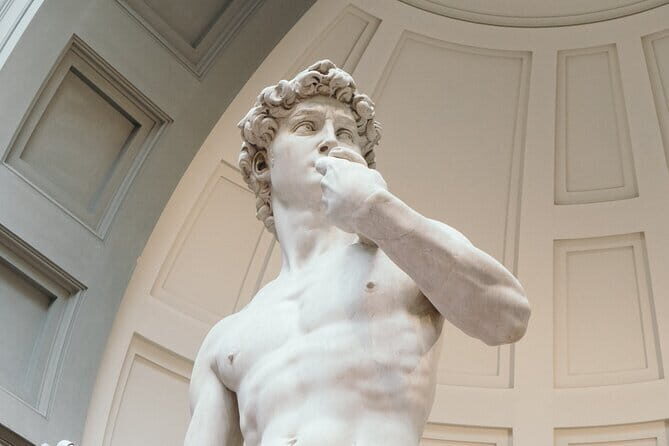
- Michelangelo’s David is the centerpiece, shown in the Tribune area.
- Radio headsets make the tour easier to follow for most group sizes.
- A tight 60-minute route covers multiple major rooms without dragging.
- Maximum 15 travelers keeps the guide experience more personal than big crowds.
Meeting at Piazza delle Belle Arti: get your bearings fast
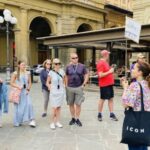
This tour starts at Piazza delle Belle Arti, 50122 Firenze FI, Italy. That matters because the Accademia can feel like a maze when you’re hunting for a meeting point. Starting at a clear piazza gives you a simpler target, and the tour also ends back at the same spot, which is handy if you’re continuing your day on foot.
You’re also using a mobile ticket, not a paper one. That’s great because you won’t be flipping through phones and emails at the door; you’ll just keep it ready. And since the meeting point is near public transportation, you can connect easily from other parts of Florence without having to plan a complicated route.
Two practical notes: there’s no pickup or drop-off, so show up under your own steam, and there’s no store inside for meals. The museum visit is packed into about an hour, so plan food and water before you start (or right after you finish).
You can also read our reviews of more tours and experiences in Florence
Skip-the-line access at the Accademia: what it’s really buying you
Accademia lines can drain your energy. Here, the value is simple: the tour includes skip-the-line entry tickets, so you’re not spending your prime viewing time waiting for the gates to open.
The tour is designed to keep you moving efficiently. You’re not just getting admission—you’re getting a guide, in English, who can help you see what matters most. In other words, you’re paying for three things that work together:
- access (the skip-the-line ticket),
- interpretation (a licensed guide),
- and flow (a structured route through key rooms).
At $79.26 per person for about 1 hour, it’s not the cheapest way to do the museum. But it is one of the more practical ones if you want the big hits without losing half your day to queues and wandering. If you like spending hours at one room, a guided sprint may feel limiting. If you want a well-paced overview and fast access, it’s a strong deal.
Michelangelo’s David and the Tribune: the emotional hit first
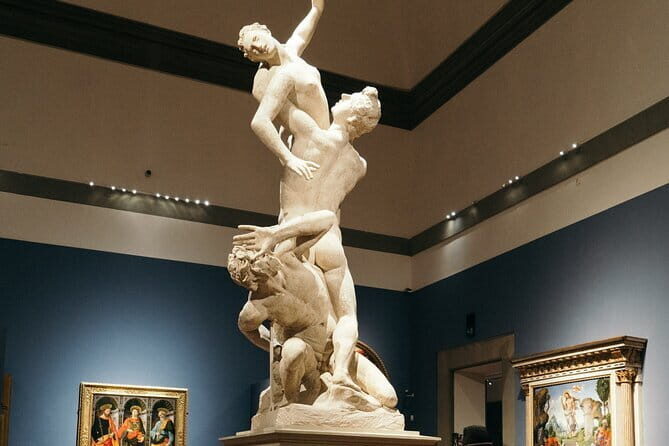
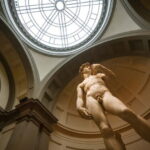
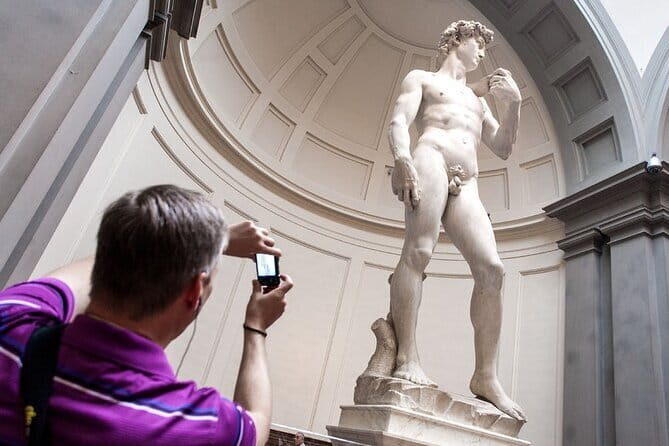
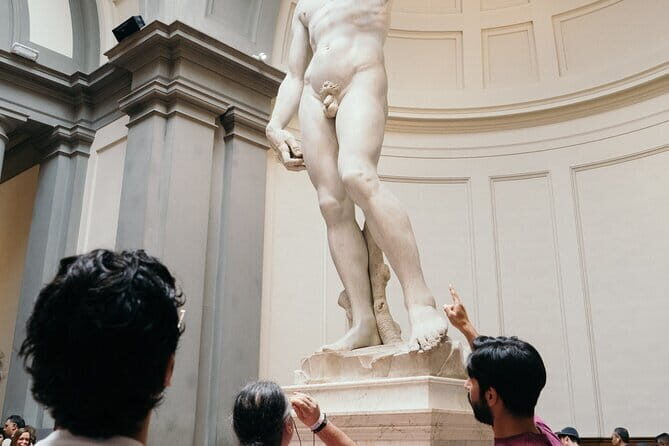
The heart of the tour is Michelangelo’s David (shown at The Tribune). This is where you want your first minutes to count, because once you’re in, the rest of the museum becomes easier to enjoy.
What I like about structuring the visit around David is that it gives your brain a reference point. When you see David early, you automatically start noticing patterns—style choices, sculpture scale, and why the museum is organized the way it is. Even if sculpture isn’t your main love, David is the one stop that almost always makes the whole visit feel worth it.
One detail worth knowing: the tour is narrated by a licensed guide, and the experience is built around stories and anecdotes. In particular, one reviewer highlighted Giulio for being an excellent story teller with interesting facts about David and the gallery. That’s a good sign, because David isn’t just a statue you pass by—it’s the kind of artwork that benefits from the right context.
What to expect at this stage
You’ll be led to David and the immediate surrounding area first. Expect a tight viewing moment guided by explanations rather than free roaming. If you’re the type who likes photos, you’ll still get your chance, but the tour rhythm comes first.
Hall of Musical Instruments and Florentine Gothic art: a sharp change of pace
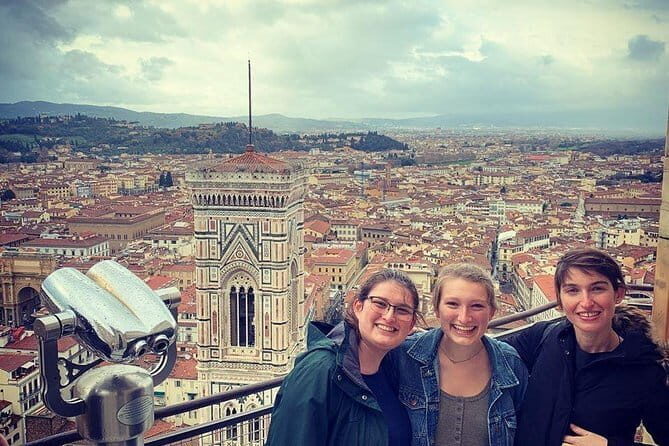
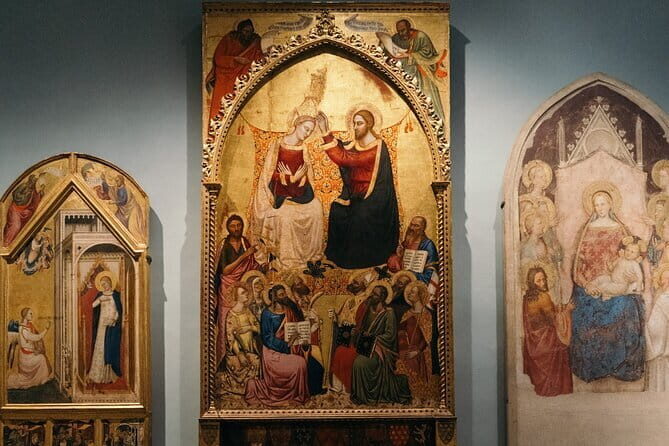
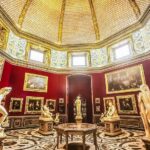
After David, the tour shifts into rooms that feel different in mood and texture. You’ll visit the Hall of Musical Instruments, then move into Florentine Gothic art.
Why that sequence works: it keeps the visit from turning into a single-note sculpture marathon. The museum becomes more varied, and you get a mental reset between major sculpture areas.
In the Hall of Musical Instruments, you’re not staring at marble. You’re looking at the museum’s other personality—objects tied to sound and craft. Even without a deep music background, this kind of stop makes the overall experience feel more complete, because it shows that the Accademia isn’t only about statues.
Then Florentine Gothic art gives you a different artistic period and a different visual language. Gothic art can feel stricter and more patterned than later Renaissance work, and having it placed in the tour right after David helps you notice how tastes and techniques changed over time in Florence.
You can also read our reviews of more guided tours in Florence


The main drawback here
This part can be slightly less breathtaking than the David stop, simply because it’s less of a single headline object. But that’s also why it’s valuable: it rounds out your visit so you don’t walk away with only one thing in your head.
Gipsoteca Bartolini: why the plaster collection can matter
Next up is the Gipsoteca Bartolini. The name alone tells you this section is focused on plaster works, and it’s the kind of stop that can be either fascinating or forgettable depending on your interests.
I like including Gipsoteca-type rooms in a guided tour because the guide can explain what you’re looking at in a way that’s hard to figure out on your own in a hurry. Even if you’re not there to study sculpture methods, these spaces often help you understand how artists thought in stages—planning, shaping, and refining ideas before the final work.
How to make this stop work for you
Treat it like a toolkit for understanding what comes later. If you’re the type who wants to know why the big sculptures look the way they do, this is the part that can add the most satisfaction.
Hall of Prisoners and Hall of Colossus: big scale, big drama
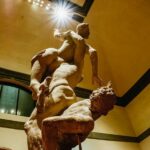
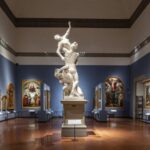
The final major sculpture rooms are the Hall of Prisoners and the Hall of Colossus. These stops are where the Accademia starts to feel like a sculptor’s workshop turned into public spectacle.
The Hall of Prisoners is named for a reason. You’ll be looking at sculpture displays that emphasize human figures and dramatic poses, which makes it easier to feel the emotion in the artwork. The Hall of Colossus shifts the scale again, leaning into larger-than-life presentation.
Why I think this ending sequence is smart: it sends you off with impact. David is the emotional headline, but the Prisoners and Colossus rooms help you see the museum’s deeper focus—how sculpture can show movement, tension, and presence without needing action or narrative scenes.
A practical note
Because this is a guided 1-hour tour, you might not have unlimited time in each room. Still, the guide’s job is to point you to the most meaningful angles and help you spend your time well.
Group size, headsets, and how to stay comfortable
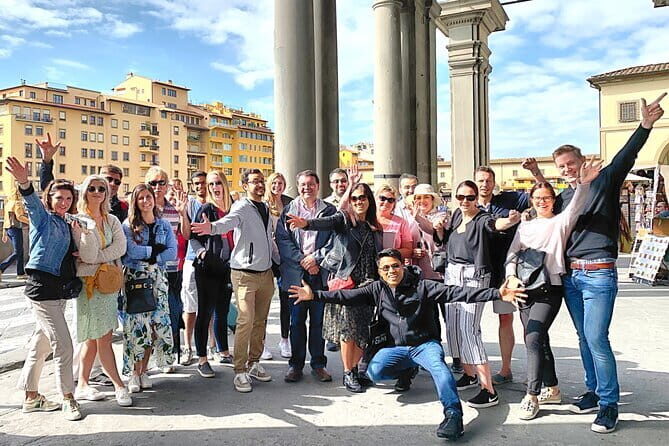
This tour runs with a maximum of 15 travelers, which is a big deal. Smaller groups mean less crowding around the guide and more chance to hear the explanations.
If the group is larger than six people, you’ll get radio headsets. That’s not a fancy extra. It’s a real comfort upgrade, especially in enclosed gallery spaces where sound can bounce and conversations can get lost quickly.
It’s also offered in English, which helps if you want your museum time to be truly understandable rather than mostly guessed.
And while the tour is designed for most people (most travelers can participate), keep in mind you’re covering multiple rooms in a short window. If you need a slower pace, you may want a self-guided visit after this, rather than expecting the tour to feel like a long gallery stroll.
Price and value: is $79.26 worth it?

The price is $79.26 per person, and that cost is doing real work. You’re getting:
- skip-the-line entry tickets,
- a licensed tour guide with in-depth knowledge,
- and radio headsets for groups over six,
- plus the museum admission itself is included in the tour package.
So you’re not just buying access. You’re buying time saved and interpretation delivered quickly. That’s what makes the value make sense.
When it’s a great value:
- You want Michelangelo’s David and the major rooms without waiting in line.
- You prefer guided context over reading wall labels for a whole hour.
- You’d rather pay for a structured plan than gamble on finding the right rooms quickly.
When it might feel overpriced:
- You want maximum time in a single room.
- You don’t care about guided storytelling and you’d rather go at your own pace.
- You plan to linger for photos and quiet reading; the tour is built for movement.
Who should book this Accademia David tour
This tour is best for you if:
- you’re short on time in Florence and want the Accademia highlights efficiently,
- you like a guide-driven experience with clear pacing,
- you appreciate hearing anecdotes (one review specifically praised Giulio for storytelling),
- you want an English tour and fewer headaches inside a busy museum.
You might choose another approach if:
- you want a slow, independent museum day,
- you dislike group logistics,
- you’re the kind of visitor who prefers to focus on only one room for a long time.
Should you book it?
If your goal is to see Michelangelo’s David plus a handful of major Accademia rooms with minimal waiting, I’d say yes, book this. The skip-the-line access and licensed guide do the heavy lifting, and the short, structured 1-hour plan helps you feel like you actually used your time well.
If you want a museum experience that feels leisurely and flexible room-to-room, you may prefer to pair independent exploring with a slower pace. But if you’re thinking efficient, focused, and easy to follow, this is one of the more practical ways to hit the Accademia’s best-known sights.
FAQ
How long is the Accademia Gallery guided tour?
It runs for about 1 hour.
Is skip-the-line access included?
Yes. Skip-the-line entry tickets for the Accademia Gallery are included.
What language is the tour offered in?
The tour is offered in English.
What’s included in the ticket price?
Admission to the Accademia Gallery is included, along with a skip-the-line entry ticket, a licensed tour guide, and radio headsets for groups of more than 6 people.
What is not included?
Meals and refreshments are not included, there are no stores inside to buy them, hotel pickup or drop-off is not included, and tips for the guide are not included.
Where do I meet the tour?
You meet at Piazza delle Belle Arti, 50122 Firenze FI, Italy.
Do I need to bring a paper ticket?
No. The tour uses a mobile ticket.
What is the maximum group size?
The maximum is 15 travelers.
Are service animals allowed?
Yes, service animals are allowed.
What is the cancellation policy?
You can cancel for a full refund up to 24 hours in advance of the experience start time. If you cancel less than 24 hours before, the amount paid is not refunded.



More Tickets in Florence

More Tours in Florence



More Tour Reviews in Florence
- Tuscany Day Trip from Florence: Siena, San Gimignano, Pisa and Lunch at a Winery
★ 5.0 · 21,634 reviews - The Best tour in Florence: Renaissance & Medici Tales – guided by a STORYTELLER
★ 5.0 · 12,316 reviews