REVIEW · FLORENCE
Discover Florence Walking Tour: Guided Tour
Book on GetYourGuide →Operated by Barcelona Exp · Bookable on GetYourGuide
Florence without the museum fatigue. This 90-minute guided walk strings together the Medici District, Piazza della Repubblica, and the Duomo area so you see how Florence’s big ideas played out in real streets and real stones. What I like most is watching the story unfold in order—from Medici influence to political power to Brunelleschi’s dome. A practical note: it’s not wheelchair accessible, and you’ll be walking for about 90 minutes.
What I also like is how the tour makes famous stops feel specific, like Ponte Vecchio’s goldsmiths bridge and the statues in Piazza della Signoria. One recent guide got a special mention by name, Julia, for delivering a tour people still remember days later—so you’re not stuck with a dry script.
In This Review
- Key things you’ll notice on this Florence highlights walk
- Where the tour begins on Via de’ Martelli
- Medici power at Piazza San Lorenzo: Palazzo Medici Riccardi + the Medici Chapels
- Piazza della Repubblica: from Roman roots to modern street life
- Piazza della Signoria and Palazzo Vecchio: power, statues, and political drama
- Ponte Vecchio over the Arno: the goldsmith bridge story
- Piazza Pitti and the Medici lifestyle shift: Palazzo Pitti + Boboli Gardens
- Ending at Piazza del Duomo: Brunelleschi’s dome and Giotto’s bell tower
- Pacing, languages, and who this tour is for
- Should you book this Florence walking tour?
- FAQ
- FAQ
- Where do I meet for the Florence walking tour?
- How long is the tour?
- What are the main places this tour includes?
- What languages are available for the live guide?
- Do I need to bring anything?
- Is the tour wheelchair accessible?
- Does the order of the stops always stay the same?
Key things you’ll notice on this Florence highlights walk
- Palazzo Medici Riccardi: you’ll connect Medici wealth with the Renaissance they helped fund.
- Medici Chapels: Renaissance art and design explained in the place where it matters.
- Piazza della Signoria and Palazzo Vecchio: politics and power, not just pretty buildings.
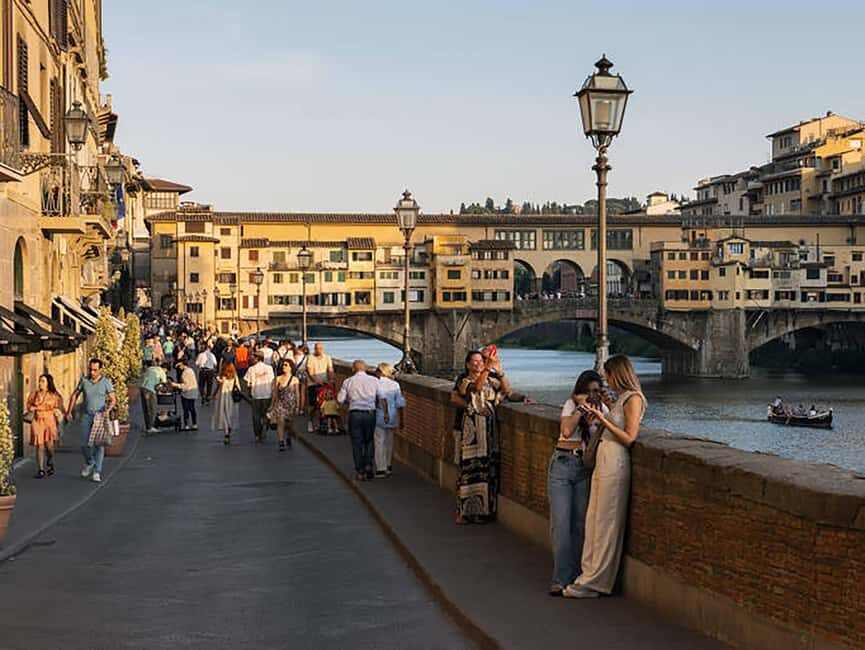
- Ponte Vecchio: a historic crossing that became the goldsmiths’ home base.
- Piazza Pitti and Boboli Gardens: a look at later Medici life and how luxury shaped the city.
- Ending at Piazza del Duomo: Brunelleschi’s dome engineering and Giotto’s bell tower in one finish line.
Where the tour begins on Via de’ Martelli
You meet at Via de’ Martelli, 33r, right at the office there. Plan on showing up a bit early so you can find the door, check in, and get grouped up without stress.
This start location puts you in the thick of central Florence, with the Medici area within easy walking distance. That matters because the tour is built around a chain of nearby landmarks, not a far-flung hop across town. You’re moving through Florence at a pace designed for seeing key sights within roughly 1.5 hours.
Also pay attention to the fact that the route order can vary at the guide’s discretion. That’s normal for walking tours in a city where crowds and practical access can change. If you’re trying to make another appointment right after, give yourself a little buffer.
And one more small-but-real tip: they ask you to leave a WhatsApp number so support can contact you after booking. In a day where plans can change, that can save you from a last-minute scramble.
You can also read our reviews of more walking tours in Florence
Medici power at Piazza San Lorenzo: Palazzo Medici Riccardi + the Medici Chapels
Your tour kicks off in the Medici District, where power was expressed through architecture, art, and patronage. One of the core stops is Palazzo Medici Riccardi, the Medici family’s historic home base. Standing in front of it helps you grasp why the Medici mattered: they weren’t just rich. They were influential enough to shape what got built and what got funded.
Then you head to Piazza San Lorenzo, home to the Medici Chapels. This is where the story shifts from political influence to art that you can actually stand beside. The tour is designed so the guide connects the chapels’ Renaissance masterpieces to the dynasty behind them, which makes the artwork feel purposeful instead of decorative.
The value here is in the contrast. You’re not just sightseeing; you’re learning what the Medici were doing with their money and status. You’ll come away with a clearer sense of how patronage turned Florence into a stage for Renaissance ideas—and how those ideas still show up in the city layout today.
If you like your history with specifics—names, places, and why they’re connected—this part is likely the highlight for you.
Piazza della Repubblica: from Roman roots to modern street life
Next up is Piazza della Repubblica. The tour frames it as a place where Florence’s past layers show through. This square was once part of the city’s Roman setting, and the guide points out how that older foundation still echoes in the space.
What makes this stop useful on a walking tour is the way it anchors the Renaissance narrative in the older city structure underneath. Florence didn’t restart from scratch in the 1400s. The guide helps you understand how the Renaissance rose on top of earlier Florence, with modern cafés and shops now occupying the daily rhythm of the square.
This is also a nice breather moment. You’re outside and moving, but the square gives you room to pause, reset, and let the guide’s connections land. It’s the kind of stop that helps you stop thinking of Florence as a collection of separate monuments and start seeing it as one continuous city story.
Piazza della Signoria and Palazzo Vecchio: power, statues, and political drama
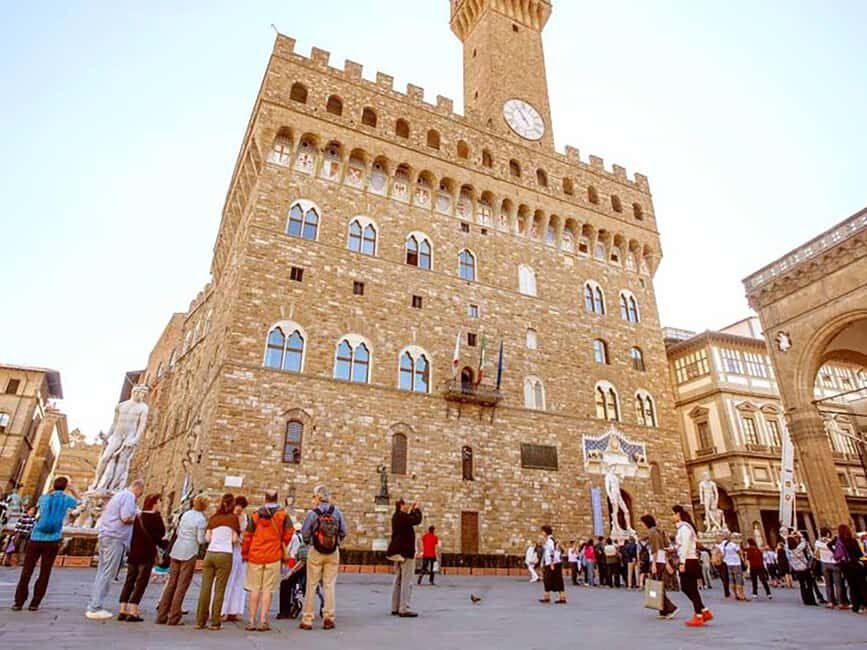
After the Repubblica stop, the walk heads toward Piazza della Signoria, where Palazzo Vecchio dominates the scene. This is a great “why should I care” moment. Palazzo Vecchio isn’t just a pretty façade; the guide uses it to explain Florence’s political muscle and cultural influence.
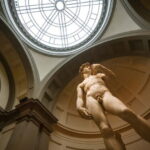
In Piazza della Signoria, you also see major statues in the square, including a replica of Michelangelo’s David. Even if you’ve seen David in images before, seeing it placed in this public political space changes the feeling. It’s no longer a museum artifact. It becomes part of how the city displayed strength and identity.
The guide’s storytelling here tends to focus on conflict and turning points—how pivotal events shaped Florence’s direction. That tone is what makes this segment more than a photo stop. You end up with a mental timeline, so later sights like Ponte Vecchio and the Duomo feel less random.
One consideration: this area can be busy, and you’ll be standing and moving through crowds. The experience is still worth it, but if you hate tight, packed spaces, keep that in mind.
Ponte Vecchio over the Arno: the goldsmith bridge story
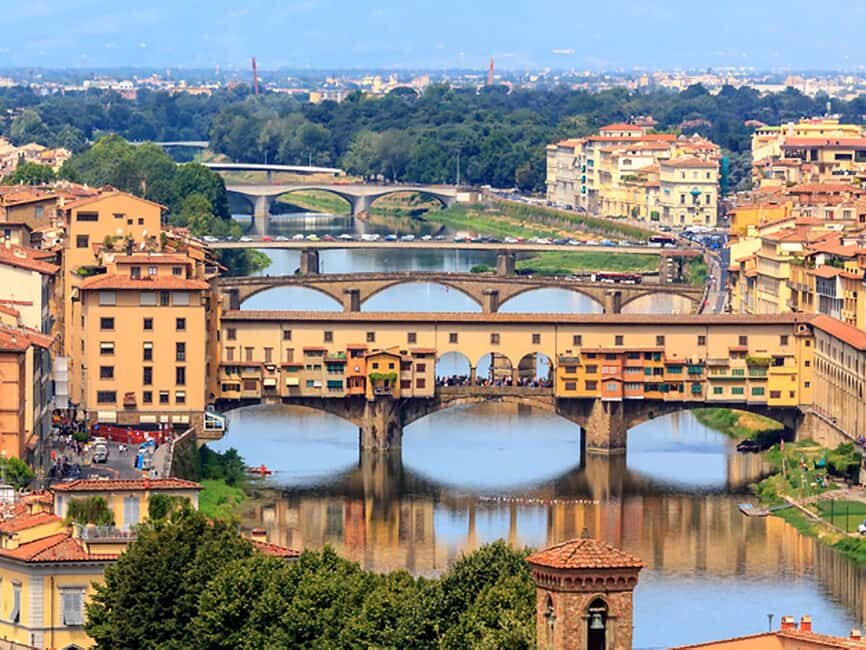
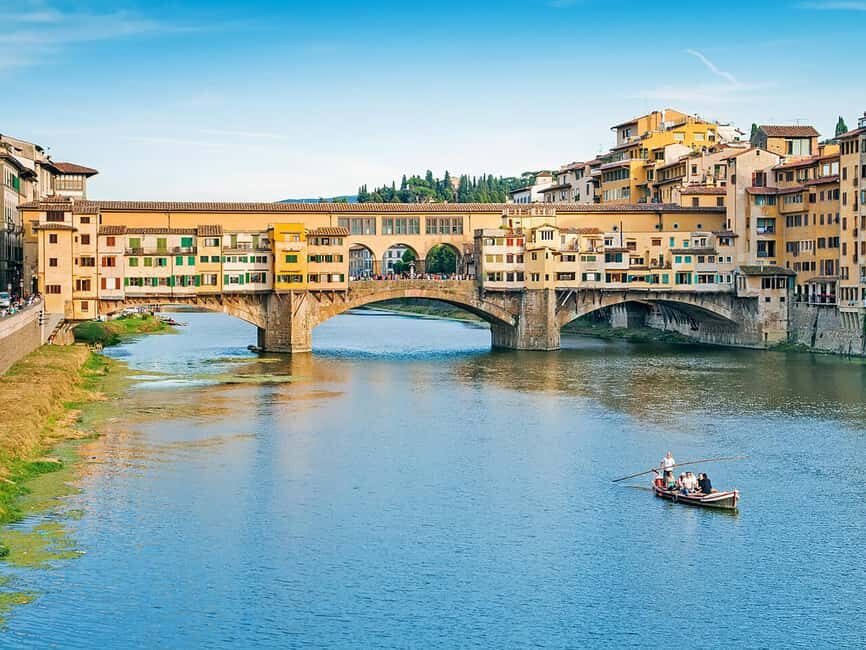
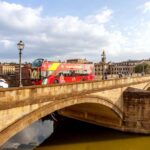
Then comes Ponte Vecchio, the iconic bridge over the Arno. The tour explains why it’s special beyond the view: the bridge evolved from a basic crossing into a famous hub for goldsmiths and merchants.
That transformation matters because it shows how trade and status shaped the city’s physical landscape. It’s easy to think of Ponte Vecchio as just scenery. But the guide’s version is more human. You learn how a working bridge became a place people associate with luxury, craftsmanship, and economic power.
Expect to spend time here listening and looking—taking in the structure, the river setting, and the way the bridge has become one of Florence’s most recognizable silhouettes. This is also a stop where your brain starts connecting earlier lessons. Medici patronage isn’t an isolated chapter anymore. Florence’s elite lifestyles, commerce, and public art all tie together.
If you’re the type who likes to understand how places function, this is a strong pick.
You can also read our reviews of more guided tours in Florence
Piazza Pitti and the Medici lifestyle shift: Palazzo Pitti + Boboli Gardens
The tour then moves to Piazza Pitti, where you get a taste of later Medici power. Here, the spotlight is on Palazzo Pitti, described as the residence of the Grand Dukes of Tuscany, and the connection to what the Medici later became as rulers.
The guide also points you toward the Boboli Gardens as part of what you can understand from this area: the contrast between artistic patronage and lived luxury. Even if you’re only getting a look from the perspective of the square and nearby viewpoints, the point is clear. These weren’t simple homes. They were statements of control, taste, and comfort.
This segment is especially helpful if you’ve been thinking about Florence mainly through religious and civic sites. Palazzo Pitti adds a different angle: ruling households and the private side of power. It rounds out the tour’s arc.
One small consideration: this is a “glimpse” type stop based on what’s described, not a full day in the gardens. If you want to spend hours wandering, you’ll likely add that later on your own. But as part of a tight 90-minute route, it does its job.
Ending at Piazza del Duomo: Brunelleschi’s dome and Giotto’s bell tower
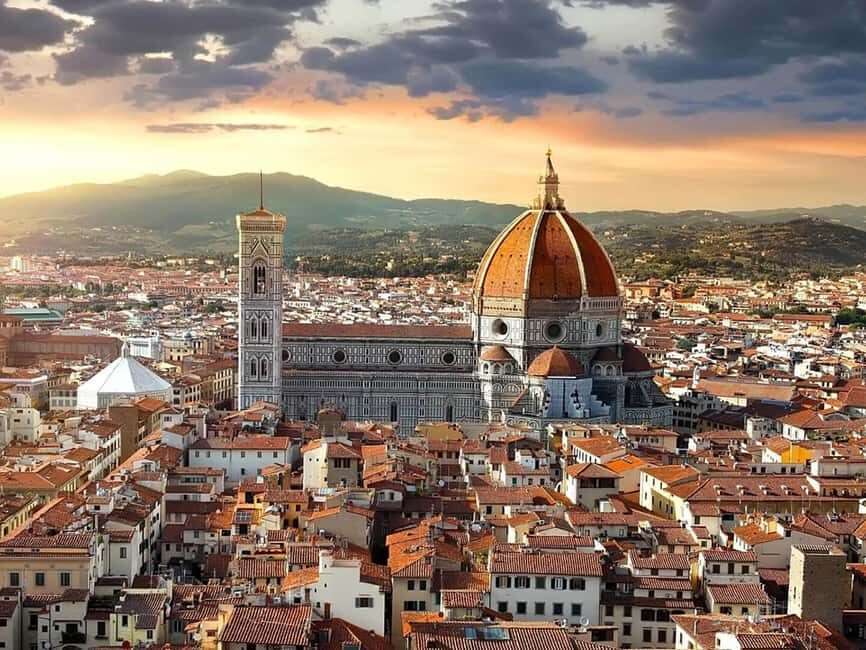
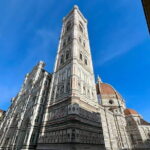
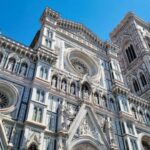
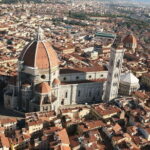
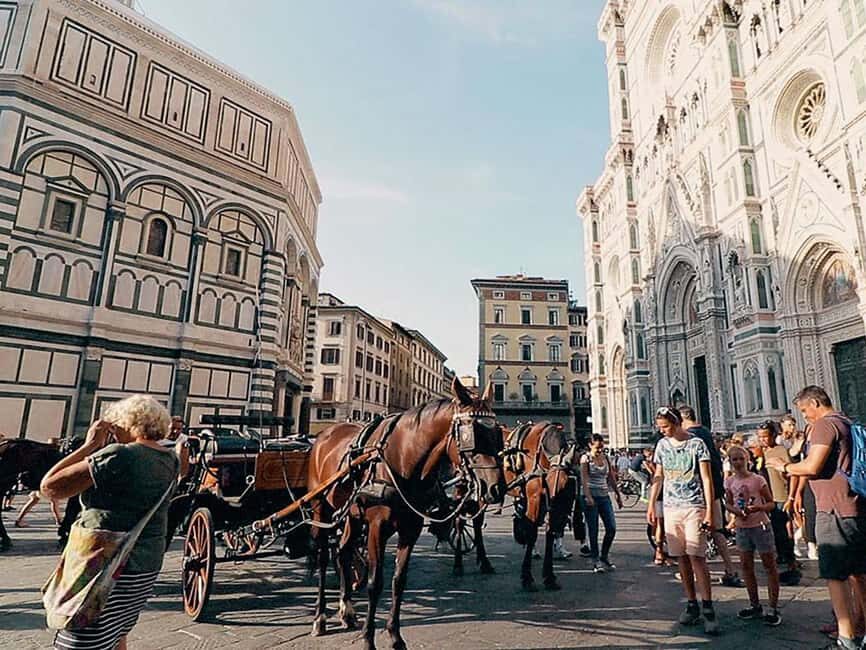
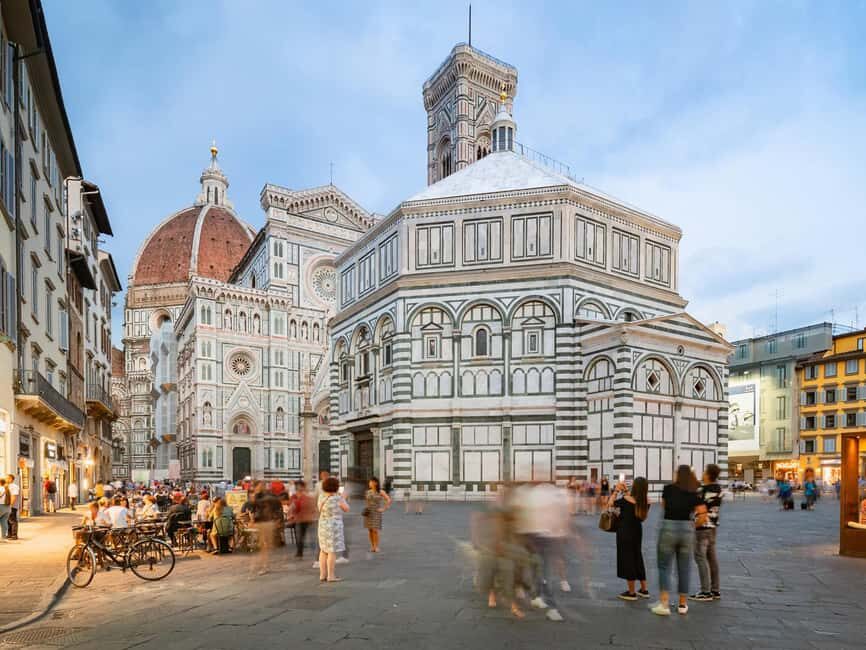
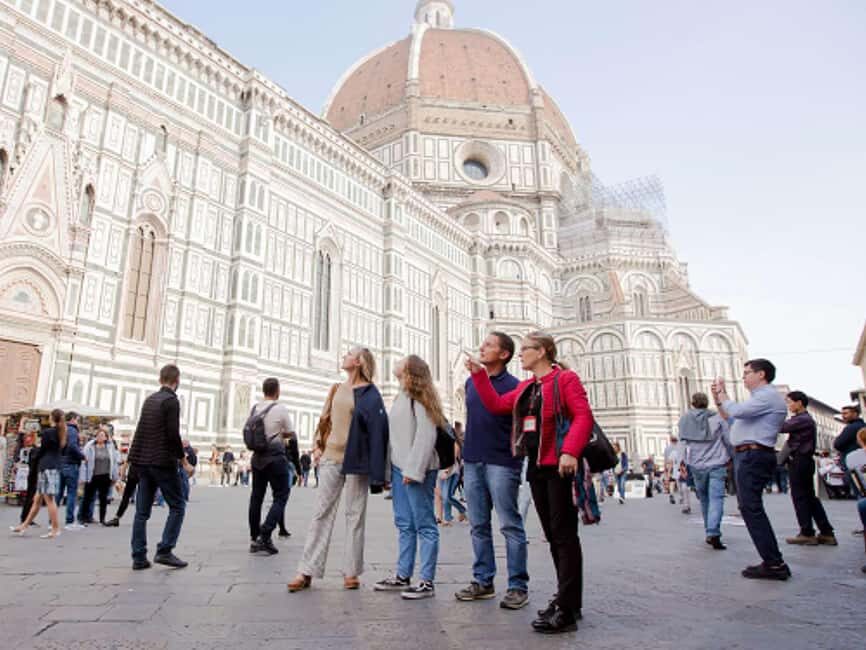
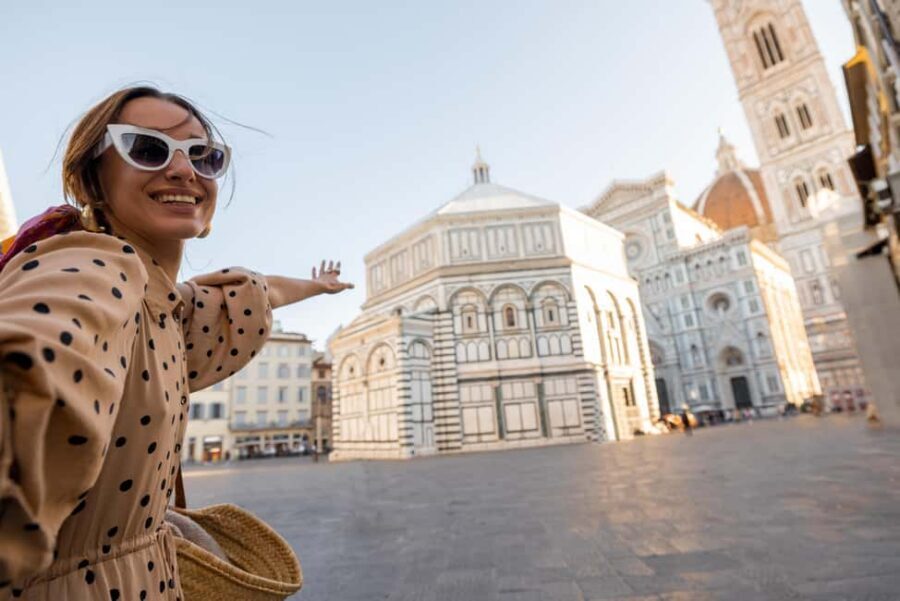
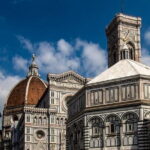
The tour’s finish is Piazza del Duomo, one of the most awe-causing parts of Florence. The guide highlights Florence Cathedral, with special focus on Brunelleschi’s Dome and Giotto’s Bell Tower.
This is where you learn to see the engineering and design logic behind the beauty. The tour explains intricate details—starting from the façade and then moving to what makes the dome innovative. Even without being inside every space, the external view plus the guide’s explanation helps you understand why the Duomo belongs in the Renaissance story.
If you’re visiting Florence for the first time, this ending feels smart. You’re not walking away right after the main monument appears. Instead, you reach it after learning about Medici patronage and civic power. That order makes the Duomo land harder, because you understand what kinds of ambition and resources built things like this.
After your Duomo segment, you return to Via de’ Martelli, 33r to wrap up.
Pacing, languages, and who this tour is for
This walk is scheduled for about 1.5 hours and can vary between 90 minutes and 2 hours. That range matters because Florence mornings and afternoons can affect how quickly you can pass through squares and crowds. If you have a tight schedule, build in some slack.
You’ll have a live guide available in multiple languages: Spanish, German, French, English, and Portuguese. That’s a big plus if you don’t want to rely on a phone or audio app. It also means the guide can answer quick questions in your language, which helps the landmarks connect in your head.
The itinerary stops are classic Florence highlights: Palazzo Medici Riccardi, Medici Chapels, Piazza della Repubblica, Piazza della Signoria, Palazzo Vecchio, Ponte Vecchio, Piazza Pitti, and the Duomo area. In other words, it’s built for people who want a single guided route rather than picking through monuments one by one.
Who it fits best:
- First-time visitors who want key stops in one go
- People who like learning the why behind the big names (Medici, Michelangelo, Renaissance architecture)
- Anyone who wants a guided walk without committing to a full day
Who might want to skip or adjust plans:
- Wheelchair users, since the tour is not suitable for that
- Anyone who can’t handle about 90 minutes outdoors and on foot
Should you book this Florence walking tour?
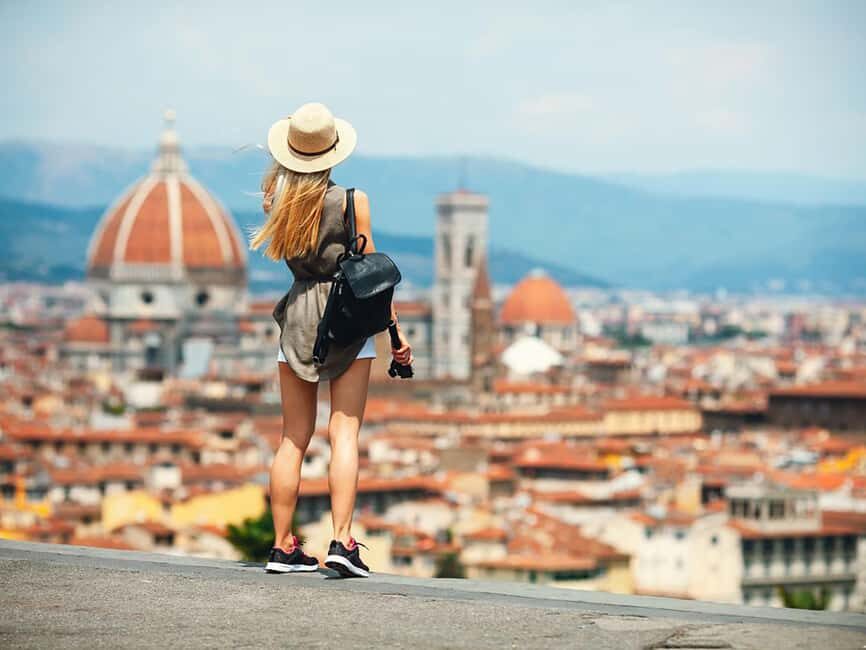
I’d book it if you want an efficient, guide-led route that ties together Medici influence, political power, commerce, and Renaissance architecture. The Duomo ending alone is worth planning around, but the real value is how the earlier stops explain context—so you see the city as connected, not random postcards.
Skip it or look for another option if mobility is limited for you, since it’s not set up for wheelchairs and the experience is built around walking between landmarks. Also consider timing: the tour order can change, and they note that same-day timing can shift due to reasons beyond their control, including moving you to the first available slot later. If your schedule is super tight, plan for a more comfortable window.
If you get a good guide, this is the kind of tour that makes Florence stick in your memory for the right reasons—names, stories, and architectural choices you can actually picture later.
FAQ
FAQ
Where do I meet for the Florence walking tour?
Meet at the office on Via Martelli 33R. The instructions say to enter the office there.
How long is the tour?
It’s listed as 1.5 hours, and it can vary between 90 minutes and 2 hours.
What are the main places this tour includes?
You’ll cover the Medici area (Palazzo Medici Riccardi and the Medici Chapels), Piazza della Repubblica, Piazza della Signoria and Palazzo Vecchio, Ponte Vecchio, Piazza Pitti, and the Duomo area at Piazza del Duomo.
What languages are available for the live guide?
The live guide is available in Spanish, German, French, English, and Portuguese.
Do I need to bring anything?
Bring a passport or ID card.
Is the tour wheelchair accessible?
No. This tour is listed as not suitable for wheelchair users.
Does the order of the stops always stay the same?
Not always. The order of the itinerary may vary at the guide’s discretion.

More Walking Tours in Florence

More Tours in Florence


More Tour Reviews in Florence
- Tuscany Day Trip from Florence: Siena, San Gimignano, Pisa and Lunch at a Winery
★ 5.0 · 21,634 reviews - The Best tour in Florence: Renaissance & Medici Tales – guided by a STORYTELLER
★ 5.0 · 12,316 reviews