REVIEW · FLORENCE
Florence: Accademia, Uffizi, and City Center Walking Tour
Book on GetYourGuide →Operated by Keys of Italy · Bookable on GetYourGuide
Florence looks different before the crowds. This small-group tour strings together early Uffizi entry with a guided walk through the city center, then finishes at the Accademia Gallery for Michelangelo’s David. You’ll move between major stops with an actual guide narrating what you’re seeing, not just handing you a map.
I really like the way this plan protects your time. You get fast-track admission, and then you also get focused viewing of the big names—Botticelli, Leonardo da Vinci, and the David—without turning your afternoon into a museum slog.
One thing to think about: the schedule is tight. In 3.5 to 4 hours, you’ll cover a lot, so if you love to linger in one museum for a long while, you may feel a bit rushed.
In This Review
- Key Things That Make This Tour Work
- Uffizi at First Light: Fast-Track Entry You Actually Feel
- The Florence Center Walk: Stories Between Masterpieces
- Accademia Gallery After the Walk: David, a 1690 Stradivarius, and Piano History
- How the Guide Shapes What You See (Without Overloading You)
- Pacing, Comfort, and Small-Group Reality in 3.5 to 4 Hours
- Who This Tour Is Best For
- Should You Book the Florence Accademia, Uffizi, and City Center Walking Tour?
- FAQ
- Where does the tour start?
- How long is the tour?
- Does this tour include fast-track or skip-the-line entry?
- Which languages are available for the live guide?
- What will I see at Uffizi and Accademia?
- Is the tour a small group?
- What should I bring, and what’s not allowed?
- What happens on the first Sunday of the month?
- Is there flexible booking and cancellation?
Key Things That Make This Tour Work
- Early Uffizi access saves you from the worst of the line-and-wait feeling.
- Skip-the-ticket-line fast-track gets you moving fast once you arrive at the museums.
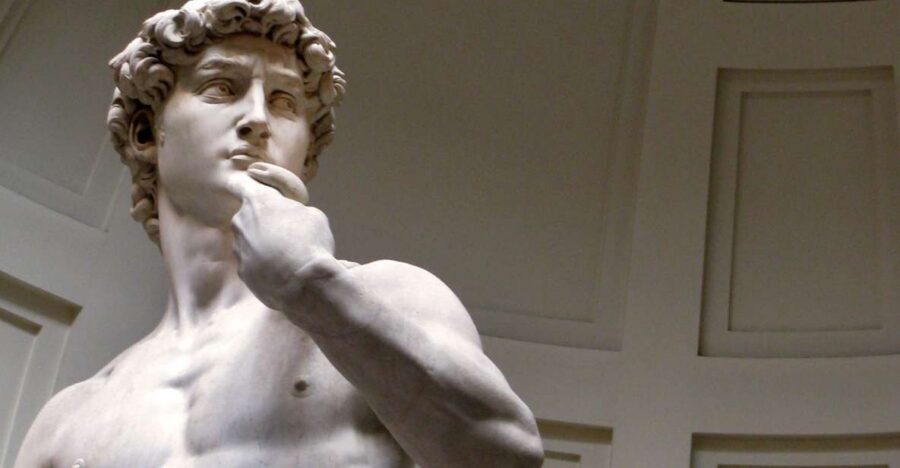
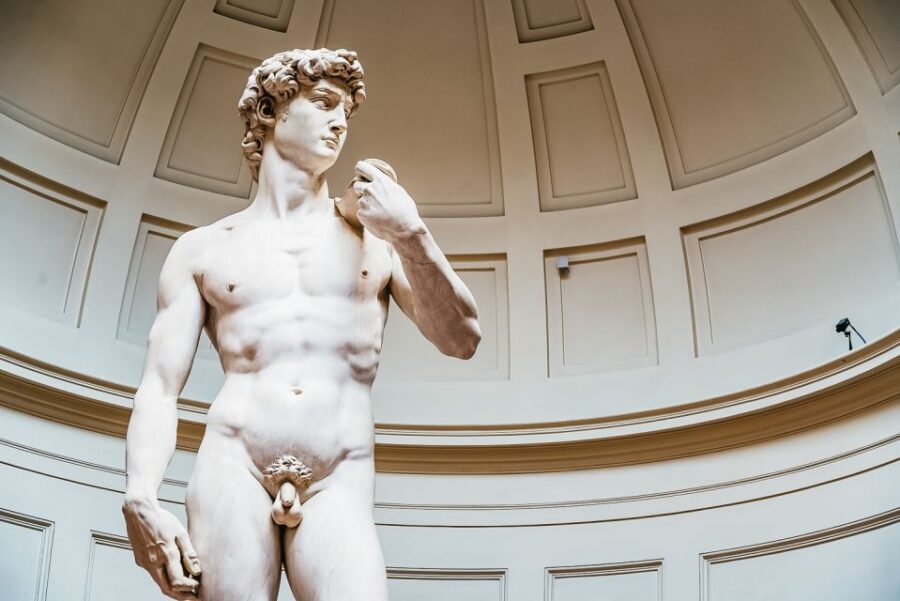
- Michelangelo’s David plus Uffizi giants gives you both the emotional wow and the Renaissance context.
- Accademia highlights beyond David include a Stradivarius (1690) and the first modern piano, invented in Florence.
- A city-center walking tour between museums turns the time between stops into part of the experience, not dead time.
Uffizi at First Light: Fast-Track Entry You Actually Feel
The Uffizi can be a patience test. This tour tackles that problem by arranging early morning access and pairing it with fast-track entry. In plain terms: you spend less time waiting, and you spend more time looking closely at art that’s famous for a reason.
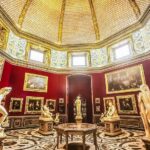
What I like here is that the Uffizi portion isn’t treated like a checklist. You get a guided walk through the galleries that helps you connect the dots: who painted what, why it mattered in Florence, and how Renaissance art thinkers built on earlier ideas. You’ll see major works by Botticelli, Michelangelo’s world (in spirit, even when David is at Accademia), and masterpieces by Leonardo da Vinci.
Practical note: the early timing matters most if you’re the type who hates arriving late and then playing catch-up. If you want the Uffizi at its most calm and coherent, start your day here and let the guide handle the flow.
You can also read our reviews of more walking tours in Florence

The Florence Center Walk: Stories Between Masterpieces
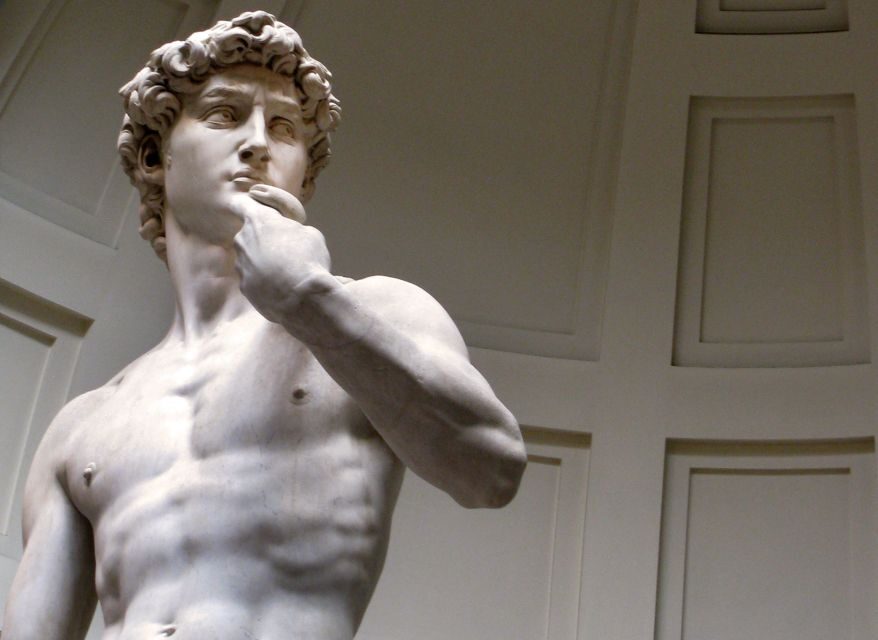
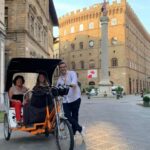
Between the Uffizi and the Accademia, you’re not just moving from point A to point B. The guided city walk adds context—and a little entertainment—so the art you saw doesn’t float in a vacuum.
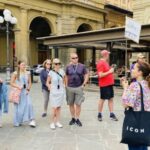
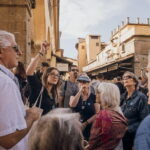
Your guide points out main sights along the route and shares entertaining stories about Florentine history. This is the kind of talk that helps you understand Florence as a place, not just a museum brand. You’ll also get little interpretive cues as you walk, which can change how you read the next gallery.
A key detail: the guide isn’t only narrating. They’re shaping your pace. In a short half-day, that matters. It’s the difference between seeing a room full of masterpieces and actually understanding why those masterpieces belong together.
If you’re visiting for the first time, this city-walk segment is also a smart way to get your bearings fast. You see the museum landmarks and the connecting streets in a single block, then you carry that mental map into the rest of your Florence day.
Accademia Gallery After the Walk: David, a 1690 Stradivarius, and Piano History
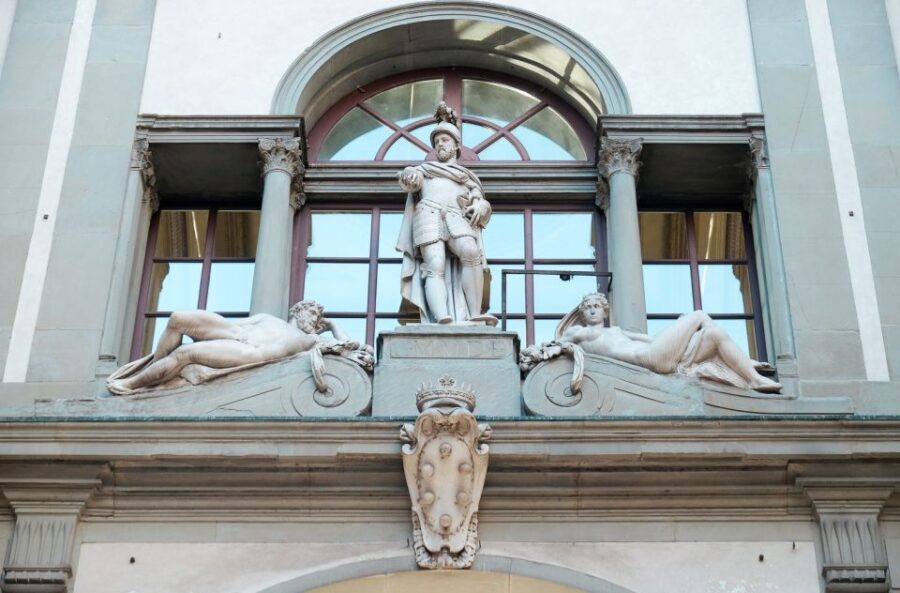
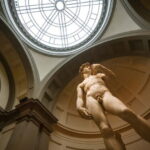
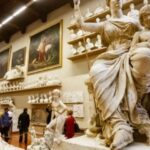
Accademia is where the Florence feelings kick in. Michelangelo’s David is the headline, and the guide’s job is to help you look at it as more than a photo op.
You’ll get a guided visit that zeroes in on the most important works, then you’re given additional free time in the Accademia after the guided portion. That “guided first, then breathe” format is a big deal. It means you get the right context up front, and then you can linger where your eyes keep returning.
And Accademia isn’t only David. With your entrance tickets, you’ll also be able to experience other notable collections, including:
- An original Stradivarius from 1690
- The first modern piano, invented in Florence
Even if you’re not a music-history person, those items add a fun left turn. They remind you that Florence’s talent wasn’t limited to paintings and sculpture. It also helps your brain stay fresh in a tour that already covers a lot of visual impact.
One more practical advantage: the tour includes guided time plus the option to stay longer at Accademia. If you want extra minutes to revisit David without rushing, you can usually manage that better here than in a tightly timed museum-only day.
How the Guide Shapes What You See (Without Overloading You)
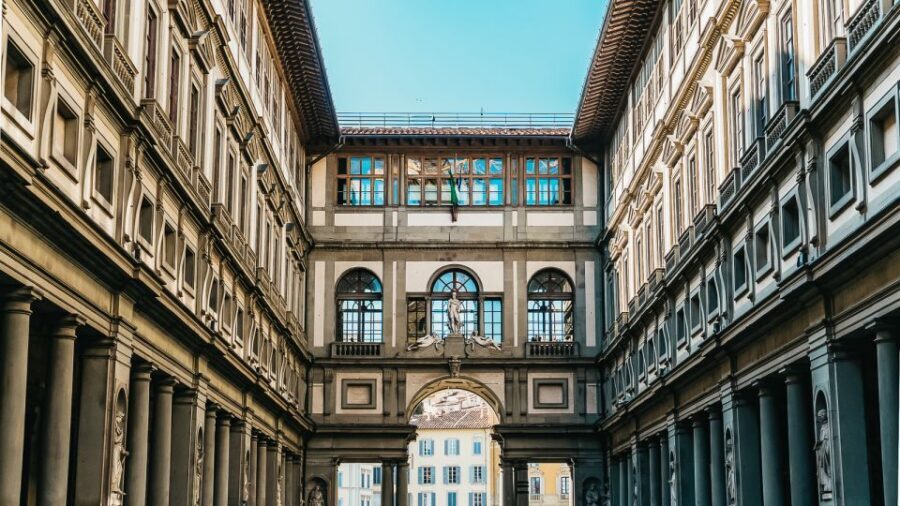
The biggest reason this tour earns high marks is the guide’s role in making dense content digestible. I like tours where the guide doesn’t try to teach you every fact on Earth. Instead, they focus on the works that do the heavy lifting.
From the guides’ names that show up in past bookings—Giana, Christiano, Alessandra, and Martina—you can expect an approach that’s built around passion for art and clear explanations. What you’ll benefit from is a steady narrative thread:
- Uffizi sets the Renaissance stage
- The walk connects Florence streets to the art you’re seeing
- Accademia brings the emotional climax with David and adds unexpected cultural artifacts
There’s also a practical pacing advantage. Several guests praised tours for not spending too long on everything. That’s key. In a 3.5 to 4 hour window, the only way to feel satisfied is to keep the focus on the right highlights.
A small heads-up for your planning: if you’re the kind of person who wants a lot of time just drifting in the Uffizi, this combo can still feel “packed.” There’s a strong case for doing them separately if you want deep, slow viewing with extra free time in one museum. But if your goal is to see the main masterpieces efficiently, the combined structure makes sense.
Pacing, Comfort, and Small-Group Reality in 3.5 to 4 Hours
This tour runs about 3.5 to 4 hours. That’s not a full day, and it’s not a quick drive-by either. It’s a focused morning-to-midday plan that’s designed to fit a realistic schedule.
Because it’s a small group, you usually get a better experience than you’d expect from a big bus herd. You can hear the guide better, and the guide can adjust pacing if the group is slower or needs a quick reset.
Comfort matters here. You’ll be walking between galleries, and you’ll be standing in museums. Bring comfortable shoes. That sounds basic, but in Florence, basic becomes the difference between enjoying the art and thinking about your feet.
Also note what’s not allowed: no pets, no smoking, and no luggage or large bags. If you’re traveling with big bags, you’ll want to plan storage ahead of time so you don’t waste energy at the entrance.
If you’re concerned about mobility, it’s worth knowing that one guest reported the guide arranging a wheelchair for a guest who had walking trouble. Still, don’t treat this as guaranteed for everyone—ask before you go if you need specific help.
You can also read our reviews of more city tours in Florence



Who This Tour Is Best For
This is a strong choice if you fit one of these profiles:
- First-time Florence visitors who want the “big three” experience: major Renaissance art plus a feel for the city’s center
- Art lovers who want efficiency without losing the guided context
- People who hate lines and want early access and fast-track entry
- Travelers who enjoy stories as much as they enjoy paintings
It’s also ideal if you want a clean half-day structure. You’ll know exactly what you’re doing and when, and you’ll come away with a stronger sense of how Florence connected art, power, and everyday life.
If you’re the ultra-slow museum type who likes to spend an hour in one room, you may want to consider doing Uffizi and Accademia on separate days. You can still love this tour, but you might love it more when you give one museum room to breathe.
Should You Book the Florence Accademia, Uffizi, and City Center Walking Tour?
If your goal is to maximize Florence in a short window, I’d book it. The combination is efficient in a way that actually matters: early morning Uffizi access, skip-the-line fast-track entry, and a guide who connects what you see to Florentine stories. Add Accademia’s David—and the extra surprises like the Stradivarius (1690) and the first modern piano—and you get more than a typical “museum hit list.”
Skip this tour only if you know you need a long, quiet deep-dive in one museum. In that case, split the museums up so you can linger without pressure. Otherwise, this half-day format is one of the most practical ways to feel like you did Florence, not just visited it.
FAQ
Where does the tour start?
The meeting point may vary depending on the option booked. You’ll have coordinates provided to help locate it.
How long is the tour?
Plan on about 3.5 to 4 hours total.
Does this tour include fast-track or skip-the-line entry?
Yes. You’ll have entrance tickets with faster access than regular visitors, and you skip the ticket line.
Which languages are available for the live guide?
The live tour guide is available in English and Italian.
What will I see at Uffizi and Accademia?
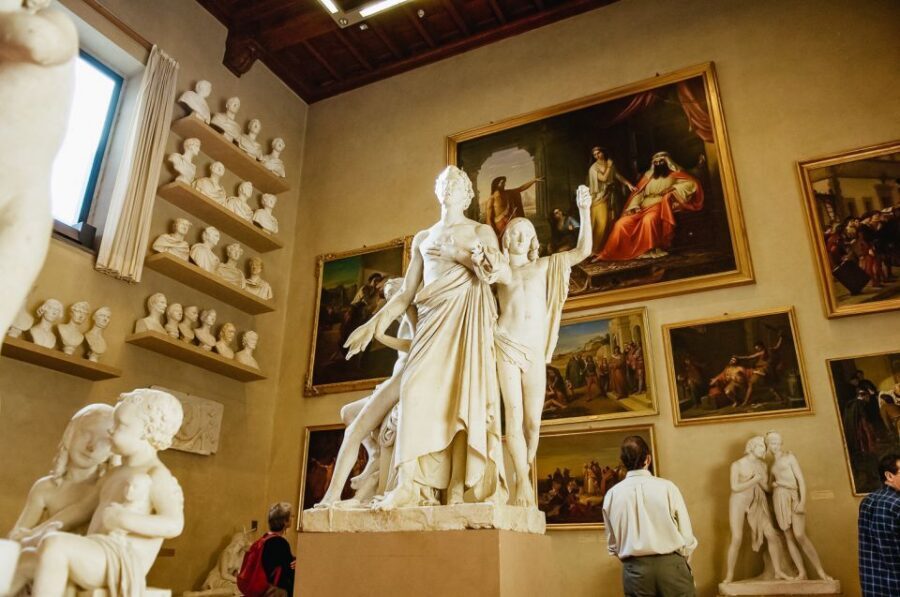
You’ll visit the Uffizi and see major Renaissance works, and then you’ll go to the Accademia to see highlights including Michelangelo’s David. The Accademia experience also includes a Stradivarius from 1690 and the first modern piano, invented in Florence.
Is the tour a small group?
Yes. Small group options are available.
What should I bring, and what’s not allowed?
Bring a passport or ID card and wear comfortable shoes. Pets, smoking, and luggage or large bags aren’t allowed.
What happens on the first Sunday of the month?
Entrance is free on the first Sunday of each month, but tickets can’t be reserved ahead of time, so entry is not guaranteed.
Is there flexible booking and cancellation?
You can cancel up to 24 hours in advance for a full refund, and you can reserve and pay later to keep plans flexible.


More Walking Tours in Florence

More Tours in Florence




More Tour Reviews in Florence
- Tuscany Day Trip from Florence: Siena, San Gimignano, Pisa and Lunch at a Winery
★ 5.0 · 21,634 reviews - The Best tour in Florence: Renaissance & Medici Tales – guided by a STORYTELLER
★ 5.0 · 12,316 reviews