REVIEW · FLORENCE
Florence: Food Tour with Wine and Gelato
Book on GetYourGuide →Operated by Local Guides Tour · Bookable on GetYourGuide
Florence tastes best when you follow the food trail. This 2-hour walk links big sights from Piazza Santa Croce to Ponte Vecchio with three tasting stops built around classic Florentine bites. I like that the stories feel tied to the street, not just the monuments, and guides such as Vanessa and Enrico are known for keeping the pace fun while explaining what you’re seeing. I also like the way the tour treats wine as part of the meal, with locally produced bottles such as Chianti and Brunello di Montalcino.
The main thing to plan for is the walking: you’ll cover about 1.25 miles (2 km) with photo stops, so comfortable shoes matter. Also note there’s no children’s menu, so if you’re traveling with kids, this may not match what you need.
In This Review
- Key Things I’d Prioritize on This Tour
- Starting on Via di S. Giuseppe: How the Tour Sets the Tone
- Santa Croce and Piazza della Signoria: Photos, Legends, and Practical Orientation
- The First Real Food Stop: Ribollita-Style Comfort and Local Rhythm
- The Local Bakery Stop: What Sweet Notes Add to the Meal
- Mercato del Porcellino and Ponte Vecchio: A Walking Loop That Makes Sense
- Oltrarno: The Neighborhood Shift That Changes the Feel
- The Final Stop at a Local Bar: Wine Completes the Story
- What You’re Really Tasting: Ribollita, Lampredotto, Cheeses, Cold Cuts
- Guide Energy Matters: Vanessa, Enrico, Giovanni, and the Host Feel
- Who This Tour Fits Best (And Who Might Skip It)
- Price and Value: What $100 Buys in Florence
- Should You Book This Florence Food Tour?
- FAQ
- How long is the Florence food tour?
- What foods are included in the tastings?
- Is wine included?
- How much walking is involved?
- Are vegetarian options available?
- What languages are the tour guide available in?
- Where does the tour start?
Key Things I’d Prioritize on This Tour
- 3 tasting stops with classic Florentine options like ribollita and lampredotto
- Wine included with Chianti and Brunello di Montalcino as the highlight flavors
- Landmark photo pauses at places like Piazza della Signoria and Ponte Vecchio
- Oltrarno street atmosphere to see a more local side of Florence
- Vegetarian menu available on request if you plan ahead
Starting on Via di S. Giuseppe: How the Tour Sets the Tone
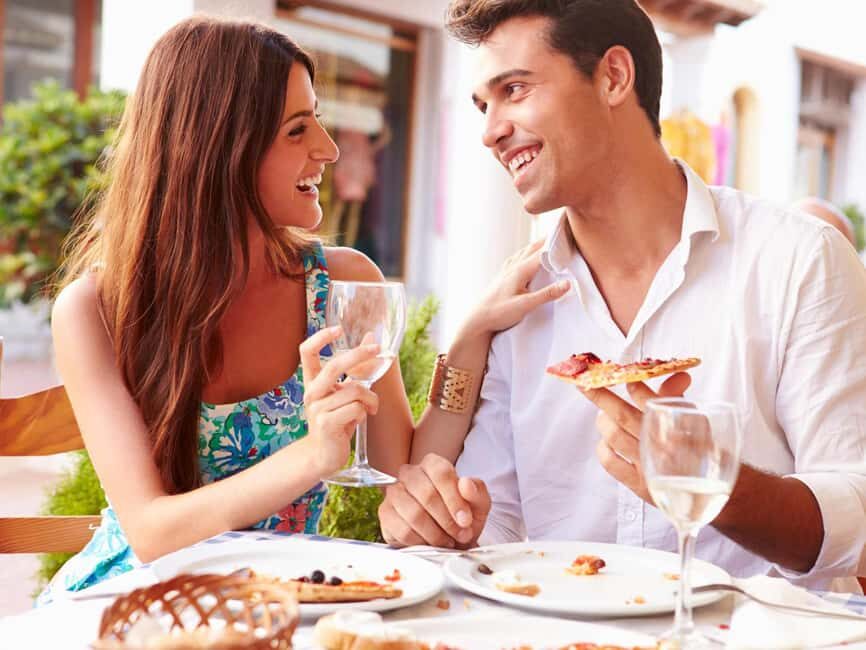
You begin at Via di S. Giuseppe, 4R, and from the first minutes you’ll get a “walk-and-learn” flow that fits Florence well. The route is built to mix squares, riverside scenes, and neighborhood streets, so your brain gets both the big-picture landmarks and the human-scale details: shopfronts, local rhythms, and the kinds of places where people actually stop for lunch.
A food tour can go two ways: either it becomes a checklist of bites, or it becomes a story you can taste. This one leans toward the story side. You’ll be guided through the historic neighborhoods while listening to tales about monuments and squares, plus quick context for what you’re looking at as you move. That matters because Florence’s “pretty” is more than postcard stuff. The city has a logic to it, and a good guide helps you see that logic fast.
One small but useful benefit: the tour is only 2 hours, which is enough time to get a satisfying set of tastings without turning your day into an endurance event. Since there’s walking involved (about 1.25 miles / 2 km), the timing keeps you from feeling like you’re stuck out “just for sightseeing.”
You can also read our reviews of more food & drink experiences in Florence
- San Gimignano, Siena, Monteriggioni, Chianti Day Trip with Lunch & Wine Tasting
★ 4.5 · 4,432 reviews
Santa Croce and Piazza della Signoria: Photos, Legends, and Practical Orientation
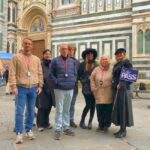
Your route includes a stop at Piazza di Santa Croce, with time for a photo stop and a guided look around. This is the kind of plaza where you can stand still for a second, take in the buildings, and then immediately connect the dots to Florence’s cultural identity. If you like seeing cities with your eyes first and your facts second, this is a good entry point. You’ll get the guided narration while you’re still fresh, so you remember what matters.
Then you move to Piazza della Signoria for another guided photo stop. This square is one of those places where it’s easy to think you’ve “seen it” in a photo—but harder to understand its role in the city without context. That’s where the guide’s job becomes clear. You’re not just snapping pictures; you’re learning what the space meant and why the setting is the way it is.
Practical tip for you: bring a camera or phone strap you actually trust. You’ll stop, reposition, and take photos while the group stays moving, so you want to avoid fumbling when the light is good.
The First Real Food Stop: Ribollita-Style Comfort and Local Rhythm
At the first local restaurant stop, you’ll get tastings that aim straight for Florentine comfort food. The tour specifically highlights ribollita, plus other items such as cheeses and traditional cold cuts across the tasting stops.
Ribollita is the sort of dish that teaches you something about Tuscany without needing a lecture. It’s a hearty, vegetable-and-bread kind of soup, the kind of food that makes sense in a city where meals used to be practical, filling, and repeatable. When you taste it in the middle of a walking tour, you also feel what Florence was built for: people still eat well here, and restaurants still know how to serve food that fits the pace of daily life.
What I like for you: you’re not just tasting a single “famous item.” The tastings are structured across multiple stops, so you get variety: warm, savory, and portioned in a way that won’t wreck your appetite for the wine later.
Potential drawback to watch for: if you’re expecting a huge sit-down meal, this isn’t that. It’s multiple tastings, meaning you get enough to understand and enjoy, but not enough to feel like you’ve fully powered a whole lunch replacement.
The Local Bakery Stop: What Sweet Notes Add to the Meal
You’ll also hit a local bakery for another food tasting. The tour doesn’t list every item you’ll get here, but the presence of a bakery stop is smart. Florence has a way of putting texture and timing into food—something crunchy, something crisp, something that resets your palate between savory bites.
If you’ve ever had a wine tasting that went heavy on one flavor, you know why this matters. A bakery stop helps you avoid palate fatigue. It also gives you a different slice of local life, because it’s not only about restaurants. You experience Florence through the places where locals grab something quick and still treat it like it counts.
Since the route includes several guided photo pauses and several tastings, I’d plan on going in with a light meal beforehand or none at all, depending on how hungry you normally are. You don’t want to “over-eat early” and then start skipping bites.
Mercato del Porcellino and Ponte Vecchio: A Walking Loop That Makes Sense
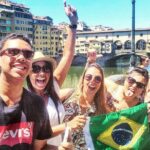
Next up are photo stops at Mercato del Porcellino and then Ponte Vecchio, with guided commentary. These are high-recognition areas in Florence, so the value here is not the name—it’s what you learn while you’re physically there.
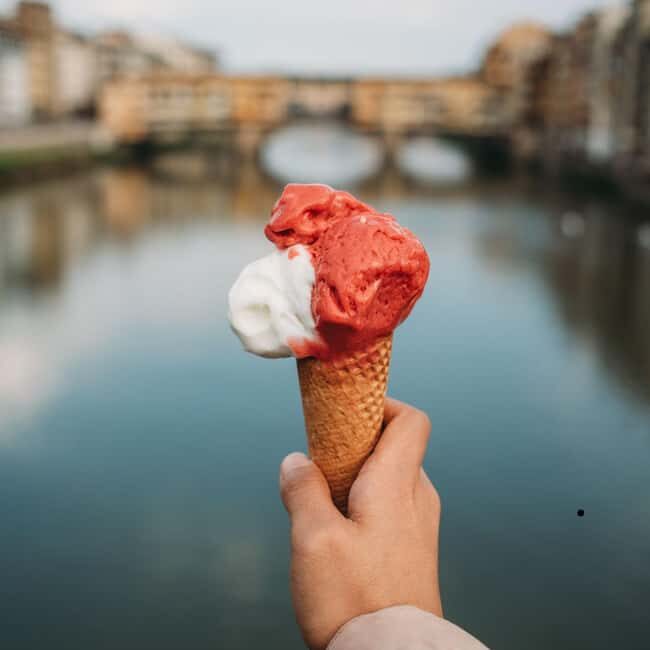
Mercato del Porcellino is the kind of place where you can see how commerce and daily life blend in a historic city. You’ll get guided context while you’re looking around, which is far more satisfying than just taking pictures and moving on. Then Ponte Vecchio brings you to the iconic river-crossing scene—famous for a reason, but best appreciated when you know what’s special about the setting and why it developed the way it did.
One tip for you: Ponte Vecchio can be crowded. Your guide will keep the group moving through the best photo angles and timing moments. If you’re traveling in peak season, bring patience along with your camera.
You can also read our reviews of more tours and experiences in Florence
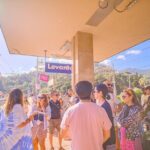
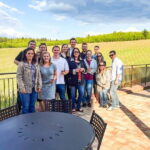

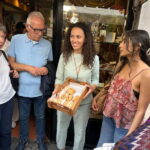
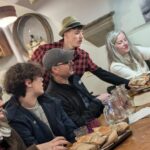
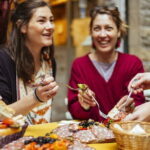
Oltrarno: The Neighborhood Shift That Changes the Feel
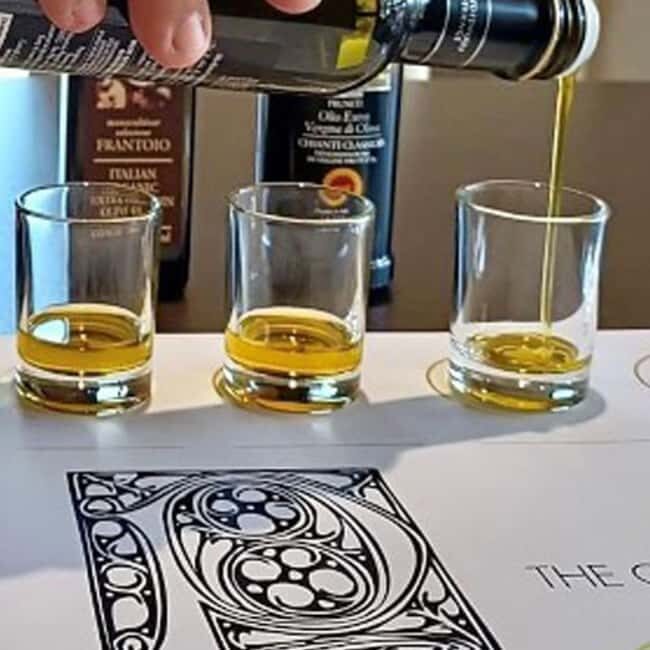
After Ponte Vecchio, the route reaches Oltrarno for another photo stop and guided walk. This is a smart pivot point. Florence often feels like museums when you stay too focused on the center. Oltrarno can feel more lived-in, more like you’re walking through a neighborhood where people actually spend time—shops, doorways, and streets that feel less like a stage and more like a routine.
This part of the tour is valuable because it breaks up the “major sights only” vibe. You still get guided storytelling, but the atmosphere is different. It’s the kind of shift that helps you remember Florence as a place, not just a list of attractions.
If you’re the type who likes to wander before dinner, this stop helps you figure out where you might want to return later on your own.
The Final Stop at a Local Bar: Wine Completes the Story
The last food tasting happens at a local bar. This is where the tour’s concept clicks: you’ve eaten multiple Florentine specialties across the walk, and now you cap it with locally produced wines such as Chianti and Brunello di Montalcino.
Wine in a food tour isn’t just a drink. It’s a pairing tool, a way to sharpen flavors and make your tastings feel connected. Chianti is a common Tuscany favorite, and Brunello di Montalcino brings a different vibe—something deeper and more structured. Even without nerd-level wine knowledge, you’ll likely notice how the taste changes when the wine is part of the food conversation instead of something you sip separately.
What I’d tell you to do: take a breath before the final tasting. By the end, you’ve done walking + photo stops + multiple savory bites. A quick reset makes it easier to enjoy the last round instead of rushing through it.
Also, if you’re trying to take notes for yourself, this is the best time. You’ll remember the flavors and the pairing choices better right at the end.
What You’re Really Tasting: Ribollita, Lampredotto, Cheeses, Cold Cuts
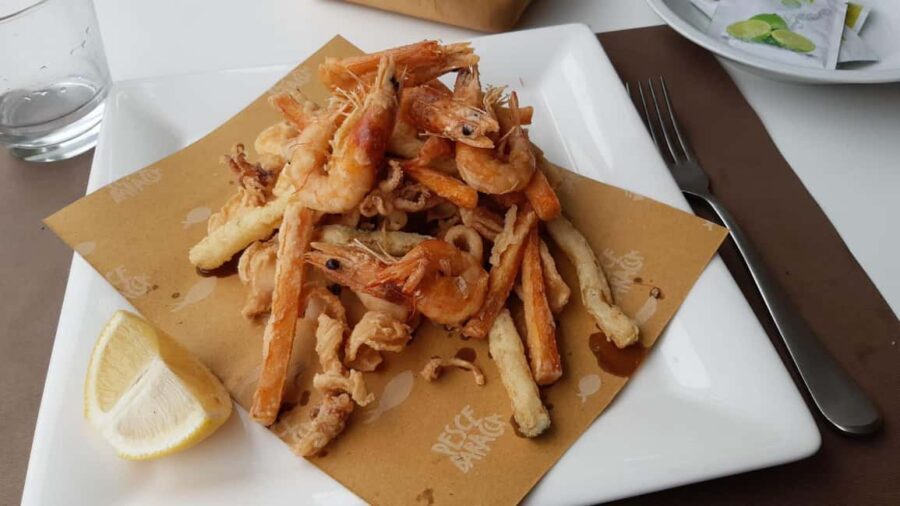
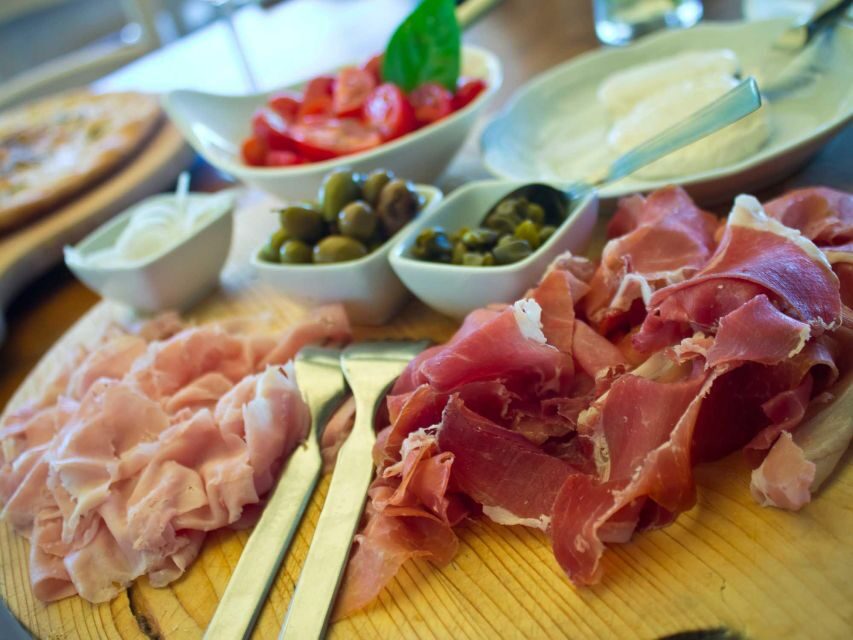
The tour’s strongest pull is the way it covers multiple Florentine “signatures,” including:
- Ribollita: hearty, bread-and-vegetable comfort that tastes like the Tuscan idea of staying fed and satisfied
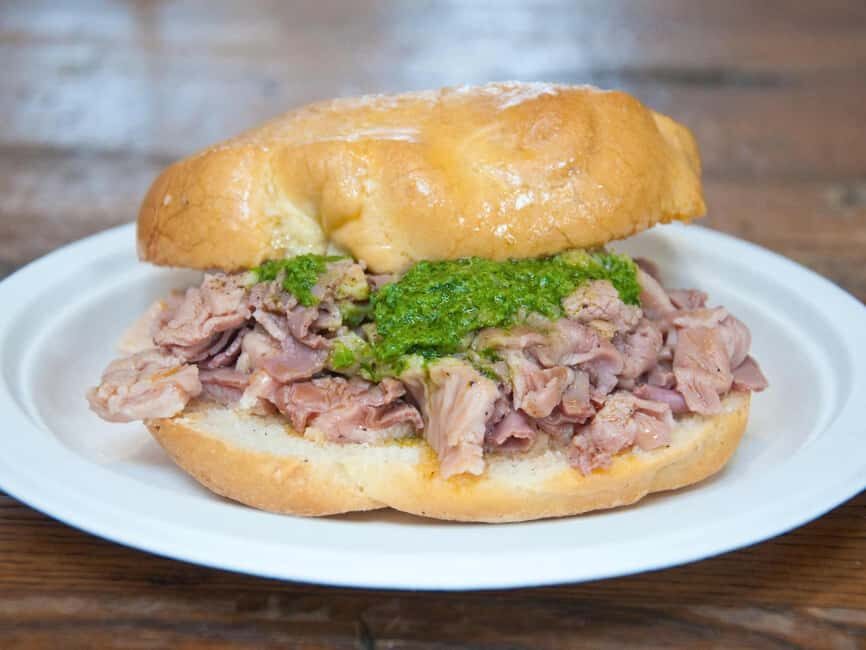
- Lampredotto: a classic Florentine street-food style dish, bold and savory, often loved when you’re willing to try something outside your usual
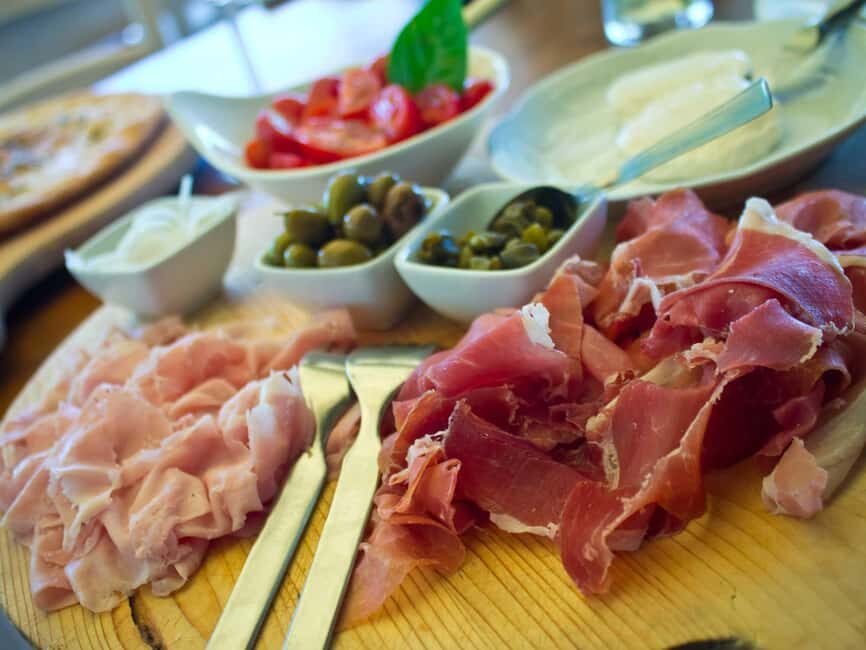
- Cheeses and traditional cold cuts: a practical bridge between hot and chilled flavors, plus a nice way to sample local cured and dairy notes
- Wine with regional names: Chianti and Brunello di Montalcino as the flagship bottles for the experience
If you like learning through taste, this lineup does the job. It’s not only one safe dish repeated in different forms. It’s a tour that nudges you toward the real “what people actually order” side of Florence cuisine.
Vegetarian eaters get an extra benefit: a vegetarian menu is available upon request. So if you want to join but you don’t eat meat, you should plan that ahead so the kitchen can prepare you properly.
Guide Energy Matters: Vanessa, Enrico, Giovanni, and the Host Feel

One of the most praised parts of this experience is the guiding itself. Names that come up include Vanessa and Enrico, and Francesco’s Italian review also highlights Giovanni and products described as chilometro zero. That word matters in Italy: it points to local sourcing, the idea of ingredients grown and produced nearby. Even if you don’t care about labels, it signals a thoughtful approach to what’s served.
The guides also seem to be strong on explanation, not just presentation. They’ll share interesting facts and stories about Florence while you walk, and you’ll have time to chat. That little social element matters a lot on food tours, because you often want to ask: why does this taste the way it does, what should I order later, and what else should I look for on my own?
I’d also call out one practical service detail from the experience: there’s mention of a guide coordinating help when someone was running late for the next tour. That kind of responsiveness is a good sign. It suggests the operation tries to keep things smooth when real life happens.
Who This Tour Fits Best (And Who Might Skip It)
This is a strong choice if you want a Florence day that mixes culture with actual eating. It’s especially good for:
- First-time visitors who want orientation and a guided route through major sights
- Food-focused travelers who like tastings over formal meals
- People who enjoy wine as part of the day, not as a separate detour
- Travelers who like a lively guide and short walking segments with story time
It might be less ideal if:
- You hate walking and don’t want to cover about 2 km in a 2-hour window
- You’re traveling with kids who need a children’s menu (none is available)
- You want a long, sit-down meal instead of three tasting stops
Price and Value: What $100 Buys in Florence
At $100 per person for a 2-hour guided walking tour with three tasting stops, the value depends on how you handle meals and drinks elsewhere in your day. If you were to buy appetizers, try multiple dishes, and then add wine on top, the costs add up fast in a city like Florence.
Here’s what you’re paying for:
- A real route with guided landmarks and photo stops
- Three structured tastings, including specific Florentine staples like ribollita and lampredotto
- Local wine featuring Chianti and Brunello di Montalcino, which often isn’t part of standard “just food” tours
So yes, it’s not a bargain-basement deal. But it’s not only a snack walk either. The structure makes it feel like a planned evening’s worth of flavor, squeezed into a manageable time block.
Should You Book This Florence Food Tour?
I’d book this if you want Florence in a way that’s more than looking. The pairing of guided landmarks with three tastings is the right mix: enough walking to feel the city, enough guidance to make the sights stick, and enough food and wine to make it worth your appetite.
I’d skip or reconsider if walking 2 km feels like a deal-breaker, or if you need kid-friendly menu options. Otherwise, this is a well-built, taste-forward introduction to Florence, with guides like Vanessa and Enrico highlighted for turning the whole route into something you’ll remember for the flavors as much as the photos.
FAQ
How long is the Florence food tour?
It lasts about 2 hours.
What foods are included in the tastings?
The tastings include ribollita, lampredotto, cheeses, and traditional cold cuts, spread across three stops.
Is wine included?
Yes. You’ll drink local wines, including Chianti and Brunello di Montalcino.
How much walking is involved?
The tour includes about 1.25 miles (2 km) of walking.
Are vegetarian options available?
A vegetarian menu is available upon request.
What languages are the tour guide available in?
The live tour guide is available in English and Italian.
Where does the tour start?
The starting location is Via di S. Giuseppe, 4R.

More Food & Drink Experiences in Florence
- San Gimignano, Siena, Monteriggioni, Chianti Day Trip with Lunch & Wine Tasting
★ 4.5 · 4,432 reviews

More Tours in Florence


More Tour Reviews in Florence
- Tuscany Day Trip from Florence: Siena, San Gimignano, Pisa and Lunch at a Winery
★ 5.0 · 21,634 reviews - The Best tour in Florence: Renaissance & Medici Tales – guided by a STORYTELLER
★ 5.0 · 12,316 reviews