REVIEW · FLORENCE
Florence: Heart of Florence Guided Walking Tour
Book on GetYourGuide →Operated by CAF Tour & Travel · Bookable on GetYourGuide
Florence feels bigger when someone points. This guided loop strings together the city’s religious and political core—starting in the Medici orbit around San Lorenzo, then moving to the Duomo complex, Piazza Signoria, and ending near Ponte Vecchio—so you see how power and faith shaped the streets you’re walking.
Two things I really like: the route packs major landmarks into a manageable 1.5 to 2.5 hours, and the guide gives you the kind of context that turns famous names (Brunelleschi, Giotto, the Medici) into something you can actually picture while you’re standing there. A small drawback to consider is that the meeting point can vary by option, and one bad start (missing or delayed guide) can ruin a tight schedule—so arrive early and have your exact start spot handy.
This isn’t a sit-and-listen tour. It’s a “walk, stop, look, understand” style experience. The dress code for churches also matters, so bring the right layer if you’re visiting when Florence expects shoulders and knees covered.
In This Review
- Key things to know before you go
- Why This 2-Hour Walk Works So Well in Florence
- Starting in San Lorenzo: Medici Streets You Can Actually Feel
- The Duomo Complex: Brunelleschi, Baptistery, and Giotto’s Tower
- Via Calzaioli and Orsanmichele: Where the City Feels Like a City
- The porcellino Nose Rub: A Small Ritual With Big Florence Vibes
- Piazza Signoria: Florence’s Political Center in Plain Sight
- Ponte Vecchio: Ending Near Florence’s Most Famous Bridge
- Headphones, Two Languages, and a Tour Pace You Can Actually Keep Up
- Optional Combo: The Value of Pairing Walking Context With Museum Time
- Price and What You Get for About $27
- Should You Book This Tour?
- FAQ
- FAQ
- How long is the Florence Heart of Florence Guided Walking Tour?
- What major sites are included on the route?
- Does the tour include the porcellino?
- Are there headphones provided?
- What languages are the tours offered in?
- Do I need to dress a certain way for churches?
- What should I bring?
- Is lunch available?
- Is the tour good for families?
- Is free cancellation available?
Key things to know before you go
- Medici-to-Duomo-to-Signoria route that connects Florence’s power centers fast
- Cathedral, Baptistery, and Giotto’s bell tower as the religious highlight block
- Via Calzaioli and Orsanmichele plus the Mercato della Paglia street-level flavor
- Piazza Signoria as an outdoor museum with Neptune, Loggia dei Lanzi, and Palazzo Vecchio
- Headphones for larger groups (over 10 participants) so you don’t have to crowd in
- Ponte Vecchio and the porcellino make the ending feel like a classic Florence scene
Why This 2-Hour Walk Works So Well in Florence
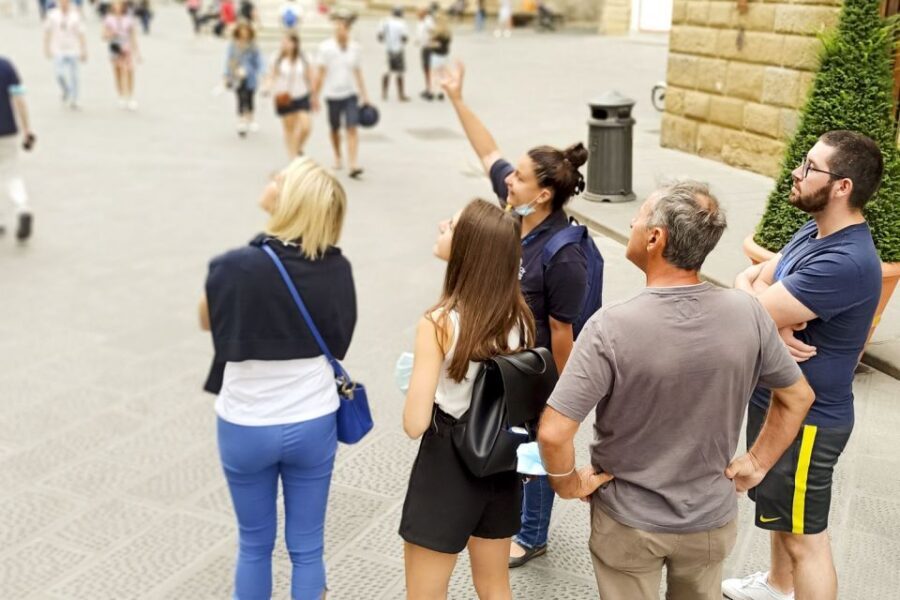
Florence is one of those cities where the streets are the attraction. But if you just wander, it’s easy to connect dots only in your head. This tour helps your eyes do the work for you.
You’re covering a chain of places that each explain a piece of how Florence functioned. The Medici area shows wealth and influence. The Duomo complex shows faith and artistic ambition. Piazza Signoria shows civic power. Ponte Vecchio shows continuity—how the city kept using its most important crossing, even as tastes and eras changed.
And since the tour is short, it fits real life. You can do it early and still have time to sit down, shop, or continue exploring at your own pace afterward. If you’re trying to get orientation without spending half a day in transit, this is a smart choice.
One practical note: the order of stops may change. That’s not a problem if you’re flexible, but it does mean you shouldn’t plan a tight timed visit immediately after unless you’ve left breathing room.
You can also read our reviews of more walking tours in Florence
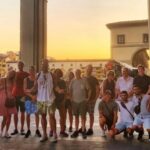
Starting in San Lorenzo: Medici Streets You Can Actually Feel
The tour begins in the Medici family district around San Lorenzo, where narrow streets still follow the older street pattern. The best part here is that you’re not just looking at buildings from outside—you’re getting pointers about what to notice: the stone, the layout, the kind of neighborhood that let powerful families embed themselves in daily life.
You’ll also encounter the Palazzo Medici Riccardi in San Lorenzo. Even if the palace isn’t your main reason for visiting Florence, it’s a great anchor stop. It helps you understand why the Medici mattered beyond portraits and bank stories. The guide’s job is to translate the architecture and location into power—where influence lived, and how it moved through the city.
The tour continues through the area’s religious sites connected to the Medici, including the Medici Chapels and Church. This matters because Florence wasn’t “faith on one side, politics on the other.” It was the same people, the same money, and the same public storytelling, just aimed at different audiences.
If you like “why this place looks the way it does,” this is where you start feeling that payoff.
The Duomo Complex: Brunelleschi, Baptistery, and Giotto’s Tower
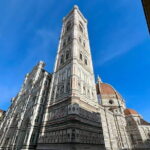
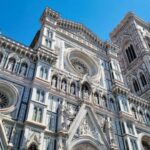
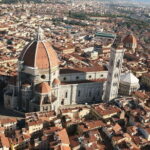
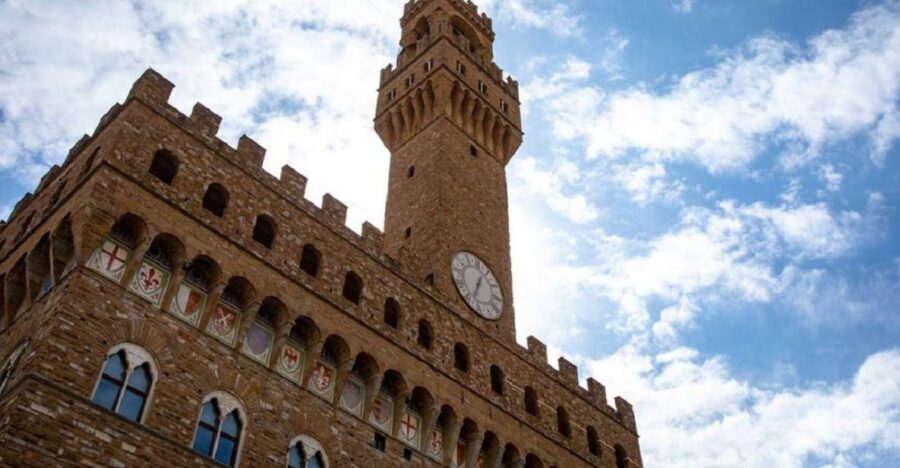
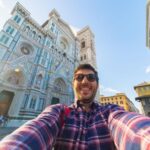
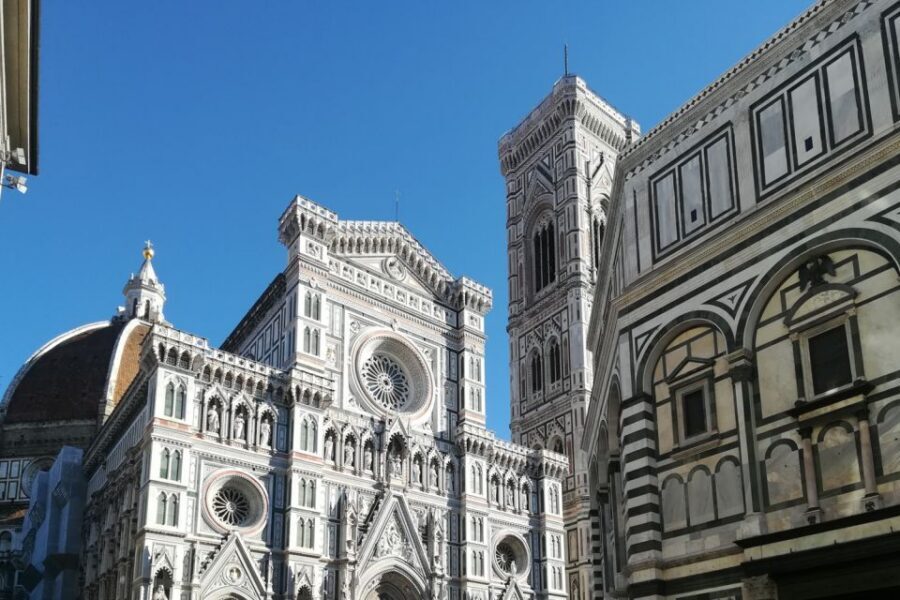
Then you shift from the Medici orbit to Florence’s religious center. Expect time and attention focused on the big trio of the Duomo area: the Cathedral with Brunelleschi’s dome, the Baptistery of San Giovanni, and Giotto’s bell tower.
This block is especially valuable because these are not just landmark photos. They’re landmarks with engineering and art logic behind them. Standing in the right spot and hearing the guide explain what makes them distinctive helps you see beyond the obvious.
You’ll also visit the Brunelleschi area and the Gates of Paradise. Those doors are famous, but the context is what makes the details click—how the artwork connects to civic identity and the religious message of the time.
One important real-world consideration: churches have a dress code. Plan for that. Comfortable shoes help too, because the Duomo area involves repeated walking and standing, even on a shorter tour.
Via Calzaioli and Orsanmichele: Where the City Feels Like a City
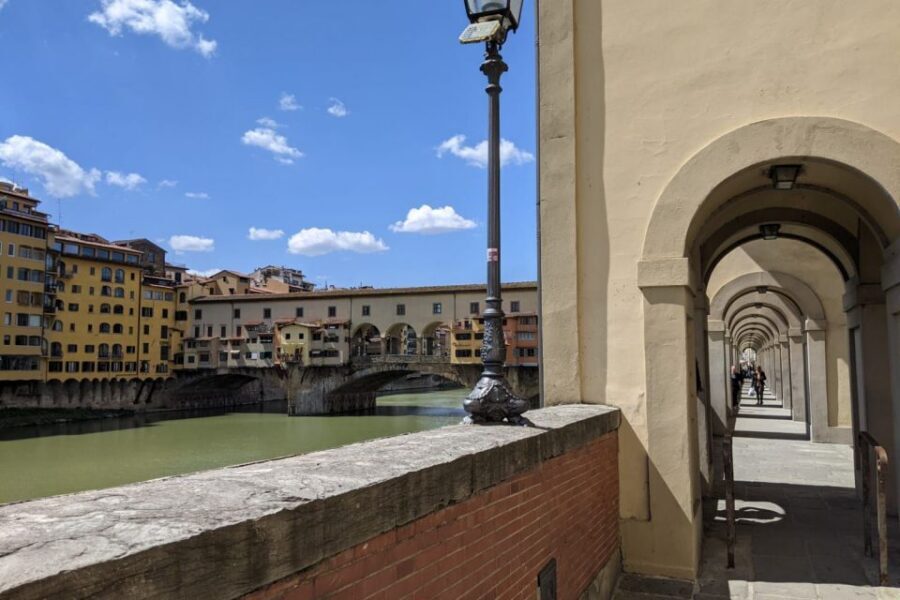
After the Duomo sights, the tour moves into the street-level Florence that many people skip while chasing only big-ticket monuments.
You’ll walk along Via Calzaioli, a corridor that feels like a connector between the grand squares and everyday life. From there, the tour includes Orsanmichele Church—a place where the religious story intersects with the civic story, which is basically the theme of Florence.
Then comes Mercato della Paglia. A market zone gives you what monuments can’t: rhythm. You get the sense of how Florence worked on regular days, not just ceremonial days.
This segment is a great reset. If you’ve been staring at domes and bell towers, it’s refreshing to turn your attention back to people, shopfront energy, and the way streets funnel movement.
The porcellino Nose Rub: A Small Ritual With Big Florence Vibes
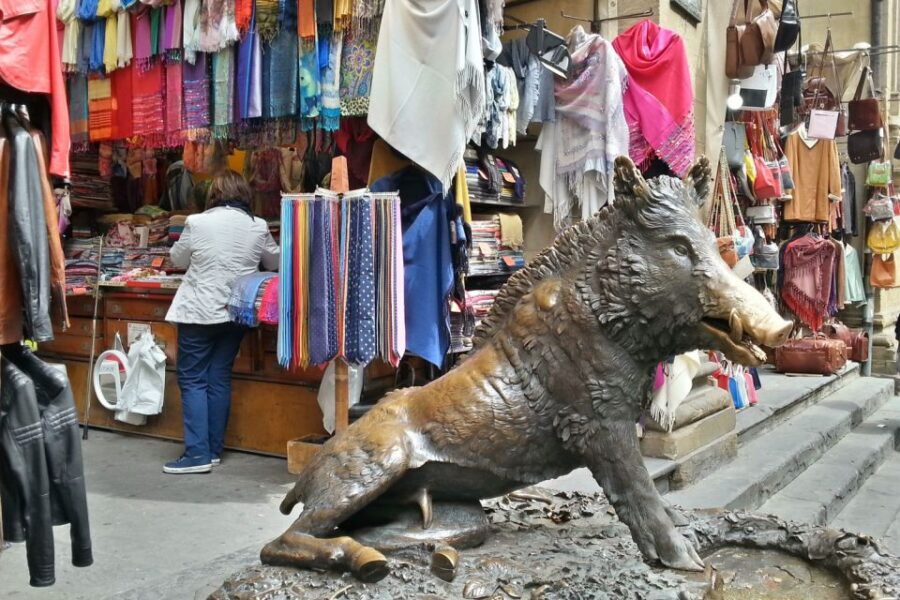
At some point you’ll reach the famous porcellino—the bronze boar. The classic ritual is simple: rub the nose for good luck.
This is one of those moments where you get to participate instead of just observe. It’s fast, fun, and very Florence—part legend, part tourist tradition, all good energy. It also works as a natural break point during the walk.
If you don’t love crowds, you can still do this. Go at the moment your guide indicates, and don’t linger in the tightest cluster.
You can also read our reviews of more guided tours in Florence
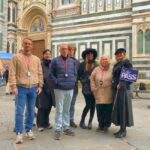
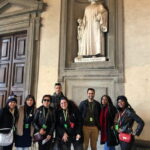
Piazza Signoria: Florence’s Political Center in Plain Sight
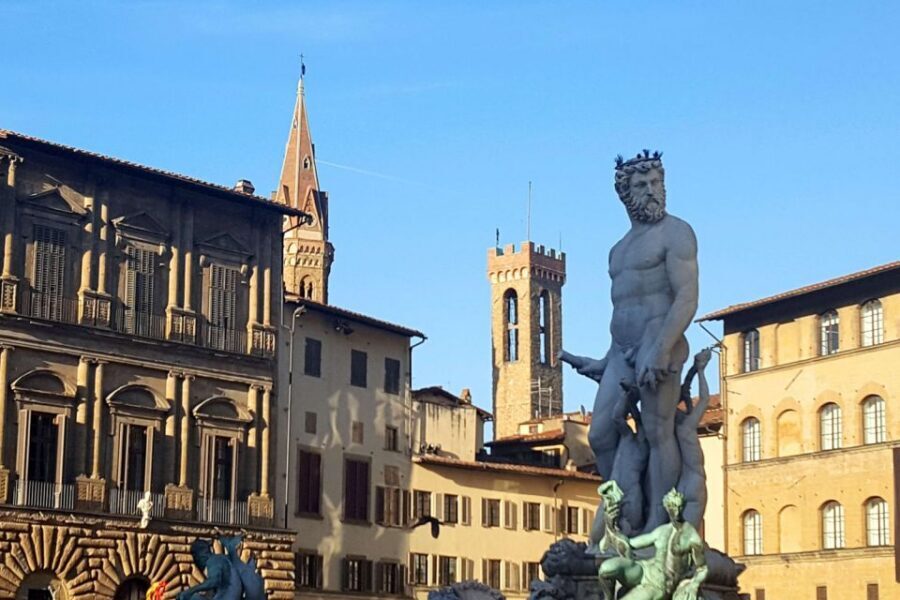
Now you step into Piazza Signoria, the city’s outdoor political theater. The name matters. This is where Florence displayed its civic identity for anyone walking through.
Your guide shows you the square as an outdoor museum, not just a big open space. Key stops include:
- the Fountain of Neptune
- the Loggia dei Lanzi
- and Palazzo Vecchio, including the Arnolfo tower
What’s valuable here isn’t memorizing names. It’s learning how symbols work. When you understand that this square was a stage for public power, the statues, fountains, and architecture stop being random decoration. They become messaging.
The tour also includes time in and around the Michelozzo courtyard. Courtyards are where Florence often reveals its private-public balance—less about grand views, more about how buildings handled daily life.
Ponte Vecchio: Ending Near Florence’s Most Famous Bridge
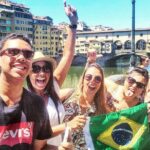
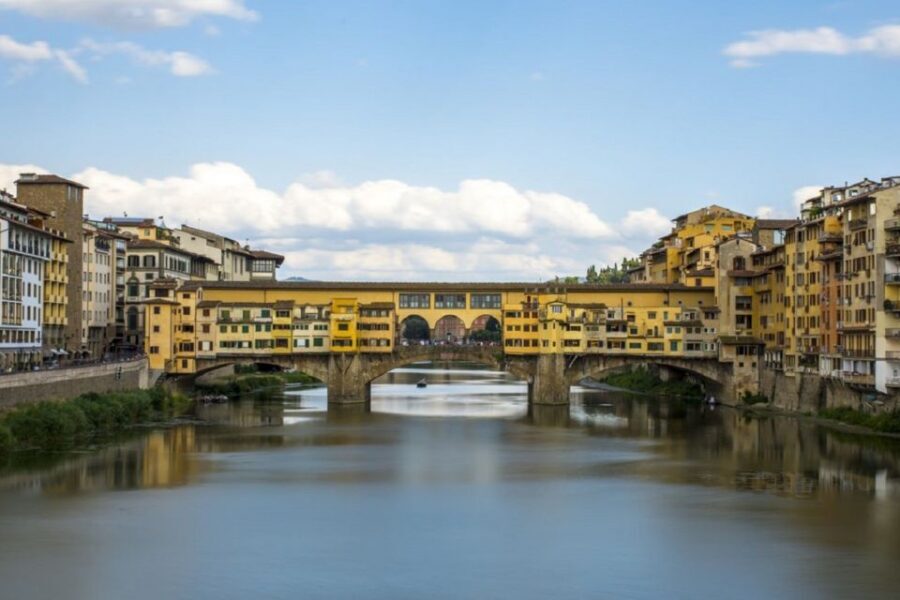
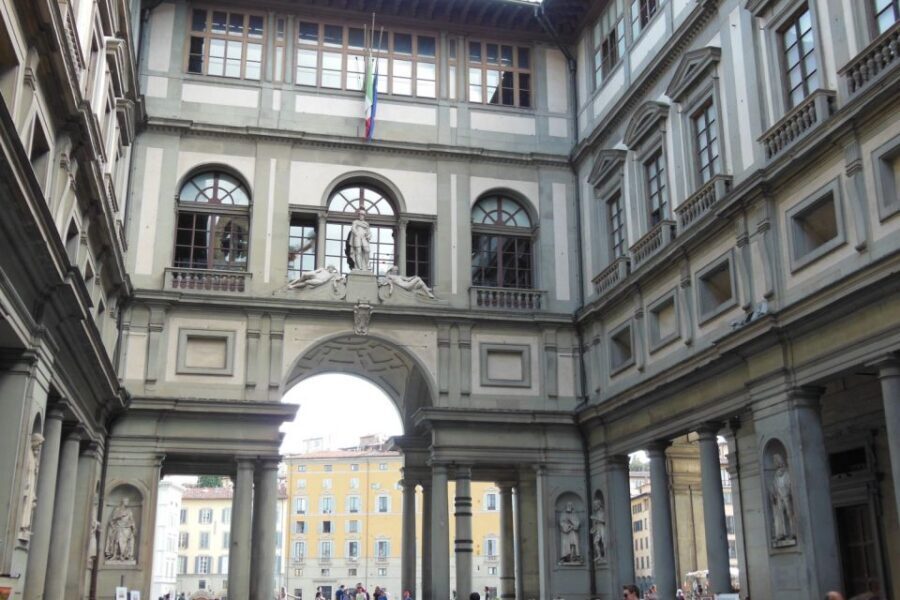
You finish in the Ponte Vecchio area. This is the oldest bridge here and it’s lined with the iconic jewelry shops.
Standing near the crossing is a good way to close the loop of the tour’s theme. You’ve seen the Medici’s influence, the city’s religious centers, and civic power in Piazza Signoria. Now you’re looking at a place that kept its importance and adapted its function over time.
The best part is the vibe shift. Your eyes relax. You’re no longer trapped in museum-level standing still. You can linger, take photos, and then decide what to do next.
Because the tour is on foot and short, it’s a perfect landing spot for a longer wander afterward—especially if you want to keep exploring independently.
Headphones, Two Languages, and a Tour Pace You Can Actually Keep Up

This tour is led by a local professional guide and runs in English and Spanish. There’s also multilingual assistance at the meeting point, and for April to October, it may be monolingual.
A detail worth your attention: the tour can sometimes be provided in two languages at once. If you’re sensitive to confusion or you hate hearing two languages together, this is one reason to ask a quick question at the meeting point about how your group is handled.
If your group is large (over 10 participants), you’ll have headphones. That’s a comfort feature that matters more than you’d think. It keeps you from crowding and helps you hear explanations without constantly turning your head.
Finally, the walking pace is generally meant to be comfortable for a short city loop. Still, do yourself a favor: wear comfortable shoes. Florence doesn’t do soft ground.
Optional Combo: The Value of Pairing Walking Context With Museum Time
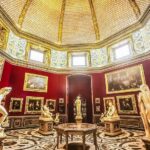
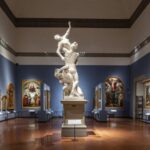
If you want more than street orientation, the tour can be booked as part of an exclusive combo. The idea is simple and smart: do the guided walk of the historic city center, then explore the Uffizi Gallery in the morning, and finish with a guided visit focused on the Florence Duomo in the early afternoon.
Why that combo can be a great value: you get both lenses. The walking tour gives you city geography and political/religious context. The Uffizi gives you the art layer. The Duomo-focused time gives you architecture and symbolism with deeper attention.
It’s a better plan if you like to understand what you’re seeing instead of just checking boxes.
Price and What You Get for About $27
At around $27 per person for 1.5–2.5 hours, you’re paying for three things: a guide who connects the places, a route that would be harder to stitch together alone in a short time, and a few key “why this matters” stops.
If you’re visiting Florence for a limited number of hours or you’re worried you’ll miss the connections between Medici influence, Duomo symbolism, and civic power, this price is usually fair. If you’re the type who loves solo exploration and you already have a strong guidebook approach for Florence’s key landmarks, you could spend less by going self-guided. But you’d trade the guide’s explanations and the pacing.
My practical take: this is value-priced for people who want context and a clear route without committing a full day.
Should You Book This Tour?
Book it if:
- you want a tight Florence orientation that links Medici, Duomo, Signoria, and Ponte Vecchio
- you’d rather hear the story in real time than read it later
- you’re comfortable with walking and you’ll follow the church dress code
Skip or think twice if:
- you’re extremely schedule-tight and can’t handle even a small delay at the meeting point
- you dislike any situation where meeting details might be confusing, since the meeting point can vary by option
- you’re not in the mood for standing and looking while a guide talks through multiple stops
If you like Florence as a walkable puzzle—streets, power, faith, art—this tour gives you the pieces fast.
FAQ
FAQ
How long is the Florence Heart of Florence Guided Walking Tour?
The tour lasts 1.5 to 2.5 hours, depending on the starting time and flow of the day.
What major sites are included on the route?
You’ll cover key Florence highlights including the Palazzo Medici Riccardi, Medici Chapels and Church, the Duomo complex (Cathedral with Brunelleschi’s dome, Baptistery of San Giovanni, and Giotto’s bell tower), Via Calzaioli, Orsanmichele, Mercato della Paglia, Piazza Signoria, Loggia dei Lanzi, Palazzo Vecchio (including the Arnolfo tower), Michelozzo courtyard, and Ponte Vecchio.
Does the tour include the porcellino?
Yes. You’ll stop for the famous porcellino and you can rub its nose for good luck.
Are there headphones provided?
Yes. For groups over 10 participants, the tour includes headphones.
What languages are the tours offered in?
The tour is available in English and Spanish, and there can be cases where two languages are used at once. From April to October, the tour may be monolingual.
Do I need to dress a certain way for churches?
Yes. During visits to places of worship, you’ll need to follow the dress code.
What should I bring?
Bring comfortable shoes for walking.
Is lunch available?
There is a lunch option that includes a 3-course Tuscan set menu at a typical restaurant in the heart of Florence. Drinks are not included.
Is the tour good for families?
The lunch option notes that it does not include lunch for ages 0–5, and drinks are not included. The tour details otherwise do not specify age limits.
Is free cancellation available?
Yes. There is free cancellation up to 24 hours in advance for a full refund.
More Walking Tours in Florence

More Tours in Florence


More Tour Reviews in Florence
- Tuscany Day Trip from Florence: Siena, San Gimignano, Pisa and Lunch at a Winery
★ 5.0 · 21,634 reviews - The Best tour in Florence: Renaissance & Medici Tales – guided by a STORYTELLER
★ 5.0 · 12,316 reviews