REVIEW · FLORENCE
Florence: Private Accademia Gallery Tour
Book on GetYourGuide →Operated by Florence Tours by Made of Tuscany · Bookable on GetYourGuide
Michelangelo’s David hits different. This private Accademia Gallery tour is built for clarity and momentum, so you don’t just stare at famous marble and call it a day. You get a focused visit that starts with the headline sculpture and then moves room by room through Renaissance works, plus a couple of surprises that most first-timers miss.
I especially love how the guide times the experience around the David (around 30 minutes at the start), then gives you a route through the rest of the museum so you know what you’re looking at. I also like the mix of sculpture with music-instrument displays, including the Stradivari violins and even the first piano ever created in the world. One consideration: even with skip-the-line entry, you may still wait briefly for security metal detectors, and the gallery doesn’t have a cloakroom, so plan to travel light.
In This Review
- Key points to know before you go
- David in 30 minutes: why the timing matters
- From Michelangelo to Medici commissions: your Accademia route
- The Plaster Models Room: Bartolini’s casts and what they teach
- Stradivari violins and the first piano: a museum you didn’t expect
- Lorenzo Monaco, Giotto, and the sparkle of gold leaf
- Meeting point, security, and how to make the start painless
- What you’re paying for: value in a reserved private format
- Who this tour suits best (and who might skip it)
- Should you book this Accademia private gallery tour?
- FAQ
- FAQ
- How long is the private Accademia Gallery tour?
- Where do I meet the guide?
- Is hotel pick-up included?
- What’s included in the price?
- Does the tour include skip-the-line entry?
- What will I see besides Michelangelo’s David?
- Are the tickets reserved in advance?
- Is this tour wheelchair accessible?
- What should I bring on the day?
Key points to know before you go
- 30 minutes on Michelangelo’s David to help you see details instead of fighting the crowd
- Michelangelo beyond David with the Slaves and La Pietà worked into the story
- Plaster Models Room featuring 18th-century casts connected to Lorenzo Bartolini’s workshop
- Stradivari violins and the first piano ever created, tucked into the Music Instruments collection
- Lorenzo Monaco and Giotto get their own attention, including gold leaf, lapislazzuli, and a perspective-focused fresco
David in 30 minutes: why the timing matters
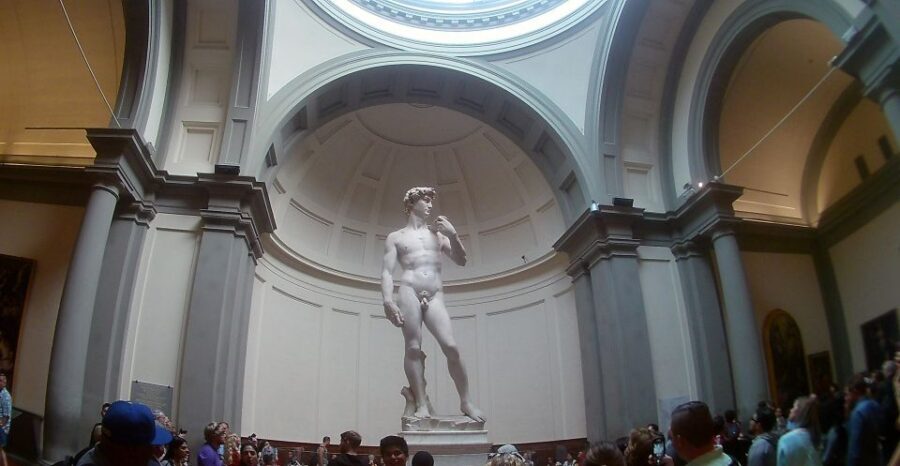
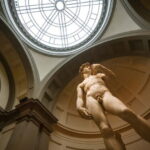
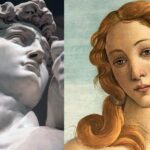
A normal Accademia visit can feel like you’re speed-walking from one postcard to the next. This tour changes that by putting Michelangelo’s David at the start and giving it time to land. You’re looking at the statue with a guide’s map in your head, not just with your phone camera.
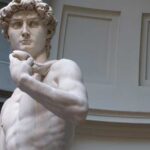
That first stop is about 30 minutes. In practice, it means you can step back, see the overall form, then return to details—like how Michelangelo carved the figure’s energy and balance. It’s also when you’re most likely to catch the statue without being totally buried in the crush. David may be famous, but it’s still a physical object, and a guide helps you notice what your eyes usually skip.
Another smart piece: your tour runs for about 2 hours total, so you’re not stuck wandering. You’ll spend roughly 75 minutes in the gallery after the David introduction, which is a workable amount for an art museum that can easily swallow a whole day.
You can also read our reviews of more private tours in Florence


From Michelangelo to Medici commissions: your Accademia route
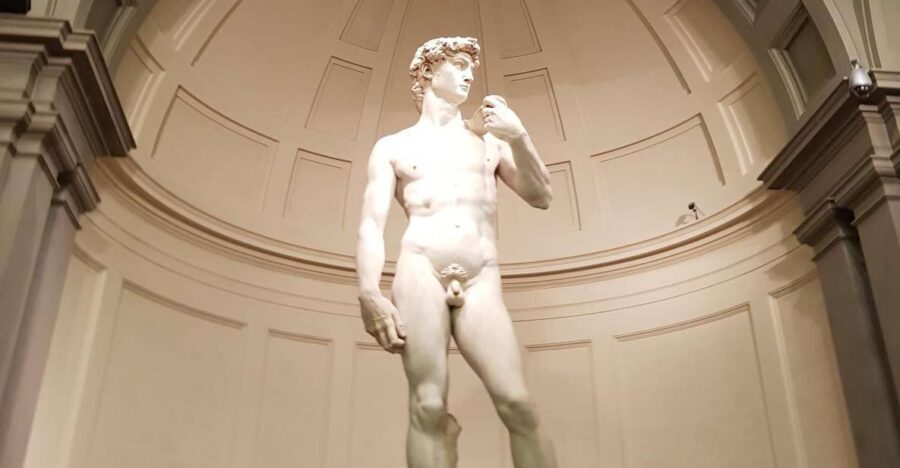
After David, the tour continues through the Accademia Gallery’s main rooms where you’ll see both sculptures and paintings. The guide’s job here is not just to list names, but to help you connect the dots. That matters because the museum includes works by artists tied to the power and tastes of the Medici family.
You’ll encounter major Italian artists you may have only seen in books or online, including Sandro Botticelli, Domenico Ghirlandaio, Pontormo, Andrea del Sarto, and Giambologna. You’ll also hear how these works fit into Renaissance Florence as commissions and collections—art that wasn’t made in a vacuum, but for patrons with influence.
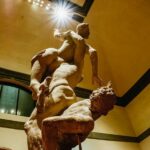
And yes, the tour also keeps Michelangelo’s presence going beyond the single statue. The highlights point to works such as La Pietà, the Slaves, and San Matteo, so you’re not stuck with David as a one-hit wonder. That is a big part of what you’ll get from a private guide: a sense of continuity, so the museum feels like a story instead of separate highlights.
If you’re worried the Accademia will overwhelm you, don’t. The guide’s pacing keeps your eyes moving with purpose. Think of it like having someone hold the museum’s flashlight while you walk.
The Plaster Models Room: Bartolini’s casts and what they teach
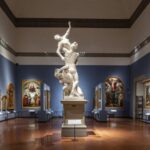
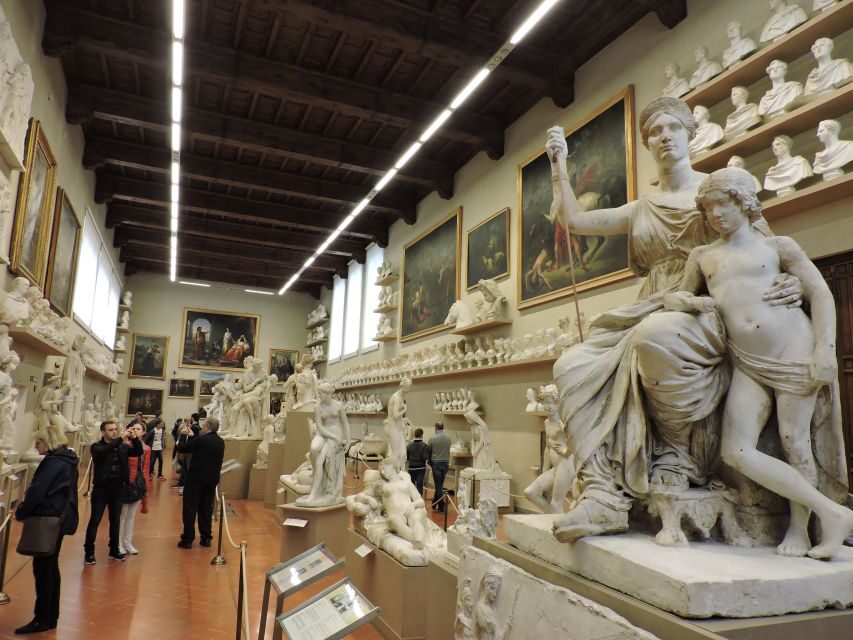
One of my favorite sections in this kind of museum visit is the Plaster Models Room, because it reveals the process behind the finished masterpiece. Here, you’ll see plaster casts from the 18th century connected to Lorenzo Bartolini. The information also describes the room as the former workshop of this Neoclassical artist, which gives the space a different feel than a typical gallery hall.
Why is this worth your time? Finished sculptures can look inevitable, like the artist just reached in and made stone appear. The plaster models help you understand how forms can be studied, refined, and translated into sculpture. Even if you’re not an art student, you start noticing how a figure’s proportions and surface treatment are planned.
In a tour format, you don’t have to guess what you’re looking at. The guide helps you connect these models to the broader tradition of how sculptors and artists worked. That turns the plaster room from a quick detour into a practical learning moment you’ll remember later when you think about Michelangelo’s impact.
Stradivari violins and the first piano: a museum you didn’t expect
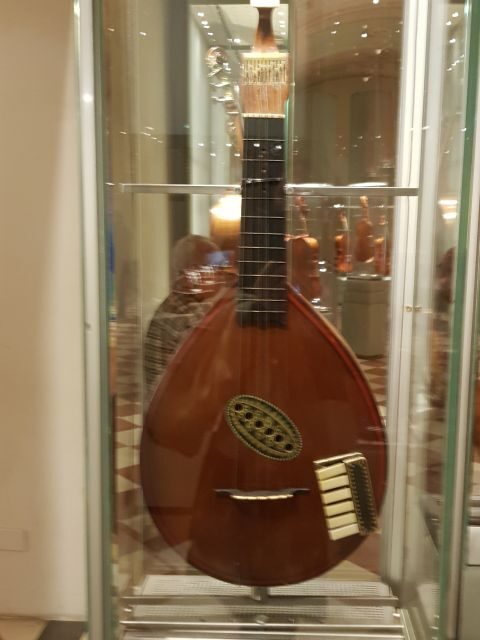
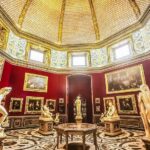
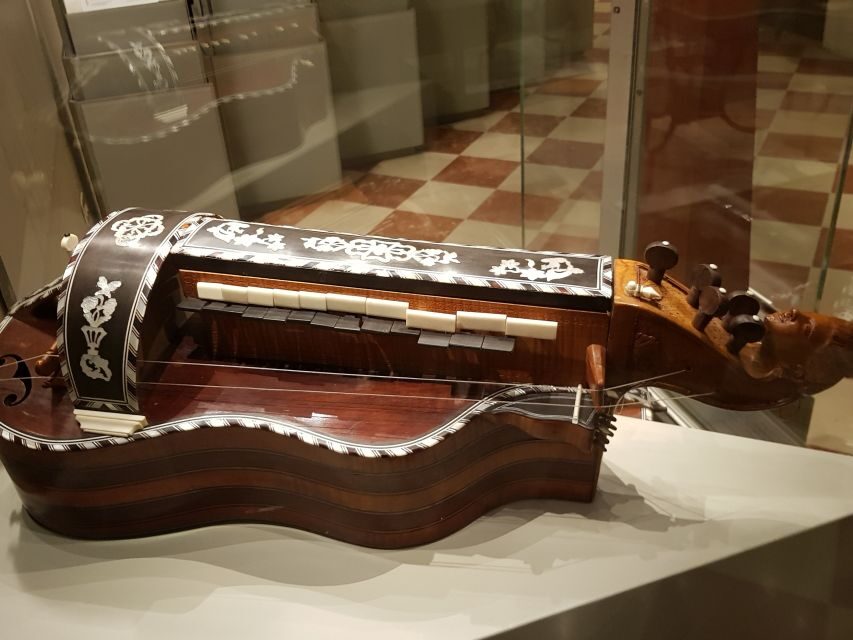
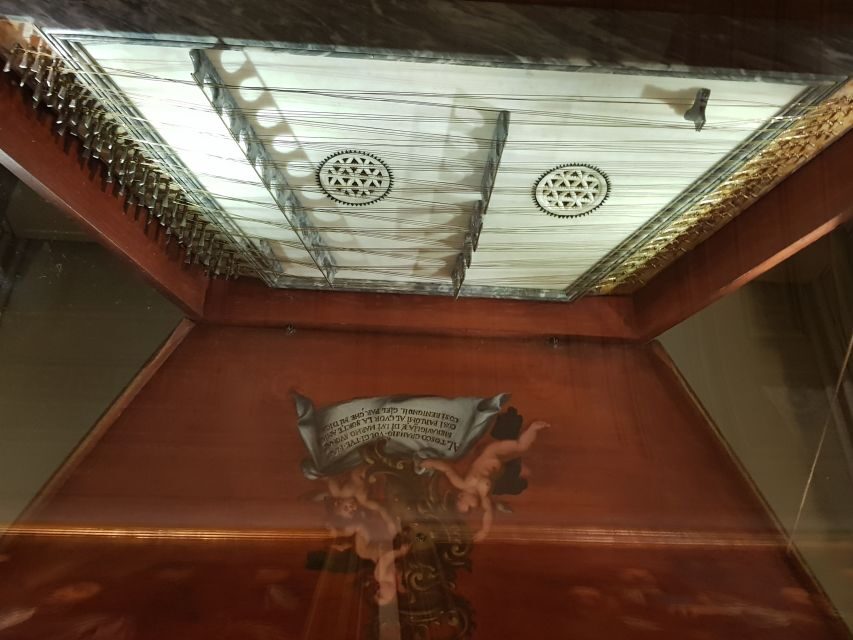
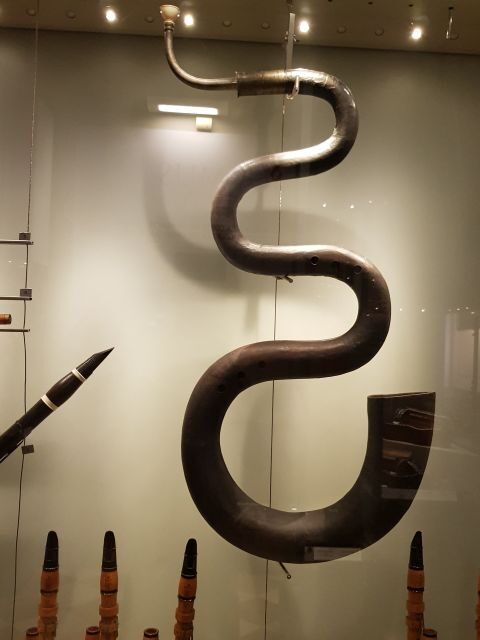
The Accademia isn’t only about paintings and marble. This tour includes time in the Music Instruments Collection, which can feel like stepping into a different museum category. You’ll see three rare Stradivari violins, and you’ll also encounter the first piano ever created in the world, all presented as part of the broader collection.
If you’re wondering why instruments are included in an art museum, you’ll get the point by how the guide frames it. Art in Florence wasn’t limited to one medium, and craftsmanship mattered across fields. Stradivari’s work is about precision and sound, but it’s also about design and material culture—basically, the same respect for detail you see in sculpture and painting.
This stop is especially good if you’re traveling with someone who loves music, or if you find classic art museums can become repetitive. Instruments add texture to the visit and keep your brain awake. Plus, it’s a genuine talking point when you’re done.
Lorenzo Monaco, Giotto, and the sparkle of gold leaf
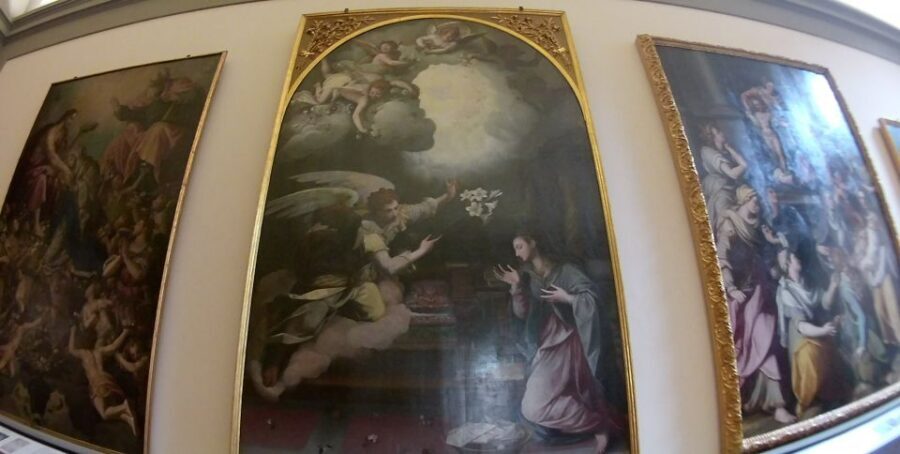
The Accademia has a sweet spot of visual variety—so you’re not stuck staring at the same style for two straight hours. You’ll spend time with paintings by Lorenzo Monaco, including what’s described as the most complete collection of his paintings. On the upper level, the tour points out works that use gold leaf decoration and lapislazzuli, materials that were fashionable in Florentine medieval art.
That detail matters because these aren’t just pretty colors. Gold leaf and lapislazzuli were about status, light, and cost. When a guide points out how those materials affect what you see, the paintings feel less like museum objects and more like crafted surfaces designed to impress.
You’ll also encounter a fresco by Giotto, described as the first to paint using a prospective concept. That means you can expect something more “space-aware” than flat figures. If you’ve ever looked at old religious art and thought, Why does it look like everything sits on the same flat plane?—this is where you start getting answers.
You can also read our reviews of more museum experiences in Florence

Meeting point, security, and how to make the start painless
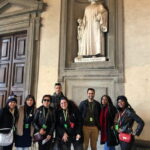
This tour is private, so you don’t have to synchronize with a big crowd. Your meeting point is at Galleria Accademia, Via Ricasoli 68 Firenze. The route information lists Via Ricasoli 60/R as a starting reference, so I’d treat Via Ricasoli 68 as your real anchor and arrive a little early just to settle yourself.
Good to know:
- Even with skip-the-line entry, you should expect possible waiting for metal detector security.
- The gallery does not have a cloakroom, so bring a bag you can comfortably carry or store elsewhere.
- You’ll want your passport or ID card with you.
Languages are broad, including Spanish, English, French, German, Italian, Portuguese, and Russian. That means you should be able to find a guide who can match your comfort level and explain not only what you’re seeing, but why it matters.
One more helpful heads-up: the first Sunday of each month has free entry, but tickets can’t be reserved ahead of time, so entry isn’t guaranteed. A reserved-tour ticket makes life easier if you’re traveling during that window and you hate uncertainty.
What you’re paying for: value in a reserved private format
At $229 per person for about 2 hours, this isn’t a bargain-bin museum ticket. But it’s also not charging you for time you won’t use. The value is in three places.
First, you’re getting reserved entry with tickets handled for you, plus skip-the-ticket-line benefits. Second, you’re hiring a professional local guide for the exact time window you’re in the museum, so your visit doesn’t turn into wandering and guessing. Third, it’s private, which means you’re more likely to ask questions and get tailored explanations instead of hearing a rushed lecture from the back of a group.
If you’re the type who likes to understand what you’re seeing—why David looks the way it does, what the plaster models mean, why instruments belong in the same collection—this price starts to make sense. If you just want a quick photo circuit, you’ll probably feel it’s expensive. So be honest with your own travel style.
Also, you’re not dealing with hotel pickup here. You’ll meet at the gallery, which is usually easier in Florence than waiting around for a vehicle.
Who this tour suits best (and who might skip it)
This tour fits you well if:
- You’re seeing the Accademia as a priority and want a clean plan for the highlights.
- You want Michelangelo covered beyond the obvious, including the Slaves and La Pietà.
- You’re curious about the museum’s other threads—like Lorenzo Monaco’s paintings, gold leaf and lapislazzuli, Giotto’s perspective idea, and the music instruments collection.
It’s also a good match if you’ll benefit from wheelchair access, since the tour is described as wheelchair accessible.
If you’re traveling with limited time, the 2-hour format is a practical way to get meaningful context without turning the day into museum fatigue. And if Florence art museums tend to blur together for you, a guided route helps your brain keep categories straight: sculpture vs. painting, process vs. finished work, medieval materials vs. Renaissance form.
Should you book this Accademia private gallery tour?
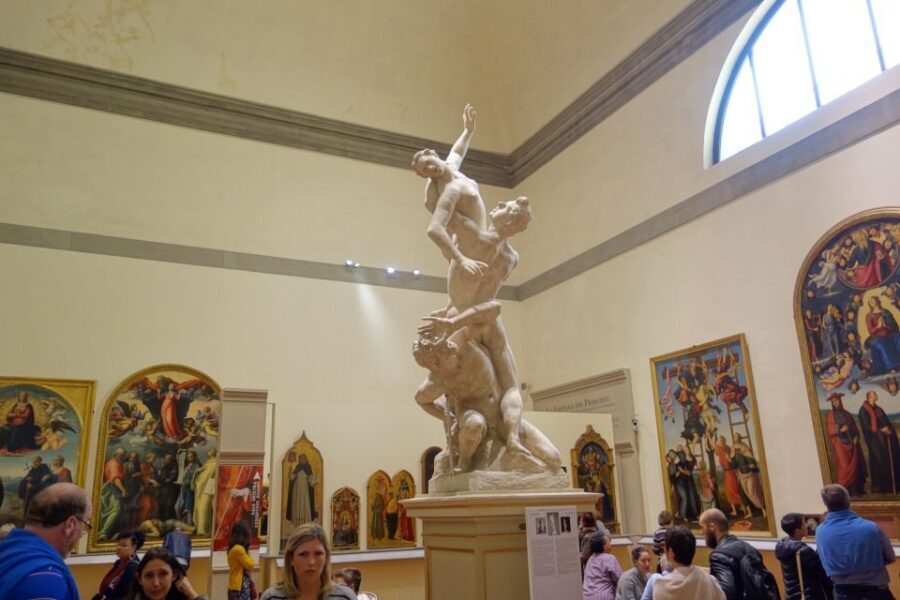
I’d book it if you want Florence’s biggest Accademia moments with a guide explaining what you’re looking at, not just where to stand. The strongest reasons are the David-focused start, the structured flow through the gallery, and the fact that the visit includes the plaster models room and the Music Instruments collection—details that turn a standard museum outing into something you’ll remember.
I’d hesitate if you’re expecting total freedom to roam at your own pace, or if you don’t care about explanations. In that case, you might be happier with self-guided entry and a simpler plan.
FAQ
FAQ
How long is the private Accademia Gallery tour?
The tour lasts 2 hours.
Where do I meet the guide?
Meet at Galleria Accademia, Via Ricasoli 68 Firenze.
Is hotel pick-up included?
No, pick-up from your hotel is not included.
What’s included in the price?
A professional local guide and entrance tickets with reservation are included.
Does the tour include skip-the-line entry?
Yes, it includes skip the ticket line, though you may still wait a few minutes due to metal detector security.
What will I see besides Michelangelo’s David?
You’ll also see works tied to Michelangelo’s Pietà and the Slaves, and you’ll visit areas such as the Plaster Models Room, plus the Music Instruments Collection with Stradivari violins and the first piano ever created.
Are the tickets reserved in advance?
Yes, entrance tickets with reservation are included.
Is this tour wheelchair accessible?
Yes, the tour is wheelchair accessible.
What should I bring on the day?
Bring your passport or ID card.




More Private Tours in Florence


More Tours in Florence


More Tour Reviews in Florence
- Tuscany Day Trip from Florence: Siena, San Gimignano, Pisa and Lunch at a Winery
★ 5.0 · 21,634 reviews - The Best tour in Florence: Renaissance & Medici Tales – guided by a STORYTELLER
★ 5.0 · 12,316 reviews