REVIEW · FLORENCE
Private Florence Tour: 3-Hour Walking Tour with a Licenced Guide
Book on Viator →Operated by Irina in Florence · Bookable on Viator
Florence makes more sense fast when someone points at the right details. This private 3-hour walk is built around key sights you’ll actually use as anchors—churches, Renaissance power, and the Arno river walk—without needing a map or a guidebook detour. You’ll get a clear route from Santa Maria Novella to Ponte Vecchio, with stories that connect artists, architects, and the Medici machine that ran the city.
I especially love two things: first, the sensory stop at Officina Profumo Farmaceutica di Santa Maria Novella, where you smell the past and learn how perfume ties to the nearby monastery world. Second, the way Irina connects big-name monuments—like Santa Maria del Fiore and Palazzo Vecchio—to the people who shaped Florence, not just the buildings themselves. One drawback to consider: this is a walking tour and it depends on good weather, so keep plans flexible if rain hits (the operator notes a weather-based option).
In This Review
- Key highlights to look forward to
- A 3-hour Florence starter route that actually clicks
- What makes it “private” in a useful way
- Start at Santa Maria Novella: the real arrival feeling
- Why starting here matters
- Officina Profumo Farmaceutica: your sensory history lesson
- What you should pay attention to
- Palazzo Antinori: wine stories with a Florence accent
- A practical tip for this stop
- Medici Chapels area: family power, even from the outside
- If the day runs differently
- San Lorenzo and the Medici Palace: Renaissance drama in stone
- What makes these stops valuable
- A realistic note
- Baptistery of San Giovanni and Dante’s orbit
- Why this part feels different than the Medici sequence
- Santa Maria del Fiore: what to notice on the outside
- Don’t rush this moment
- Piazza della Signoria: Florence’s outdoor museum of politics
- What I’d watch for
- Ponte Vecchio: finish at Florence’s most iconic river walk
- How to use the last minutes
- Price and value: what $219.97 buys you in real terms
- Timing, pacing, and weather: how to set yourself up
- What to bring
- Who this private Florence walk is best for
- Should you book this tour
- FAQ
- How long is the private Florence walking tour?
- Where does the tour start and end?
- Is this a private tour or a group tour?
- What language is the tour offered in?
- Are there any ticketed stops, and are admissions included?
- What sights are included in the walk?
- Is it suitable for most travelers?
- What happens if weather is bad?
Key highlights to look forward to
- Licensed guide Irina: a real Florence storyteller, not a rushed “check-the-box” walk
- Perfume pharmacy interior: smell fragrances and learn how perfume took shape nearby
- Medici Florence storyline: chapels, palaces, and the family’s influence through the streets
- A tight A-to-B route: Santa Maria Novella down to Ponte Vecchio, with stops that build on each other
- Duomo dome spotting: learn what to notice on the outside of Santa Maria del Fiore
- Outdoor sculpture square time: Piazza della Signoria as a mini open-air museum
A 3-hour Florence starter route that actually clicks
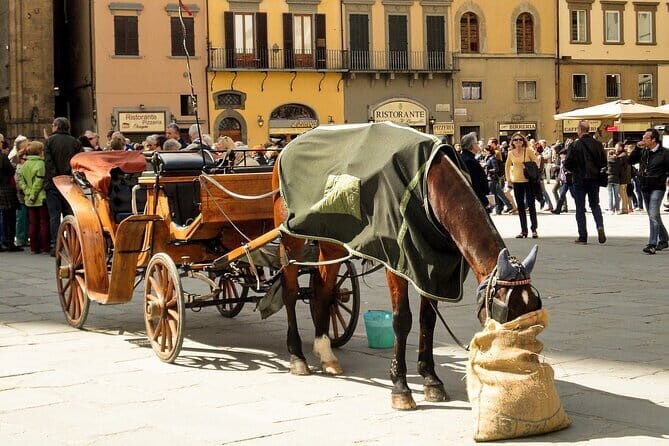
This tour is designed for the first days in town, when Florence still feels like a pile of postcards. The smart move here is that the route builds momentum: you start at a major arrival point, then work through the religious and political heart of the city, and finish by stepping onto Florence’s most recognizable bridge.
Because it’s private, the pace feels more like a guided walk with a local than a shuffle in a crowd. And since it’s offered in English with a mobile ticket, you can keep things simple: meet, walk, learn, and end where you’ll want to roam next.
You can also read our reviews of more walking tours in Florence
What makes it “private” in a useful way
Private doesn’t just mean quiet. It usually means you can ask questions without waiting your turn, and you can move at a pace that fits your group. The itinerary is fairly packed into about three hours, so having only your group matters. You’re not burning time trying to regroup.
Start at Santa Maria Novella: the real arrival feeling
You begin at Fratellanza Militare Firenze, in Piazza di Santa Maria Novella. That location is not random. Santa Maria Novella is presented as the first major welcome for visitors entering Florence by train, so your tour starts with the city’s “front door.”
From the start, you’re set up to understand Florence’s layout: churches aren’t just landmarks here. They’re anchors for how people organized daily life, art, and power. As you move away from the station-side energy, the stories shift from arrival to identity.
Why starting here matters
If you try to “self-guide” Florence, you often waste time deciding what to see next. Starting at Santa Maria Novella gives you context before you hit the Duomo area, the Medici sites, and the river. It turns random walking into a route with logic.
Officina Profumo Farmaceutica: your sensory history lesson
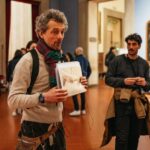
Stop 1 is Officina Profumo Farmaceutica di Santa Maria Novella. This is the moment I’d call genuinely different from typical walking tours. The format isn’t only visual. You step into one of the oldest pharmacies in the world, created by the monks tied to Santa Maria Novella, and you’re encouraged to smell fragrances while learning how perfume was born.
The itinerary says this stop lasts about 20 minutes, with an admission ticket free. That free detail matters because perfume workshops and specialty shops can cost extra on other tours. Here, the pricing stays anchored to the tour value.
You can also read our reviews of more guided tours in Florence
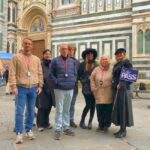
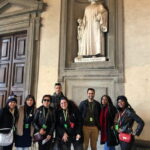
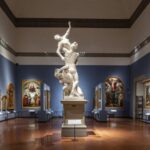

What you should pay attention to
Look for how the shop connects to the nearby church tradition. You’re not just buying a scent; you’re learning why the place exists and how a religious setting shaped something as everyday as fragrance. Expect a slower, more curious vibe at this stop compared to the quick exterior monuments later.
Palazzo Antinori: wine stories with a Florence accent
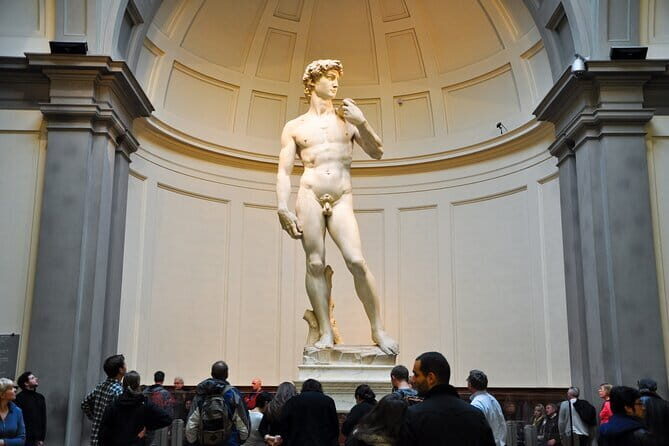
Next comes Palazzo Antinori for about 10 minutes, also with an admission ticket free. The tour frames this as the historical residence of the famous wine makers of Tuscany.
This stop is short, but it works because Florence wasn’t only about marble and paint. It was also about trade, taste, and money. A family tied to wine helps explain how wealth moved around the city—and how Renaissance power wasn’t limited to palaces and chapels.
A practical tip for this stop
Since the time is tight, you’ll get more out of it if you ask one question in your group: how the Antinori story connects to Tuscany beyond Florence. If your guide is Irina, you should be able to connect dots between local products, status, and art patronage.
Medici Chapels area: family power, even from the outside
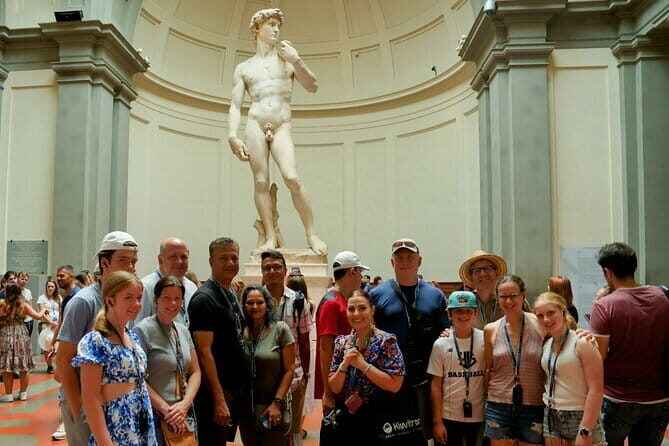
As you continue, you’ll see the exterior of the Medici Chapels, described as the final resting place of members of the dynasty that shaped Florence.
Even when you’re not going inside, this is a key piece of the puzzle. The Medici weren’t only patrons who funded artists. They also staged legitimacy through architecture and burial spaces. Seeing the exterior helps you understand why later stops—like the Medici Palace and nearby political squares—don’t feel like random sightseeing.
If the day runs differently
Florence can be unpredictable with access and crowds. One piece of feedback in the information provided mentions that the Medici Chapel area can turn into a bigger focus when weather changes. So if rain or access issues happen, don’t be surprised if the route leans heavier on Medici-related moments.
San Lorenzo and the Medici Palace: Renaissance drama in stone
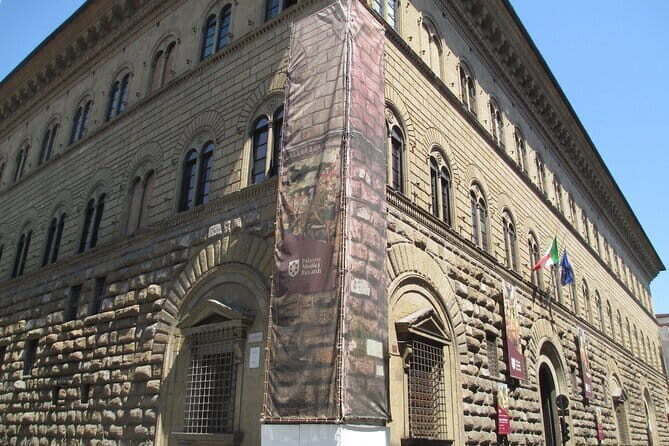
The tour next highlights San Lorenzo, described as the first Florentine cathedral and sponsored by the Medici clan. From there, you take a look at the Medici Palace—framed as an early residence of Renaissance power.
You’ll hear an imaginative prompt: picture how Michelangelo lived there under the protection of Lorenzo the Magnificent. The itinerary also notes that you’ll see the palace exterior, and if gates are open, you may step into the courtyard and garden of the Medici family.
What makes these stops valuable
San Lorenzo and the Medici Palace are both about control—over faith, art, and narrative. If you’re the type who likes to understand why things are the way they are, this pair of stops connects the religious sites with political influence you’ll later see in Piazza della Signoria.
A realistic note
Gates being open is conditional, not guaranteed. So if you’re booking expecting a full palace visit, temper that. You can still get the story and the perspective even if you’re outside for parts of the experience.
Baptistery of San Giovanni and Dante’s orbit
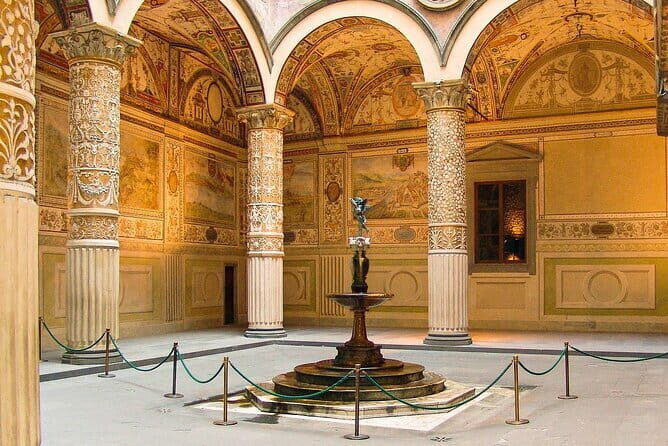
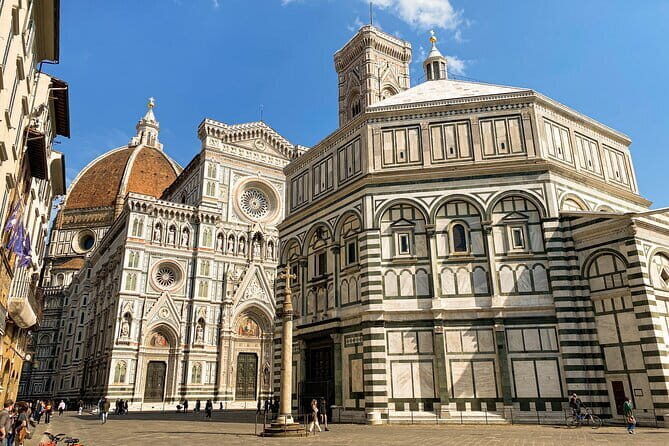
You’ll then stand in one of Florence’s most beautiful squares to learn the Baptistery of San Giovanni—described as the oldest building in the city with its famous Gates of Paradise. Even if you don’t get a long time staring at every panel, the guided explanation helps you “read” what you’re looking at.
Then you’ll stroll around Dante’s district. You’ll see his tower-house from the outside, and you’ll enter a 1000-year-old church connected to Dante’s personal story—where the father of the Italian language met the love and muse of his life.
Why this part feels different than the Medici sequence
Medici stops can start to feel like power, power, power. Dante’s district brings humanity back in—language, identity, and personal history. It’s also a reminder that Florence isn’t only about what rulers did. It’s about what writers and ordinary lives carried through time.
Santa Maria del Fiore: what to notice on the outside
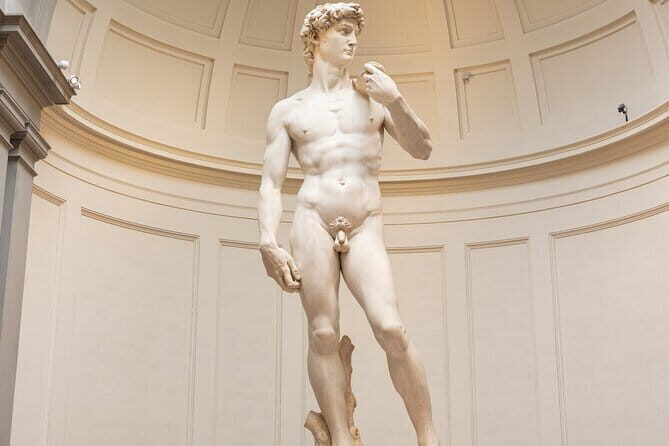
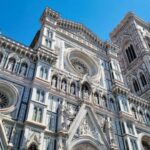
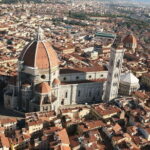
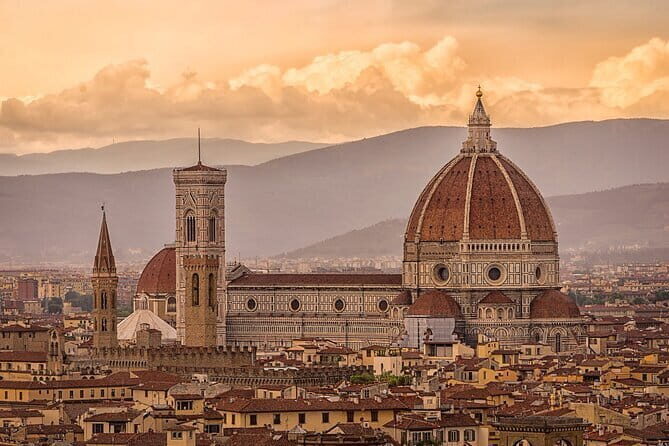
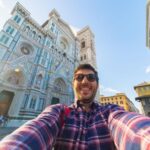
Next comes the Cathedral Santa Maria del Fiore—built around its unique flower-shaped plan and the biggest masonry dome in the world. The itinerary even references Michelangelo’s high praise, saying it would be extremely difficult to equal and impossible to surpass.
You’ll admire the cathedral as you move, but the value here is learning how to look. If you’ve ever stared at the Duomo from street level, it can feel overwhelming. A good guide helps you focus on the “why”: the plan, the scale, and how Brunelleschi’s dome changed what people thought was possible.
Don’t rush this moment
If you’re taking photos, do it—but also let yourself slow down for just a minute or two. The exterior details are easier to appreciate when you know what you’re looking for.
Piazza della Signoria: Florence’s outdoor museum of politics
You’ll reach Piazza della Signoria and learn it’s the political center of Florence, described as a museum under the open sky with original sculptures created by Renaissance artists. The itinerary also mentions a government palace there: Palazzo Vecchio, described as a medieval fortress with a prison for dangerous criminals and the old residence of the Medici family.
This is where Florence stops being “pretty” and becomes “how it worked.” You’re standing in the place where authority was performed daily—where art, government, and punishment existed in the same square.
What I’d watch for
Even if you’ve seen photos of Palazzo Vecchio, see if you can follow the explanation in terms of function. Once you understand that the building served as a fortress and residence, the attitude of the square clicks into place.
Ponte Vecchio: finish at Florence’s most iconic river walk
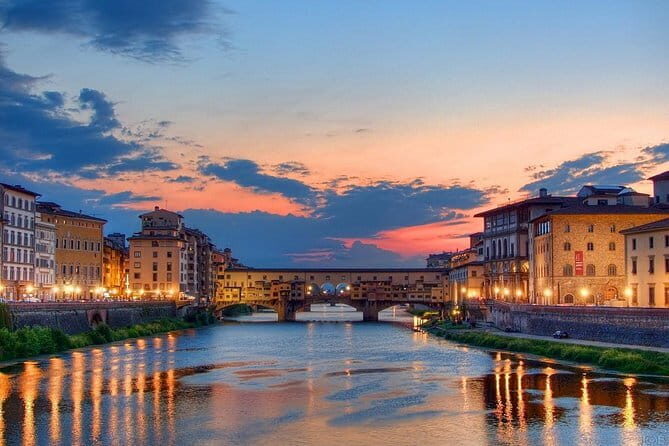
You end at Ponte Vecchio, described as the symbol of Florence and the oldest bridge in town, famous for jewelers’ shops hanging over the Arno river. The tour gives about 15 minutes here, with the finish point at Ponte Vecchio.
This ending is smart. By the time you reach the bridge, you’ve already built the mental map: sacred spaces, Medici power, and political authority. Now you can switch into wander mode.
How to use the last minutes
Don’t blow the last 15 minutes waiting for a photo. Instead, walk the bridge first and then decide where you want to continue off it. Ponte Vecchio is a launch pad for the river-side strolls that happen right after your guided portion ends.
Price and value: what $219.97 buys you in real terms
At $219.97 per person for a roughly 3-hour private walk, you’re paying for three things: time, expertise, and the fact that the route is designed to work.
If you’ve done group tours before, you know the pain: you lose time to crowd movement and you miss context. Private tours can feel pricey until you count what you’re really getting. Here, the value comes from:
- a tightly designed route from major landmarks to connected stories
- a guided stop inside a historically significant perfume pharmacy (with free admission ticket listed)
- extensive Medici-focused context that turns scattered sites into a coherent timeline
Also, the pricing includes group discounts and a mobile ticket, which helps keep friction low. Is it the cheapest way to see Florence? No. But it’s a solid “best use of time” option if you only have a few hours and you want the city to make sense immediately.
Timing, pacing, and weather: how to set yourself up
This experience requires good weather. That matters because most of the itinerary is walking between major points—so slippery streets or heavy rain can slow everything down. The operator notes that if it’s canceled due to poor weather, you’ll be offered a different date or a full refund.
Pacing is also part of the value. Multiple pieces of feedback in the provided information highlight that the guide adjusts to the group and keeps the walk engaging, even when conditions change.
What to bring
Wear shoes you can walk in for a couple of hours. Bring water if you’ll be outside during warm parts of the day. And if it’s peak season, expect crowds around major churches and squares; the best strategy is to stay flexible, keep moving, and listen while you walk.
Who this private Florence walk is best for
This tour is ideal if you:
- want a fast, guided route with high-impact stops
- care about art, architecture, and the people behind Florence’s major monuments
- like your sightseeing explained in plain language, not just labels
- prefer a private setting where you can ask questions
It’s also a good fit for families and mixed-age groups, since the guide’s pacing can be adjusted to your needs, including situations with slower members.
Should you book this tour
If you’re trying to decide between winging it and hiring help, my take is simple: book it if you want Florence to click quickly. The biggest “yes” here is the combination of major sights (Santa Maria Novella, San Lorenzo, Santa Maria del Fiore, Piazza della Signoria, Ponte Vecchio) with a truly standout stop at the perfume pharmacy. That mix gives you both scale and texture.
Skip it only if you already know Florence super well and you mainly want long museum-style time inside major churches. This is a walking tour built around seeing, learning, and connecting the dots in a short window—about three hours—so it’s less about slow, deep stays and more about smart orientation.
If you want Florence as a living story from the first morning onward, this private walk is a strong bet—especially if you’ll be guided by Irina.
FAQ
How long is the private Florence walking tour?
The tour lasts about 3 hours.
Where does the tour start and end?
It starts at Fratellanza Militare Firenze, Piazza di Santa Maria Novella, 18, 50123 Firenze FI, Italy, and it ends at Ponte Vecchio, 50125 Firenze FI, Italy.
Is this a private tour or a group tour?
This is a private tour/activity, and only your group participates.
What language is the tour offered in?
The tour is offered in English.
Are there any ticketed stops, and are admissions included?
The itinerary lists admission tickets as free for the Officina Profumo Farmaceutica di Santa Maria Novella and for Palazzo Antinori. Piazza della Signoria and Ponte Vecchio are also listed with free admission.
What sights are included in the walk?
The tour covers Santa Maria Novella, Officina Profumo Farmaceutica di Santa Maria Novella, Palazzo Antinori, the Medici Chapels exterior, San Lorenzo, the Medici Palace exterior (and possibly the courtyard/garden if gates are open), the Baptistery of San Giovanni area, Santa Maria del Fiore, Dante’s district (including a 1000-year-old church), Piazza della Signoria/Palazzo Vecchio area, and Ponte Vecchio.
Is it suitable for most travelers?
The information says most travelers can participate.
What happens if weather is bad?
This experience requires good weather. If it’s canceled due to poor weather, you’ll be offered a different date or a full refund.
More Walking Tours in Florence

More Tours in Florence


More Tour Reviews in Florence
- Tuscany Day Trip from Florence: Siena, San Gimignano, Pisa and Lunch at a Winery
★ 5.0 · 21,634 reviews - The Best tour in Florence: Renaissance & Medici Tales – guided by a STORYTELLER
★ 5.0 · 12,316 reviews