REVIEW · AREZZO
Private tasting of organic wines in the cellar in Arezzo
Book on Viator →Operated by FATTORIA DI SAN LEO · Bookable on Viator
Cellar stories beat any wine brochure. This is a private organic wine tasting held right inside Fattoria di San Leo’s cellar spaces in Arezzo, where the hosts connect what you sip to what they’ve kept (and changed) over generations. I especially like that you taste across different rooms and tools, not just from one standard flight of wine. The organic angle is practical too: they explain how the farm’s tradition of not wasting anything turns into wines and related products you’ll taste during the session.
For me, the best part is the format: a guided, 90-minute tour that links history to hands-on details and ends at a well-planned tasting with local bites. The main drawback to consider is simple: it’s focused and time-boxed, so it’s more cellar-and-tasting than a long, walk-all-over-the-estate kind of day.
In This Review
- Key highlights at a glance
- San Leo’s Cellar: Why This Tasting Feels Like Tuscany, Not a Script
- Your 90-Minute Flow: What Happens From Start to Finish
- Four Cellar Spaces That Explain the Wine in Plain Language
- Organic Wines and the Circular Economy Twist: What You’ll Actually Taste
- The Star Set: Chianti DOCG, Rosso Toscano, Bianco Toscano, and Vin Santo
- Food Pairings That Don’t Feel Like an Afterthought
- Meet the Team: Warm Hosts, Patient Explanations, and Real Family Pride
- Who This Private Tasting Is Best For (and Who Might Want Something Else)
- Price and Value: Why $38.45 Can Make Sense Here
- Booking Smart: Tips So the Experience Feels Smooth
- Should You Book Fattoria di San Leo’s Private Tasting?
- FAQ
- What is the price per person?
- How long does the private tasting last?
- Is this experience private?
- Where do I meet for the tasting?
- What are the opening hours?
- How soon will I receive confirmation after booking?
- Is free cancellation available?
- Are service animals allowed?
Key highlights at a glance
- Historic cellar rooms: new cellar, vat cellar, vinsantaia, and old cellar shape the tasting
- Different glasses, different stories: you’ll notice the tasting is designed around place
- Organic + circular-economy thinking: they show how “waste” becomes useful products
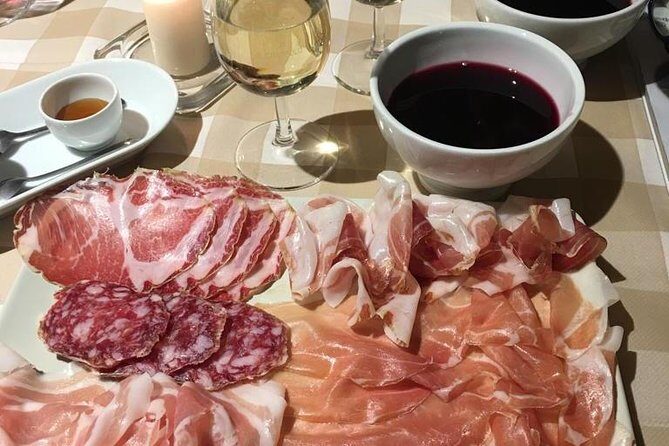
- Food pairing that fits Tuscany: olive oil and bread, cheeses and cold cuts, plus Vin Santo and cantucci
- Small, private group feel: only your group participates
San Leo’s Cellar: Why This Tasting Feels Like Tuscany, Not a Script
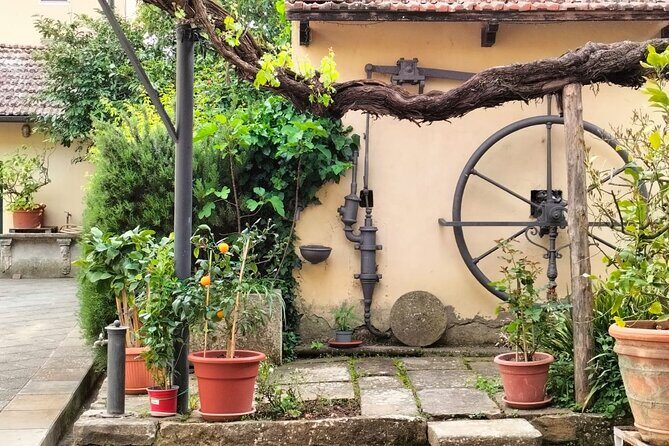
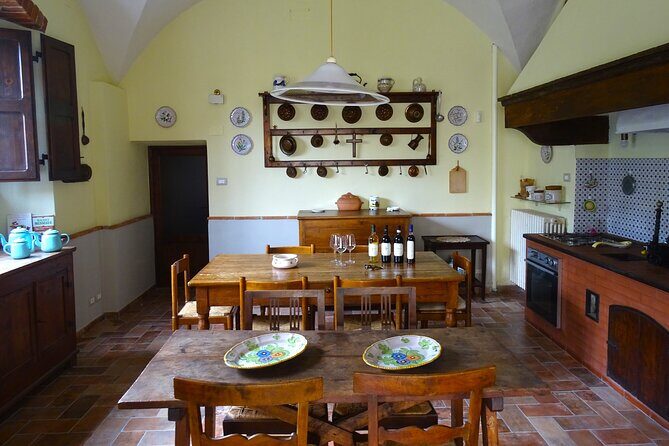
Arezzo has plenty of wine around it, but this experience is different because it’s built like a tour of working spaces. At Fattoria di San Leo, the tasting is tied to the estate’s evolution, from a century-old farming past to a more modern approach that still respects tradition.
What you’ll notice right away is that the cellar isn’t treated like a backdrop. You move through multiple sections of the property—linked to how they produce and age different products—so the wine you taste comes with context you can actually use. That matters because it turns a tasting into an understanding: you’re not just learning flavors, you’re learning why those flavors exist.
And yes, the setup is organic-focused. They discuss their approach to producing organic wines as in the past, and they connect that to a strong “don’t throw anything away” habit. The result is the kind of tasting where you can ask questions and get straight answers, not generic talking points.
You can also read our reviews of more food & drink experiences in Arezzo

Your 90-Minute Flow: What Happens From Start to Finish
The experience runs about 1 hour 30 minutes and ends back at the meeting point. You start at Via di S. Leo, 23, 52100 Arezzo AR, Italy, and you’ll finish in the same area—so you’re not stuck planning your own transport afterward.
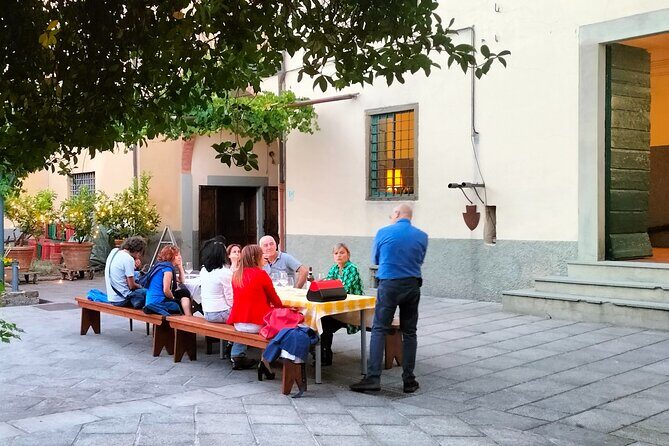
Because it’s private, the pacing can feel smoother. Only your group participates, and the guides can slow down for questions. In the best moments, you’ll see how they connect the dots: the estate’s history, the processing steps, and then the final taste.
In practical terms, plan to arrive with enough time to settle in. Cellars and historic production areas tend to be active spaces, and your timing matters so the group gets the full attention during the tasting.
Four Cellar Spaces That Explain the Wine in Plain Language
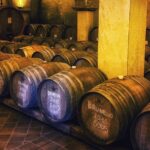
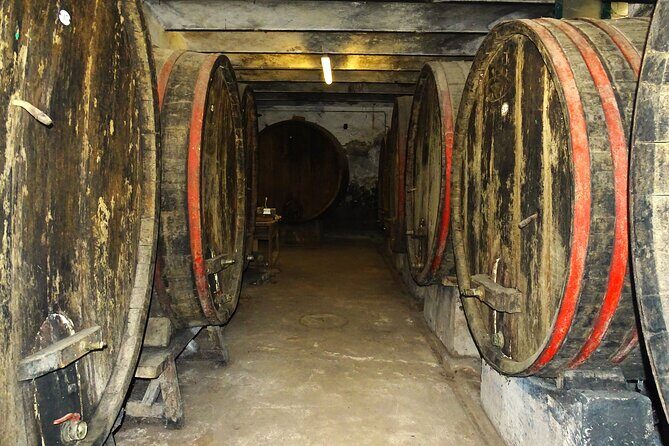
This visit is built around moving through the farm’s different production environments. The tour description highlights several key stops: the new cellar, the vat cellar, the vinsantaia, and the old cellar. Each one isn’t just a location on a map—it’s a different chapter of how the wines are handled.
Here’s what that does for you as a guest:
- In the vat cellar and other production areas, the guide can explain patient phases of work—how careful handling affects the final glass.
- The vinsantaia is where Vin Santo becomes more than a label. You’ll learn why it deserves its own space and why it gets treated differently from the wines you taste earlier.
- The old cellar brings the past into the room, which is part of the estate’s “story you can touch” vibe.
A detail I really like: the tasting uses different glasses in different environments. That sounds small, but it makes sense. If the goal is to connect stories to palate, glass shape and tasting conditions matter. It’s a subtle way to keep your attention from drifting.
Organic Wines and the Circular Economy Twist: What You’ll Actually Taste
If you’re choosing wine in Tuscany based only on the usual grapes, you’ll still enjoy this. But what makes it memorable is how they bring the farm’s practical philosophy into the tasting itself.
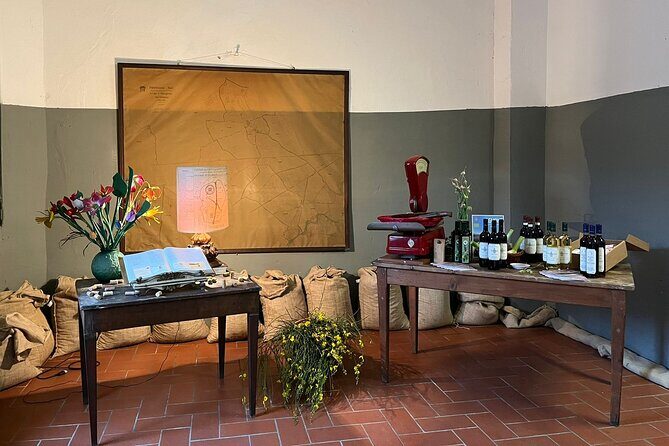
They explain a “not throwing anything away” approach—an old habit turned into a modern system. The tour highlights that you’ll touch processing waste first-hand and taste exclusive products that come from what was once considered waste material.
That’s the heart of the experience: it’s not only about the romance of wine. It’s about what the farm learned from long-term habits—then applying those lessons to create products with unexpected qualities.
In plain terms, you’ll come away with a better sense of what “organic” can mean beyond certifications. It becomes a working method, tied to resourcefulness and careful production.
The Star Set: Chianti DOCG, Rosso Toscano, Bianco Toscano, and Vin Santo
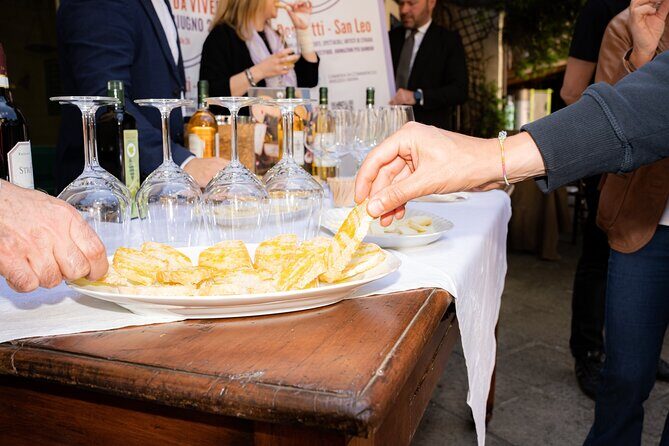
The tasting itself is organized around a set of recognizable Tuscan wines plus Vin Santo. You can expect to taste:
- Chianti DOCG
- Rosso Toscano IGT
- Bianco Toscano IGT
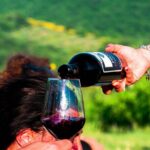
- Vin Santo DOC paired with cantucci
The value here is variety in a compact time window. Chianti DOCG gives you a classic baseline. The Rosso Toscano IGT and Bianco Toscano IGT help you see how the estate moves between red and white styles, and how organic farming decisions can show up differently in each glass.
Then there’s Vin Santo. Multiple responses from the hosts’ replies emphasize it as a standout—so much so that it almost feels like a shame to pair it with anything. You’ll still get the traditional pairing with cantucci, which is part of the fun: you get the sweetness and character of Vin Santo alongside the crunch and flavor of cantucci.
You can also read our reviews of more private tours in Arezzo

Food Pairings That Don’t Feel Like an Afterthought
The tasting includes a simple, effective Tuscan menu designed to keep the food from stealing focus from the wine. You’ll have:
- Tuscan bread with extra virgin olive oil
- Arezzo cheeses and cold cuts
- Vin Santo DOC with cantucci
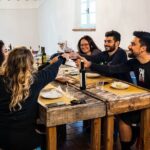
This pairing approach is smart. Bread and olive oil work as a bridge, helping you reset your palate between different wines. Cheese and cold cuts add salt and fat, which can make the flavors in both reds and whites feel clearer and more structured.
And the Vin Santo pairing is classic for a reason. Cantucci are sturdy enough to stand up to the dessert wine, so you get contrast instead of everything blending into sweetness.
If you’re picky about food on wine tours, this is worth noting: the menu is modest, but it’s built around Tuscan staples that match the tasting style described.
Meet the Team: Warm Hosts, Patient Explanations, and Real Family Pride
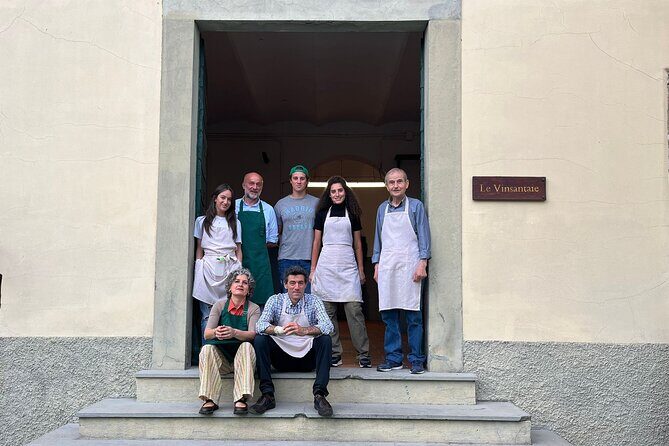
A huge part of why this works is the way the guides teach. People highlight guides who explain patiently and in an approachable way. Names that come up in the experience are Marco and Simone, along with the owners Carlo and Valentina, who show up as the kind of people who care about getting it right.
What I take from that pattern is simple: this isn’t run like a factory tour. The hosts are involved, and they connect production steps with real-world decisions. You’ll likely get stories that make the technical parts easier to understand—like why certain tools exist, what changed, and what stayed the same.
There’s also a strong “past and future” framing. Even when you’re in historic spaces, the conversation isn’t stuck in the past.
And if you want a small extra perk: in host replies, there are hints about other tastings when the season allows, including summer evening tastings under the stars and vineyard tastings. Those aren’t part of this specific setup, but you can ask if timing works when you book.
Who This Private Tasting Is Best For (and Who Might Want Something Else)
This is a great fit if you want:
- a private wine experience in Arezzo with your own group
- organic wine with a story tied to the farm itself
- a tasting that includes food pairings rather than just glasses and small talk
- a guide-led flow through cellar spaces, not a quick stop
It may not be your best match if you want a longer, outdoors-heavy itinerary. The session is time-boxed (about 90 minutes), and the emphasis stays on cellar storytelling and tastings.
Also, if you dislike structured tastings with set pours and pairings, you might find the format a bit guided. But if you like learning while you taste, it’s hard to beat the design.
Price and Value: Why $38.45 Can Make Sense Here
At $38.45 per person for about 1 hour 30 minutes, you’re paying for a focused, guided private experience with wine and a real food pairing. In other words, you’re not just buying wine—you’re buying the explanation, the movement through production spaces, and the pacing that helps you actually understand what you’re tasting.
This is especially good value if you’re traveling with a small group and want the experience to stay personal. Since only your group participates, you’re not stuck sharing attention with a larger crowd.
One more practical note: it’s commonly booked about 31 days in advance on average. That’s usually a sign that people plan ahead for a good reason—so if your dates are firm, book early.
Booking Smart: Tips So the Experience Feels Smooth
A few practical things to make your visit easier:
- Arrive a little early at Via di S. Leo, 23 so you can get situated without rushing.
- Wear layers if you run hot or cold easily; cellars tend to feel cooler than the street.
- Come with curiosity. The whole experience is set up for questions, especially around the organic methods and the circular-economy approach.
Also, it’s a mobile ticket experience. Once you have confirmation, keep the ticket accessible on your phone so check-in is fast.
Should You Book Fattoria di San Leo’s Private Tasting?
Yes, I think you should book it if you want an organic wine tasting in Arezzo that feels grounded in how a working farm operates. The cellar-to-pouring-to-food flow is designed to teach you something without making it a lecture, and Vin Santo in particular gets the kind of attention that dessert wine usually deserves.
You might skip it only if your ideal day is long outdoor walking or a wide-open, self-guided tasting at your own pace. This one is structured, private, and cellar-focused, and it shines when you enjoy that style.
FAQ
What is the price per person?
The price is $38.45 per person.
How long does the private tasting last?
It lasts about 1 hour 30 minutes.
Is this experience private?
Yes. It’s a private tour/activity, and only your group participates.
Where do I meet for the tasting?
The meeting point is Via di S. Leo, 23, 52100 Arezzo AR, Italy. The experience ends back at the meeting point.
What are the opening hours?
The listed hours are Monday to Thursday, 10:30 AM to 6:00 PM, for the date range shown.
How soon will I receive confirmation after booking?
Confirmation is received within 48 hours of booking, subject to availability.
Is free cancellation available?
Yes, free cancellation is available. You can cancel up to 24 hours in advance for a full refund.
Are service animals allowed?
Yes, service animals are allowed.