REVIEW · FLORENCE
Share Your Pasta Love in a Local’s Home in Florence
Book on Viator →Operated by Cesarine: Cooking Class · Bookable on Viator
Want pasta lessons without tourist scripts?
This is the kind of Florence food class that stays real: you’ll learn fresh pasta by hand inside a local kitchen, and you’ll pair it with a proper Florence aperitivo. I especially like the hands-on teaching and the fact you’re eating what you make with wine, not just watching a demo. One thing to keep in mind: it’s a tactile class, so be ready for a little mess and more time on your feet than you might expect.
The experience runs about 1 hour 30 minutes and keeps the group small (max 20). It’s offered in English, includes a warm welcome with a small appetizer and aperitif, and ends back where you started on Via Quintino Sella.
If you care about learning real technique and sitting down like a guest at a home table, this is a strong choice. And if you’ve seen names like Donatella or Ivana pop up in past classes, that’s because hosts really do set the tone here.
In This Review
- Key highlights you’ll actually feel
- A Florence pasta class that starts like a visit, not a show
- Via Quintino Sella: where the evening begins
- The welcome moment: appetizer, aperitivo, and local wine
- Rolling up your sleeves: mixing, kneading, shaping fresh pasta
- What pasta you might make (and why those choices are smart)
- The meal part: sit down with what you made
- Group size, pacing, and the 1.5-hour reality
- Value check: is $70.89 worth it in Florence?
- Who should book this (and who might reconsider)
- Tips so your pasta-making goes smoothly
- Should you book this Florence pasta class?
- FAQ
- How long is the Florence pasta-making class?
- Where is the meeting point in Florence?
- What is the group size?
- Is the class taught in English?
- What kind of pasta will I make?
- Is food and wine included?
- Is there a mobile ticket?
- Do I get confirmation after booking?
- Can I cancel for a full refund?
- Is the meeting point near public transportation, and are service animals allowed?
Key highlights you’ll actually feel
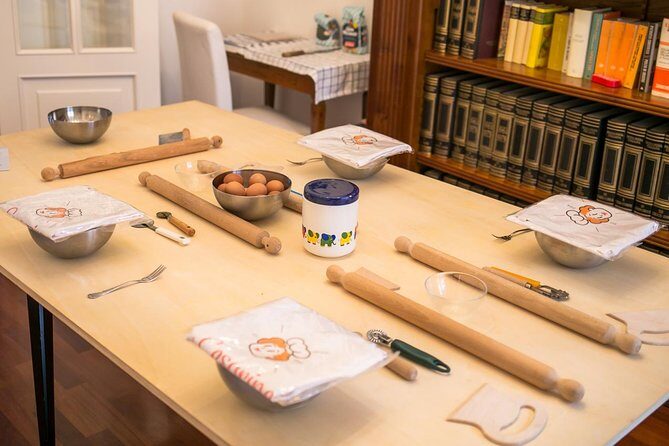
- A local home setting instead of a demo room
- Hands-on dough work: mix, knead, and shape fresh pasta
- Pasta shapes you’ll recognize (pappardelle, tagliatelle, ravioli and more)
- Aperitivo + wine included (one bottle per three guests)
- Small group size with up to 20 people
- English instruction with an easy-to-follow pace
A Florence pasta class that starts like a visit, not a show
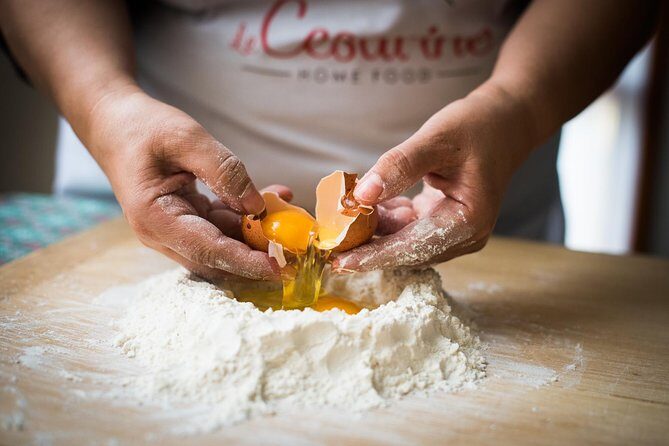
Florence has plenty of cooking classes where you stand at a distance, watch, and leave with a few photos. This one flips that. You’re in a real home kitchen, working alongside the person teaching you, and then you eat at their table. That small change matters because pasta isn’t just a recipe. It’s feel, pressure, timing, and muscle memory.
I like that the class is built around making, not just learning terms. You start with a welcome—small appetizer and aperitif—then you move right into the process: mix, knead, and shape. By the time your pasta is ready, you’re not just thinking about Tuscany. You’re tasting it.
There’s also something simple and comforting about the group setup. Up to 20 people means you’ll still hear your host clearly and have a chance to ask questions while you’re working. You’ll mingle, sure, but it won’t turn into a mass-production class.
You can also read our reviews of more tours and experiences in Florence.
- Tuscany Day Trip from Florence: Siena, San Gimignano, Pisa and Lunch at a Winery
★ 5.0 · 21,634 reviews


Via Quintino Sella: where the evening begins
The meeting point is Via Quintino Sella, Firenze. The session ends back at the same meeting point, so you don’t need to plan a separate transfer.
One practical advantage: it’s listed as near public transportation. If you’re staying central (or you’re already moving around Florence by tram/bus/walk), you can usually fit this into your day without needing extra logistics.
Because confirmation is received at booking and you get a mobile ticket, you can also keep this simple. You’re not hunting for paper on the day-of. Just have your phone ready.
The welcome moment: appetizer, aperitivo, and local wine
You begin with a warm Italian greeting plus a small appetizer and aperitif. This isn’t an afterthought. Aperitivo sets the mood for how Italians actually eat—relaxed, social, and paced.
Then you’ll get to wine. The class includes complimentary wine, with one bottle per three guests. In practical terms, that usually means you’ll have enough to enjoy the meal without worrying about constantly asking for refills.
A detail worth noting from the experience description: the idea is that you’ll raise a glass together after your pasta is ready. That’s when the whole lesson clicks: cooking becomes dinner.
Rolling up your sleeves: mixing, kneading, shaping fresh pasta
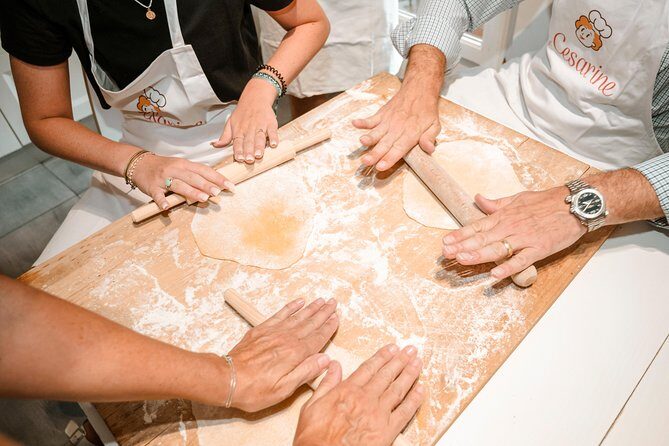
The core of this class is the hands-on work. You’ll learn fresh pasta techniques step-by-step—what to mix, how to knead, and how to shape. You’ll be making classic Italian pasta using traditional Tuscan methods.
Here’s what that means for you, skill-wise:
- You’ll learn what the dough should feel like as it comes together.
- You’ll figure out how to handle the rolling/shaping portion without tearing or drying the dough too fast.
- You’ll get guidance on portioning and forming pasta shapes.
And because you’re working in a home setting, you’ll likely get more practical feedback than in a larger studio. That’s where patience shows up. In past sessions, hosts like Donatella and Ivana were praised specifically for being kind, patient, and excellent at teaching.
Plan to stay focused during this part. Pasta making can look simple from the outside, but it rewards attention. If you want a class where you can actually improve your hands-on skills, this is the right format.
What pasta you might make (and why those choices are smart)
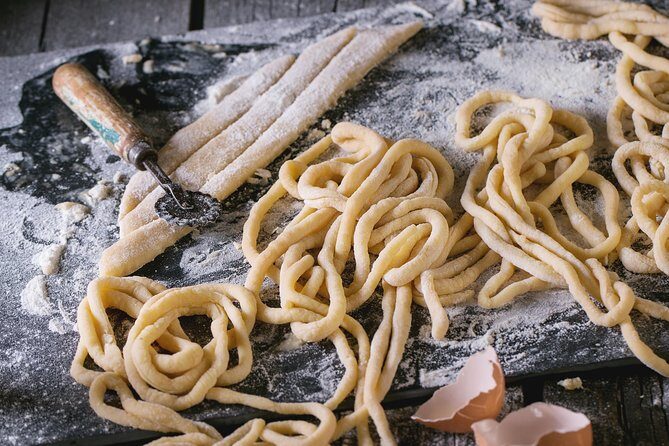
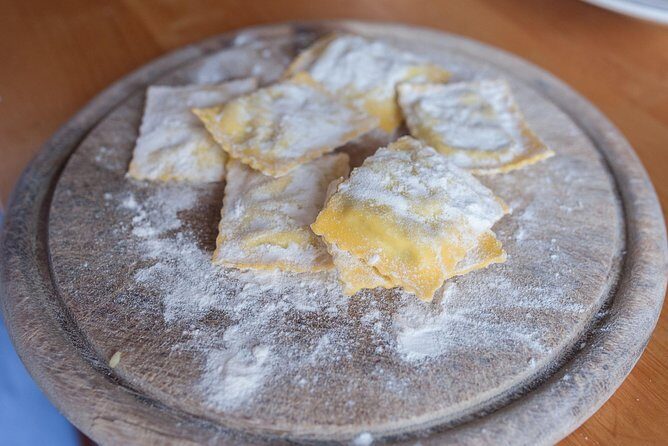
The class can include pasta such as pappardelle, tagliatelle, or ravioli. There’s also a sample regional menu that lists pici, tortelli, and pappardelle.
Why these matter:
- Pappardelle is wide, forgiving, and great for learning shape and thickness.
- Tagliatelle teaches precision and consistent thickness—useful if you want to make pasta at home later.
- Ravioli/tortelli bring the stuffing-and-sealing challenge, so you learn how pasta holds together.
- Pici gives you a taste of Tuscan character; it’s different from the typical “thin ribbon” pasta most people expect.
One thing to keep expectations realistic: the exact combination can vary by class and host. The good news is that every option listed is classic, and the technique lessons transfer across shapes.
If you’re coming with friends or a partner, this variety is also fun. Everyone ends up with something slightly different to compare at the table.
- The Best tour in Florence: Renaissance & Medici Tales – guided by a STORYTELLER
★ 5.0 · 12,316 reviews


The meal part: sit down with what you made
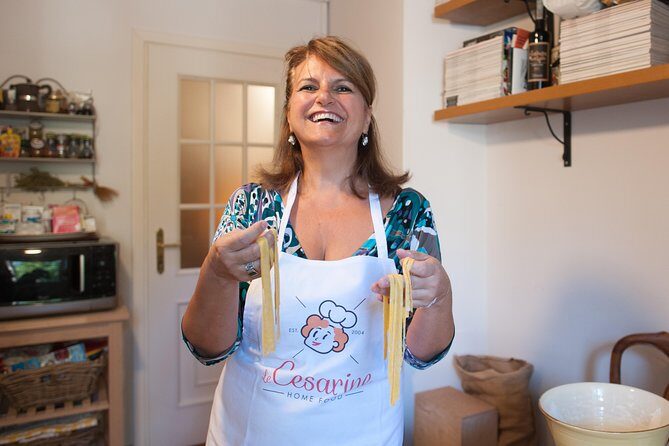
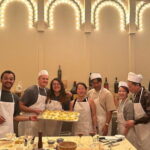
Once the pasta is ready, you gather around the table in a cozy home setting. This is where you eat your work, paired with local wines.
The format is simple:
- You finish shaping/cooking your pasta.
- You sit down together.
- You enjoy the dish you created along with included wine.
Some hosts also add extra touches. One past class mentioned dessert provided by the host, so you might find a sweet finish as well. It’s not guaranteed in the base description, but it’s consistent with the “home dinner” feel.
I like that the meal is part of the lesson, not a separate add-on. You get immediate feedback: Was your dough right? Did your shape hold up? Did your pasta taste balanced with the pairing wine?
Group size, pacing, and the 1.5-hour reality
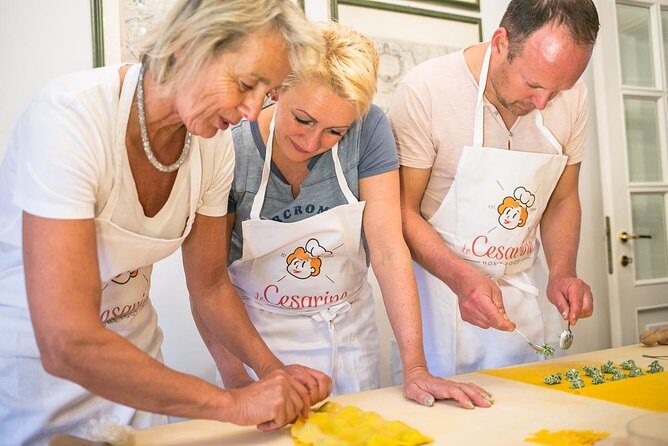
This runs about 1 hour 30 minutes, with a maximum group size of 20. That time window is short enough to keep energy up, but long enough for you to actually do the work.
Still, here’s the practical expectation:
- You’ll have moments of standing and moving around the kitchen.
- You’ll need to listen for technique tips while doing tasks that require both hands.
- You’ll want to stay present. If you spend the first 20 minutes distracted, you’ll miss key dough cues.
Because it’s offered in English, you won’t need to translate instructions mid-process. That matters for pasta technique. Even small misunderstandings can affect texture and shaping.
Also, since it’s a group experience, you may meet fellow pasta fans from different backgrounds. That social layer can be a plus—especially if you like comparing notes as you cook—but it doesn’t turn into a party.
If you’re sensitive to noise or busy settings, consider how social dynamics can affect you. A group of 20 in a home is different from a large restaurant. It’s cozy, not quiet.
Value check: is $70.89 worth it in Florence?
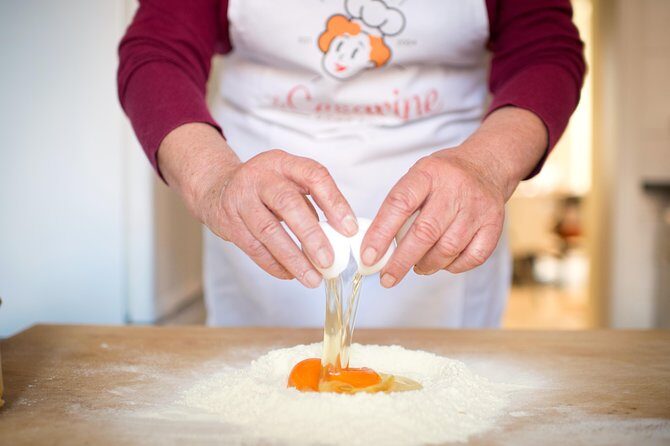
At $70.89 per person for roughly 1 hour 30 minutes, the value depends on what you want out of the trip.
Here’s why it can feel worth it:
- You’re paying for real instruction inside a private home kitchen, not a quick demo.
- You get food and wine included—aperitivo plus complimentary wine (one bottle per three guests).
- You finish with an actual sit-down meal that includes what you made.
If your goal is purely to eat well, you could find a great restaurant for less. But if your goal is to take home a skill and a memory of eating what you crafted, the class format helps justify the price.
Also, this is something people book ahead: it’s commonly booked about 24 days in advance on average. That suggests steady demand, and it often means hosts coordinate schedules carefully. In a small-group home class, that coordination is part of the quality.
My rule of thumb: if you want a hands-on cultural activity that includes a meal and wine, this price range makes sense. If you want a passive “watch-and-leave” activity, it’s harder to justify.
Who should book this (and who might reconsider)
This class is a good fit if you:
- Want a Florence activity centered on food technique, not sightseeing pressure.
- Like meeting hosts who teach with patience (past sessions highlight that strongly, including hosts such as Donatella and Ivana).
- Enjoy shared meals and local wine more than staged food experiences.
- Travel as a couple, family with older kids, or a small group of friends.
In one past experience, couples specifically said it was a standout for a honeymoon-style trip. Another mentioned it worked well for couples and families with teenage and adult children. Those comments line up with the vibe: hands-on, social, and not too long.
Who might reconsider?
- If you’re looking for a mostly seated class with no hands-on work, this isn’t the best match.
- If you’re extremely short on time, 1 hour 30 minutes can be quick, but you’ll still want a calm schedule around it.
Tips so your pasta-making goes smoothly
You’ll get the best results if you treat this like a mini-workshop, not a casual stroll.
A few practical tips:
- Wear clothes you don’t mind getting flour on. Even careful kneading can get messy.
- Listen first, then act. Pasta dough instructions usually make sense once you see the first demonstration.
- Ask questions while you work. If you’re unsure about thickness or sealing ravioli/tortelli, speak up early.
- Stay hydrated during aperitivo and wine. You’ll be active in the kitchen.
- Plan your timing. Because it starts at Via Quintino Sella and ends back there, build in a little buffer before your next reservation.
If you’re coming from a museum day or a long walk across Florence, this can be a great reset—work your hands, then sit down and eat.
Should you book this Florence pasta class?
I’d book it if you want a memorable Florence night with two rewards: learning fresh pasta technique and then eating a real meal in a home setting with wine. The format is short, the group stays small, and the included aperitivo/wine makes it feel like more than a paid activity—it feels like dinner with instruction.
I’d skip or compare alternatives if you hate hands-on cooking, want a longer structured course, or prefer spending your money mostly on restaurants rather than technique. But for many people, especially couples, families with older kids, and food lovers who like to learn by doing, this is the kind of experience that actually sticks.
If you want one decisive sign: the rating is strong (4.7) and the recommendation rate is high (94%). That usually tracks with hosts doing the right kind of teaching and guests leaving with a meal they genuinely helped create.
FAQ
How long is the Florence pasta-making class?
It lasts about 1 hour 30 minutes.
Where is the meeting point in Florence?
The class starts at Via Quintino Sella, Firenze FI, Italy, and ends back at the meeting point.
What is the group size?
The experience has a maximum of 20 travelers.
Is the class taught in English?
Yes, it’s offered in English.
What kind of pasta will I make?
You’ll make fresh pasta by hand, with options such as pappardelle, tagliatelle, and ravioli. The sample regional menu also lists pici and tortelli.
Is food and wine included?
Yes. You get a small appetizer plus an aperitivo at the start, and you enjoy your home-cooked pasta with complimentary local wines (one bottle per three guests).
Is there a mobile ticket?
Yes, the tour features a mobile ticket.
Do I get confirmation after booking?
Yes, confirmation will be received at the time of booking.
Can I cancel for a full refund?
Yes, free cancellation is available up to 24 hours in advance for a full refund.
Is the meeting point near public transportation, and are service animals allowed?
The meeting point is near public transportation, and service animals are allowed.
More Tour Reviews in Florence
- Tuscany Day Trip from Florence: Siena, San Gimignano, Pisa and Lunch at a Winery
★ 5.0 · 21,634 reviews - The Best tour in Florence: Renaissance & Medici Tales – guided by a STORYTELLER
★ 5.0 · 12,316 reviews