REVIEW · FLORENCE
Sunset VIP Chianti wine tour
Book on Viator →Operated by Bespoke Tuscany · Bookable on Viator
Golden hour in Chianti is hard to beat. This Sunset VIP Chianti wine tour mixes wine, olive oil, and small-town wandering with a timed plan for the Golden Hour and sunset, all capped at eight people for a more personal vibe. I especially like the two-winery tasting setup (plus olive oil sampling), and I also like that you get guided cellar time instead of just standing around with a glass. The main thing to think about is the price: at $414.22 per person, it’s a splurge, so you’ll want to be sure you’re in the mood for a wine-forward evening rather than a free-wheeling day with tons of solo exploring.
One more reason this works well is timing. You start at 4:00 pm from Borgo la Croce (50121 Firenze) and build in both vineyard time and a proper hour to wander Castellina in Chianti before you settle into the next tasting stop. It’s offered in English, you’ll have a mobile ticket, and round-trip transport from central Florence is included.
If you’re the type of person who likes learning what makes wines taste different across a small area—altitude, slope, family history, and farming choices—this tour is set up for you. You’ll visit La Castellina (including the Squarcialupi and Ricudda mentions), then get free time in town, then finish with Cantine Guidi in Chianti Classico—all wrapped with snacks, bottled water, and dinner as part of the experience.
In This Review
- Key highlights worth marking on your mental map
- Why sunset timing matters more than you think
- The VIP part: small group comfort from Florence
- Stop 1: La Castellina and the Squarcialupi + Ricudda story
- The Squarcialupi connection
- La Castellina’s vineyard “signature”
- Ricudda: organic wines and territorial expression
- Stop 2: Castellina in Chianti free time for narrow alleys and shops
- Stop 3: Cantine Guidi in Chianti Classico for a real wine education
- Family-run roots since 1929
- Now + next: innovation from the next generation
- Where the grapes are tied to place
- What’s included: tastings, olive oil, snacks, and dinner
- Price and value: what $414.22 is really paying for
- Who should book this sunset Chianti tour?
- Should you book the Sunset VIP Chianti wine tour?
- FAQ
- What is the start time for the Sunset VIP Chianti wine tour?
- Where does the tour meet in Florence?
- Is the tour offered in English?
- How many people are on the tour?
- What wineries are included?
- Is transportation included?
- What’s included with the tastings?
- Can I cancel for a full refund?
Key highlights worth marking on your mental map
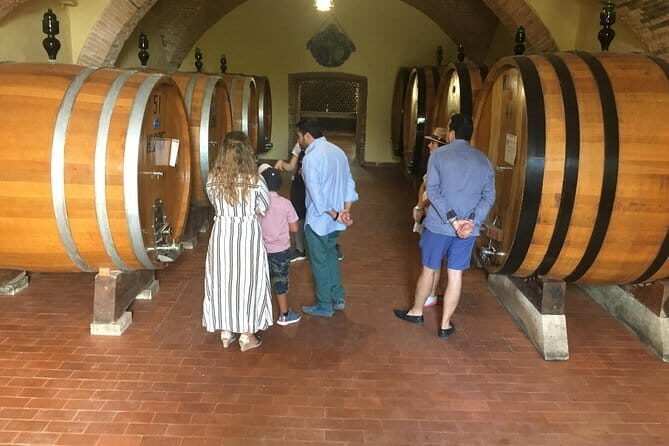
- Eight-person cap keeps conversations flowing and questions from getting lost.
- Golden Hour + sunset planning means the day is paced for late-afternoon light.
- La Castellina tastings include both Squarcialupi-style wines and the Ricudda organic focus.
- Castellina in Chianti free time gives you real time for narrow alleys and boutique shops.
- Cantine Guidi in Chianti Classico blends family know-how (since 1929) with newer ideas.
- Olive oil tasting + dinner included turns it from a quick tasting into a fuller meal-and-mood experience.
Why sunset timing matters more than you think
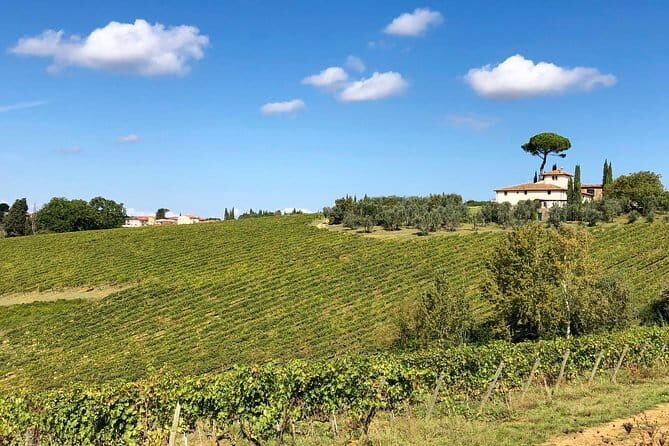
Chianti wine can taste amazing anytime, but late afternoon does something extra. The Golden Hour light makes vineyards and hill villages feel more dramatic, and the pacing of this tour is built around that idea. Instead of racing through tastings like a checklist, you’re given a sequence that lets the region feel like a place, not just a product.
Also, a sunset plan helps you avoid the most common “wine tour mistake”: arriving for the tasting after the best light has passed, then spending your best daylight hours stuck in transport or line-ups. Here, the schedule leans into that moment when everything looks and feels slower. Even if you only catch part of the sunset, you’ll still get the mood shift that makes Chianti feel special.
You can also read our reviews of more tours and experiences in Florence


The VIP part: small group comfort from Florence
You’ll start at Borgo la Croce, 1, 50121 Firenze, with the experience ending back at the meeting point. Round-trip transportation from central Florence is included, which is a big deal if you’re trying to avoid the stress of hiring a taxi twice or figuring out local connections on a clock.
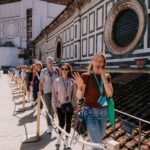
The “VIP” label here isn’t just marketing fluff. The tour is capped at eight travelers, so you’re not competing for attention when you ask something like why one wine leans fruity and floral while another feels more structured. In practice, that small group size usually means:
- you can hear explanations clearly in a cellar setting
- you can compare notes with fewer people interrupting the flow
- you can get guidance on what to pay attention to when you taste
And since the tour is in English, you’ll get context without playing translation roulette.
Stop 1: La Castellina and the Squarcialupi + Ricudda story
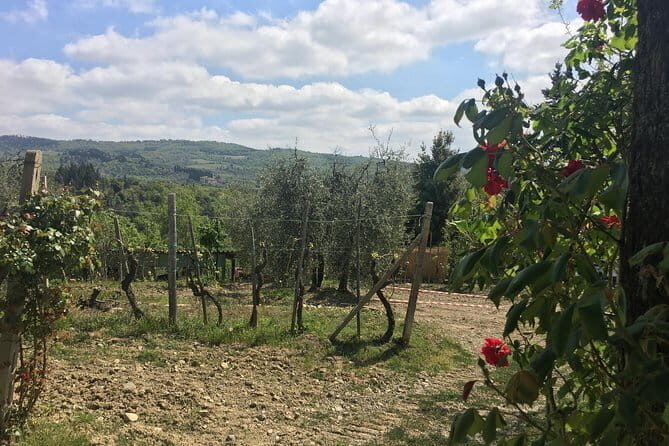
You spend about one hour at La Castellina, with admission included. This stop matters because it sets your “map” of the wines you’ll taste later. Instead of treating wine as something you simply sample, you’re given specific details that explain why certain styles show up from certain parts of the area.
Here’s what’s especially useful from the way the winery is framed:
The Squarcialupi connection
The tour talks about the Squarcialupi family settling in the Squarcialupi Palace in Castellina, using the town’s strategic position. Then you get a vineyard angle tied to the idea of altitude: wines from the oldest vineyards, at about 600 m on the southern hill of Castellina in Chianti, are described as balanced, with fruity and floral aromas.
Why this helps you: when you taste something later that seems aromatic, you’ll have a reference point. You’re not just chasing flavors—you’re learning how the terroir story gets turned into a wine style.
La Castellina’s vineyard “signature”
The description also points out vineyards descending from the south-west slope, producing grapes for the La Castellina line. It’s described as having an imprint of international varieties, bringing body and notes of ripe fruits.
Even if you don’t care about the marketing terms, this is valuable because it gives you a way to compare. You’ll be able to notice texture (body) and ripeness instead of only focusing on sweetness or acidity.
You can also read our reviews of more wine tours in Florence
- Tuscany Day Trip from Florence: Siena, San Gimignano, Pisa and Lunch at a Winery
★ 5.0 · 21,634 reviews

Ricudda: organic wines and territorial expression
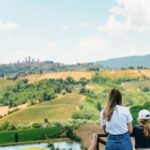
Next comes Ricudda, down at around 350 m, exposed to the south in a natural basin. It’s noted for producing organic wines with “great territorial expression.”
This is the part you’ll probably appreciate most if you like the connection between farming choices and taste. Organic status isn’t magic on its own, but it can be part of a broader approach to how a vineyard is handled. And the fact that Ricudda is described as a specific basin and exposure gives you something concrete to keep in mind while tasting.
Practical tip: since you’ll be tasting at least more than once over the afternoon, pace yourself here. Take a small sip, then switch attention to aroma and texture before going back for another taste.
Stop 2: Castellina in Chianti free time for narrow alleys and shops
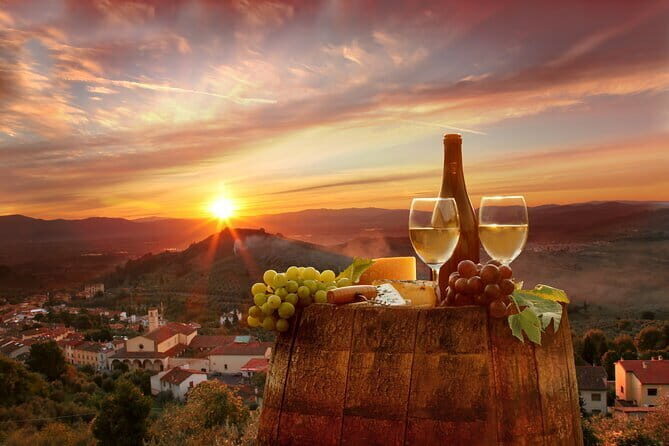
You get about one hour in Castellina in Chianti with admission free. This is your break from cellar time, and it’s also the part that turns the tour from wine-only into a place-based experience.
Use this hour to do two things:
- Walk slowly in the narrow alleys
- Check out boutique shops (this is where you’ll see small local products and giftable items that aren’t just mass souvenirs)
What I like about this setup is that it gives you control without turning the entire tour into self-guided chaos. You’ll likely feel better later at the next tasting because you’ll have had a chance to reset and see the town instead of staying seated and tasting continuously.
One consideration: one hour is enough for a wander, but it’s not enough to do long detours. If you like serious shopping, focus on quality items rather than trying to “cover everything.”
Stop 3: Cantine Guidi in Chianti Classico for a real wine education
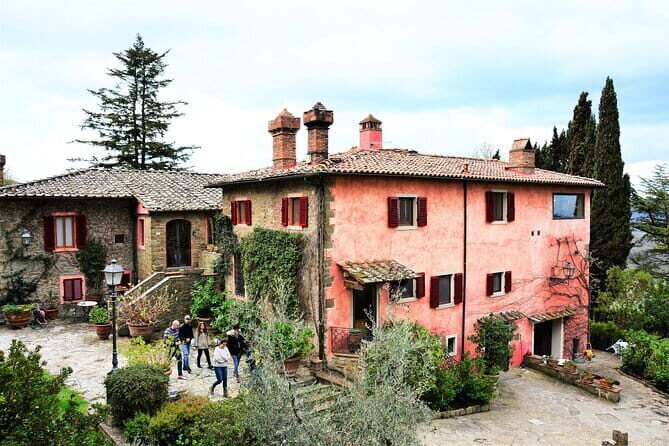
Your final winery stop is Cantine Guidi in Chianti Classico for about two hours, with admission included. This is the stop that leans harder into how the winery works—and why their wines are described as expressions of the Tuscan territory.
Family-run roots since 1929
The winery was founded in 1929, and the story emphasizes a family-run approach—know-how passed from father to son. That kind of long continuity often matters to wine people because it influences style choices and how risk is taken over time.
Now + next: innovation from the next generation
What makes this stop feel current is that the description also mentions the offspring’s creativity joining the established know-how. That mix is positioned as a “winning” balance that renews the winery year after year while still aiming at quality.
Where the grapes are tied to place
You also get a territorial framing: wines from the hills of Chianti Classico and San Gimignano, made with expert hands and a focus on quality “down to the smallest details.”
Why you’ll care when you taste: you can connect what you hear (hills, territory, quality focus) to what’s in the glass (structure, balance, aromatics). Even if you don’t get technical, you’ll start to notice patterns like how a wine holds its character as it warms slightly in your glass.
Practical tip: use the final tasting to ask yourself what you learned at La Castellina. Did one stop feel more floral and aromatic? Did another feel more structured or fruit-forward? This mental comparison is where the education actually sticks.
What’s included: tastings, olive oil, snacks, and dinner

This is not just a “sip and go” situation. The tour includes:
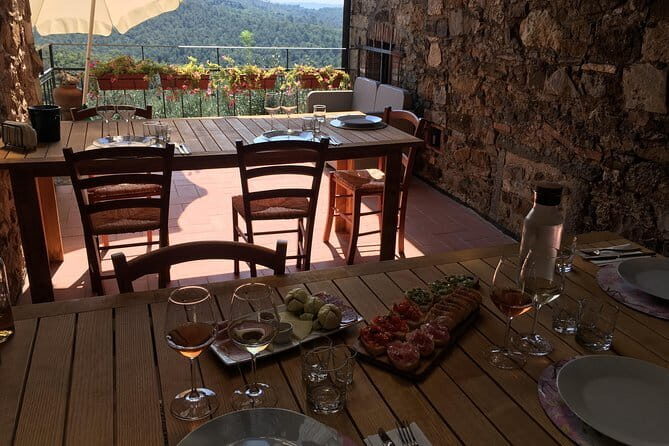
- wine tastings in two different wineries
- extra virgin olive oil tasting
- snacks and bottled water
- a guided visit of the wine cellars
- dinner
- alcoholic beverages as part of the tasting
That matters for value and comfort. Wine tours can get expensive fast if you’re also paying for food and transport separately. Here, the dinner and water/snacks help keep the afternoon from feeling like you’re running on empty while you learn.
Olive oil tasting is also a smart add-on. In Tuscany, it’s not just an accessory to bread—it’s another way to understand how the region works. If you like food experiences, this is one of the best parts to pay attention to, because it’s a direct taste of how the area performs outside wine.
Quick self-check before you go: if you’re avoiding alcohol, be aware the tour includes alcoholic beverages. You can still enjoy the setting and learn, but you’ll want to manage how much you drink.
Price and value: what $414.22 is really paying for
At $414.22 per person, this isn’t bargain territory. But it’s also not just paying for a driver and two tastings. You’re paying for a tightly timed late-afternoon plan, round-trip transport from central Florence, a small group cap of eight, guided cellar time, and the fact that dinner is included.
To judge the value, think in terms of what would cost extra on your own:
- private or semi-private transport for multiple winery stops
- a guided tasting with cellar access
- food at the right time of day
- olive oil tastings plus snacks and water
This tour becomes more worth it when you want the “human” side—asking questions, learning the vineyard logic, and comparing styles with guidance. If you’d rather do a DIY day with public transport and minimal structure, you might feel the cost more than the benefit.
Who should book this sunset Chianti tour?
Book this if:
- you want wine education tied to place, not just sampling
- you like an itinerary that mixes cellars + town wandering
- you appreciate small groups (eight people maximum)
- you’re planning your Florence days and want one easy, transport-covered afternoon-to-evening
Skip or consider something else if:
- you prefer long, unstructured sightseeing over scheduled stops
- you’re price-sensitive and only want basic tastings
- you’re not interested in wine enough to justify two winery visits plus dinner
Should you book the Sunset VIP Chianti wine tour?
I think you should book it if you’re aiming for a “Tuscany afternoon that feels like it has a point.” The best parts here are the combination: Golden Hour timing, two winery stops, and the added olive oil tasting and dinner—all guided, and all done with a small-group cap that makes the learning feel real.
If you do book, go in with a simple mindset: taste for differences, ask about why those differences happen, and use the Castellina hour to slow down. Do that, and the price starts to feel less like a splurge and more like you bought yourself time, guidance, and atmosphere.
FAQ
What is the start time for the Sunset VIP Chianti wine tour?
The tour starts at 4:00 pm and runs about 4 to 5 hours.
Where does the tour meet in Florence?
The meeting point is Borgo la Croce, 1, 50121 Firenze FI, Italy.
Is the tour offered in English?
Yes, the tour is offered in English.
How many people are on the tour?
The tour is capped at a maximum of 8 travelers.
What wineries are included?
You’ll visit La Castellina and Cantine Guidi in Chianti Classico.
Is transportation included?
Yes. Round-trip transportation from central Florence is included, and the tour ends back at the meeting point.
What’s included with the tastings?
Inclusions include wine tastings in two wineries, extra virgin olive oil tasting, snacks, bottled water, a guided visit of the wine cellars, and dinner.
Can I cancel for a full refund?
Yes. You can cancel up to 24 hours in advance for a full refund. After that, the amount paid is not refunded.
More VIP Experiences in Florence

More Tours in Florence


More Tour Reviews in Florence
- Tuscany Day Trip from Florence: Siena, San Gimignano, Pisa and Lunch at a Winery
★ 5.0 · 21,634 reviews - The Best tour in Florence: Renaissance & Medici Tales – guided by a STORYTELLER
★ 5.0 · 12,316 reviews