REVIEW · FLORENCE
The Complete Wine Tour Brunello, Nobile, Chianti wine experience
Book on Viator →Operated by Tuscansafari Srl · Bookable on Viator
Wine day in Tuscany, done right. This full-day outing strings together the big-name wine regions around Florence with medieval towns and real cellar time, not just a quick stop-and-go. You’ll roll through Montalcino, Montepulciano, and Greve, sampling pours of Brunello, Nobile di Montepulciano, and Chianti Classico along the way.
Two things I really like about the format: the day mixes town wandering with winery tastings, and the pace keeps you moving without feeling rushed. One practical drawback to flag up front is lunch is not included, so you’ll need to budget extra when you’re in Montepulciano.
The small-group size is a big deal here. With a maximum of 8 people, you get easier conversations during tastings and more flexibility when the guide is explaining the vineyards and grape choices.
In This Review
- Key highlights to know before you go
- How the Florence-to-Tuscany rhythm works (and why it matters)
- Montalcino: Brunello town walks and winery tastings with real views
- Montepulciano and San Biagio: the Nobile di Montepulciano experience
- Lunch in Montepulciano: what you’re covering (and what you’re not)
- Chianti: winery learning tied to what’s in your glass
- Greve free time plus optional olive oil and wine add-ons
- What you really taste: Brunello, Nobile, Chianti Classico in context
- Group size, timing, and transport: what to plan for
- Price and value check for $449.43 per person
- Who this tour fits best
- Should you book the Brunello, Nobile, Chianti day from Florence?
- FAQ
- Where is the meeting point?
- What time does the tour start?
- How long is the tour?
- How many people are in the group?
- What wines are included in the experience?
- Is lunch included?
- What can I do in Greve during free time?
- Is an extra wine or olive oil tasting available?
- Is there an age limit for drinking?
- What happens if weather is bad?
Key highlights to know before you go
- Max 8 people: more speaking time with the guide and less waiting around at tastings
- Three towns, three wine identities: Montalcino for Brunello, Montepulciano for Nobile, Chianti for Chianti Classico
- Castle viewpoints in Montalcino: historic streets plus photo-ready countryside angles
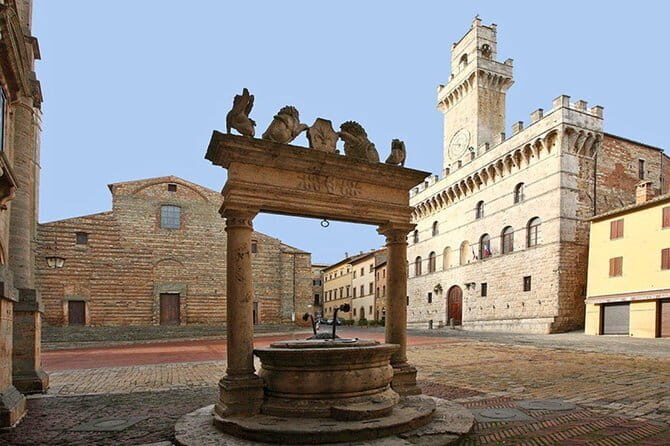
- San Biagio in Montepulciano: a free-time anchor point that helps you structure your walk
- Greve free time plus a Saturday market: good odds for a local-food and souvenir add-on
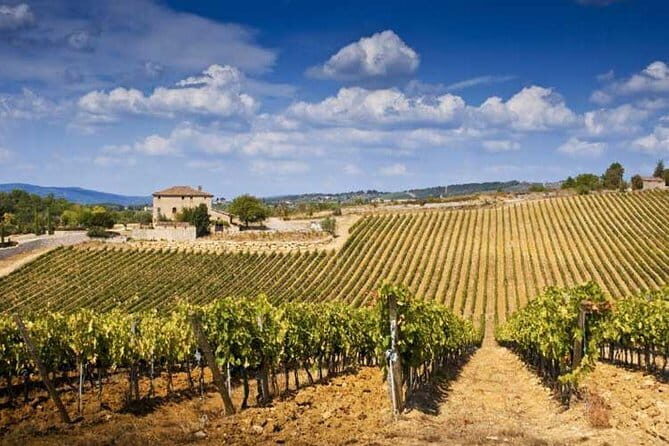
- Sangiovese-focused winery lesson: you’ll learn how the grapes are grown before tasting
How the Florence-to-Tuscany rhythm works (and why it matters)
The day runs for about 10 hours, starting in the morning from the Florence area. The meeting point is listed as Piazza Adua (near public transportation), and the instructions also reference meeting your guide at Santa Maria Novella station. Either way, plan to arrive early so you can get your bearings fast and start tasting without stress.
You’ll travel in a private vehicle with a small group. That matters on Tuscany days: rolling hills mean a lot of time behind the glass, so having a comfortable ride and a guide who can set context makes the drive feel like part of the experience instead of downtime.
Dress code is smart casual. I’d treat that as a gentle guideline: comfy walking shoes matter most, since you’ll have free time in medieval towns and time for winery visits.
You can also read our reviews of more wine tours in Florence
- Tuscany Day Trip from Florence: Siena, San Gimignano, Pisa and Lunch at a Winery
★ 5.0 · 21,634 reviews

Montalcino: Brunello town walks and winery tastings with real views
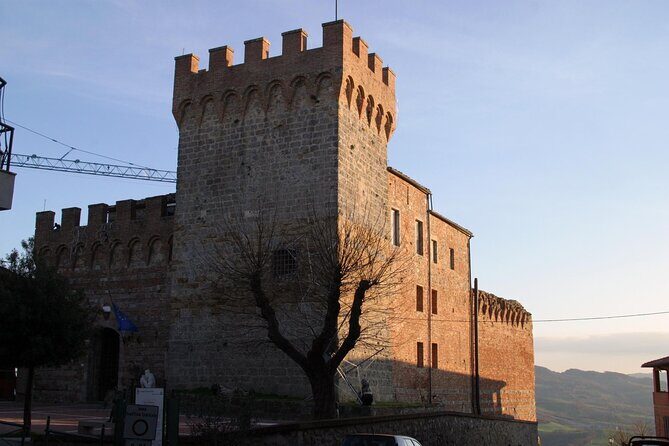
Montalcino is usually the first big “wow” stop because the town sits above the countryside. You’ll start with a winery stop, then head into Montalcino with time to explore winding streets and historic buildings tied to Brunello.
In town, you’ll have a chance to visit a wine bar and taste local wine, then go for a castle visit. The castle part is where the day earns its photos: you get elevated, sweeping views over the surrounding hills, and it helps you understand why these growers care so much about sun, slope, and drainage.
One thing to plan for: Montalcino is a walk-through town. Even if you don’t climb every angle, you’ll still cover enough streets to make shoes count. If you’re hoping for long breaks, know that the day is designed around frequent short segments rather than a single long sit-down.
Montepulciano and San Biagio: the Nobile di Montepulciano experience
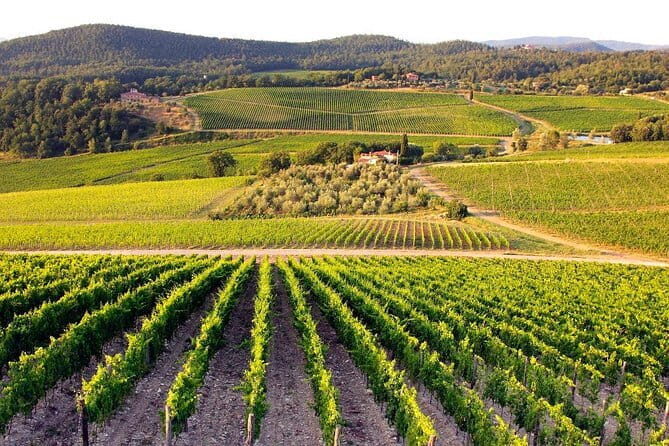
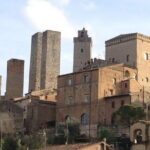
Next comes Montepulciano, another medieval hill town where the center feels classic and compact. You’ll have free time to wander on your own and visit the church of San Biagio, which is a great built-in target for a half-day feeling.
After time in town, the tour includes tasting Il Nobile di Montepulciano. This is the moment where the day shifts from one famous name to another, and it helps you see how two neighboring areas can produce different expressions of Italian wine culture.
Then comes the tasting rhythm. One of the standout notes from real-world experience is that the pours can turn into full glasses at multiple winery stops, not just tiny sample sips. That’s the kind of detail that makes a wine tour feel like a true tasting day instead of a “footnote” to sightseeing.
If you’re the type who likes asking questions, Montepulciano is a good time to do it. You’ll be in town, then back with a tasting setting, so you can connect what you’re seeing (stone, streets, the hill town feel) with what you’re tasting (Nobile).
Lunch in Montepulciano: what you’re covering (and what you’re not)
Lunch happens after your Montepulciano time and tasting. It’s listed as lunch in a restaurant, and it’s own expense.
So treat lunch as your reset button. Have something that won’t weigh you down too much if you’re continuing to taste in the afternoon, but also accept that you’re paying for this meal yourself as part of the day’s cost structure.
A smart move: keep your lunch timing practical. If you drift into a late lunch, your afternoon winery visit can start to feel like a squeeze, especially since you’ll still need time to enjoy Greve later.
Chianti: winery learning tied to what’s in your glass
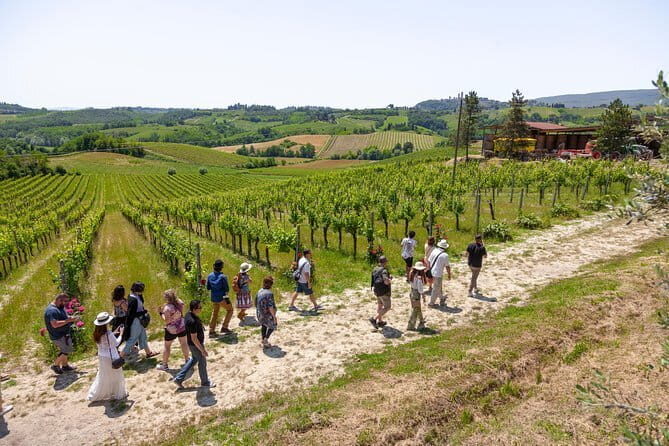
In the afternoon, the tour moves into Chianti country. You’ll stop at a winery for tastings of Chianti Classico, with time to learn about the cultivation and what shapes the wines.
This section is valuable because it’s not just about tasting; it’s about connecting grape and vineyard choices to flavor. The tour is clearly built around the idea that you should understand what you’re drinking while you’re still in the region that made it.
If you’re curious about how Sangiovese expression varies, this part sets up the later winery visit too. Even without deep technical training, you’ll pick up enough context to make the different styles feel more distinct instead of just “all red wine tastes similar.”
Plan for the fact that tastings can stack. By Chianti time you’ll have already sampled wine in multiple places, so pacing matters. Take small notes, sip water when you can, and try to stay present for the winery explanations instead of trying to remember everything later.
- The Best tour in Florence: Renaissance & Medici Tales – guided by a STORYTELLER
★ 5.0 · 12,316 reviews

Greve free time plus optional olive oil and wine add-ons
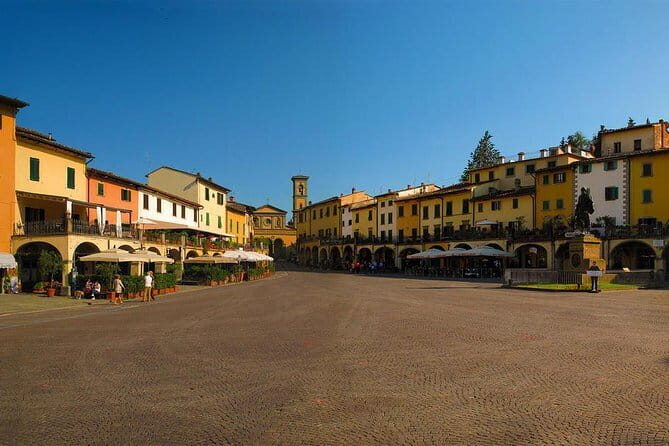
After Chianti, you’ll descend toward Greve. Greve is a great “slow down” moment built into the itinerary, because you’ll have free time to look around on your own.
If your day lands on a Saturday, there’s a specific bonus to watch for: the weekend market. That’s the kind of stop where you can grab snacks, taste local products, and find souvenirs without it feeling like a tourist trap.
You can also ask your guide about adding an extra tasting in town. The tour says the guide can set up a wine or olive oil tasting in Greve, and it would be optional with an additional expense. If you like to understand how local agriculture connects to what’s poured at wineries, this is the add-on that can make the day feel even more complete.
After Greve, you’ll head out of town to visit a classic Tuscan winery where you’ll meet an onsite guide. The focus here is cultivation of the local Sangiovese grapes, followed by wine tasting.
This final winery stop is a strong closer because it ties the whole day together: you go from medieval town atmosphere to structured learning, and you end with tasting that reflects the grape story you’ve been building all day.
What you really taste: Brunello, Nobile, Chianti Classico in context
This tour is built around three named wine identities, and that’s why it works for most people. Instead of generic “red wine tasting,” you get a structured comparison: Brunello from Montalcino, Nobile di Montepulciano from Montepulciano, then Chianti Classico from the Chianti zone.
The value here is in the pacing and switching. Each town has its own feel, so the wine doesn’t float in a vacuum. You’re tasting while you’re literally walking through the same kind of old-world settings that shaped these winemaking traditions.
You’ll also get cultivation talk along the way. Even if you’re not aiming for a viticulture course, it helps your palate. It’s easier to notice differences when you’ve got context like grape choices and how they’re grown, and the tour explicitly includes cultivation learning at the winery stops.
And yes, the pours can be generous. One of the most repeated positive signals from actual experience is that tastings can become full glasses at two of the three winery stops. That’s a big quality marker for a wine day, because it turns the experience into something you can taste-test in a way that feels satisfying.
Group size, timing, and transport: what to plan for
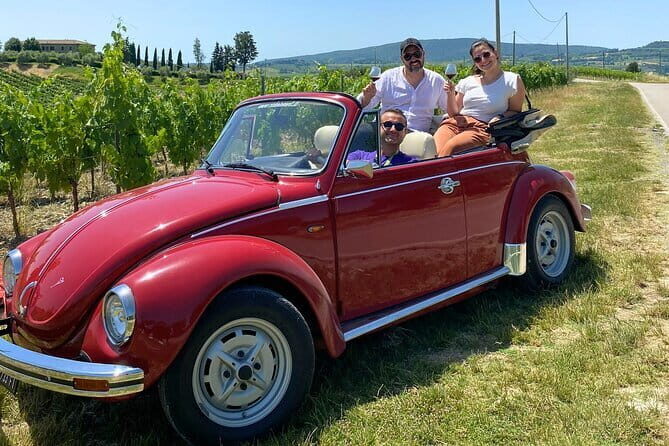
The tour caps at 8 travelers, which changes how the day feels. You’ll spend less time waiting and more time listening. In wine country, that’s not a small detail. Tastings are social by nature, and the smaller group makes it easier to get answers, compare impressions, and actually talk.
Expect a full day with a lot of moving parts: town walking, wine bar time, multiple tastings, and a couple of free-time blocks. If you’re the type who likes to linger in one place, you’ll need to practice letting moments be shorter. The tradeoff is you get three towns and multiple wine experiences in one shot.
Also note the tour has a smart casual dress code and a minimum drinking age of 18. If your group includes non-drinkers, plan on them still enjoying the scenery and town walking, but they should confirm how tasting participation works for under-18s because the tour data only specifies the drinking age limit.
Good weather matters. Since you’re outside for town time and views, bad weather can change the plan. The experience notes that it requires good weather, and if it’s canceled due to poor weather you’ll be offered another date or a full refund.
Price and value check for $449.43 per person
$449.43 per person is not a budget price. But for a full-day wine route from Florence that includes multiple guided stops, tastings in winery settings, and a small group in a private vehicle, you’re paying for convenience plus structure.
Here’s what you’re really buying:
- Time-savings: you don’t have to figure out trains or car rentals to reach three separate wine towns
- Guided context: tastings come with cultivation explanations rather than just a pour and goodbye
- Small-group access: max 8 people means more attention during tastings
- Town experience built in: Montalcino, Montepulciano, and Greve aren’t just names on a map
The tasting value is helped by the fact that pours can be full glasses at multiple stops, based on real experiences. That reduces the feeling that you’re paying mostly for scenery. You’re paying for a day where both the landscape (literally the view) and the wine lesson are the main event.
If you’re going to pay for wine in Tuscany anyway, this tour turns that spending into an organized itinerary instead of random stops where you might not know what you’re choosing.
Who this tour fits best
This works especially well if you want a “best of” Tuscany wine day without the stress of driving yourself. It’s also a good choice if you like comparisons: Brunello vs. Nobile vs. Chianti Classico, in the towns that gave them their reputations.
You’ll likely enjoy it if you’re comfortable with a long day and walking in hill towns. If you prefer ultra-slow pacing or minimal steps, you may find the structure a bit tight.
Because the group is small and the tastings are guided, it also suits people who enjoy asking questions and learning what makes each area’s wine style different.
Should you book the Brunello, Nobile, Chianti day from Florence?
If your goal is a classic Tuscany wine day with real town atmosphere and guided tastings, this is a strong pick. The combo of Montalcino + Montepulciano + Greve plus winery learning and a small-group cap makes it feel like a full experience rather than a rushed sampler.
Book it if:
- You want multiple wine styles in one day, with named regional focus
- You like medieval towns and want a guided reason to visit them
- You’re okay handling lunch on your own and staying out for a full 10 hours
Skip it or think twice if:
- You hate long days on your feet
- You’re looking for meals and transport that are fully included (lunch is own expense)
- Weather can be an issue for you and you need an itinerary that works no matter what
If you’re ready for a structured wine-and-town day that feels generous at the tastings, this one makes sense.
FAQ
Where is the meeting point?
The meeting point is listed as Piazza Adua, 50123 Firenze FI, Italy. The tour instructions also reference meeting at Santa Maria Novella station in Florence.
What time does the tour start?
Start time is listed as 8:30 am.
How long is the tour?
The duration is about 10 hours.
How many people are in the group?
The tour has a maximum group size of 8 travelers.
What wines are included in the experience?
You’ll taste wine from Montalcino, Montepulciano, and the Chianti area, with pours of Brunello, Nobile di Montepulciano, and Chianti Classico.
Is lunch included?
Lunch is not included. It’s listed as lunch in a restaurant (own expense).
What can I do in Greve during free time?
You’ll have free time to look around on your own in Greve. If it’s a Saturday, you can also check out the weekend market.
Is an extra wine or olive oil tasting available?
Yes. The guide can set up an optional wine or olive oil tasting in town for an additional expense.
Is there an age limit for drinking?
The minimum drinking age is 18.
What happens if weather is bad?
This experience requires good weather. If it’s canceled due to poor weather, you’ll be offered a different date or a full refund.
More Wine Tours in Florence
- Tuscany Day Trip from Florence: Siena, San Gimignano, Pisa and Lunch at a Winery
★ 5.0 · 21,634 reviews
More Tours in Florence

More Tour Reviews in Florence
- Tuscany Day Trip from Florence: Siena, San Gimignano, Pisa and Lunch at a Winery
★ 5.0 · 21,634 reviews - The Best tour in Florence: Renaissance & Medici Tales – guided by a STORYTELLER
★ 5.0 · 12,316 reviews