REVIEW · ASSISI
Truffle Hunting Experience with a Guide
Book on GetYourGuide →Operated by Puckie Bucciarelli · Bookable on GetYourGuide
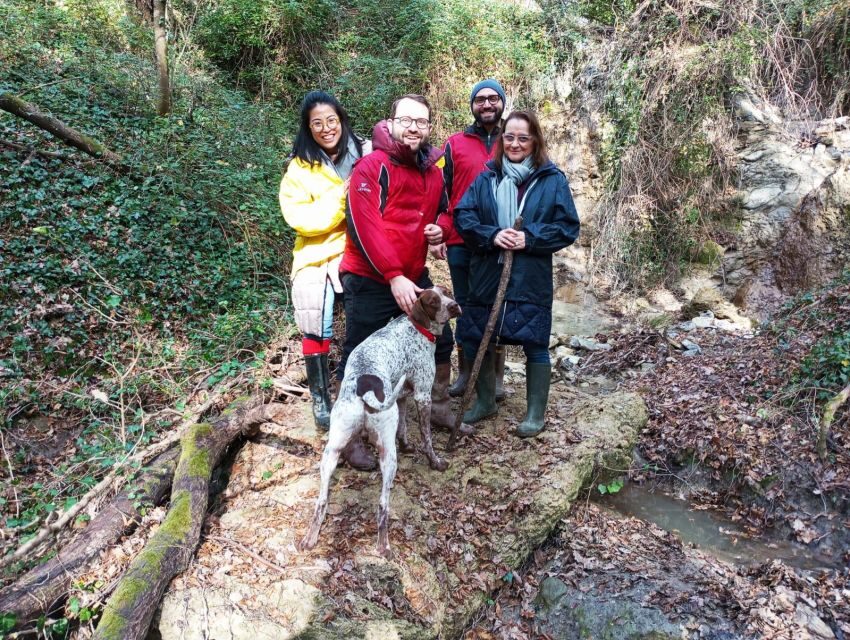
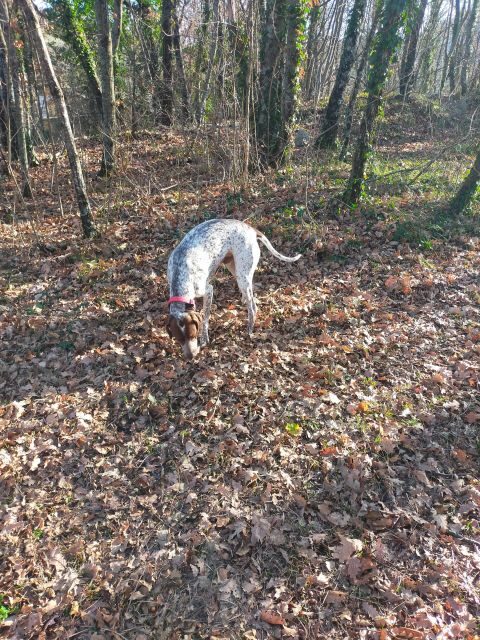
Dogs do the hunting, not you. This truffle hunt in Assisi turns a simple walk into a scent-driven mission, with guide Samuele and his dog Lordy reading the woods like it’s a map. I love how quickly you see the dogs work—tracking aromas in the air and even homing in when the truffle is underground.
The second thing I like a lot is the payoff in your brain, not just your camera roll. You get a real lesson on truffle types by season, where they grow best, plus practical storage and cooking tips, and even a look at local history and current hunt regulations. The one drawback to keep in mind: at its core, it can feel like a walk in the woods for about 1.5–2 hours, so if you want a big food tasting moment at the end, you may want to ask what’s included.
In This Review
- Key things you’ll notice right away
- Why truffle dogs in Assisi feel like real wizardry
- The first stretch: meeting your guide and getting ready for the hunt
- Following scent through woods and along the water
- What you learn in the field: truffle types, seasons, and habitat
- The hands-on part: when a truffle is found
- The snack-and-drinks pause: practical comfort after muddy work
- Price and value: is $71 fair for 2 hours?
- Who this truffle hunt suits best (and who should think twice)
- Tips to make your day smoother
- Should you book this truffle hunting tour in Umbria?
- FAQ
- How long is the truffle hunting experience?
- Where does the experience take place?
- What’s the group size?
- What languages are offered?
- What should I bring?
- What’s included in the price?
Key things you’ll notice right away
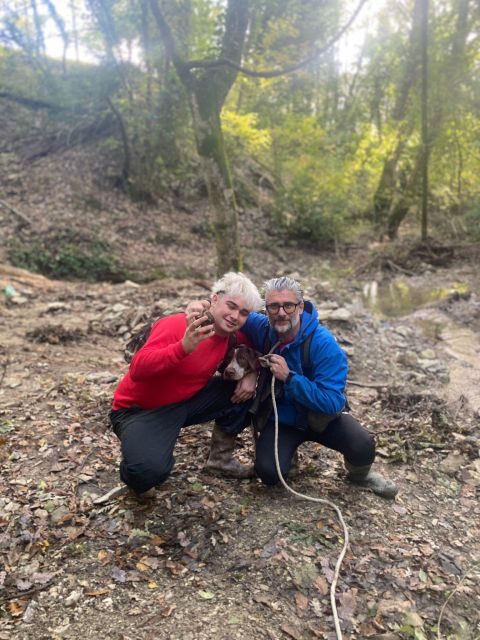
- Trained truffle dogs track scents in the air and help you find what’s hidden underground
- Small group (max 10) means you’re not lost in a crowd
- Assisi countryside setting includes woods and often the water’s edge (streams)
- Seasonal know-how covers what truffles you’re likely to encounter and where
- Hands-on style guidance includes digging up (when you locate one)
- Water, soft drinks, and snacks help you keep it comfortable during the hike
Why truffle dogs in Assisi feel like real wizardry
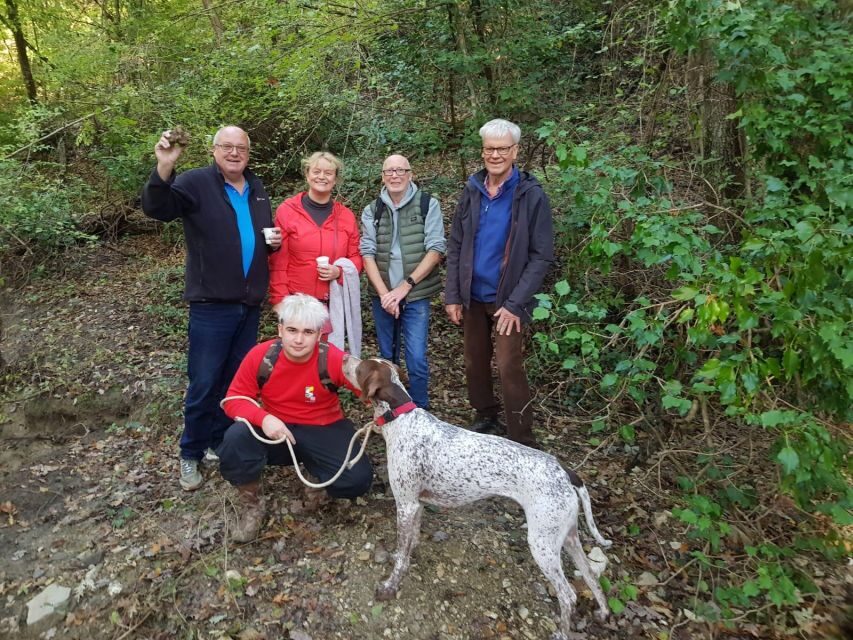
Let’s be honest: truffles sound romantic. This tour makes them practical. The big difference here is the system. You follow a guide, yes—but you also follow trained dogs that can detect scent behavior you would never notice on your own.
When the dogs start tracking, it changes your pace and your attention. You stop guessing what you’re seeing. Instead, you watch the dogs react: head up, focus tighten, and then that moment when they indicate a specific spot underground. From there, the guide helps you understand what’s happening—how the scent situation works once the dog is on target.
And I like that the experience doesn’t treat truffles like museum objects. It’s presented as something with rules, timing, habitat, and handling care. That’s when it starts to feel worth your time, not just your curiosity.
You can also read our reviews of more guided tours in Assisi
The first stretch: meeting your guide and getting ready for the hunt
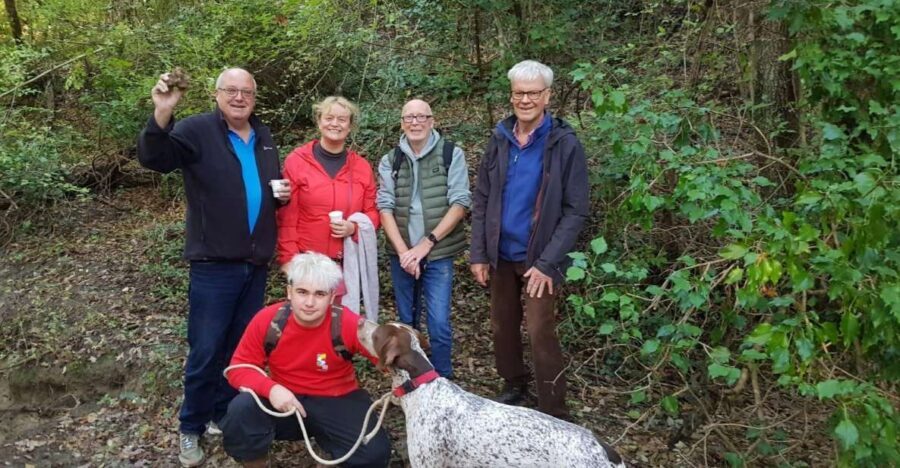
You’ll meet your guide for a 2-hour outing in the Assisi countryside. The exact meeting point can change depending on the season and local logistics, so it’s smart to confirm before you go. Once you’re there, the vibe is simple: comfortable shoes, listen up, and follow instructions.
A small group matters here. With a limit of 10 participants, Samuele can keep things moving without losing people. That’s not just nice—it helps you stay engaged, because the dogs’ search patterns can shift quickly and you don’t want to be stuck behind a bottleneck.
What to bring is straightforward and very real: comfortable shoes. The terrain is countryside-hiking territory. Even if it’s not muddy every day, you’ll be walking on uneven ground and along areas that can be slippery. Wear something you can trust, not your prettiest sneakers.
Following scent through woods and along the water
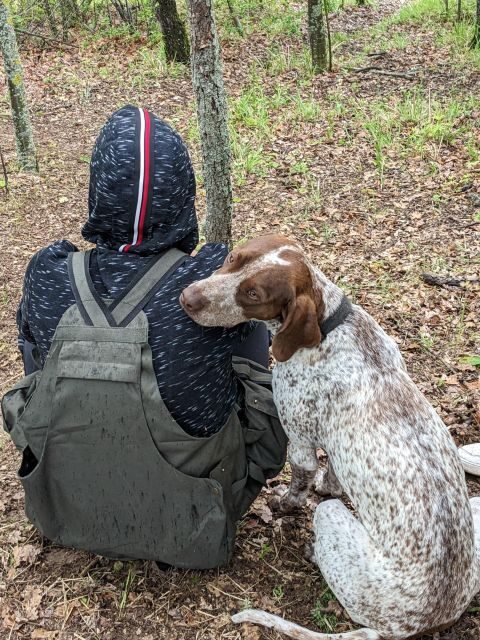
The walk itself is guided, but not in a straight-line way. You’re not just strolling a trail. The dogs lead the effort, and you react to what they’re picking up.
Expect time in the woods, and often time near streams. This matters because it helps you understand why truffles show up where they do. Water and wooded ground change how scent carries and how the dogs interpret airflow. You’ll likely see the dogs work both at a distance and closer in as the scent situation sharpens.
One of the most impressive moments is how far the dogs can work. The tour description and the overall experience focus on scent tracking in the air—even when the dogs are several meters away from the final find. You’ll see that the dogs aren’t just reacting after you’re already standing on a patch of soil that looks interesting. They’re making a leap based on scent signals.
There’s also a teaching moment baked in: once the dogs indicate a location underground, you can watch how the process narrows down. In plain terms, the dog is focused on the right signal and ignores a lot of background smell. It’s not just luck; it’s training plus the right environment.
What you learn in the field: truffle types, seasons, and habitat
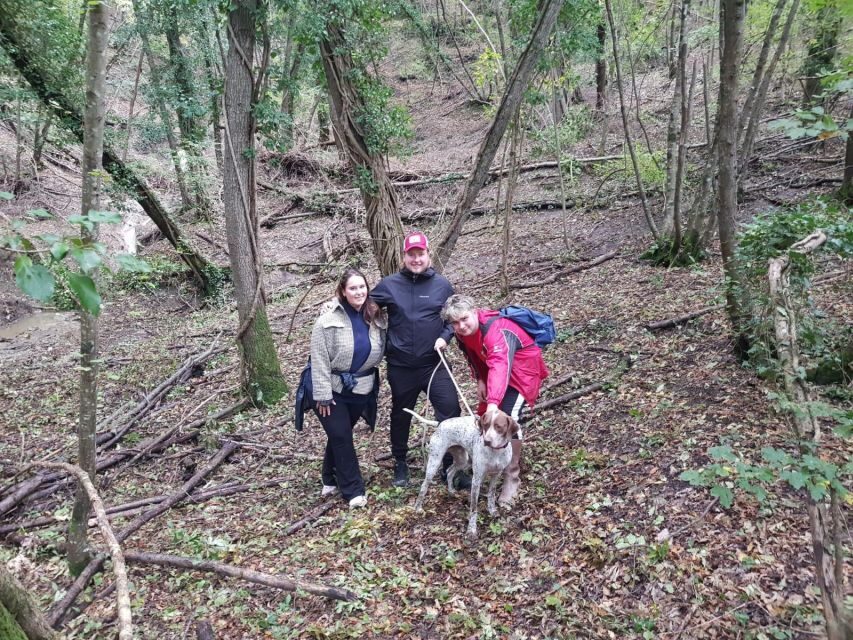
This tour’s real educational value comes from how your guide frames truffles. Instead of treating them like a single product, you learn about different types of truffles found in the area and how those vary by season.
That “season” piece is more than trivia. It helps you understand why truffle hunting isn’t the same experience year-round. If you go at the wrong time, the woods might look identical but the hunt will feel different—or slower. If you go during a more active period, your chance of success and the energy of the dogs can be higher.
You’ll also learn about the environments where truffles grow best. Again, that’s not just botanical detail. It’s a way to connect the hunt to the landscape features you’re actually walking through: wooded ground, soil conditions, and the kind of setting the guide says is most suitable.
The hands-on part: when a truffle is found
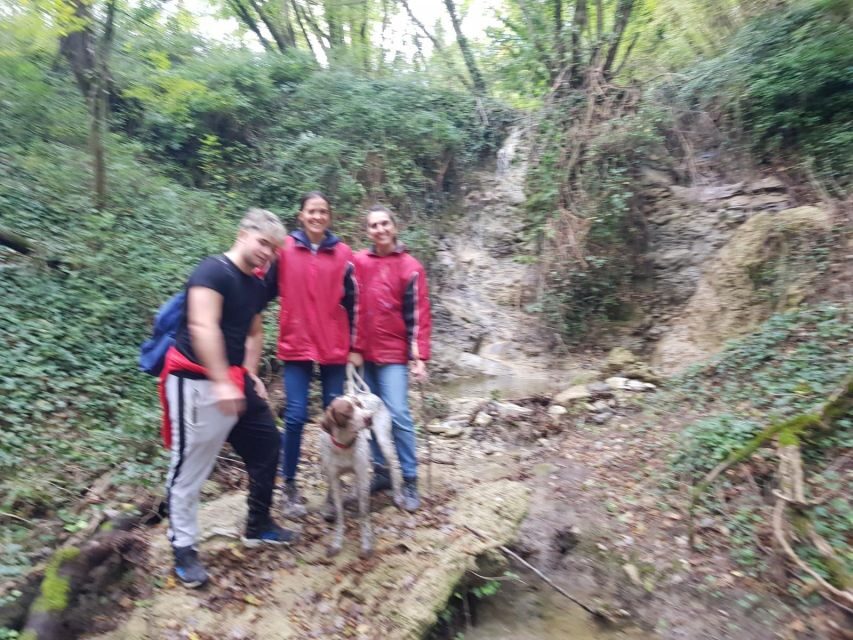
When the dogs locate something, the experience shifts from walking to discovery. You’ll see how the hunt transitions from scent tracking to the practical work of finding what’s underground.
A key highlight is that you don’t just watch passively. Reviews point out that people dig up the truffles themselves, with guidance from Samuele. That’s a big deal for value. You’re not paying just for a photo op. You’re learning how the hunt turns into an actual result.
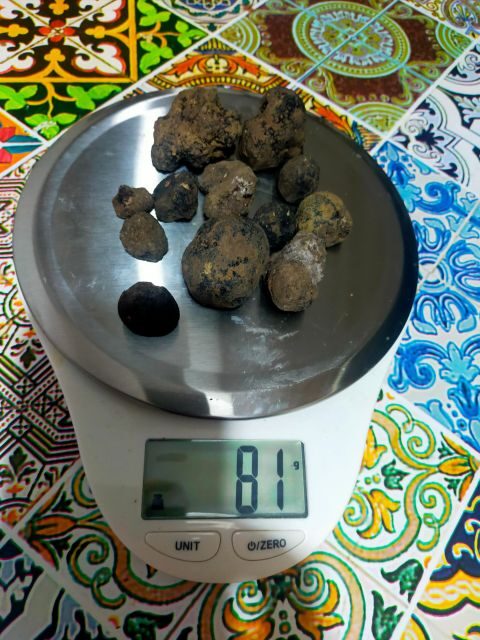
And yes, you may take truffles home if the group finds them. Multiple people noted taking some truffles to keep, and that makes the trip feel less abstract. Still, how many you find can vary day to day. So I’d think of this as an experience that can produce a souvenir of sorts, not a guaranteed haul.
Also pay attention to how your guide talks about handling. You’ll hear basics about storage and cooking, which is exactly what you need if you do end up with truffles. Without that, you’re left with a fragile ingredient and zero plan.
The snack-and-drinks pause: practical comfort after muddy work
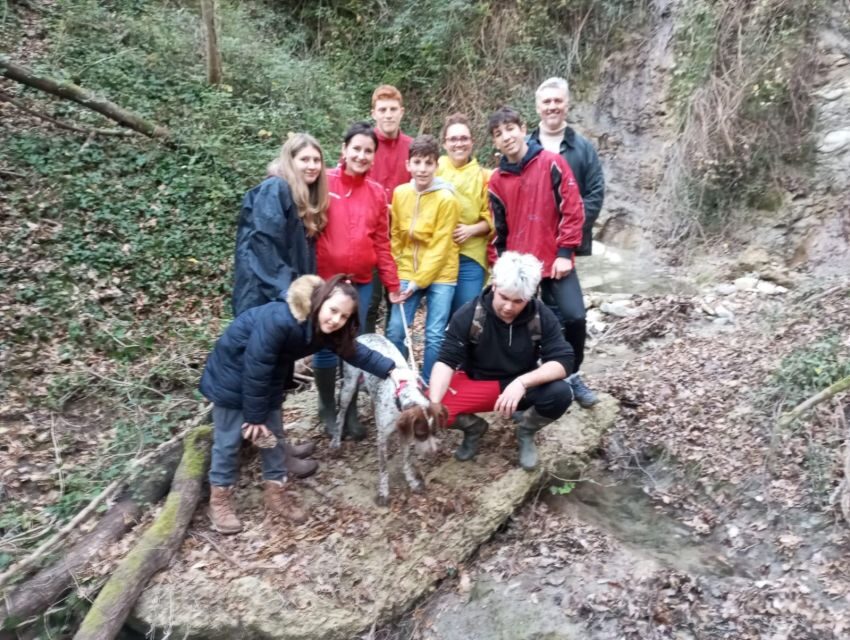
After the hunt, you get a relaxed break with water, soft drinks, and snacks. This is where the tone turns convivial. You’re not racing the clock anymore, and it’s a chance to ask questions while things are still fresh in your mind.
I like this part because it turns the tour into a shared experience, not a guided lecture. Samuele can connect what you saw—dog behavior, where they signaled, and how that relates to truffle reality—with what you’ll do next if you want to use truffles back home.
One thing to flag: there’s no specific guarantee of a sit-down tasting menu in the information you have. A review raised the point that the overall experience could feel pricey if it stays mostly at “walk + find + instruction.” If food tasting is your top priority, it’s worth asking in advance whether there’s a tasting element beyond snacks.
Price and value: is $71 fair for 2 hours?
Let’s talk money honestly. At $71 per person for a 2-hour small-group experience, you’re paying for several things you can’t easily DIY:
- Guide expertise (Samuele talks truffles and local context)
- Trained dogs doing the hard part
- Time in the field where scent tracking actually makes sense
- Snacks and drinks included
If you compare it to a self-guided countryside walk, it’s obviously more. But the dogs plus instruction are the core “product.” In that sense, the price starts to make sense. You’re buying a guided hunt with animals that turn truffles from mystery to process.
That said, I agree with the caution: if you expect a full-on food experience at the end, you might judge the value differently. In other words, this is best for people who enjoy the hunt itself—watching the dogs, learning the seasonal rules, and understanding how to handle truffles once you have them.
Also, the small group limit of up to 10 participants helps value. It keeps the guide’s attention on you and makes the walk feel more personal.
Who this truffle hunt suits best (and who should think twice)
This tour fits you if you want:
- A guided outdoor activity in Assisi countryside
- A hands-on feel, including learning how truffle hunting works in practice
- The chance to see truffle detection up close with Lordy and Samuele explaining what’s happening
- Practical take-home knowledge: storing and cooking tips
It may be less ideal if you want a primarily indoor or heavily food-focused experience. The format is a walk with stops tied to what the dogs find. Even when it’s engaging, it’s still outdoors and still movement-heavy.
It’s especially good for families, based on how people described it with kids around ages 7–9. If your group likes animals and short nature missions, this will feel like fun learning instead of homework.
Tips to make your day smoother
A few practical things will improve your experience fast:
- Wear sturdy shoes. The countryside walking component is real.
- Plan for changing meeting points. Confirm ahead of time so you don’t waste your first 15 minutes.
- Ask about likely truffle types for the season you’re visiting. You’ll get more out of the lesson if you know what you might see.
- If you care about tasting, ask what’s included. Snacks and drinks are included; a full tasting session isn’t stated as part of this setup.
- Bring questions. This is one of those activities where good questions make the guide’s explanations stick.
Should you book this truffle hunting tour in Umbria?
Book it if you’re excited by the process: dogs tracking scent, a guide explaining seasonal truffle basics, and a countryside outing in the Assisi area that ends with snacks and practical cooking/storage tips. I think this is one of the better “activity + learning” formats you can do in Umbria because the animals aren’t a gimmick—they’re the method.
Skip it or ask more questions first if you’re mostly hunting for a big gastronomic finale. The experience can be walk-forward, and while you’ll learn a lot, it’s not guaranteed to be a multi-course tasting event.
FAQ
How long is the truffle hunting experience?
It lasts 2 hours.
Where does the experience take place?
It takes place in the countryside of Assisi in Umbria, Italy.
What’s the group size?
It’s a small group limited to 10 participants.
What languages are offered?
The live tour guide speaks Italian and English.
What should I bring?
You should bring comfortable shoes.
What’s included in the price?
The tour includes the 2-hour truffle hunting experience, a live guide, trained truffle dogs, plus water, beverages, and snacks. Transportation to and from the activity and personal expenses are not included.