REVIEW · ASSISI
Umbria Traditional Cooking Class in Assisi countryside
Book on Viator →Operated by Umbria con Me · Bookable on Viator
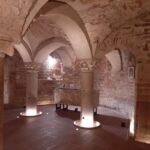
A cooking class in the Assisi countryside feels like a secret shortcut to real Umbrian flavor. You’ll work side-by-side with a local host in a family-run cellar, learning how to make focaccia and fresh pasta from seasonal ingredients, then sit down for lunch paired with organic wines. Two things I really like: the hands-on lessons (you actually do the work) and the guided tasting of 6 wines with your meal. One thing to think about first: there’s no transportation, and the site is about 10 minutes by car from Assisi, so you’ll want to plan how you’ll get there.
This runs about 4 hours and keeps the group small (up to 15 people), which makes it feel more personal than a big tour. If you’re traveling with food restrictions, a vegetarian option is available—tell them at booking.
In This Review
- Key points before you go
- Why Assisi Countryside Cooking Beats a City Food Tour
- Getting to the Winery: Meet on Via della Cannella
- The Hands-On Cooking Lesson: Focaccia, Ravioli Pasta, Veg Pizza, Tozzetti
- Focaccia: soft inside, crunchy outside
- Fresh pasta for ravioli: the “perfect” shape isn’t only about looks
- Vegetarian pizza: Umbria’s garden logic
- Typical tozzetti (biscotti-style) for dessert
- Cooking with seasonal ingredients from an organic garden
- Wine Tasting While You Cook: 6 Organic Wines Plus Olive Oil
- Lunch at the cellar: you eat what you made
- Small group size: how it changes the whole vibe
- Price and value: what you’re paying for at $300.98
- Who should book this cooking class (and who might not)
- Tips so you get the most out of your day
- Should You Book Umbria con Me in Assisi?
- FAQ
- What time does the cooking class start?
- How long is the experience?
- Where do I meet for the tour?
- How far is the winery location from Assisi?
- What’s included in the price?
- Is a vegetarian option available?
- How many people are in the group?
- What wines are included in the tasting?
- Is there free cancellation?
Key points before you go
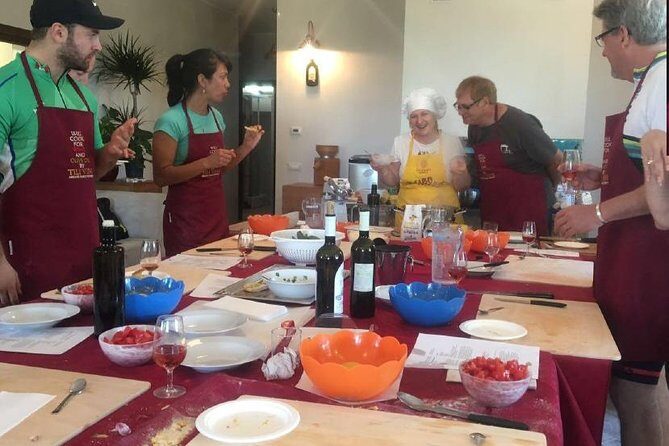
- Family-run cellar setting: you cook in a real winery environment, not a demo room.
- Hands-on recipes: focaccia, fresh pasta, vegetarian pizza, and typical tozzetti/biscotti-style sweets.
- Organic wine + olive oil tasting: you’ll taste and learn while you cook.
- 6-wine guided lunch pairing: you eat what you make and drink what you learned about.
- Small group size: up to 15 people means more hands, more attention, less waiting.
- Good for beginners and returners: you can enjoy it even if your Italian cooking skills are still in the “maybe” stage.
Why Assisi Countryside Cooking Beats a City Food Tour
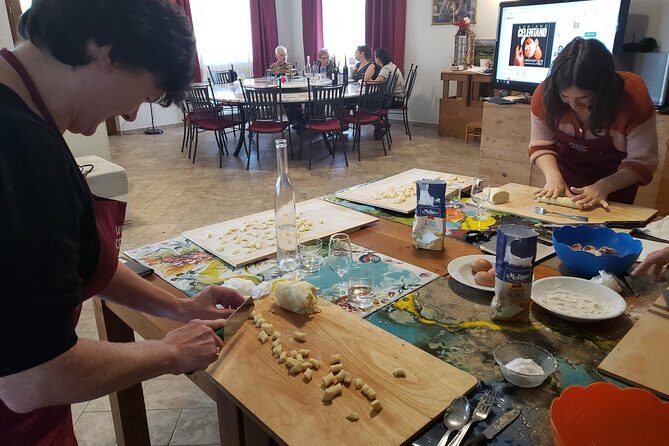
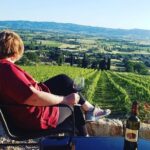
If you only do city sights in Assisi, you’ll still get the postcard views. But you can miss the day-to-day rhythm of the region: gardens, cellars, bread dough, and wine tasting that actually comes with context. This experience is built around that rhythm.
I like that the class isn’t just watching. You roll up your sleeves and learn technique you can take home. The focus is also practical: making soft-and-crisp focaccia and learning pasta texture so ravioli filling doesn’t turn into a mess.
There’s also a wine-and-food logic to the whole thing. You taste alongside cooking, then you finish with a sit-down meal paired with Assisi DOC and Umbria IGT wines. That pairing part matters because it helps you connect what’s in your glass to what’s on your plate.
You can also read our reviews of more cooking classes in Assisi
Getting to the Winery: Meet on Via della Cannella
You start at Via della Cannella, 21, 06081 Assisi, then you head to the countryside spot. The driving time is about 10 minutes by car, so this isn’t a hike and it isn’t far, but it also isn’t walkable for most people.
Transportation is not included, which is the main logistical detail to plan for. If you’re staying in Assisi center, a taxi or a pre-arranged ride is usually the simplest move. If you’re with a group, splitting a car can help keep the cost down.
The start time is 10:00 am, and the activity runs about 4 hours. That means you can still keep your afternoon open for Umbria’s slower pace—coffee, a stroll, maybe more wine if you’re feeling responsible.
The Hands-On Cooking Lesson: Focaccia, Ravioli Pasta, Veg Pizza, Tozzetti
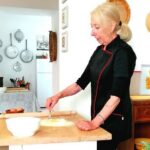
This is where the class earns its keep. You’re in a local cellar environment, cooking with seasonal produce and learning the feel of dough and dough-adjacent techniques. The food plan is built around several recipes, so you’ll likely cover multiple skill sets in one session.
Focaccia: soft inside, crunchy outside
The focaccia lesson is designed around a specific texture goal: very soft and also crunchy. That’s not just a brag line. It usually means you learn how to handle proofing and oven timing so you get that mix of springy bread and a more developed crust.
If you’ve ever had focaccia that was either too dense or all crust with no tenderness, you’ll appreciate why the technique matters. This is the kind of lesson where you’ll understand what you were missing before, then see it happen in real time.
Fresh pasta for ravioli: the “perfect” shape isn’t only about looks
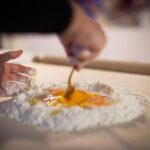
You’ll learn the secrets for a perfect pasta for ravioli. The important part here is working the dough so it rolls well, holds together, and doesn’t turn sticky or brittle while you assemble.
One example from a prior session included ravioli with ricotta and truffle filling. Even if your class menu differs slightly, the core skill—rolling and shaping pasta properly—tends to transfer directly to what you’ll make.
You can also read our reviews of more tours and experiences in Assisi
Vegetarian pizza: Umbria’s garden logic
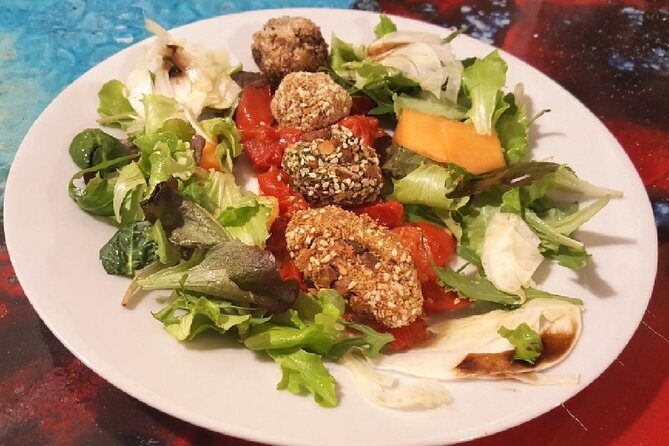
You’ll prepare a vegetarian pizza using seasonal, local ingredients. That’s a nice twist because it doesn’t feel like a compromise meal. In Italian cooking, “vegetarian” often means you lean into vegetables that are at their best that month.
This part also gives you a more relaxed pace compared with dough-heavy ravioli. You can focus on building flavor with ingredients rather than only mastering technique.
Typical tozzetti (biscotti-style) for dessert
Dessert is typical tozzetti—often in the biscotti family—so you get that satisfying crunch after all the dough work. It’s also a good closer because it makes the day feel complete: bread, pasta, pizza, then the sweet bite.
If you’re a dessert person, this is a great way to end. One past participant mentioned biscotti as part of what they learned, which lines up with the tozzetti style.
Cooking with seasonal ingredients from an organic garden
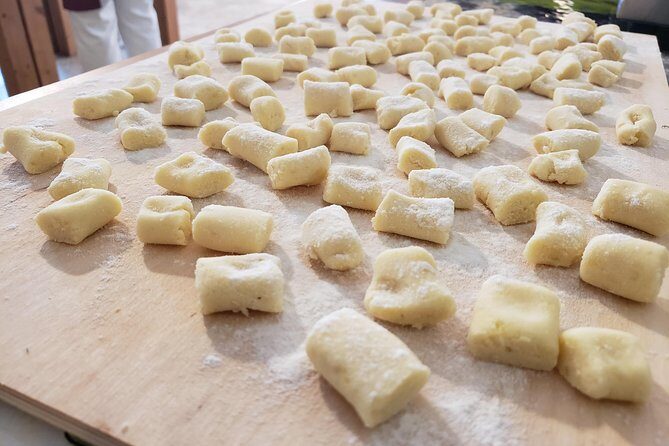
You’ll use seasonal vegetables from an organic garden. That matters because it keeps the menu from feeling generic. You’re cooking ingredients at their peak, which usually means better flavor without needing fancy shortcuts.
I also like that this approach connects you to the place. You’re not just tasting Italian classics; you’re learning how local growers feed local kitchens.
And because this is hands-on, you’ll pay attention to what changes when ingredients are different. For example, what you learn about dough hydration and sauce balance becomes more intuitive when you cook with what the region is actually offering right now.
Wine Tasting While You Cook: 6 Organic Wines Plus Olive Oil
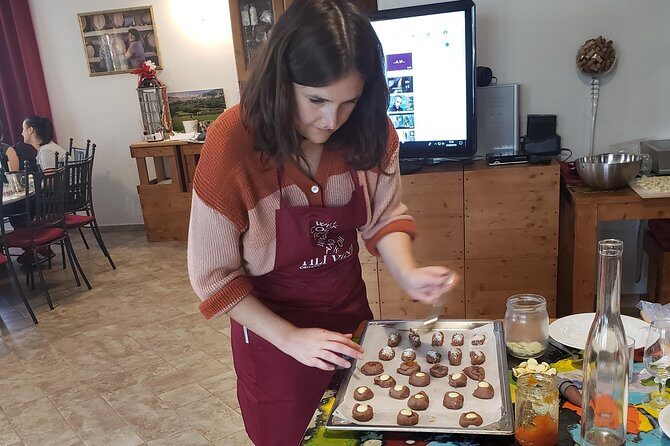
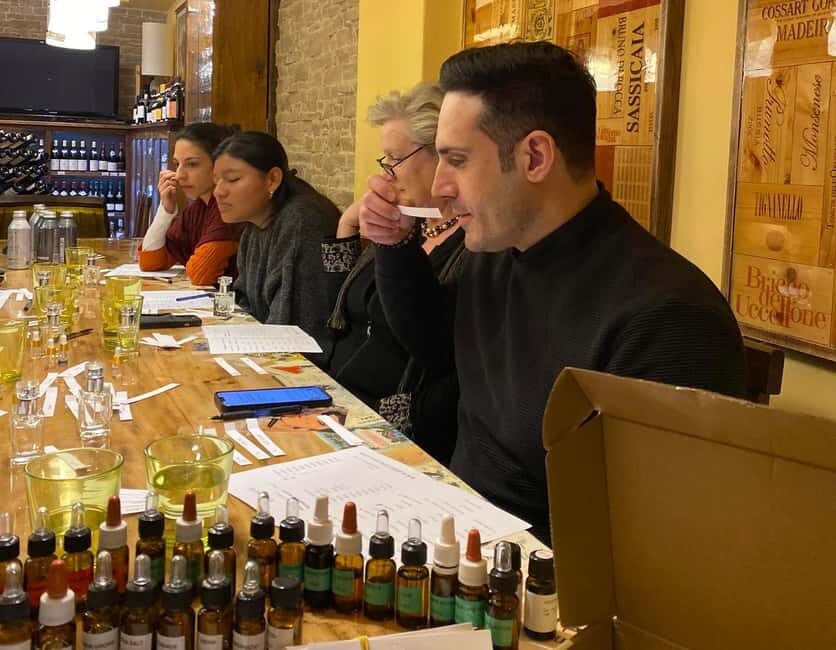
This experience doesn’t treat wine like an afterthought. You get a guided tasting while you’re working through the recipes, so it stays connected to the food.
You’ll taste organic wines from Assisi and the surrounding area, including Assisi DOC and Umbria IGT. The total tasting is 6 wines, which is a lot more than the usual “here’s one glass” style stops.
You’ll also taste olive oil during the guided portion. That’s an excellent pairing lesson because oil is one of the easiest ways to understand why wine choices aren’t random.
One practical tip: go slow with tasting while you’re cooking. Dough tasks need your hands, and you’ll want good focus when shaping ravioli or checking bread texture. If you’re the type who gets talkative after one glass, pace yourself.
Also, the minimum drinking age is 18, so if you’re booking for a group that includes younger travelers, plan accordingly.
Lunch at the cellar: you eat what you made
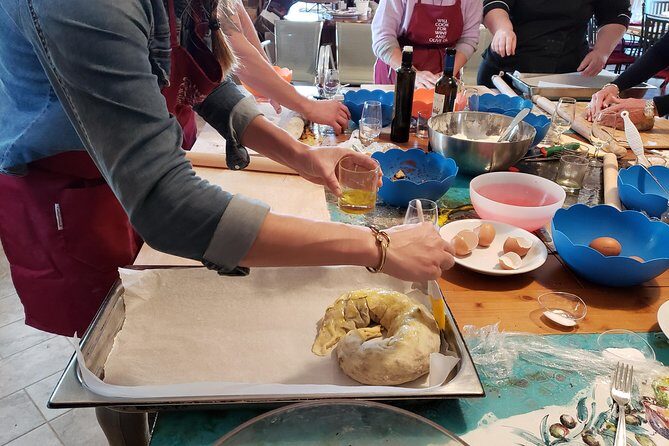
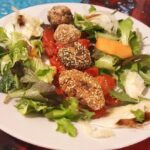
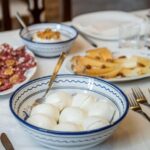
After cooking, you sit down for lunch and you finish the meal paired with the wines from the guided tasting. This is one of the strongest reasons to pick this type of class over a pure cooking demo: you don’t just make food, you get to taste it in context.
The lunch is described as including a guided tasting with the meal. That means the instructors are likely using the food you made as the reference point for the wines. In plain terms, you’re learning how to pair Umbrian flavors with Umbrian wine.
And yes, you eat your efforts. That sounds basic, but it’s a big difference between classes where you watch food fly by and classes where you understand what you did wrong or right.
If you’re worried about portion size, remember this is a 4-hour experience built around lunch plus tastings. Plan to eat like you mean it.
One small extra worth knowing from a prior participant: they said they ordered wine for delivery back home. That suggests there may be an option to buy wine during the day, which can turn your meal into a souvenir.
Small group size: how it changes the whole vibe
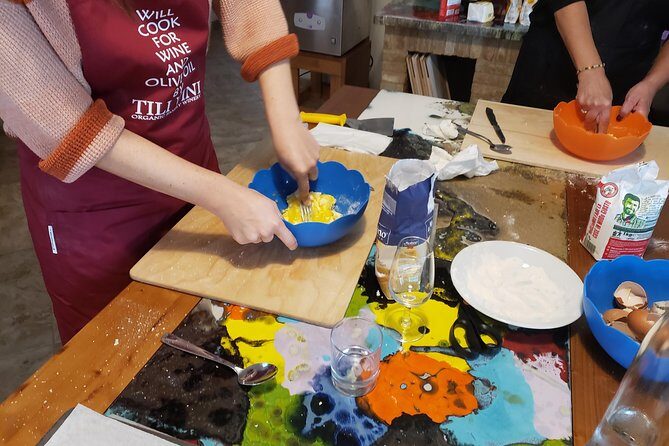
With a maximum of 15 travelers, the class avoids that factory-feel that some “hands-on” tours accidentally create. You’re more likely to get real help when your dough sticks, your shaping needs a redo, or you’re wondering how long something should be in the oven.
Smaller groups also make it easier to ask questions. And with wine tasting in the mix, questions are part of the fun. You’re not only tasting; you’re learning what you’re tasting and why it’s chosen.
There’s also a minimum of 2 people per booking. So if you’re traveling solo, you’ll likely need to join up with other guests or book within a small group.
Price and value: what you’re paying for at $300.98
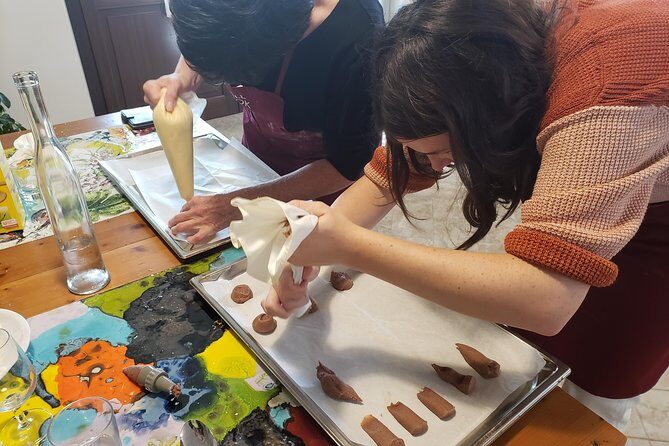
At $300.98 per person, this isn’t a cheap lunch-and-a-show. The value comes from the fact that you’re getting multiple layers of experience in one block:
- Instruction for several recipes (focaccia, fresh pasta for ravioli, vegetarian pizza, tozzetti)
- Seasonal ingredient cooking (including produce from an organic garden)
- Wine education and tasting (6 wines plus olive oil)
- Lunch included, paired with the wines
When you break it down, you’re not paying only for food. You’re paying for time, teaching, ingredients, and guided wine work that you wouldn’t get at a casual restaurant meal. Also, the day’s structure helps: you cook, then taste, then eat, so the learning sticks.
The lack of included transportation is the only cost “gotcha.” If you add taxi or a ride, your total spend goes up a bit. Still, for a 4-hour guided experience that includes lunch and a serious tasting, it can feel like good value compared with stacking a separate wine tour plus a cooking class.
Who should book this cooking class (and who might not)
This tour is a strong fit if you want:
- A hands-on Umbrian food experience, not just tasting
- Real cellar atmosphere and a family-style hosting vibe
- A mix of cooking + wine tasting + lunch, all in one neat package
- Something that works well for couples or small groups who like learning by doing
It might not be the best match if:
- You hate group settings and prefer solo experiences
- You don’t want to handle logistics like getting to the countryside (since transportation isn’t included)
- You’re sensitive to alcohol tasting and need a lot of control over drinking time
If you’re traveling with kids, note that the wine rules require a minimum drinking age of 18, but the class itself is still a cooking-focused experience. You’ll need to decide if the schedule and tasting environment suits your family.
Tips so you get the most out of your day
A few practical moves can make a big difference.
Wear something comfortable. You’ll be working with dough and standing while cooking. Also, bring an appetite. You’ll cook multiple items, then you’ll sit down for lunch and eat what you made.
If you want the vegetarian option, mention it during booking so it’s handled in advance. For wine, pace yourself during the class tastings so you can stay present for the cooking tasks.
Finally, ask questions. The best learning moments in classes often happen when you notice a texture change and wonder why. The hosts are there to help, and wine plus cooking is one of those setups where answers make the whole experience click.
Should You Book Umbria con Me in Assisi?
I’d book this if you want an authentic Assisi-area food day where you cook real recipes, taste organic wines with guidance, and end with a proper sit-down lunch. It’s especially worth it if you enjoy bread and pasta skills, because that’s where the class focuses: focaccia texture and ravioli-ready pasta.
I’d think twice only if getting to the countryside isn’t easy for you. Since transportation isn’t included and the location is about 10 minutes by car from Assisi, make sure your ride plan is solid.
Overall, this is the kind of experience that turns a vacation day into a repeatable skill set—plus wine memories you can actually explain when you’re home.
FAQ
What time does the cooking class start?
The activity starts at 10:00 am.
How long is the experience?
It lasts about 4 hours.
Where do I meet for the tour?
You meet at Via della Cannella, 21, 06081 Assisi PG, Italy.
How far is the winery location from Assisi?
It’s about 10 minutes by car from Assisi.
What’s included in the price?
The experience includes a cooking lesson, lunch, and wine tasting.
Is a vegetarian option available?
Yes. You can request a vegetarian option at the time of booking.
How many people are in the group?
The tour has a maximum of 15 travelers.
What wines are included in the tasting?
The guided tasting includes 6 wines, including Assisi DOC and Umbria IGT.
Is there free cancellation?
Yes. You can cancel for a full refund up to 24 hours before the start time.