REVIEW · ASSISI
Assisi: 3-hours tour including St. Francis Basilica tickets
Book on Viator →Operated by Umbria con Me · Bookable on Viator
Assisi has a way of making you slow down. This tight 3-hour private tour threads through the city’s most meaningful landmarks, from the pre-Francis cathedral to the Basilica of Saint Francis, plus stops tied to Saint Clare, the Temple of Minerva, and Blessed Carlo Acutis. Two things I really like: you get a smooth order of sights that won’t feel rushed, and your guide adds stories that make the churches click instead of just being pretty rooms. One thing to consider: access to the St. Francis Basilica can be suspended from Feb 15 to Apr 6, 2026, so your final visit may be explained from outside during that period.
You’ll cover a lot without covering your feet. The walking is short-to-moderate, the timing is set (about 3 hours), and you’ll receive a mobile ticket for the St. Francis Basilica entry. It’s offered in English, and it’s built for people who want the big spiritual highlights with context, not a free-for-all.
In This Review
- Key things that make this Assisi tour worth your time
- A 3-hour Assisi loop that hits the city’s core meaning
- Cattedrale di San Rufino: start where Assisi mattered most
- Santa Chiara’s façade and interior: simplicity with emotional weight
- Piazza del Comune and the Temple of Minerva: when Rome wears a church disguise
- Santa Maria Maggiore and Blessed Carlo Acutis: a short visit with big focus
- Basilica Papale e Sacro Convento di San Francesco d’Assisi: 55 minutes that actually matters
- Price and pacing: why $184.67 can feel fair here
- Where to stand out (and where not to) during the stops
- Should you book this Assisi tour?
- FAQ
- How long is the Assisi tour?
- Is the tour private?
- What language is the tour in?
- What’s included in the price?
- Where does the tour start and end?
- Are tickets needed for the other stops?
- Will we be able to go inside the St. Francis Basilica?
- Is there free cancellation?
Key things that make this Assisi tour worth your time
- Cattedrale di San Rufino first, so you understand Assisi before St. Francis became the center of gravity
- Santa Chiara with time to appreciate both the façade simplicity and the interior mood
- Piazza del Comune + Temple of Minerva views that explain why an ancient Roman temple can look like a “church” from the outside
- Santa Maria Maggiore & Carlo Acutis stop focused on a very specific preserved-body site
- St. Francis Basilica ticket included, plus 55 minutes there—long enough to see frescoes, not just peek in
- A private group with an official guide, so you can ask questions as you go
A 3-hour Assisi loop that hits the city’s core meaning
This tour is priced at $184.67 per person for about 3 hours, and the value comes from two places: timing and ticket access. Three hours is just enough to cover major stops while still getting explanations that connect them. And the most expensive part—St. Francis Basilica entry—is included, so you’re not doing the hassle math mid-trip.
What makes the format work is the flow. You start in Assisi’s religious “roots,” then move outward through two church stops with very different vibes, then into the Roman layer of the town, then finish at the biggest spiritual magnet. That sequencing matters because your brain sorts each site faster. You’re not just collecting monuments; you’re building a mental map of how Assisi became Assisi.
It’s also a true private tour/activity, meaning your group goes together with the guide rather than being swept into a big crowd plan. That usually makes a difference for pace. You’ll spend set blocks at each stop—like 15 minutes at San Rufino, 55 minutes at St. Francis—so you can actually look at details instead of spending all your time moving.
Finally, it’s offered in English with a guide from Umbria con Me. If you’re the type who likes to know what you’re seeing (even when the walls are speaking in fresco language), this kind of guided structure fits.
You can also read our reviews of more tours and experiences in Assisi

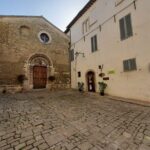
Cattedrale di San Rufino: start where Assisi mattered most
You begin at Piazza San Rufino (06081 Assisi PG). The first stop is Cattedrale di San Rufino, one of Assisi’s most important churches and, historically, the one that was central before St. Francis arrived on the scene.
This is a smart start. If you begin at the famous basilica first, you risk treating everything else as a warm-up. Here, you see the older framework first: the cathedral sets the stage for why the town’s religious identity was already solid long before Francis became the headline.
You’ll have about 15 minutes at this stop, and admission is listed as free. That short time is ideal for a first orientation moment. Don’t expect a full, slow church-study session here. Instead, use it to get your bearings: notice the cathedral’s role as the earlier anchor, and listen for the guide’s explanation that links it to what you’ll see later in the Francis basilica complex.
A small practical note: because this is a church stop at the start, you’ll want to be comfortable with your footing and your camera habits early in the morning or early in the schedule—whatever your day plan is—since you’ll be moving right along after.
Santa Chiara’s façade and interior: simplicity with emotional weight
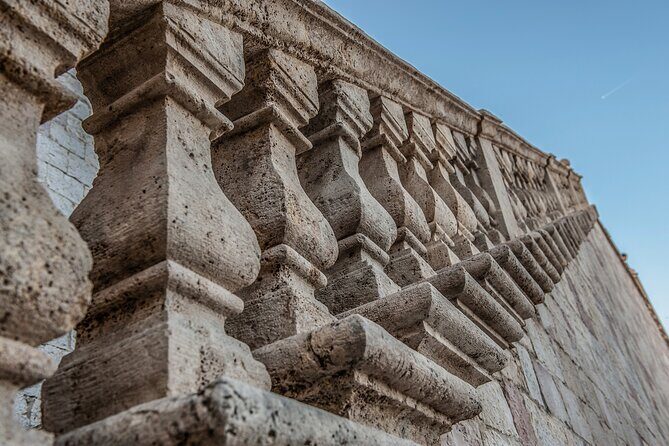
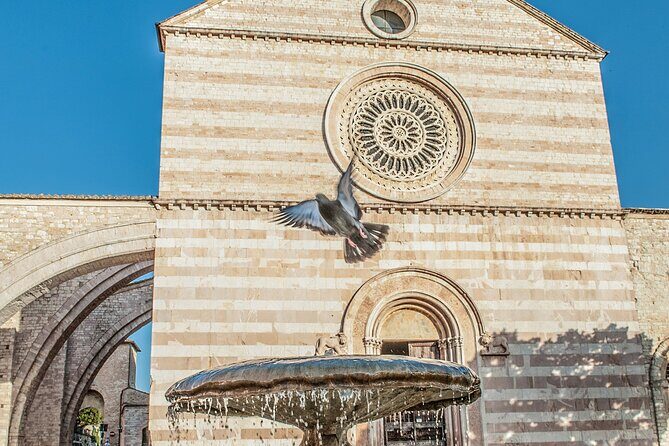
Next you walk to Basilica di Santa Chiara, dedicated to Saint Clare. You’ll spend about 20 minutes here, and entry is free for this stop.
What I like about this stop is that it balances two kinds of attention. From outside, the basilica’s façade is described as simple and elegant. Inside, the mood shifts to something more airy and spiritual—an interior experience meant for quiet focus. In other words, this is not a stop where you’re supposed to sprint for the photo. It’s a stop where the building design and the art direction do most of the emotional work.
Also, this is one of those moments where a good guide really pays off. When you know who Saint Clare was and what “dedicated to” means in real-world terms, the basilica becomes more than an architectural stop. It turns into part of the story you’re building as the tour moves.
One consideration: you’ll be in an active church environment, so plan for the usual church etiquette—slow voices, respectful pacing, and quick decisions about photos. You’re only there for 20 minutes, so it’s worth picking what you want to look at first: façade details outside, then interior features once you cross the threshold.
Piazza del Comune and the Temple of Minerva: when Rome wears a church disguise
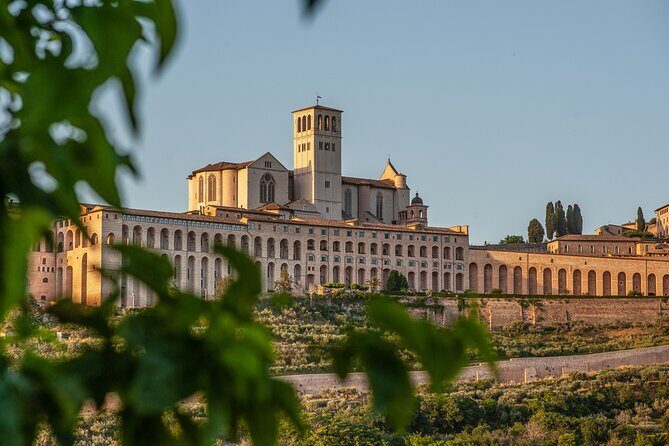
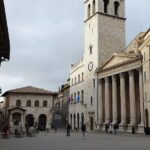
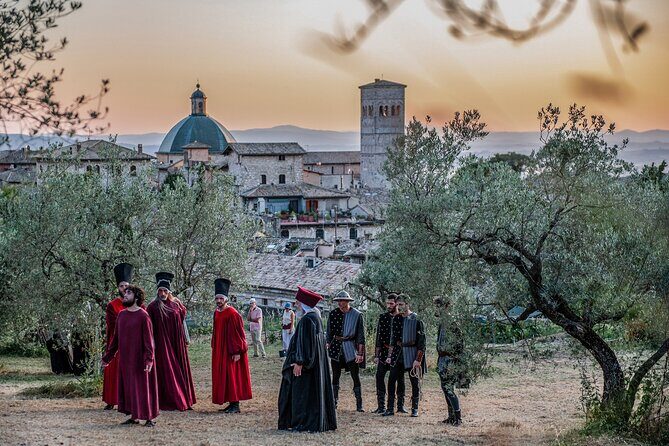
The tour then shifts into Assisi’s public center: Piazza del Comune, with about 40 minutes allotted. This is where the Roman layer becomes obvious. The square is home to the Roman Temple of Minerva—and it’s one of the best “wait, what?” sights on the itinerary.
Here’s the key idea to notice: the Temple of Minerva looks like a preserved Roman temple on the outside. But the next stop explains the twist—inside, it’s home to a Catholic church. That contrast is the whole point of this pairing.
You’ll spend an additional 20 minutes at Santa Maria sopra Minerva, where you’ll see the temple exterior first and then learn what’s been happening with the space over time. This is the moment to let the guide connect the dots between the Roman past and later religious use.
Why this matters for your experience: it’s easy to visit an old town and think everything is medieval. This tour nudges you to recognize the earlier Roman footprint and how later communities repurposed it rather than wiping it out. That’s one of the reasons this sequence feels more educational than just scenic.
Practical timing tip: because you have 40 minutes in the piazza, you’ll likely have time to stand, watch, and re-orient before entering or moving on. Use that moment to take in your surroundings and then treat the Santa Maria sopra Minerva stop as your “meaning” stop.
Santa Maria Maggiore and Blessed Carlo Acutis: a short visit with big focus
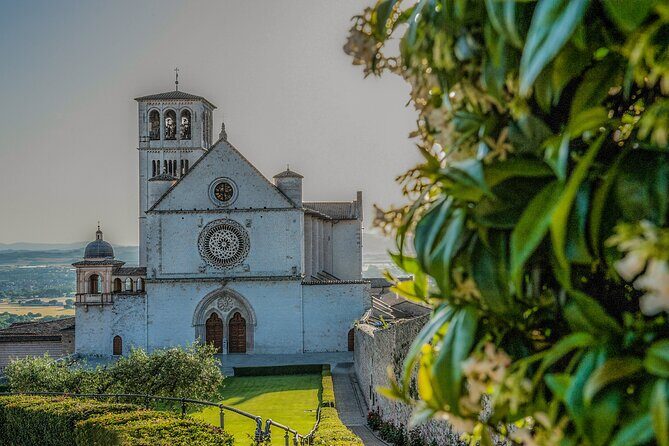
After the Roman/medieval contrast, the itinerary becomes more pointed. Stop 5 is Parrocchia Santa Maria Maggiore – Frati Cappuccini Assisi, with about 10 minutes. Admission here is listed as included.
This stop is tightly focused on one specific detail: the church preserves the body of Blessed Carlo Acutis. That means your time won’t be spent wandering for general sightseeing. It’s more like a brief, respectful visit centered on a particular site.
Even in just 10 minutes, it can be meaningful, especially if you’re interested in modern devotion and how faith traditions connect across time. If you’ve only ever connected saints with ancient paintings, this is a reminder that religious memory can be “recent enough” to feel immediate.
Consideration: the time block is short. So if you want extra reading time, you’ll need to do that by listening carefully and absorbing what’s said quickly. The guide’s explanation is what turns those minutes into something more than a glance.



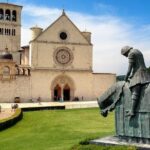
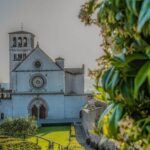
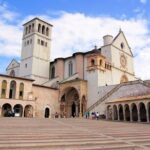
Basilica Papale e Sacro Convento di San Francesco d’Assisi: 55 minutes that actually matters
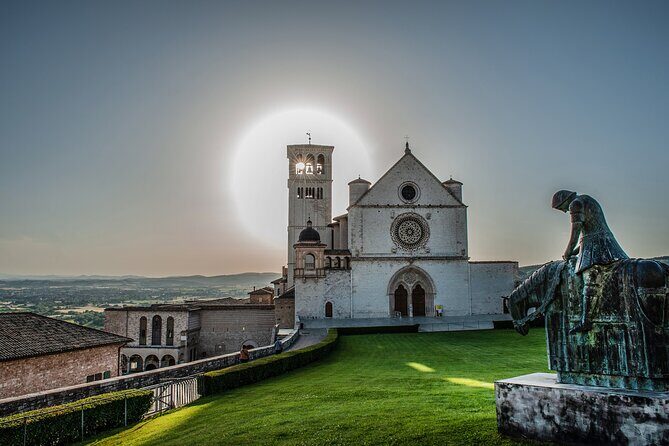
The tour ends at the big one: the Basilica Papale e Sacro Convento di San Francesco d’Assisi. Your time here is about 55 minutes, and admission is listed as included.
This is where the tour justifies its ticket value. The basilica is described as a UNESCO World Heritage site and one of Italy’s most revered religious landmarks. More importantly for what you’ll see: it houses the tomb of Saint Francis, and the guide will connect Francis to his reputation as a patron of animals and the environment.
Then come the frescoes—because the basilica is not just a tomb site. It’s also a major art stopping point, with fresco work attributed to famous artists such as Giotto, Cimabue, and Simone Martini. With 55 minutes, you’re not limited to passing by wall art at speed. You should be able to take in multiple areas, notice style differences, and let the stories guide your eyes to what’s worth lingering on.
Now, here’s the practical catch the tour gives you: access to the basilica of St. Francis can be suspended from February 15 to April 6, 2026 due to a public display of relics. During that period, the guide will provide the explanation from outside the basilica. That changes the “inside” experience, but it doesn’t remove the meaning. It just shifts the viewing point.
If your trip falls inside those dates, plan mentally for a different ending. You’ll still learn the significance, but you won’t get the same inside viewing of frescoes and tomb space. If your dates are flexible, this is one of the best reasons to choose another window.
Where you meet up here: the end point is Piazza Inferiore di S. Francesco, 2, 06081 Assisi PG, in front of the upper church. It’s a clear finish area, close to the Francis complex where you’ll likely want to keep exploring on your own afterward.
Price and pacing: why $184.67 can feel fair here
Let’s talk value. At $184.67 per person for about 3 hours, this tour isn’t the cheapest way to see Assisi. But it’s not trying to be either—it’s paying for a few concrete things:
- A private official guide, not a generic audio plan
- St. Francis Basilica tickets included, which are often the most time-consuming part to handle
- A timed itinerary that uses church attention spans well: 15 minutes, 20 minutes, 40 minutes, 20 minutes, 10 minutes, then 55 minutes
The pacing matters because Assisi’s most meaningful sights can be slow by nature. Churches require time to settle in, and fresco viewing takes longer than people expect. This plan accounts for that. You’ll get the longer block at the end when you’re most likely to want it—right where the tour’s art and relic importance lives.
Also, you’ll have a mobile ticket, which helps reduce friction on-site. And the tour notes group discounts and “most travelers can participate.” The details matter because when you’re in a town like Assisi, small logistical stress adds up fast.
Who this fits best:
- People who want the major highlights with explanation, not just photos
- Anyone who cares about religious art and how it connects to the saints’ stories
- Small groups who prefer a private guide pace through historic streets
- Visitors who only have a short time in Assisi and want an efficient route
Who might want to rethink it:
- If you want a totally free, wander-all-day schedule with no structure, this could feel timed.
- If you’re traveling during Feb 15–Apr 6, 2026, you should be ready for the St. Francis Basilica inside access issue.
Where to stand out (and where not to) during the stops
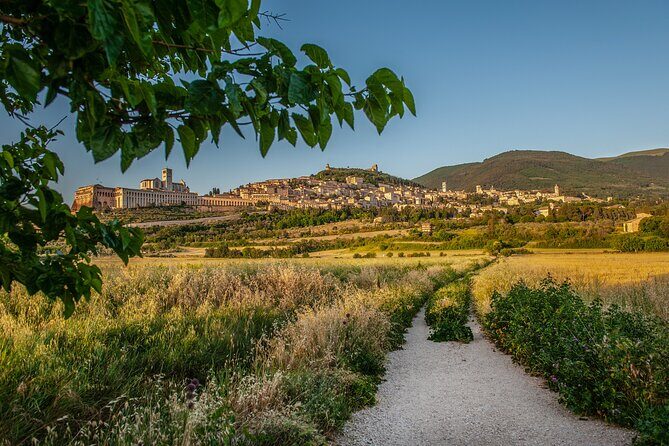
Assisi rewards calm attention. Here’s how to use your time well within the guide-led structure:
At San Rufino, use the first minutes to listen for the “before St. Francis” context. Then, look at what makes it important as a cathedral—your goal is orientation, not perfection.
At Santa Chiara, choose one moment to slow down. The façade is for quick comprehension; the interior is for emotional impact. Pick one first so you don’t burn the whole 20 minutes scanning everything.
At Piazza del Comune and Santa Maria sopra Minerva, watch for the outside-inside contrast. If you go in expecting Rome and get only church explanations (or vice versa), the “aha” effect fades. Let the guide frame the shift: Roman shell outside, church story inside.
At Santa Maria Maggiore, keep it simple. This is a short, focused stop tied to the preserved body of Blessed Carlo Acutis, so you don’t need to over-plan your own museum checklist.
At St. Francis, save your “how to look at frescoes” energy for the time you have. With 55 minutes, you can actually do more than a quick glance. And if your dates are in the Feb 15–Apr 6, 2026 window, accept that the best inside details won’t be accessible, and lean into the outside explanation instead.
Should you book this Assisi tour?
If you want a structured, high-value way to see Assisi’s spiritual and artistic backbone in about 3 hours, this is a strong choice. I’d especially recommend it if you care about understanding what you’re looking at—because the itinerary is designed to build meaning in a clean sequence, and the St. Francis Basilica ticket is included.
Book it if:
- You have limited time and want the right mix of churches, Roman context, and a focused end at St. Francis
- You prefer a private English guide and a paced route over self-guided guesswork
- You’d benefit from a guide-led explanation when you see famous fresco names like Giotto, Cimabue, and Simone Martini
Consider skipping or re-planning if:
- Your travel dates fall Feb 15–Apr 6, 2026, and you’re set on going inside the basilica complex itself
- You’d rather wander without timing and don’t want tickets or a set route
If your goal is to walk away with a clearer sense of why Assisi became the place it is, this tour is built for exactly that.
FAQ
How long is the Assisi tour?
It’s listed as approximately 3 hours.
Is the tour private?
Yes. It’s described as a private tour/activity, so only your group participates.
What language is the tour in?
The tour is offered in English.
What’s included in the price?
The tour includes a private official guide and entrance tickets to St. Francis Basilica.
Where does the tour start and end?
You start at Piazza San Rufino, 06081 Assisi PG, Italy and end at Piazza Inferiore di S. Francesco, 2, 06081 Assisi PG, Italy, in front of the upper church.
Are tickets needed for the other stops?
For the itinerary stops like Cattedrale di San Rufino, Basilica di Santa Chiara, Piazza del Comune, and Santa Maria sopra Minerva, admission is listed as free. Santa Maria Maggiore and St. Francis Basilica are listed as included.
Will we be able to go inside the St. Francis Basilica?
Access to the basilica of St. Francis can be suspended Feb 15 to Apr 6, 2026 due to public display of relics. During that time, the guide explains from outside the basilica.
Is there free cancellation?
Yes. You can cancel for a full refund if you cancel at least 24 hours before the experience’s start time.