REVIEW · FLORENCE
Walking Group Tour In Florence
Book on GetYourGuide →Operated by Inside Out Italy · Bookable on GetYourGuide
Florence has a way of slowing you down. This walking tour gives you the big Renaissance hits plus the side streets that make the city feel real.
I like how small-group size keeps the pace relaxed and your questions actually land. And I love the focus on classic sights like Ponte Vecchio, Piazza della Signoria, and the Duomo area, without turning it into a rushed checklist.
One thing to consider: language and depth can vary by guide. One recent French-language experience felt too light, so if language precision matters, pick your tour language carefully and come with a couple of clear questions.
In This Review
- Key moments worth your attention
- Meeting the tour at the Uffizi edge
- The first stretch: Renaissance Florence’s “why” behind the “wow”
- Ponte Vecchio: the bridge where commerce becomes heritage
- Piazza della Signoria: the public square that acts like a museum
- The Duomo area and Brunelleschi’s Dome: architecture you can read
- Uffizi Gallery exterior and the Medici influence
- Side streets, artisan workshops, and the “secret corners” payoff
- Headsets and group size: why you’ll hear the stories
- Price and value: is $77 a good deal?
- Guide quality: why it can feel different in your language
- Who this tour suits best
- Should you book this Florence walking tour?
- FAQ
- How long is the Walking Group Tour in Florence?
- How much does the tour cost?
- Where do I meet the guide?
- Is admission to the Uffizi Gallery included?
- What languages are available for the live guide?
- Does the tour run in bad weather?
- Is the tour suitable for people with mobility impairments?
Key moments worth your attention
- Small group pace that lets you move slower through Florence’s tight streets
- Licensed guide storytelling tied to Renaissance art, politics, and architecture
- Ponte Vecchio + goldsmith shops as a living postcard of the city’s past
- Piazza della Signoria sculptures including the David replica and Neptune Fountain
- Uffizi Gallery exterior focus with Medici context (no museum ticket required)
- Headsets when needed so you can hear clearly on louder streets
Meeting the tour at the Uffizi edge
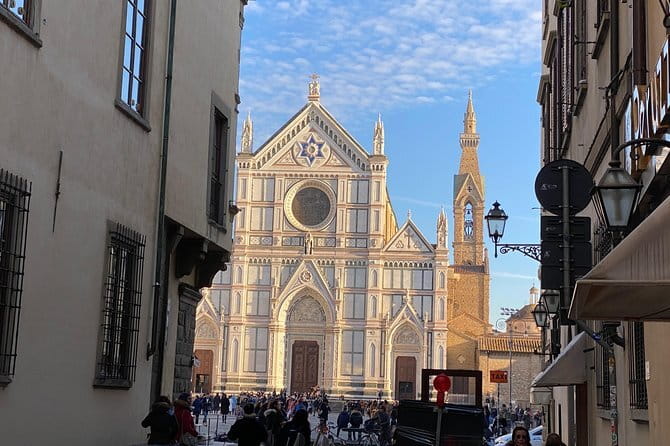
Your tour starts at the main exit area of the Uffizi Gallery. You’ll look for a local partner sign out front of the main exit, then meet your guide with the group.
This start matters because it’s a smart way to get your bearings fast. You’re already at one of Florence’s cultural anchors, so as you walk, all the Renaissance talk has a real setting behind it. Also, since the tour does not include admission, meeting near the Uffizi is practical: you get context without getting stuck in ticket lines or adding extra time.
Bring comfortable shoes. The itinerary is all walking—streets and piazzas change surfaces, and Florence loves to test your footwear. Wear clothes you’re comfortable moving in, since the tour runs rain or shine.
You can also read our reviews of more walking tours in Florence

The first stretch: Renaissance Florence’s “why” behind the “wow”
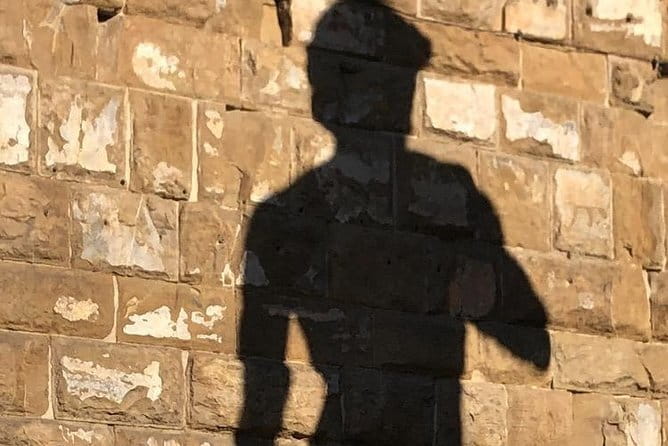
After you meet, you’ll move through Florence’s historic center with an expert guiding your eyes. This isn’t just about seeing famous landmarks. It’s about understanding how art, religion, and power played out in real spaces.
You’ll hear connections that make the city’s look make sense. Florence’s Renaissance wasn’t only about painting and sculpture. It also involved politics, patronage, and ambitious building. Your guide’s job is to connect those dots while you’re still standing in the right place to notice details.
One of my favorite parts of this kind of tour is that it helps you stop treating Florence like a set of Instagram backgrounds. You start to notice building rhythms, street corners that were designed for processions, and the way public spaces became stages for influence.
Ponte Vecchio: the bridge where commerce becomes heritage
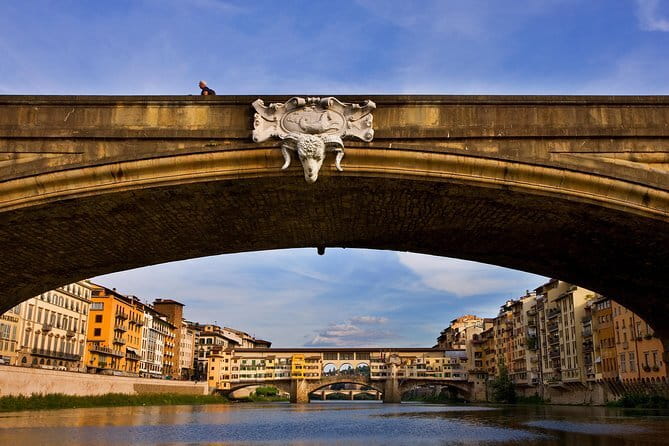
Then comes Ponte Vecchio, Florence’s oldest and most photogenic bridge. The best part is that it’s not just a bridge you cross. It’s a living corridor of history lined with traditional goldsmith shops.
As you look along the shops, you get a feel for how tightly Florence tied daily life to its artistic identity. The goldsmith craft isn’t a random theme. It’s a clue to what the city valued—skill, luxury, and status—at a time when Renaissance patrons were shaping culture through real money and real influence.
A useful tip: take a moment to pause mid-bridge and look both directions. Up close, the shopfronts and details do the talking. From farther back, you can see how the bridge fits into the riverfront and how the city’s layout pulls you onward.
Piazza della Signoria: the public square that acts like a museum
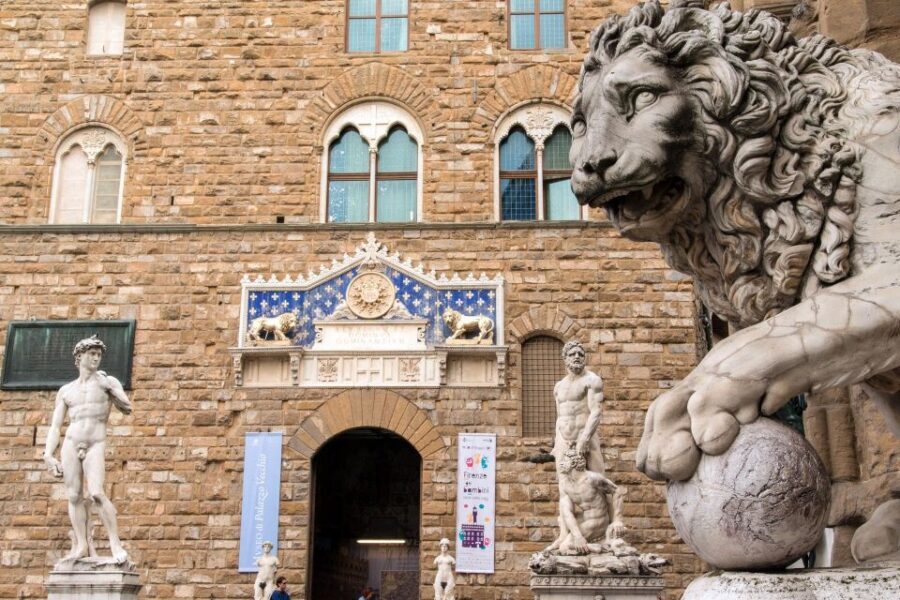
Next you’ll reach Piazza della Signoria, Florence’s political and artistic hub. This is one of those places where it’s easy to think, OK, I’ll just look at the buildings—until you slow down.
Your guide will point out the sculpture-filled square and explain why it matters. Expect to see highlights like the replica of Michelangelo’s David and the Neptune Fountain. Even if you’ve seen these names before, you’ll understand them better once you’re standing in a square that functioned as a public stage.
This stop is especially valuable if you like your history tied to real power. Piazza della Signoria isn’t only about art objects. It’s about how Florence used art in the open, where it could support civic identity and political messages.
One practical note: the square can feel like a magnet, with lots of sightlines and lots of other foot traffic. Your small group size helps here because you’ll have a better chance of keeping the guide’s attention on what you’re seeing, instead of being swallowed by the crowd.
The Duomo area and Brunelleschi’s Dome: architecture you can read
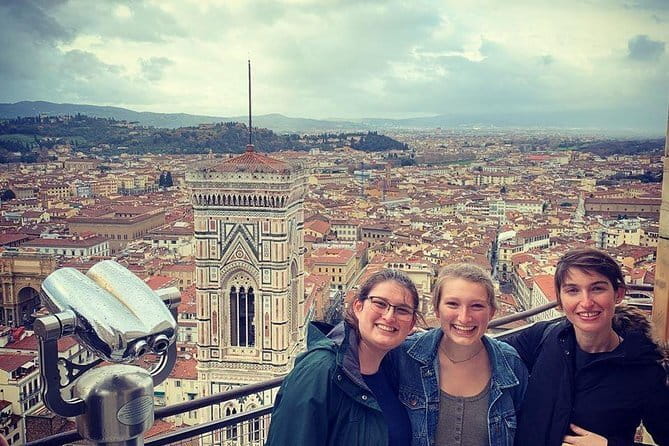
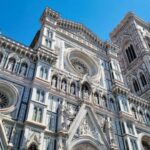
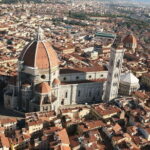
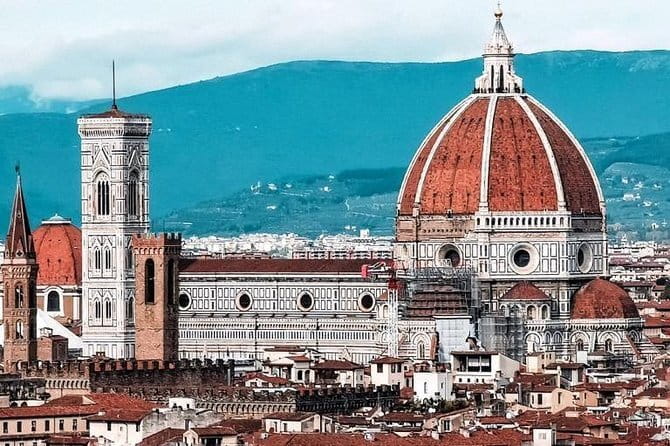
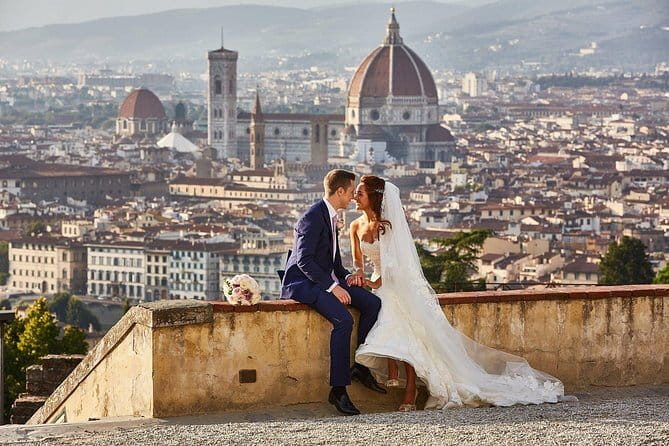
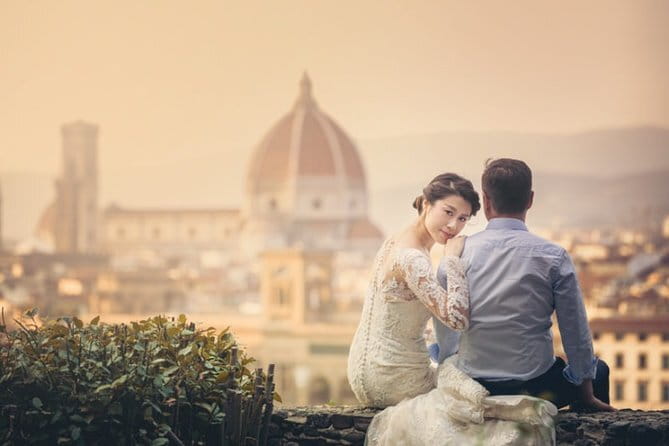
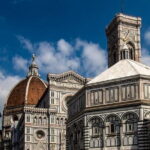
Your walk also includes the Duomo area and Brunelleschi’s Dome in the mix of major sights. You’re not touring inside the cathedral on this format, but you’ll still get the big architectural story that makes the outside so impressive.
This is where the guided approach pays off. Florence’s buildings can look “beautiful” without explanation. A good guide helps you read them like diagrams: why the dome matters, how the design ambition fits Renaissance thinking, and why people cared so much about getting it right.
Even if you’re not an architecture fanatic, you’ll likely leave with a clearer sense of what you’re looking at. And if you do love architecture, this kind of framing is gold because it gives you a vocabulary for the shapes, proportions, and design logic.
- Tuscany Day Trip from Florence: Siena, San Gimignano, Pisa and Lunch at a Winery
★ 5.0 · 21,634 reviews - The Best tour in Florence: Renaissance & Medici Tales – guided by a STORYTELLER
★ 5.0 · 12,316 reviews



Uffizi Gallery exterior and the Medici influence
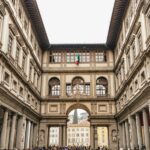
The tour also includes the Uffizi Gallery courtyard/exterior experience. Since admission fees are not included, you’re not paying for museum entry as part of the tour package. Instead, the guide uses what you can see from outside to explain why the Uffizi matters and how the Medici family shaped Florence’s cultural legacy.
This is a smart choice for many people. The Uffizi is a huge commitment if you’re doing it as a separate ticketed visit. Here, you get the “why” and the story, plus enough orientation that if you later buy tickets, you’ll walk in with context.
If you’ve never studied the Medici before, you’ll probably appreciate how a guide can translate that power dynamic into something you understand while standing in the city. It’s one thing to read about patronage. It’s another thing to hear it connected to the buildings and artistic signals Florence left behind.
Side streets, artisan workshops, and the “secret corners” payoff
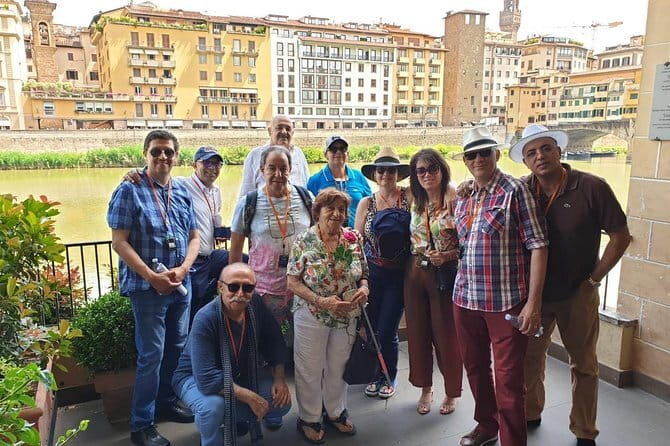
One of the tour’s promises is that you’ll also get lesser-known streets, artisan workshops, and corners that don’t show up on every quick route. The exact streets can vary based on logistics and flow, but the goal stays the same: help you see more of Florence than the headline landmarks.
This is where the value of a local guide shows up. Big monuments grab your attention, but it’s the smaller scale details that make the city feel lived-in: workshops, the rhythm of doorways, and small streets that reveal how the city actually moves people.
Small-group walking tours work best when you want your time to count. If you’re the type who likes to look up at façades as you walk, this tour gives you space to do it.
Headsets and group size: why you’ll hear the stories

The tour includes a licensed and professional guide. And if the group size is larger than 5 people, you’ll use headsets.
That sounds minor, but it matters. Florence streets have noise, echoes, and lots of moving people. Headsets help the guide keep explanations clear without you having to constantly strain or get separated. It also supports the relaxed pace the tour is aiming for—less “hurry up and listen,” more “walk and understand.”
One review highlighted that a very small group (two people) meant more chances to ask questions. That’s the kind of setup where a guide can tailor explanations on the spot, and you can focus on what you personally want to understand.
Price and value: is $77 a good deal?
At $77 per person for a 2-hour small-group walk, the big question is what you’re really buying: time, expertise, and saved effort.
Here’s the practical way to think about it:
- You’re getting a licensed guide plus structured stops at major Renaissance landmarks.
- You’re not paying for admission fees (so this is not a full museum ticket bundle).
- You’re getting context that can make future visits faster and more meaningful.
If you want museum tickets and indoor experiences today, this may not be enough on its own. But if you want a guided framework for Florence—especially for the Duomo area, Ponte Vecchio, and Piazza della Signoria—this price is in line with what you’d pay for the convenience of having someone point out what matters and why.
Also, the cancellation policy and reserve-and-pay-later option (both offered) reduce risk if your schedule is shaky. Just don’t use that as an excuse to procrastinate once you know your dates.
Guide quality: why it can feel different in your language
The tour runs in multiple languages: Italian, English, French, German, and Spanish. That’s excellent coverage for international visitors.
Still, guide delivery can differ. One French-language experience described the guide as friendly, but the level of French and the depth felt limited for the price. Another experience praised a guide named Michele for being extremely knowledgeable and friendly.
What this means for you: if you’re booking for a specific language and you care about detailed answers, go in with realistic expectations for a short, 2-hour walking format. Ask direct questions like what to notice at Piazza della Signoria, or what architectural feature defines Brunelleschi’s Dome from this viewpoint. If your guide is on top of the material, those questions will get you a better payoff.
Who this tour suits best
This walking tour is a great fit if you want:
- a short, high-impact introduction to Renaissance Florence
- help turning famous sights into a clear story
- a relaxed pace thanks to a small group setting
- a guide who can connect art, architecture, and civic life
It’s less ideal if you:
- need a fully accessible route (the tour is not suitable for people with mobility impairments)
- want to spend lots of time inside major museums or pay for multiple attractions as part of the tour
Should you book this Florence walking tour?
I’d book it if you’re trying to understand Florence quickly without turning your day into a sprint. The mix of Ponte Vecchio, Piazza della Signoria, Duomo-area sights, and Uffizi courtyard context hits the core Renaissance themes, and the small-group format helps you get real answers instead of shouting into the wind.
Skip it only if you specifically want included museum entry, long interior time, or an accessible route. Also, if language accuracy is your top priority, pick the language option that matches your comfort and come prepared with a couple of pointed questions. That way, you steer the experience toward what you want to learn.
If your goal is to leave Florence with a clearer mental map of how Renaissance art and power shaped the city’s spaces, this tour is a strong use of a half-day window.
FAQ
How long is the Walking Group Tour in Florence?
It lasts 2 hours.
How much does the tour cost?
The price is $77 per person.
Where do I meet the guide?
Meet in front of the main exit of the Uffizi Gallery, looking for the sign of the local partner.
Is admission to the Uffizi Gallery included?
No. Admission fees to attractions are not included, and the tour focuses on what you can see from outside.
What languages are available for the live guide?
The live guide is available in Italian, English, French, German, and Spanish.
Does the tour run in bad weather?
Yes. It operates rain or shine.
Is the tour suitable for people with mobility impairments?
No. It’s not suitable for people with mobility impairments.

More Walking Tours in Florence

More Tours in Florence




More Tour Reviews in Florence
- Tuscany Day Trip from Florence: Siena, San Gimignano, Pisa and Lunch at a Winery
★ 5.0 · 21,634 reviews - The Best tour in Florence: Renaissance & Medici Tales – guided by a STORYTELLER
★ 5.0 · 12,316 reviews