REVIEW · FLORENCE
Walking Tour with Wine Tasting in Florence
Book on Viator →Operated by Star Florence · Bookable on Viator
Florence makes more sense when you walk it. This combo tour strings together the city’s biggest visual landmarks with clear, story-driven commentary, then caps it with a guided wine tasting. I especially liked the small-group size and the radio headset, which make it easy to hear your guide even when the streets get busy.
Two wins stand out right away: you get oriented fast with a guide who can connect the Duomo, bridges, and palaces into one Renaissance timeline, and the wine tasting isn’t just random sipping—it’s organized with pairings and a clear format. One drawback to plan for: the tour has a strict start time, and if you’re late you can’t join and won’t be refunded.
In This Review
- Key takeaways before you go
- Why this Florence stroll-and-wine combo is a smart first move
- Meeting up and timing: what 2 hours 45 minutes really means
- Piazza della Repubblica to the Duomo area: start in the center, learn the timeline
- Palazzo Vecchio and the David you’ll see outside: power, not just sculpture
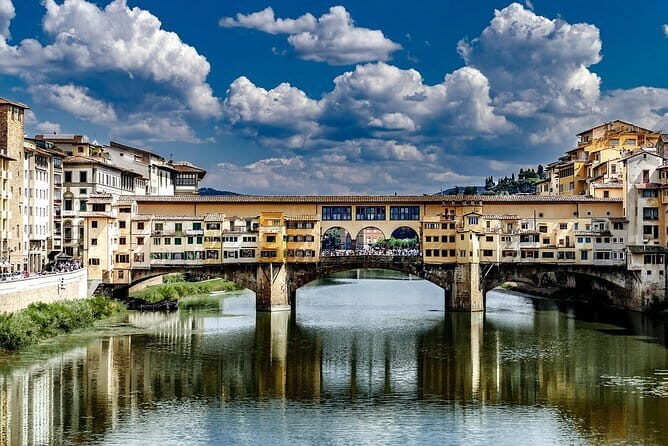
- Ponte Vecchio and the Uffizi thread: the bridge as a living city symbol
- Palazzo Pitti and the Medici household story
- How guides like Rossella, Marco, and Claudia shape the experience
- Wine tasting at Via del Gomitolo dell’Oro: Chianti pairings done the right way
- What’s included (and what you’re still responsible for)
- Price and value: is $102.56 a fair deal?
- Who should book this, and who should skip it
- Should you book this Florence walking tour with wine tasting?
- FAQ
- Where does the tour start?
- How long is the walking tour and wine tasting?
- What wines are included in the tasting?
- What food is served during the wine tasting?
- How big is the group?
- Are entrance tickets included for the landmarks?
- Is hotel pickup or transportation included?
- What happens if I arrive late?
- What if the weather is bad?
Key takeaways before you go
- Radio headset included: you can actually follow the story at each stop.
- Small group (max 18): more back-and-forth, fewer silent moments.
- Landmarks arranged for orientation: Repubblica, Duomo area, Palazzo Vecchio, Ponte Vecchio, Pitti.
- Three wine tastings with pairing knowledge: Chianti Classico, Chianti Classico Reserve, and a white wine.
- No entrance tickets needed: the tour runs outside major sights, so you save time and money.
Why this Florence stroll-and-wine combo is a smart first move
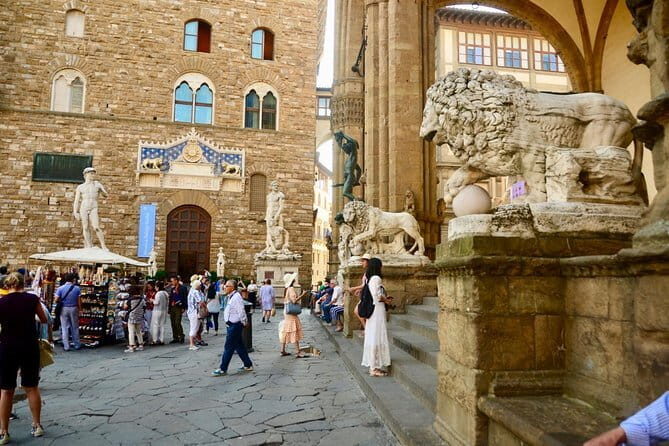
This tour works because it gives you two kinds of “readability.” First, the walking route points you to Florence’s key symbols—cathedral square, city hall territory, the famous bridge, and the grand palace world. Second, the wine tasting turns Tuscan culture into something you can taste, not just see.
I like that it’s not only a sightseeing checklist. The guide weaves connections between politics, art, and architecture as you move from one iconic spot to the next. And the small-group setup (up to 18) helps you ask questions without feeling like you’re shouting into a crowd.
If you’re visiting Florence for the first time, this kind of grounding pays off later. After a tour like this, you’ll know where you are and why you’re seeing what you’re seeing—especially around the Duomo area and the Medici power centers.
You can also read our reviews of more walking tours in Florence
Meeting up and timing: what 2 hours 45 minutes really means
Plan for a steady, walk-and-stand kind of pace. The walking portion is about 1.5 hours, with short stops at each major landmark, and then the tasting runs about 1 hour 15 minutes.
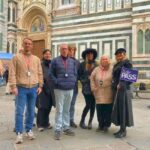
You meet the guide in front of the Hard Rock Cafe at Piazza della Repubblica. The tour is designed to start on time, so don’t treat the meeting point like a suggestion. If you arrive after the tour start time, you can’t join and won’t be refunded or rescheduled.
Also note the tour runs outdoors and depends on weather. If conditions aren’t good, the operator offers an alternative date or a full refund.
Piazza della Repubblica to the Duomo area: start in the center, learn the timeline
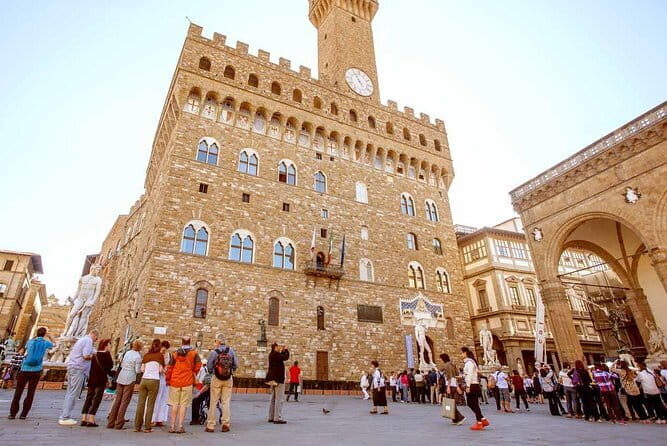
Your first stop is Piazza della Repubblica, a natural “center of gravity” for Florence walking. The guide kicks off with the city’s Renaissance transformation—how Florence’s cultural movement changed not just the city, but eventually much of Europe. It’s a helpful framing because later stops make more sense when you understand Florence as a political and artistic engine, not just a pretty place.
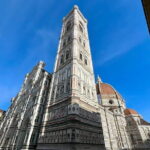
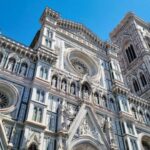
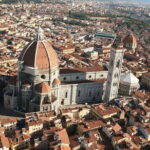
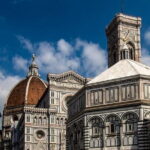
From there, you head toward Piazza del Duomo and the cathedral square. Your route passes historical buildings and landmarks as you walk into the Duomo zone, including the area around Santa Maria del Fiore. This is where you’ll start seeing how Renaissance design thinking shaped the city’s visual identity.
It’s also a smart way to build energy. You’re not spending your first hour stuck in long lines or paying for entrances. Most stops are handled from the outside, with admission tickets not required for the walking portion.
Palazzo Vecchio and the David you’ll see outside: power, not just sculpture
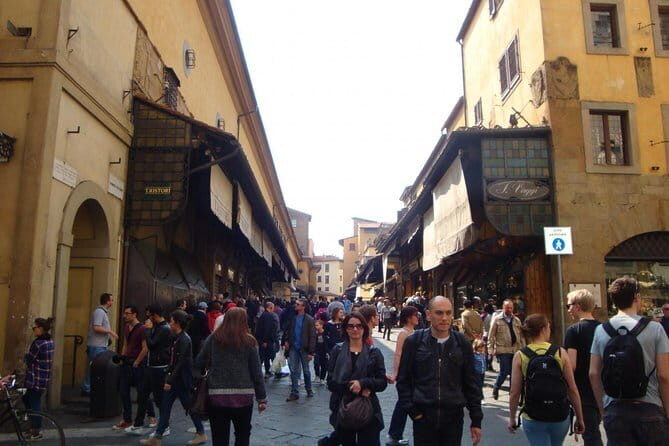
Next comes the Piazza del Duomo area as you continue through the historic core toward Palazzo Vecchio. This is one of the more important “politics in stone” stops because it connects art to civic identity.
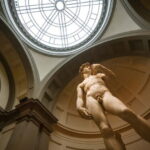
At Palazzo Vecchio, you’ll see the outdoor placement of Michelangelo’s David. The original sculpture is housed in the Galleria dell’Accademia, but the outdoor David still works as a symbol. Your guide explains how the republic used Michelangelo’s image to show defiance against the Medici—basically, art as messaging.
This stop is especially valuable if you often feel lost at major monuments. Here, the story gives you a reason for what you’re looking at. It’s not just “famous statue.” It’s “who used symbolism, and why.”
Ponte Vecchio and the Uffizi thread: the bridge as a living city symbol
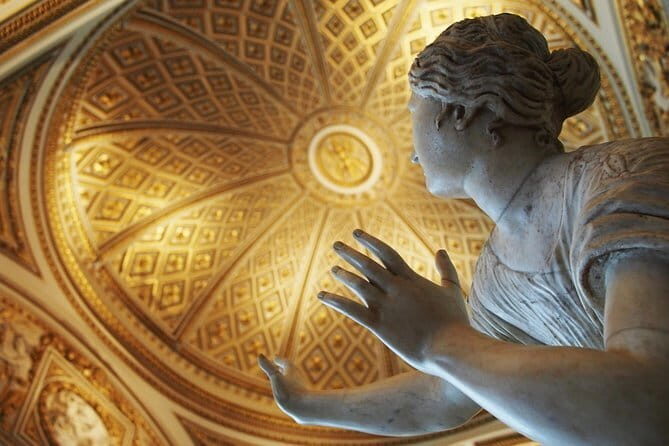
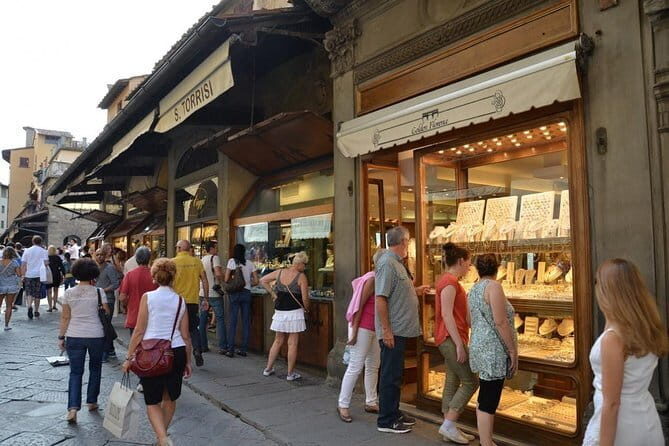
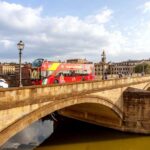
After Palazzo Vecchio, the guide brings in context about the Uffizi Gallery as you walk toward Ponte Vecchio, Florence’s best-known old bridge. Ponte Vecchio isn’t only postcard material—it’s a “continuity” landmark. Even when styles change, the bridge keeps functioning as a city connector and a visual anchor.
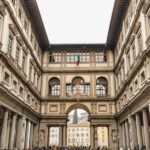
Your guide’s commentary links the bridge to the larger art world in Florence, including why institutions like the Uffizi matter. That thread is useful because many first-time visitors see paintings and architecture as separate experiences. This tour makes them feel connected.
The timing here is short, so don’t expect a long photo session. But the guide’s pacing is good for orientation, and you’ll leave knowing where Ponte Vecchio sits in the bigger map of Florence.
You can also read our reviews of more food & drink experiences in Florence
- San Gimignano, Siena, Monteriggioni, Chianti Day Trip with Lunch & Wine Tasting
★ 4.5 · 4,432 reviews


Palazzo Pitti and the Medici household story
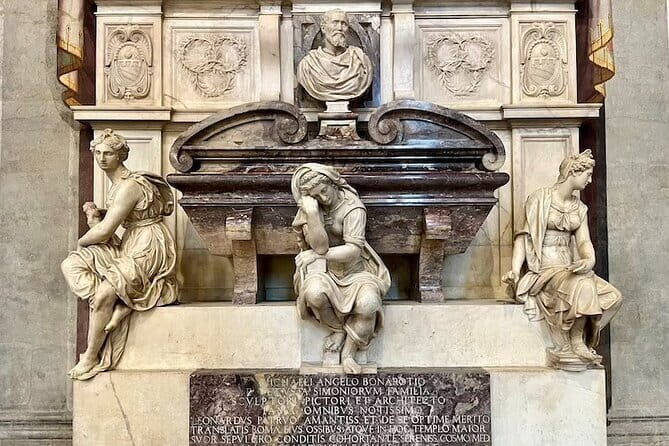
Your next stop is Palazzo Pitti, a major Florence palace tied to the Pitti family and later the Medici’s. This is where you start seeing the scale of power built into the city. Palazzo Pitti is huge, and it helps explain why Florence’s ruling families didn’t just govern—they displayed authority through architecture.
You spend about 30 minutes here, which is longer than most other walking stops. That extra time matters because palaces can look like “big buildings” if no one frames what you’re seeing. With a guide steering the story, you’ll notice how the design fits into the Renaissance worldview.
How guides like Rossella, Marco, and Claudia shape the experience
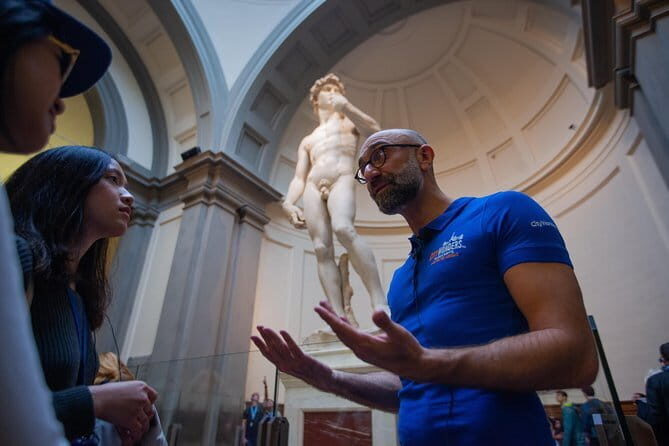
A big part of the quality here is the guide. The structure of the tour depends on someone being able to talk clearly while you move.
I like that the tour uses a radio system, and the past guides listed—Rossella, Marco B., and Claudia—are described as strong on history and art context. Rossella is singled out as knowledgeable about buildings and people. Marco B. is praised for impressive art history knowledge and good pacing, including answering questions. Claudia, noted for French-language comfort, is described as welcoming and patient.
You don’t need a museum background to enjoy this. If you like explanations that connect the dots—architecture to politics to art—you’re in the right place.
Wine tasting at Via del Gomitolo dell’Oro: Chianti pairings done the right way
The tour’s second half turns the city’s culture into something practical: a guided wine tasting and wine-pairing class.
You’ll be greeted by tour staff at Via del Gomitolo dell’Oro, 11, then tasting begins. It’s structured to teach you what you’re drinking and how to connect the flavors to food.
You taste three types of Tuscan wine:
- Chianti Classico
- Chianti Classico Reserve
- a white wine
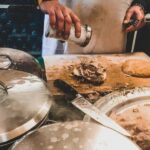
Food pairing matters here. You get a platter of Tuscan bites, including Parmesan cheese, Italian olives, bruschetta, and cured meats such as salami and prosciutto. This matters because it prevents the tasting from feeling like random pours. Instead, you’ll taste with context—what to expect and what to notice.
One practical tip: if you plan to keep exploring afterward, don’t stack this too tightly with heavy sightseeing. Wine can make you slower, and the tour is already a walk day.
What’s included (and what you’re still responsible for)
For the price, the best part is the mix of guided storytelling plus organized food and wine.
Included:
- Official certified guide
- Radio system to hear the guide clearly
- Wine tasting and wine pairing class
- Tuscan appetizers/snacks platter
- Alcoholic beverages: three Tuscan wines (Chianti Classico, Chianti Classico Reserve, and a white wine)
Not included:
- Hotel pickup/drop-off and transportation
- Any meals beyond what’s listed
- Entrance tickets, because the walking tour is operated from the outside of attractions
This setup keeps costs more predictable and avoids the “surprise fees” problem. You’re paying for guidance and tastings, not entrance tickets.
Price and value: is $102.56 a fair deal?
At $102.56 per person, this isn’t a cheap stroll. But it also isn’t only a basic walking tour.
You’re paying for:
- A guide plus a radio system
- A tight, landmark-focused route through central Florence
- A full tasting experience with three wines and a pairing class
- A food platter (parmesan, olives, bruschetta, salami, prosciutto)
Also, consider timing. You’re combining two activities in one block of your day—walking orientation and a tasting. If you’re planning to do a wine experience anyway, bundling it with orientation often makes the price feel more reasonable than booking separately.
If you’re the type who hates structured tastings and prefers to sip on your own, you might feel this is too “programmed.” But if you want guidance and food pairings, it’s a solid value.
Who should book this, and who should skip it
This fits best if:
- It’s your first trip to Florence and you want fast orientation.
- You care about how Renaissance power shows up in real places: squares, palaces, statues, and bridges.
- You want a guide you can hear clearly, thanks to the radio system.
- You’d like a structured wine tasting with pairings, not a wandering snack-and-sip.
You might choose something else if:
- You hate group pacing or short stops (this tour is stop-and-go).
- You arrive late to tours often (the start time is strict).
- You’re not able or willing to participate in wine tasting.
Should you book this Florence walking tour with wine tasting?
I’d book it if you want a first-day win: get your bearings, learn why the big sights matter, then finish with a tasting that feels like a real Tuscan experience rather than a random detour.
Skip it only if you prefer self-guided exploration with zero structure, or if wine isn’t part of your plan. Otherwise, the combination of small-group guiding, clear audio, landmark sequencing, and a genuinely organized tasting makes it an efficient and memorable way to spend your time in Florence.
FAQ
Where does the tour start?
You meet your guide in front of the Hard Rock Cafe, at Piazza della Repubblica.
How long is the walking tour and wine tasting?
The total experience is about 2 hours 45 minutes, with roughly 1.5 hours of walking and about 1 hour 15 minutes for the wine tasting.
What wines are included in the tasting?
You taste Chianti Classico, Chianti Classico Reserve, and a white wine.
What food is served during the wine tasting?
The platter includes Parmesan cheese, Italian olives, bruschetta, and cured meats such as salami and prosciutto.
How big is the group?
The tour has a maximum of 18 travelers.
Are entrance tickets included for the landmarks?
No entrance tickets are needed because the walking tour is operated from the outside of the attractions.
Is hotel pickup or transportation included?
No. Hotel pickup/drop-off and transportation to and from attractions are not included.
What happens if I arrive late?
If you arrive after the tour start time, you won’t be able to join, and you won’t receive a refund or a reschedule.
What if the weather is bad?
The tour depends on favorable weather. If it’s canceled due to poor weather, you’ll be offered an alternative date or a full refund.


More Walking Tours in Florence

More Tours in Florence


More Tour Reviews in Florence
- Tuscany Day Trip from Florence: Siena, San Gimignano, Pisa and Lunch at a Winery
★ 5.0 · 21,634 reviews - The Best tour in Florence: Renaissance & Medici Tales – guided by a STORYTELLER
★ 5.0 · 12,316 reviews