REVIEW · BOLOGNA
Bologna Walking Tour & Traditional Cooking Class with Wine
Book on Viator →Bookable on Viator
Food is the fastest way to understand Bologna. You start at Piazza Re Enzo, then walk through markets and artisan shops before cooking in a real Cesarina home with other food lovers. You’re not just watching—your plate is part of the story.
Two things I really like: choosing ingredients in the market, and learning to make a classic Bolognese dish at the host’s home. There’s also aperitivo time, so the food and the culture talk happen at the same table.
One possible drawback: this is only about 3 hours, so the pace is busy. If you want long, slow wandering time on your own, you may feel a bit rushed.
In This Review
- Key Things You’ll Notice on This Bologna Food Tour
- Why Bologna’s Food Tour Works Best in a Real Home
- Meeting at Piazza Re Enzo and the Smart 10:00 Start
- The Market Walk: Picking Ingredients Like You Belong There
- Into the Cesarina Home: Aperitivo and Real Conversation
- Cooking Class Focus: From Prep to a Classic Bolognese Dish
- Wine and the Meal Together: How Bologna Food Actually Feels
- Group Size, Timing, and What to Expect in 3 Hours
- Price and Value: What $115.19 Buys You in Bologna
- Who This Tour Suits Best (and Who Might Skip It)
- Should You Book This Bologna Market and Cooking Class?
- FAQ
- How long is the Bologna walking tour and cooking class?
- What time does the tour start?
- Where does the tour begin?
- Where does the tour end?
- How many people are in the group?
- What does the experience include?
- Is there a mobile ticket?
- When do people typically book this tour?
- Is free cancellation available?
Key Things You’ll Notice on This Bologna Food Tour
- Small group (max 12): easier conversation and a calmer kitchen vibe
- Cesarina home setting: you cook in an actual private house, not a studio
- Aperitivo first: you start with a drink and snack, then shift into cooking
- Market ingredient choices: you learn what to buy and why in a local setting
- Bolognese + tiramisu pairing: a full Emilian menu, not just one dish
Why Bologna’s Food Tour Works Best in a Real Home
Bologna is famous for food, but this format gives you something most food tours don’t: a lived-in, people-first view of the cuisine. You’ll spend time walking through the city’s market world, then end in the private home of a Cesarina host—someone connected to the Cesarine network of Italian home cooks.
That matters because it changes the feel of the experience. You’re not trying to memorize a menu from a lecture. You’re learning through shopping, chopping, stirring, tasting, and chatting.
I also like that the experience is built around how Bologna actually eats at certain rhythms. You start with aperitivo, then you move to a regional pasta dish and finish with tiramisu. It’s a simple structure, but it maps well to how people talk and relax over food.
You can also read our reviews of more walking tours in Bologna

Meeting at Piazza Re Enzo and the Smart 10:00 Start
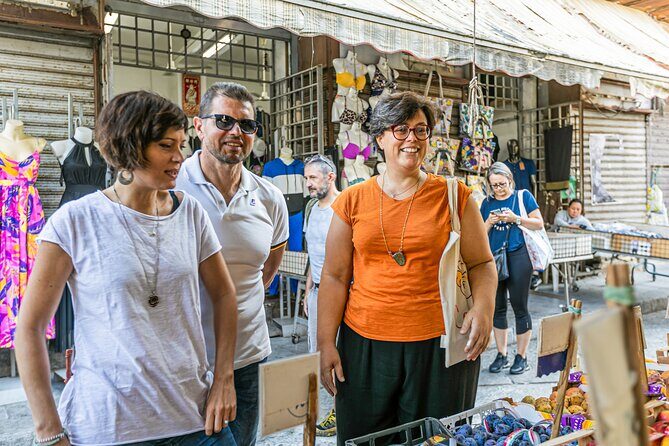
You meet at Piazza Re Enzo in Bologna, with a start time of 10:00am. The tour ends back at the meeting point, so you’re not stuck navigating a confusing end point after cooking.
Starting in the center is practical. It also sets expectations: you’re in walking territory from the first minutes. Bologna’s streets can be a mix of narrow passages and lively edges, so being on foot for the whole plan keeps the day feeling connected.
One more small detail that helps: the tour notes it’s near public transportation. That’s useful if you’re mixing this with other Bologna plans before or after.
The Market Walk: Picking Ingredients Like You Belong There
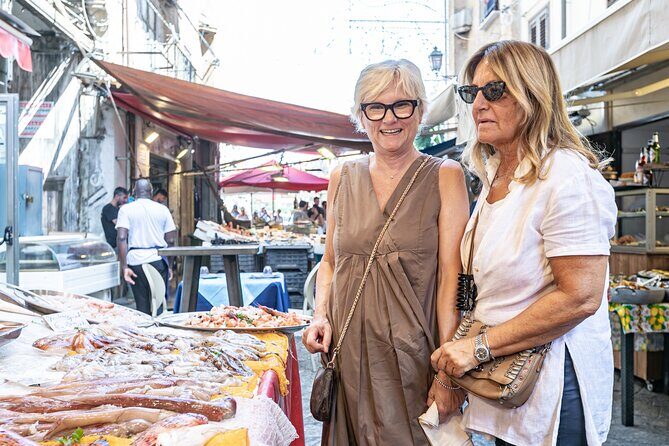
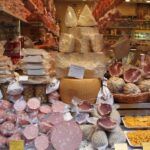
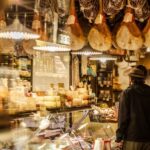
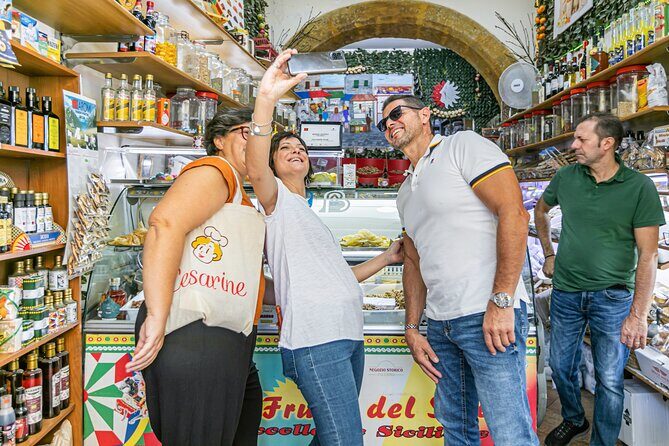
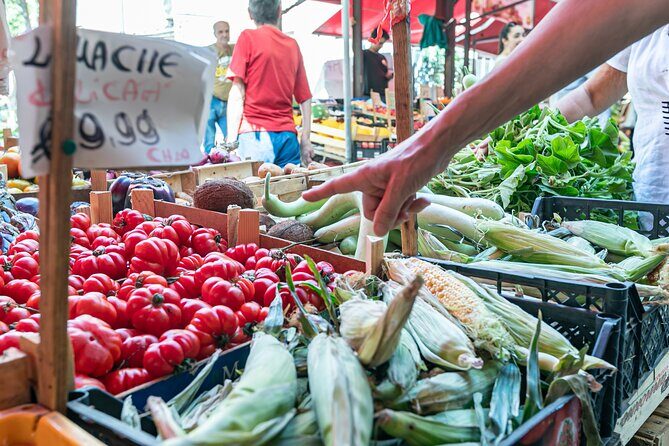
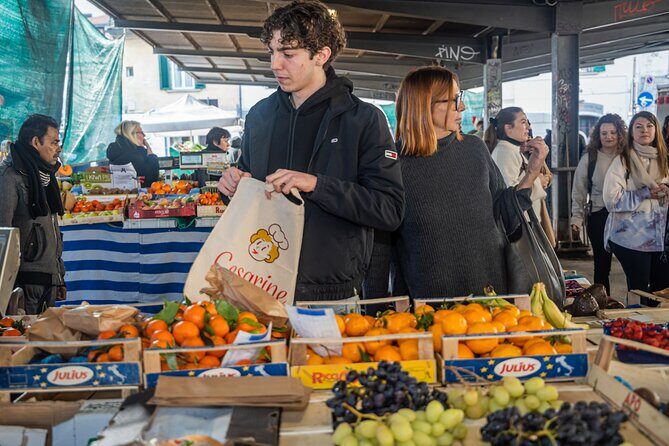
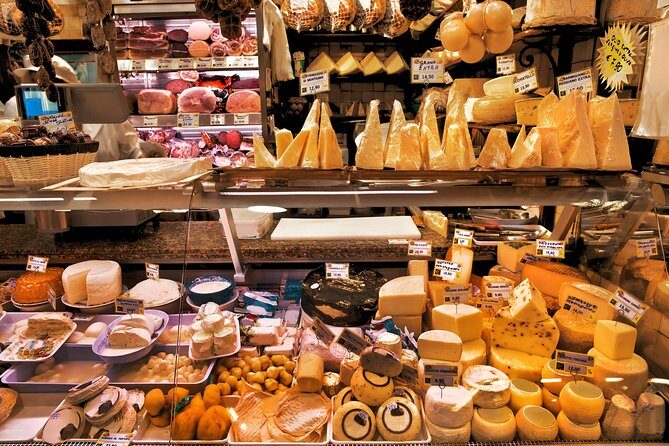
The morning includes a walking tour through historic streets, plus stops at local markets and artisan shops. The key idea here is that you’re not just sightseeing while someone else knows what to buy. You get to select fresh ingredients as part of the flow.
For me, ingredient choice is where most cooking experiences become memorable—or forgettable. A market walk can turn into a quick photo stop if it’s rushed. Here, the design points to a different goal: you’re gathering what you’ll use later in the kitchen.
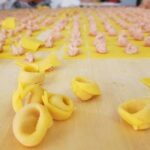
As you move through the market area, pay attention to the textures and forms you see being used. Even without a deep food vocabulary, you’ll start noticing patterns: what looks ready, what feels seasonal, and what stands out as the usual picks for regional cooking.
If you’re the type who loves food detail, this part is the foundation. If you’re more casual, it still works because the market stops help explain why the dishes taste the way they do.
Into the Cesarina Home: Aperitivo and Real Conversation
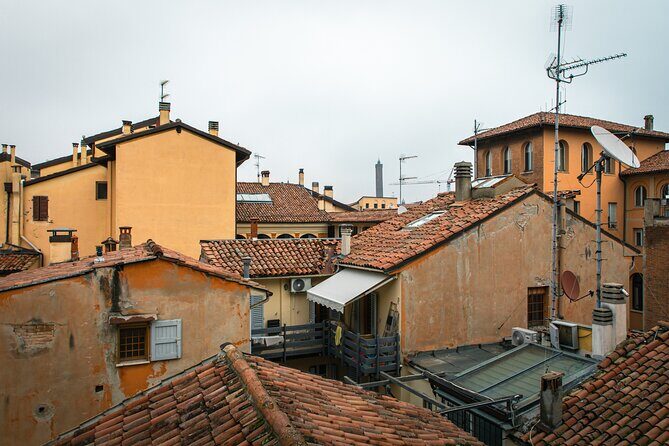
After the walking and market time, you head to the private home of your host Cesarina. This is part of what makes the tour feel genuinely local: you’re inside a kitchen that belongs to a person, not a rental space designed for strangers.
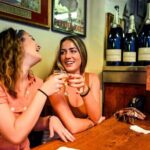
Before you cook, there’s aperitivo—a drink and snack. That’s not just a pre-meal ritual for fun. It’s a social reset. It gives you time to talk, ask questions, and settle in before the cooking becomes hands-on.
This is where you learn about Bologna’s food culture and how it differs elsewhere. You’ll get that perspective through conversation, not a script. And because the group is capped at 12, you should be able to ask real questions without yelling over each other.
I’d also call out the value of the format: tasting something simple at the start helps your brain switch from tourist mode to food mode. Once you’ve had the aperitivo, the cooking feels like the next logical step, not a separate activity.
Cooking Class Focus: From Prep to a Classic Bolognese Dish
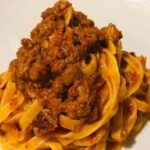
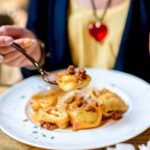
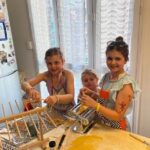
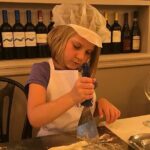
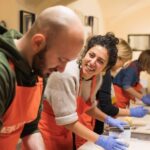
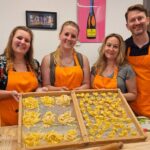
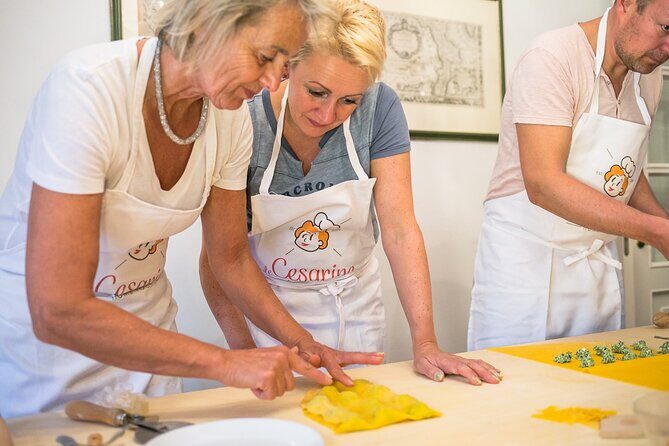
The cooking class is hands-on and centered on making a classic regional pasta dish, described as a “Bolognese” style experience. You’ll create the components together and then enjoy what you make.
What I like about this is the clear focus. This isn’t a cooking show where you watch someone else do the work while you stand to the side. The structure is built around you learning through doing—prep, mixing, cooking steps, and then the payoff at the table.
Even if you’re not an expert cook, you’ll likely come away with practical knowledge: the sequence matters, and the kitchen rhythm matters. Cooking in someone’s home also tends to make the instructions feel more usable. A home cook explains the dish as a normal part of their day, not as a performance for a crowd.
Because the group is small, you’re more likely to get help if you need it. That’s a big deal in a kitchen setting. Too-large groups can turn cooking into chaos; a max of 12 usually means you can keep moving and still get guidance.
You can also read our reviews of more cooking classes in Bologna
Wine and the Meal Together: How Bologna Food Actually Feels
After cooking, you enjoy the meal you made, along with a glass of regional wine. This is one of the best parts of a cooking class: you don’t just leave with recipes. You get to sit down and eat as the process intended.
This matters because wine and food pairing isn’t random here. The experience includes wine as part of the meal rhythm, and you’re eating what you made as a group. That combination makes it easier to remember details later—what worked, what you liked, and what you’d want to adjust if you cook at home.
You’ll also have tiramisu as part of the menu. It’s a classic finish for a reason, and it’s the kind of dessert people feel confident repeating later. If you like the idea of recreating an entire evening rather than one dish, that full menu is a strong win.
One practical tip: pace yourself. With aperitivo earlier and a full meal after, it’s easy to get carried away. Save your best concentration for the parts you want to replicate later—especially the pasta steps and anything about the sauce or assembly.
Group Size, Timing, and What to Expect in 3 Hours
This experience runs about 3 hours and caps at 12 travelers. That timing is an intentional balance. Long enough to shop, cook, and eat. Short enough that it won’t eat your entire day.
In a 3-hour class, things move. You’ll walk, choose ingredients, transition to the home, start with aperitivo, cook, then eat. The pacing is lively, and you should expect to be active—standing, walking, and working at a station during prep.
The good news is that the small group limit should keep the experience personal. It’s much easier to hear your instructions and have conversation when you’re not packed into a huge class.
If you’re worried about getting tired, think about comfort first. Wear shoes you’re happy to walk in. Kitchens can be tight, and market stops involve lots of short movement.
Price and Value: What $115.19 Buys You in Bologna
At $115.19 per person, this isn’t a budget activity—but it also isn’t trying to sell you a fancy tourist show. The value comes from the mix of ingredients, instruction, and a full meal structure.
Here’s what you’re paying for, based on what’s included:
- Market and walking time to select fresh ingredients
- A private home cooking class with a Cesarina host
- Aperitivo (drink and snack)
- A regional pasta dish you make and eat
- Tiramisu
- A glass of regional wine
If you compare it to separate activities—market tour plus cooking class plus meal—this packaging can make sense. You get one continuous experience instead of three different reservations.
The other value point is the setting. Cooking in a home connected to the Cesarine network is harder to replicate yourself, and it shapes the whole vibe. That’s part of why people love the cultural side: you’re seeing food culture through how real cooks feed people.
One thing to keep in mind: because it’s about 3 hours, you won’t leave with a deep library of skills. You’ll leave with a strong foundation and a dish you can realistically re-create, plus the confidence to handle pasta-making steps at home.
Who This Tour Suits Best (and Who Might Skip It)
This tour fits best if you want Bologna through food and daily life, not just food facts. You’ll probably enjoy it most if you like:
- Cooking hands-on, not just tasting
- Market time as part of learning
- Sitting down together to eat and talk
It’s also a good option for couples or friends who want a social experience without a crowd. The max of 12 keeps it from feeling like a factory class.
You might skip it if you hate structured schedules and prefer open-ended wandering all day. The three-hour window and step-by-step flow are great for many people, but not ideal for anyone who wants maximum flexibility.
Should You Book This Bologna Market and Cooking Class?
If you want a memorable Bologna experience that blends market shopping, pasta-making, aperitivo conversation, and a real home meal, this is a strong choice. The Cesarina home setting and the full menu (Bolognese pasta and tiramisu, plus wine) give you enough substance to feel like you did something more meaningful than a typical tasting.
I’d book it if you’re the kind of traveler who learns best by doing. The small group limit helps, and the 10:00 start works well for stacking it with other Bologna plans later.
If you’re unsure, decide based on your cooking comfort. If you’re happy chopping, stirring, and following steps, you’ll get a lot out of the class. If you want a laid-back walking tour with no kitchen involvement, you may want a simpler food walk instead.
FAQ
How long is the Bologna walking tour and cooking class?
It runs for about 3 hours.
What time does the tour start?
The start time is 10:00am.
Where does the tour begin?
The tour starts at Piazza Re Enzo, Bologna BO, Italy.
Where does the tour end?
It ends back at the meeting point (Piazza Re Enzo).
How many people are in the group?
The group is capped at a maximum of 12 travelers.
What does the experience include?
It includes a walking tour through historic streets, a market ingredient selection, a cooking class in a Cesarina home, aperitivo (a drink and snack), preparation of a regional pasta dish, tiramisu, and enjoyment of the meal with a glass of regional wine.
Is there a mobile ticket?
Yes, it includes a mobile ticket.
When do people typically book this tour?
On average, it’s booked 94 days in advance.
Is free cancellation available?
Yes. You can cancel up to 24 hours in advance for a full refund.