REVIEW · FLORENCE
Chianti Rufina: Wine Tour in Castle & Historical Villa
Book on GetYourGuide →Operated by ITALY AND WINE · Bookable on GetYourGuide
Two castles make the day feel bigger.
This full-day Chianti Rufina tour turns a normal Florence wine outing into a proper countryside mission: you ride through one of the quieter corners of Tuscany, visit historic estates set in medieval settings, and spend time tasting with real explanations (not just pouring and waving). It’s Chianti Classico in a castle-and-cellar setting, paired with a break for local Tuscan food.
I especially like two things about it: first, the guiding style. Names like Matteo and Hilary come up in the guide stories, and the focus is on helping you understand what you’re smelling and tasting, including how wine should be opened and given time before serving. Second, I like the lineup of wines you’re typically offered: at the estates, you’ll usually see at least one Chianti Classico Regular, a Chianti Classico Reserve, and a Super Tuscan, so you get a real sense of range—not just one style.
One consideration: this is a 7-hour day with walking and time in cellars, and it’s not suitable for pregnant women or for people with mobility impairments. Bring comfortable shoes and plan to be on your feet more than you might expect for a “relaxed” wine day.
In This Review
- Key things to know before you go
- Why Chianti Rufina feels different from the rest of Tuscany
- Meeting at Piazza Cavalleggeri and the minivan rhythm
- Castle stop one: Panereta or Monsanto and your first real Chianti Classico comparison
- Lunch at a local restaurant: Tuscan produce breaks the wine brain
- Castle stop two: Montecchio or Rampolla for the afternoon’s deeper pours
- How the guides teach you to taste, not just drink
- Scenic drive through Tuscany: why the ride time matters
- Price and value: what $283.21 buys you in a real day
- Practical tips so your day stays easy
- Who this Chianti Rufina tour suits best
- Should you book this Chianti Rufina wine tour?
- FAQ
- How long is the Chianti Rufina wine tour?
- How many people are in the group?
- Where do we meet, and where does the tour end?
- What language is the guide?
- Which wineries are visited on the tour?
- Is lunch included, and what does it include?
- Can I cancel for free, and is pay-later available?
Key things to know before you go
- Small group capped at 8: less crowd pressure and easier Q&A with the guide.
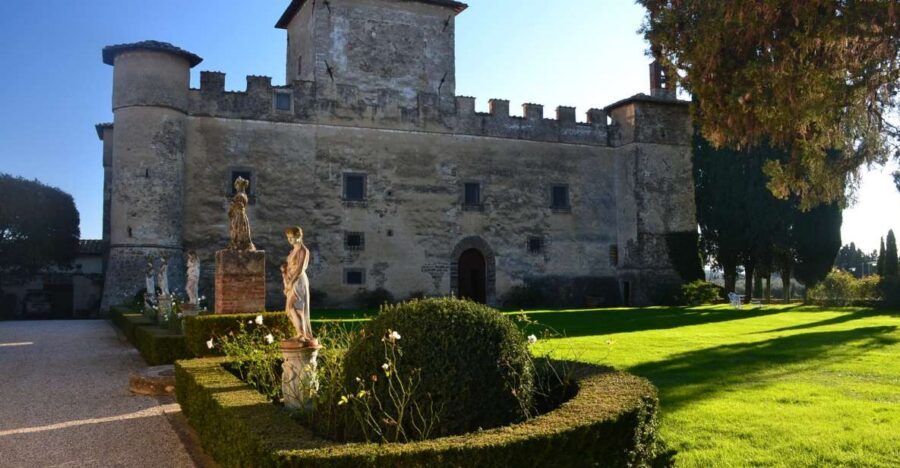
- Two estate stops: first at Castello della Panereta or Castello di Monsanto, then later at Fattoria Montecchio or Castello dei Rampolla.
- Tastings include multiple Chianti styles: Chianti Classico Regular, Chianti Classico Reserve, and often a Super Tuscan.
- Lunch is part of the deal: Tuscan favorites like pasta, cold cuts, and cheeses.
- Moderate logistics, no extras: minivan transportation included, but pets, smoking, and large luggage aren’t allowed.
Why Chianti Rufina feels different from the rest of Tuscany
Chianti can sound like one big generic wine label, but the Rufina area is its own personality. It’s tied to classic grape-growing traditions and a patchwork of small estates in hilly terrain. And because this tour is set up as a day outside Florence, you get the “away from the city” effect without needing to drive yourself.
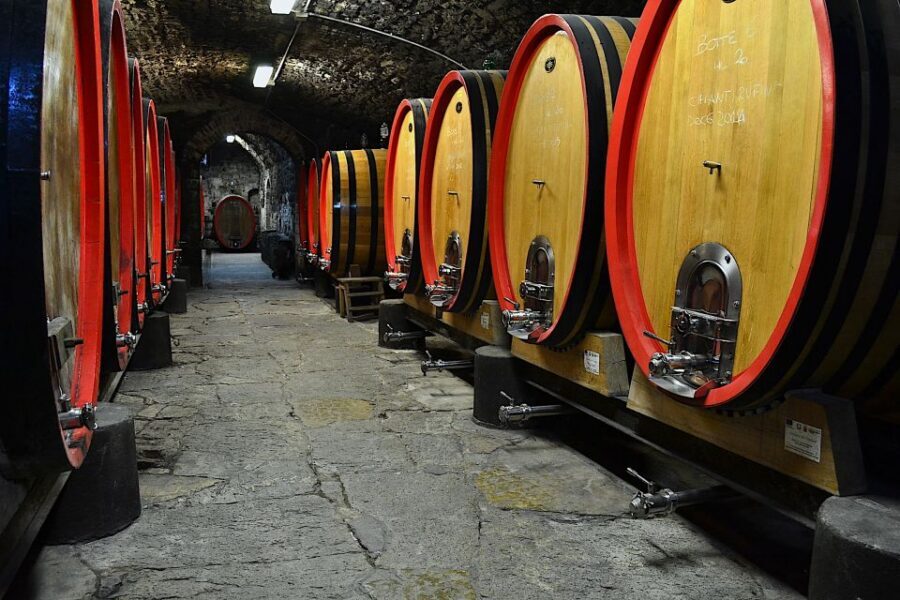
What I like about this approach is that you’re not only tasting wine—you’re learning how wine culture connects to place. The day is built around medieval estates that have become wineries, so you see how old stone walls and cellar systems now hold modern wine-making. That contrast makes the tastings more meaningful, because the wine isn’t floating in space. It’s tied to where it’s grown and how the estate has evolved.
You can also read our reviews of more historical tours in Florence


Meeting at Piazza Cavalleggeri and the minivan rhythm
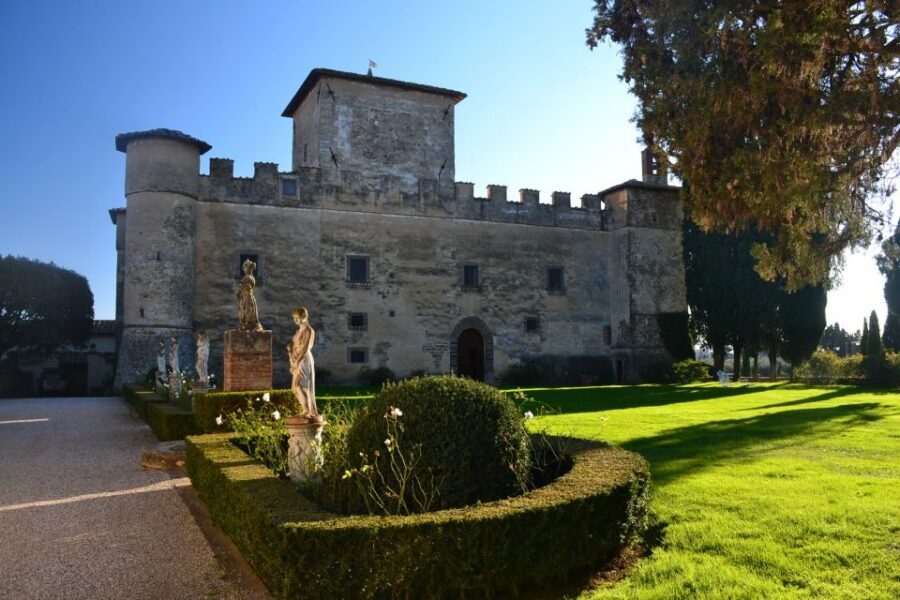
You start at Piazza Cavalleggeri, in front of the staircase of the Biblioteca Nazionale. From there, you’ll head out by minivan with a small group (limited to 8 participants). For many people, the minivan part is a win: you don’t waste your morning negotiating trains, buses, or taxis in and out of Florence.
The day runs about 7 hours, so the pacing is meant to feel steady: go, taste, eat, taste again, then return. Because the stops are selected estates (not random roadside tastings), you’ll spend your time where it counts rather than burning hours on detours.
Bring comfortable shoes. Even when the main wine activities happen in cellar rooms and tasting spaces, there’s still some movement between areas. It’s also worth keeping your posture in mind if you’re the type who wants to stay perfectly still—this is a walking-and-standing kind of day.
Castle stop one: Panereta or Monsanto and your first real Chianti Classico comparison
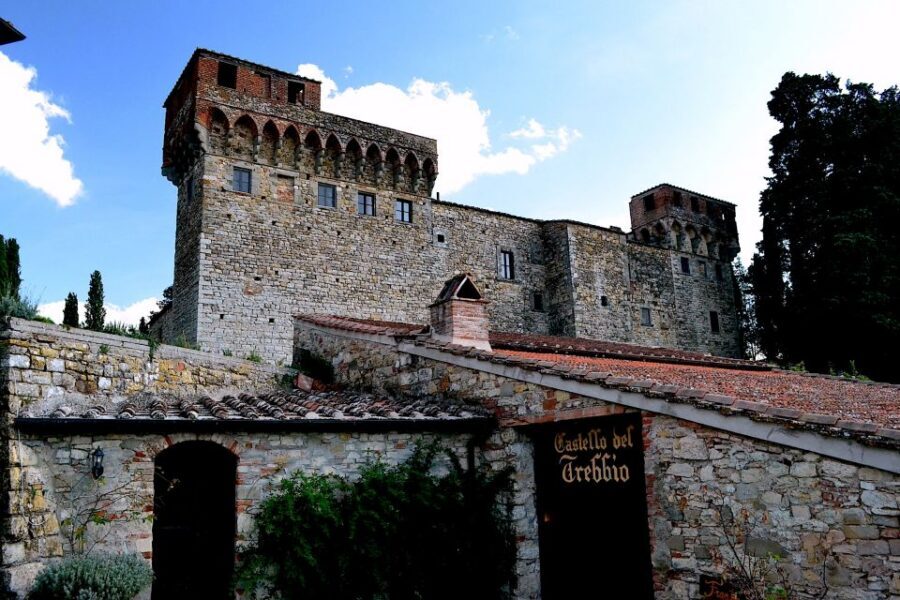
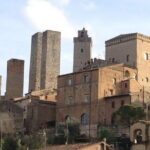
Your first winery visit is either Castello della Panereta or Castello di Monsanto. Both give you that classic Tuscan scene: estate buildings set in a medieval setting, with the cellar experience designed to teach you what’s in the glass.
What makes this first stop especially useful is that it sets the tone. You’ll get a visit through the cellars and a full explanation of the wines and other specialties made on the estate. This is where you start building your tasting vocabulary. Expect the guide to explain how the wines are made and why the flavors show up the way they do.
In terms of what you’ll be tasting, this first estate typically includes at least one Chianti Classico Regular. Then you may also taste a Chianti Classico Reserve and, depending on the estate’s lineup, the famed Super Tuscan. That matters because it’s not only about “is it good.” It’s about comparing styles in the same day, so you can understand what changes when the winemaking choices shift.
Potential drawback: since it’s tasting plus cellar time, the first stop can feel information-heavy. If you’re the type who gets overwhelmed when there’s a lot to remember, just focus on two things: what you notice first (aroma) and what lingers last (finish). Your notes don’t need to be fancy—just useful.
Lunch at a local restaurant: Tuscan produce breaks the wine brain
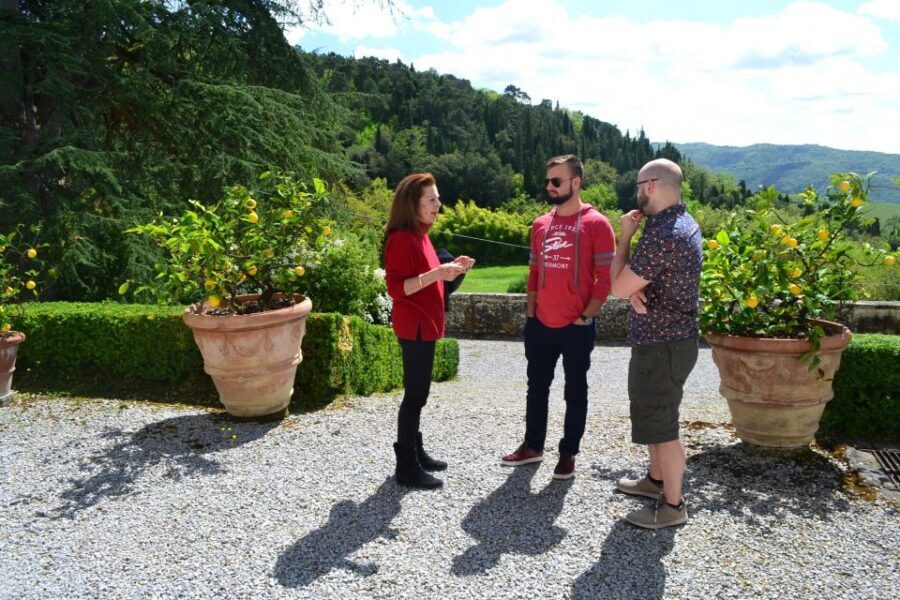
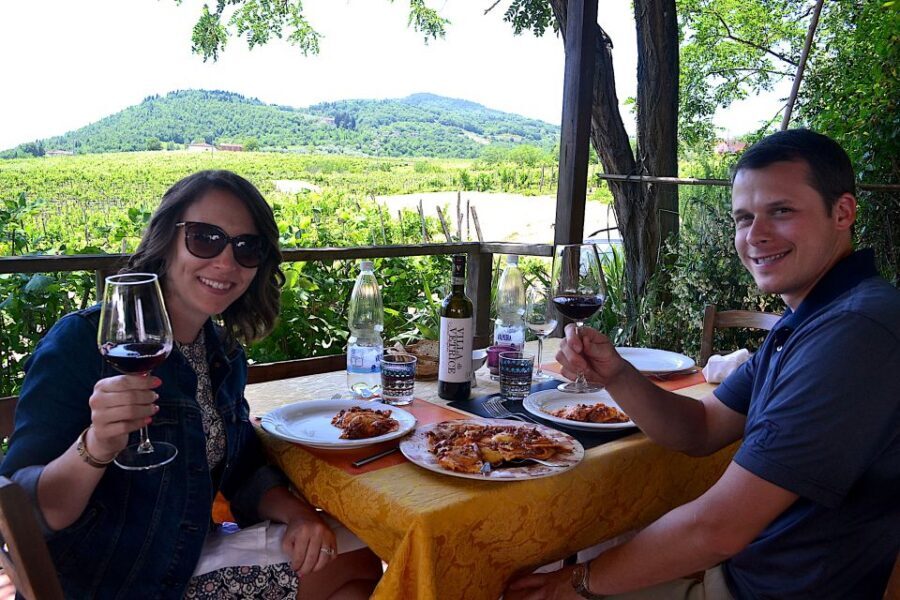
Between tastings, you stop at a local restaurant for a light lunch made from Tuscan staples. Think pasta, cold cuts, and cheeses—the kind of meal that fits naturally with Chianti because the flavors tend to match the wine’s savory side.
This lunch does more than fill you up. It resets your palate so the second winery tasting doesn’t blur into the first one. Wine days can get monotonous fast if you only drink and snack. Here, you get a proper local meal rhythm, which makes the later tasting feel clearer.
One practical note: since you’re tasting multiple wines, eat at a normal pace and don’t save all the cheese for the last minute. You’ll enjoy the later pours more if your palate stays steady.
Castle stop two: Montecchio or Rampolla for the afternoon’s deeper pours
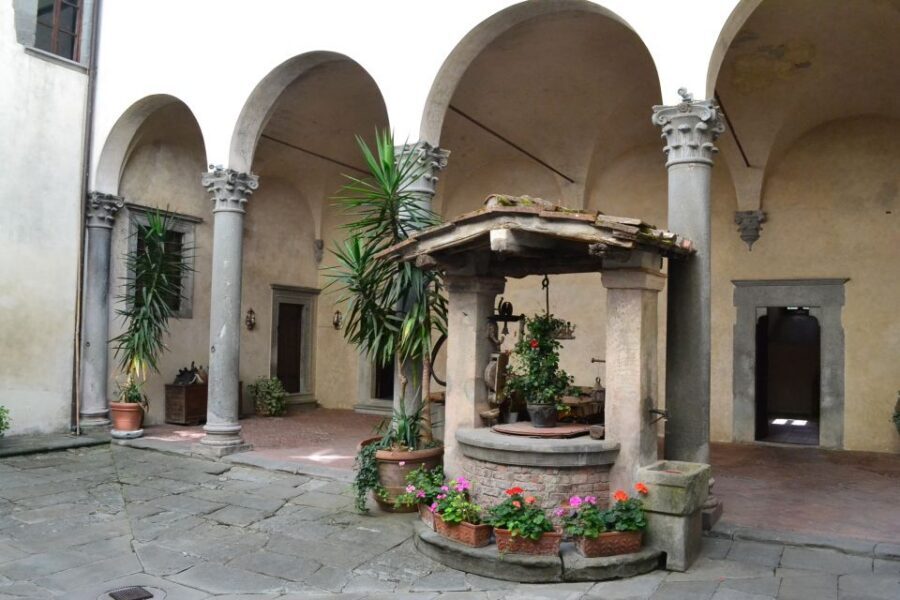
In the afternoon, you continue the Chianti tour with a visit to either Fattoria Montecchio or Castello dei Rampolla. Like the first stop, this is set up around guided tastings, with the estate chosen to keep the wine experience varied and focused.
If you enjoyed the cellar visit earlier, the second stop usually feels more like a test of what you learned. You’ll taste more prestigious Chianti wines, and the guide can help you connect those flavors to the earlier explanation. This is where you often start noticing differences in structure: how a wine feels on your tongue, whether it tastes more fruit-forward or more savory, and how the tannins behave.
I also like that the schedule gives you enough time to actually do the tasting rather than rush through it. The day is built so you get about two hours per tasting block, which is a good amount of time to slow down and compare.
You can also read our reviews of more wine tours in Florence
- Tuscany Day Trip from Florence: Siena, San Gimignano, Pisa and Lunch at a Winery
★ 5.0 · 21,634 reviews

How the guides teach you to taste, not just drink
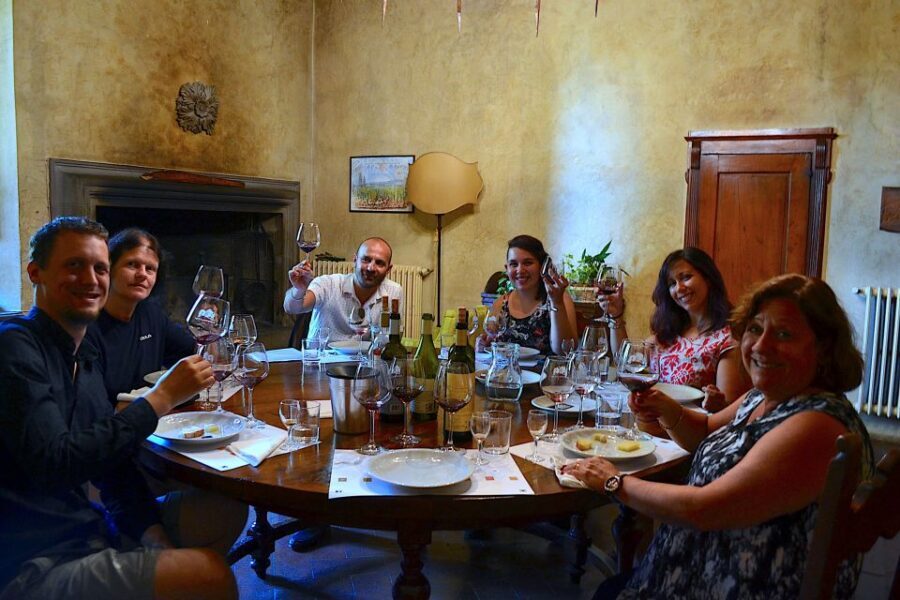
A lot of wine tours suffer from one problem: they treat tasting like a guessing game with fancy words. This one tries to do better. The guides emphasize how to use your senses, including trust in your nose and palate. You’re not being asked to recite technical jargon; you’re being taught a method.
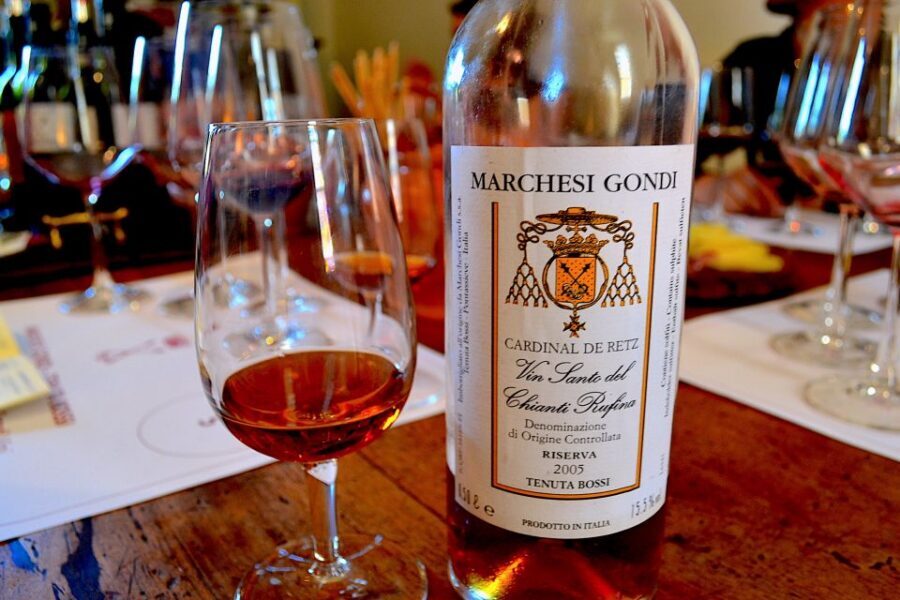
One tip that comes up in guide stories is about opening wine and letting it breathe for a bit before tasting. That small change can make a surprising difference in aroma and balance. You might also be coached on pairing—how to taste alongside food so you can see what the wine does when it meets salt, fat, and herbs.
If you like hands-on learning (even in a relaxed way), this tour tends to deliver it. And if you prefer a lighter approach, you can still benefit by using the guide’s guidance as a checklist: smell first, taste next, then notice what changes after a bite.
Scenic drive through Tuscany: why the ride time matters
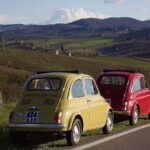
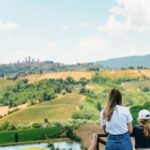
The drive between stops is part of the experience, not just transport. You’re moving through Tuscany countryside that feels calmer than the immediate Florence area. That matters because wine tasting can feel intense, and the countryside ride acts like a decompression moment.
It also helps you shift from city mode to countryside mode. Even if you only get a short look out the window at a time, the change in scenery supports the day’s theme: medieval settings, working vineyards, and a slower pace.
Price and value: what $283.21 buys you in a real day
At $283.21 per person, this is not a budget wine sampler. But it also isn’t overpriced for what’s included. Here’s what you’re paying for that makes the cost make sense:
- Two estate visits with wine tasting fees covered
- An expert local guide in English (small group makes this feel more personal)
- Minivan transportation from Florence
- Lunch with local Tuscan items
Many wine experiences either cut corners on access or cut corners on instruction. This one pays for a structured day: estate time, tastings, and a guided explanation. If you like the idea of leaving with a better understanding of what you actually enjoy buying, the price can feel fair. If you mainly want the simplest possible glass of wine with no education, you might not get your money’s worth.
Practical tips so your day stays easy
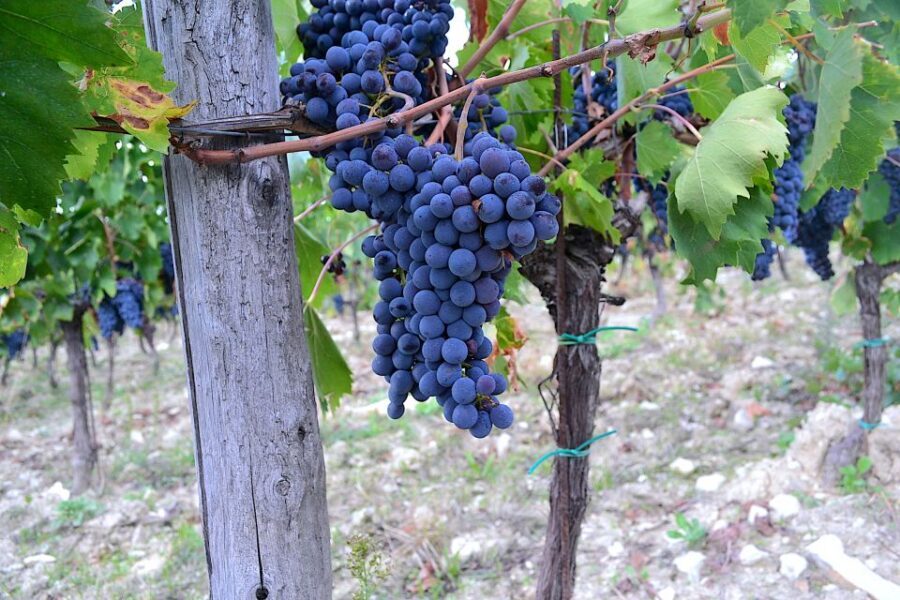
A few things will make the day smoother:
- Wear comfortable shoes. Cellar and estate spaces mean some standing and short walks.
- Pack light since luggage or large bags aren’t allowed.
- Plan for no flexibility on smoking/pets. Smoking is not allowed, and pets aren’t permitted.
- Think about pace: you’ll taste and eat, but you should expect a full, active day rather than a lazy afternoon stroll.
One more smart move: if you’re the kind of person who wants to bring bottles home, keep that in mind when you’re tasting. The tour doesn’t mention shipping during the tour itself, so if you’re buying wine, ask the estate staff about options they offer.
Who this Chianti Rufina tour suits best
This works best for you if you want your Florence day trip to include real wine education alongside a sense of place. It’s ideal if you:
- enjoy Chianti Classico and want to compare Regular vs Reserve styles in the same day
- like the drama of medieval castles turned into wineries
- appreciate guides who slow down tasting and explain what you’re experiencing
- want a guided, no-driving option with a small group
It’s less ideal if you need step-free access, if you’re pregnant, or if a longer day with standing and cellar time won’t work for you.
Should you book this Chianti Rufina wine tour?
Book it if your goal is a structured wine day with two estates, guided tastings, and lunch included—while seeing the Chianti Rufina countryside as more than a postcard. The small group size and the way guides teach tasting methods (not just serving wine) are the main reasons this experience feels worth the time.
Skip it if you want a purely casual tasting with minimal walking and shorter time in transit. Also skip if accessibility needs make the cellar-and-estate format difficult.
If you’re aiming for a memorable Florence day that combines scenery, history-flavored settings, and multiple Chianti styles in an organized way, this is a strong pick.
FAQ
How long is the Chianti Rufina wine tour?
It runs for about 7 hours total.
How many people are in the group?
The tour is limited to a small group of 8 participants.
Where do we meet, and where does the tour end?
You meet at Piazza Cavalleggeri, in front of the staircase of the Biblioteca Nazionale, and the tour ends back at the same meeting point.
What language is the guide?
The tour has a live guide in English.
Which wineries are visited on the tour?
The first stop is either Castello della Panereta or Castello di Monsanto. The afternoon stop is either Fattoria Montecchio or Castello dei Rampolla.
Is lunch included, and what does it include?
Yes, lunch is included. It’s described as a light Tuscan meal with items such as pasta, cold cuts, and cheeses.
Can I cancel for free, and is pay-later available?
Free cancellation is offered up to 24 hours in advance for a full refund. The tour also offers reserve now and pay later, so you can book without paying immediately.

More Historical Tours in Florence



More Tours in Florence



More Tour Reviews in Florence
- Tuscany Day Trip from Florence: Siena, San Gimignano, Pisa and Lunch at a Winery
★ 5.0 · 21,634 reviews - The Best tour in Florence: Renaissance & Medici Tales – guided by a STORYTELLER
★ 5.0 · 12,316 reviews