REVIEW · FLORENCE
Florence: Bargello Museum Guided Tour with Entry Ticket
Book on GetYourGuide →Operated by StarFlorence · Bookable on GetYourGuide
Sculpture in Florence hits different here. This Bargello Palace tour pairs reserved entrance with a focused walk through the museum’s big-name works and the lesser-known objects that connect them. I like that the guide doesn’t just list masterpieces. They help you see how the whole collection fits together, room by room.
Two things I really like: you get skip-the-line entry so you waste less time at the door, and the guidance is built around the art’s key players, especially Donatello and Michelangelo. One thing to keep in mind is that the stated duration can vary a bit, with the tour described as about two hours while the booking duration shows 1 hour—so I’d treat this as a “check the time slot” situation and plan around a longer museum visit.
In This Review
- Key Points Before You Go
- Bargello Palace: Why This Museum Feels Special
- Skip-the-Line Entrance and a Smooth 1–2 Hour Museum Rhythm
- First Stops: Ground Floor Rooms and the Michelangelo Focus
- Donatello and Verrocchio: Early Renaissance You Can Actually Follow
- Other Sculptors and Precious Objects: Cellini, Giambologna, and More
- Second Floor Mission: Della Robbia Glazed Terracotta
- Pacing, Pace Control, and What You Can Re-Visit
- Practical Details That Affect Your Day
- Who This Tour Is Best For (and Who Might Skip It)
- Should You Book the Bargello Guided Tour With Reserved Entry?
- FAQ
- FAQ
- How long is the Florence Bargello guided tour?
- Is skip-the-line entry included?
- What’s included in the price?
- Which artworks and artists will I see?
- What languages are available for the live guide?
- Where do I meet, and where does the tour end?
- Is the tour wheelchair accessible?
- What should I bring, and what isn’t allowed?
- Can I cancel or pay later?
Key Points Before You Go
- Skip-the-line, reserved entry so you can start seeing instead of waiting
- Michelangelo and Donatello highlights that you can place in context fast
- Radio system to keep the guide easy to hear throughout the rooms
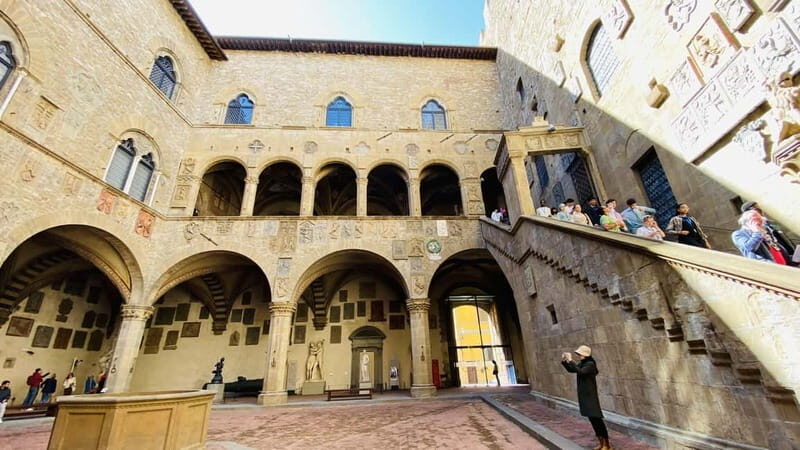
- Bargello’s building history explains why the setting feels so distinct
- Second-floor Della Robbia glazed terracotta is a whole separate mission
- Small, guided pacing that aims to cover a lot without feeling rushed
Bargello Palace: Why This Museum Feels Special
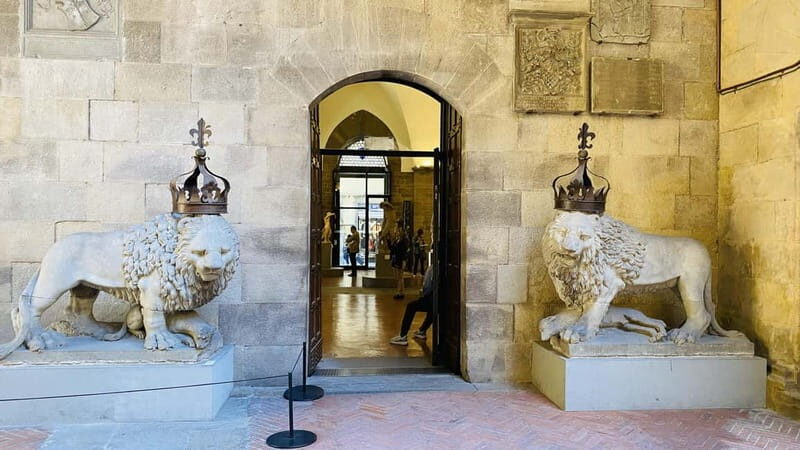
The Bargello is a Florence standout for a simple reason: the building carries a past that still clings to the rooms. Long before it was a museum, it was tied to city power—first as headquarters for the Capitano del Popolo, later connected to the Podesta, the ruler of the city. After that, it shifted into a darker role, serving as the residence of the head of police and then being used as a prison.
Once you hear that, the art changes how it lands. Standing in a hall meant for authority (and later confinement) makes you look twice at the sculptures and precious objects—like you’re seeing Renaissance creativity through a setting that has already lived through real consequences.
And because the tour is guided, you’re not left trying to decode the museum alone. You get an orderly route that starts with the setting and then moves into what the collection is really doing: showing how Florentine taste evolved across the early Renaissance, the High Renaissance mood, and the decorative arts that people often skip.
You can also read our reviews of more tours and experiences in Florence
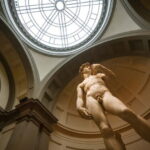
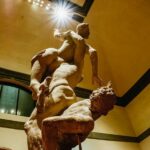
Skip-the-Line Entrance and a Smooth 1–2 Hour Museum Rhythm
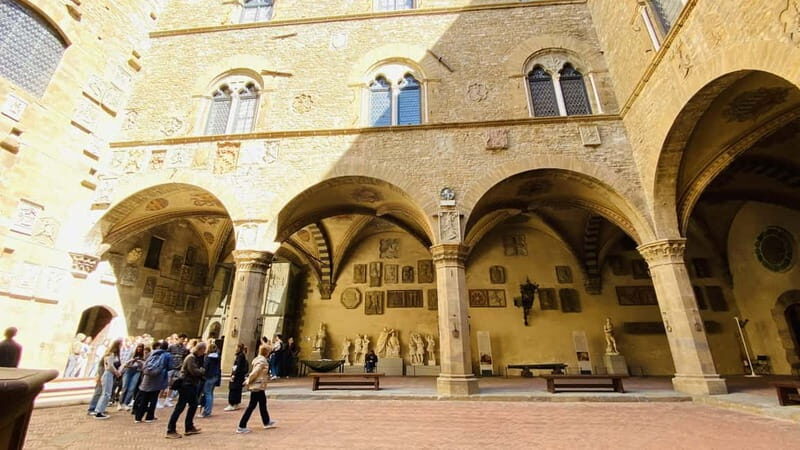
This tour includes an entrance ticket with reservation, and the big practical win is that skip-the-line access is built in—even during peak season, with rare exceptions tied to delays or strikes by museum management. That matters in Florence, where the hardest part of museum time is often the waiting.
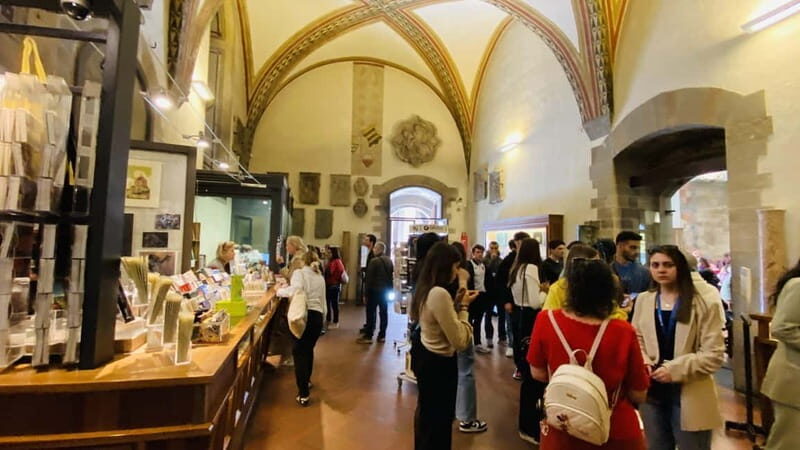
The guide also brings a radio system, which is a surprisingly big deal in the Bargello. You’ll spend time moving between rooms and floors, and if you have trouble hearing, the whole experience turns into “follow the group and guess.” Here, the system is meant to keep the explanation clear.
About timing: the booking info lists a 1-hour duration, while the tour description talks about a visit around two hours. Either way, the tour is structured so you don’t just skim the highlights. You’re guided through enough rooms to feel oriented, and then you still have the freedom to return to anything that really grabs you once the tour ends.
Price check: $44.41 per person. That sounds like a plain museum ticket until you remember what’s bundled—official certified guide, reserved entry, and the radio system. For me, the value comes from reducing two common costs of museum visits: time lost at ticket lines and understanding lost when you go in alone.
First Stops: Ground Floor Rooms and the Michelangelo Focus
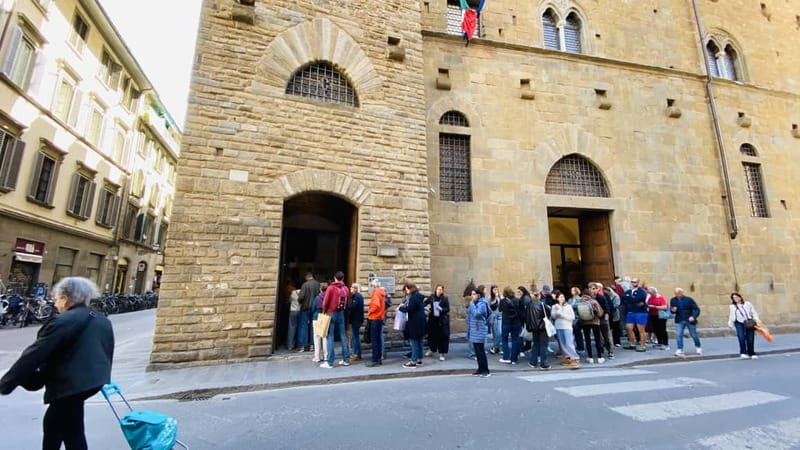
The experience starts with the guide setting a baseline. You’ll get a short history of how the Bargello became what it is today, then you move straight into the collection. The ground floor is where the guide helps you build your first “map” of the museum.
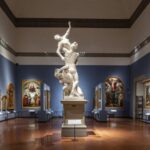
That level includes Tuscan works from the 16th century, but the real attention is on several major works by Michelangelo. The tour description says the guide particularly focuses on four Michelangelo masterpieces. In the highlight list, two are specifically named: Bacchus and the Tondo Pitti. Even if you’ve seen reproductions before, seeing these works in the museum’s scale and light helps you notice details you’d miss on a screen.
What I like about the way the guide handles this part is that you’re not just ticking off famous names. You’re being guided into how the works were meant to communicate—through pose, finish, emotion, and materials. That’s how you leave with more than just photos.
And yes, this is also where the “don’t be overwhelmed” strategy shows up. The pace is designed to cover a lot without turning the museum into a blur.
Donatello and Verrocchio: Early Renaissance You Can Actually Follow
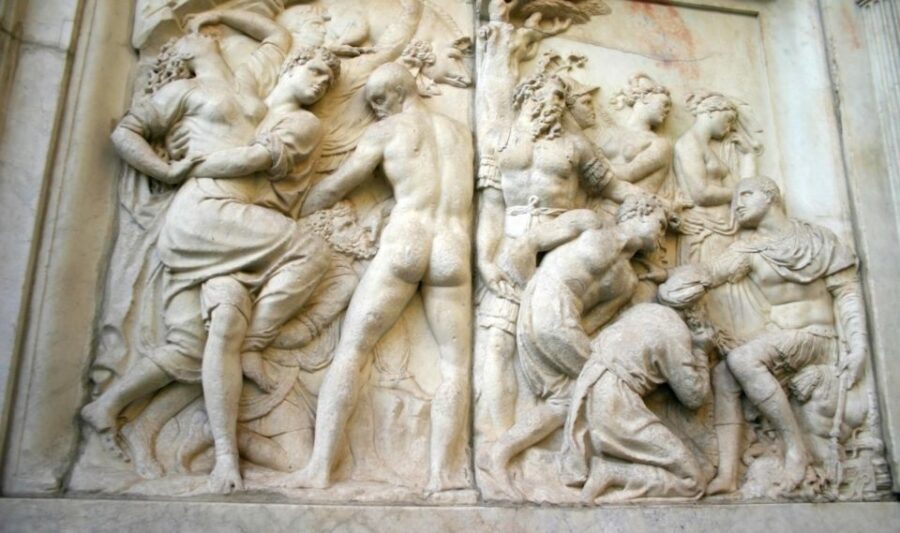
The Bargello is a place where Donatello belongs front and center. The highlight list calls out David and St. George by Donatello, and the tour is built to give you context for what made these works so important in their moment.
This is where a guided structure really pays off. Without help, early Renaissance art can feel like a list of “important because famous artist.” With a guide, you start noticing the logic: how sculpture techniques, expression, and form were pushing Florentine art forward.
The guide also connects the story to Verrocchio. The tour description specifically says you’ll discover early Renaissance masterpieces made by Donatello and Verrocchio. That framing helps you understand why Donatello’s work isn’t floating in space—it’s part of an artistic shift happening in Florence.
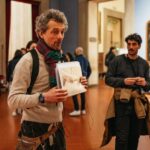
One review calls out a guide named Matt as very informative and as someone who showed things the person hadn’t seen or learned on two prior visits to the same museum. That’s exactly the kind of benefit you want from a guided tour: extra layers, not just repetition.
Other Sculptors and Precious Objects: Cellini, Giambologna, and More
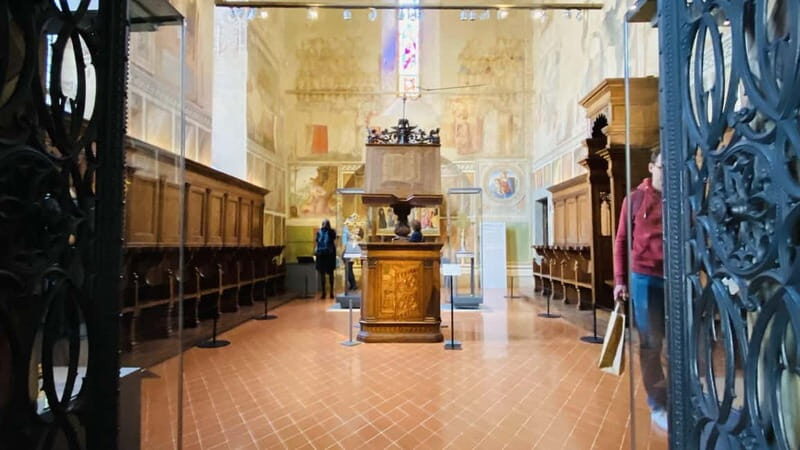
After you anchor the big names, the tour keeps going with other artists and decorative arts that make the Bargello more than a “Michelangelo vs Donatello” contest.
You’ll see works and objects connected to Bartolomeo Ammannati, Benvenuto Cellini, Giambologna, and more. The tour description also highlights precious ivories and bronzes, including examples from Roman and Byzantine traditions.
This matters because the Bargello isn’t only about sculpture on plinths. It’s also about how Renaissance Florence valued materials and the past. When the guide points out those Roman and Byzantine connections, you start understanding the museum as a web of tastes, not a single timeline.
It’s also a good section for people who worry guided tours will only focus on the “obvious big three.” Here, the guide puts effort into the supporting characters—so you leave feeling like you got the full picture, not just the headline works.
One review notes that the explanation was pitched at exactly the right level and that the guide was attentive. That matches how this part of the tour works best: the guide keeps the complexity manageable while still giving you useful details.
You can also read our reviews of more guided tours in Florence

Second Floor Mission: Della Robbia Glazed Terracotta
If the ground floor gives you Renaissance sculpture and the main storyline, the second floor is its own special chapter. The tour description is clear: the second floor is solely dedicated to the glazed terracotta by Andrea and Giovanni Della Robbia.
This is one of those areas where a guide makes a difference. Glazed terracotta can sound like an offbeat side show until you see the finish and the way the objects reflect light. With dedicated time here, you’re not just passing through. You’re learning what you’re looking at and what makes this workshop style distinct.
And because the second floor is focused on one medium and two related artists, you get a satisfying “aha” arc. You start by learning what to notice, then you gradually see patterns across the works—forms, color effects, and the way the glaze carries the image.
It also helps you avoid a common museum mistake: rushing to the famous rooms and then skipping the rest. Here, you get a planned moment for this craft tradition.
Pacing, Pace Control, and What You Can Re-Visit
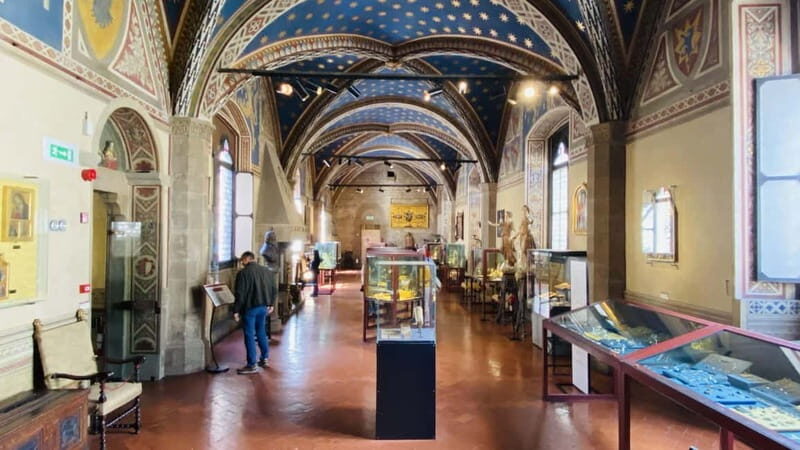
A good museum tour should do two things: get you oriented fast and leave you enough energy to explore on your own after. This tour is designed to do exactly that, with about two hours of guided time described in the experience details.
The best part is that the tour ends back at the meeting point, and the guide’s structure gives you an advantage afterward. You can return to a work you want to study again or spend more time with an artist you ended up loving more than you expected.
You don’t need to be an art expert to enjoy it. If anything, the tour works for “I like the classics but I want help” visitors and for “I’ve been to Florence before” visitors who want new angles—like the reviewer who found new things after two earlier visits.
Practical Details That Affect Your Day
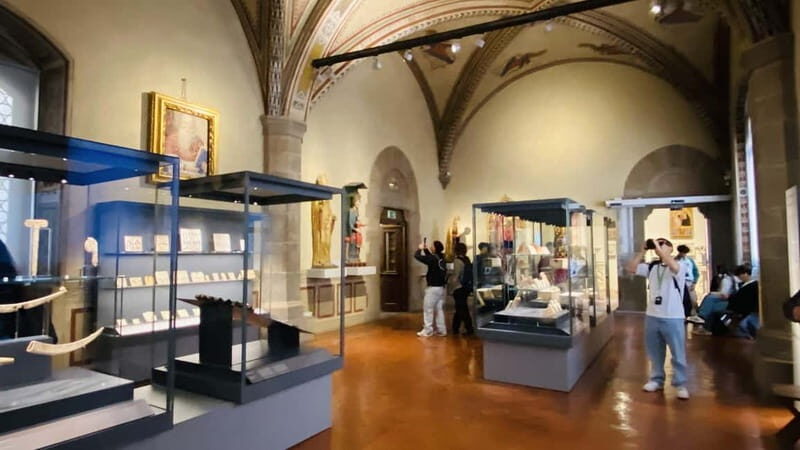
- What to bring: a passport or ID card and comfortable shoes.
- Language: the live guide is available in German, French, Spanish, English, and Italian.
- Meeting point: it can vary by option, but one listed start point is the Statua equestre di Cosimo I de’ Medici near the Bargello area.
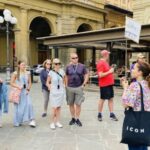
- Group setup: private group is available, and the tour uses a radio system so you don’t have to strain to hear.
- Not allowed: pets and smoking.
Small note that saves time: wear shoes that handle cobblestones and slow turns between rooms. Bargello is not about sprinting between landmarks; it’s about standing still and looking up close.
Who This Tour Is Best For (and Who Might Skip It)
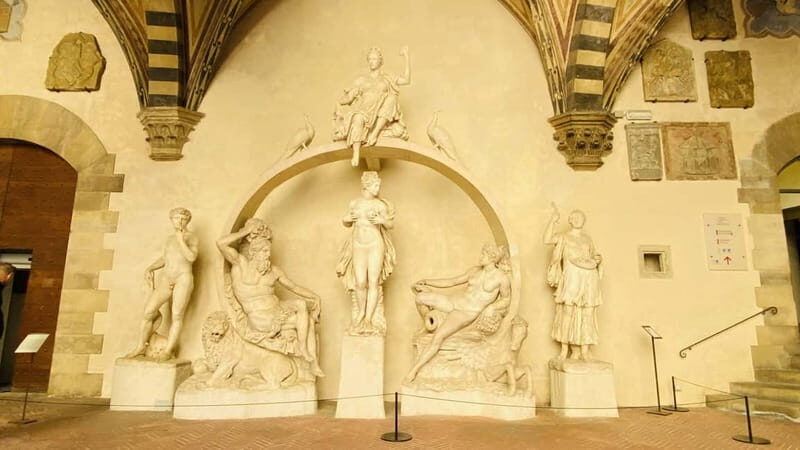
This guided Bargello tour is a great fit if:
- You want reserved entry and a smoother start in a popular Florence museum.
- You care about Michelangelo and Donatello but also want context for how they connect.
- You appreciate when the guide includes the medium and materials—like the Della Robbia glazed terracotta and the precious ivories and bronzes.
You might consider something more self-guided if:
- You prefer to wander with no set route at all.
- You only want one small slice of the museum and don’t need help connecting artists and themes.
Still, even if you’re not chasing every masterpiece, the radio-equipped, structured pacing makes it hard to go wrong.
Should You Book the Bargello Guided Tour With Reserved Entry?
I think this is a solid booking for most first-time Florence museum days. The price of $44.41 feels fair when you factor in the guide, the reserved skip-the-line ticket, and the radio system. More important, you’re not just consuming art—you’re learning how to look at it, including the Bargello’s political past and the way the collection is organized across floors and materials.
If you’re the type who likes to leave museums with at least a few clear stories in your head, book it. It’s the kind of tour that helps you see why Bargello remains a top Florence stop even when other museums steal the spotlight.
FAQ
FAQ
How long is the Florence Bargello guided tour?
The tour duration is listed as 1 hour, and the experience description also says the visit takes about two hours. Check the available starting times for the exact time slot you’ll get.
Is skip-the-line entry included?
Yes. You get entrance tickets with reservation for the Bargello Museum, and skip-the-line access is guaranteed unless there are museum-management delays or strikes.
What’s included in the price?
The price includes an official certified guide, a radio system so you can hear clearly, and the reserved entrance ticket to the Bargello Museum.
Which artworks and artists will I see?
The tour highlights include Donatello’s David and St. George, Michelangelo’s Bacchus and Tondo Pitti, and glazed terracotta by Andrea and Giovanni Della Robbia. The guide also covers works by Bartolomeo Ammannati, Benvenuto Cellini, Giambologna, and others, plus precious ivories and bronzes.
What languages are available for the live guide?
The live guide is offered in German, French, Spanish, English, and Italian.
Where do I meet, and where does the tour end?
The meeting point may vary depending on the option booked, with one listed option near the Statue equestre di Cosimo I de’ Medici. The tour ends back at the meeting point.
Is the tour wheelchair accessible?
Yes. The tour is wheelchair accessible.
What should I bring, and what isn’t allowed?
Bring a passport or ID card and comfortable shoes. Pets are not allowed, and smoking is not allowed.
Can I cancel or pay later?
There is free cancellation up to 24 hours in advance for a full refund. You can also reserve now and pay later.
More Tickets in Florence
More Tours in Florence


More Tour Reviews in Florence
- Tuscany Day Trip from Florence: Siena, San Gimignano, Pisa and Lunch at a Winery
★ 5.0 · 21,634 reviews - The Best tour in Florence: Renaissance & Medici Tales – guided by a STORYTELLER
★ 5.0 · 12,316 reviews