Florence turns extra mysterious at night. This 2-hour guided evening walk strings together big-name landmarks with the myths and stories that explain why people still talk about them. I like that it’s designed for a small group, so you get more back-and-forth than you would on a bigger tour, and the route hits multiple parts of the historic center efficiently.
You’ll move from Piazza di San Lorenzo toward the Baptistery and Duomo area, then keep going past Dante-related stops, Palazzo Vecchio, Piazza della Signoria, the Uffizi Gallery wings, and down to Ponte Vecchio. The focus isn’t just facts on a sign—it’s the kind of legend-building detail that helps Florence feel like a living place, not a checklist. One consideration: the walk includes stairs and some walking time, so comfortable shoes are non-negotiable.
In This Review
- Key Points If You Want the Quick Take
- Florence After Dark: Why This Walk Feels Different
- Starting at Piazza di San Lorenzo: Getting Oriented Fast
- Baptistery and Duomo Legends: The Miracle and the Bull and Baker
- A Dante-Linked Stop: Church of Dante and Beatrice
- Palazzo Vecchio and the Medici Power Scene
- Piazza della Signoria: Open-Air Museum Energy
- Uffizi Gallery Wings and the Arno Walk: Art Meets Street Level
- Ponte Vecchio at Night: Gold Jewelry Shops and Real Atmosphere
- Ending in Front of Palazzo Pitti: Where the Walk Lands
- Guides Make the Difference: Gloria, Erica, and Raffaele
- Price and Value: Is $46.69 Worth It?
- Who This Tour Fits Best (and Who Might Skip It)
- FAQ
- FAQ
- How long is the Hidden Florence guided walking tour?
- What language is the guide?
- Where does the tour start?
- Where does the tour end?
- What’s included in the price?
- Is food or drinks included?
- How much does it cost?
- Is it wheelchair accessible?
- Does it involve stairs?
- What should I bring?
- Should You Book Hidden Florence?
Key Points If You Want the Quick Take
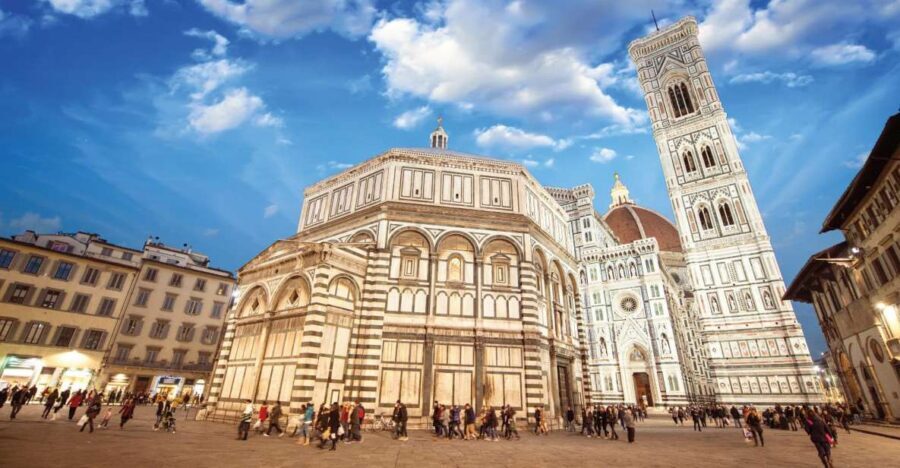
- Legends at the landmarks: you’ll hear stories tied to the Baptistery/Duomo area, Palazzo Vecchio, and Dante-related sites
- Small-group feel: you get individual attention that’s rare on crowded city tours
- A tight 2 hours: enough stops to feel substantial without turning into an all-night marathon
- Evening pacing: a night walk makes the center feel calmer and more cinematic
- Major sights + extras: Palazzo Vecchio, Piazza della Signoria, Ponte Vecchio, plus lesser-highlighted viewpoints and details
Florence After Dark: Why This Walk Feels Different
Florence is popular for a reason, but daytime can feel like a rush of photos and closed-captioned facts. This tour shifts the tone: you’re walking after dark with a guide who connects what you’re seeing to stories people still repeat. It’s a different way to learn the city—less like studying, more like listening to someone explain why Florence is so slippery with meaning.
I especially like that the evening format keeps you moving through several core areas without making you feel trapped in one neighborhood. You get to see a lot of the “greatest hits,” then the guide adds the layer that makes the hits more personal: the weird, specific legends that help the buildings feel like they have a pulse.
You’re also getting something practical out of it. When you’re new to Florence, the hardest part is orientation. This route gives you a clear spine through the historic center, so you’ll understand where you are when you return on your own.
You can also read our reviews of more walking tours in Florence

Starting at Piazza di San Lorenzo: Getting Oriented Fast
The tour begins at Piazza di San Lorenzo 13R. That matters because it places you near the center of Florence’s old-life neighborhoods, where you can actually connect later stops to a real sense of place. You’re not starting on the edge, and you’re not starting miles away from the sights you came for.
Piazza di San Lorenzo is a good “launch pad” because it helps you anchor the walking route. From there, your guide sets the rhythm—short explanations, then a move to the next visual cue. The best part of this start is how it helps you read Florence like a map, not a brochure.
Come prepared to walk. This isn’t a sit-and-stare kind of outing, and the tour involves walking and climbing stairs. If you’ve got blisters waiting to happen, treat your feet early.
Baptistery and Duomo Legends: The Miracle and the Bull and Baker
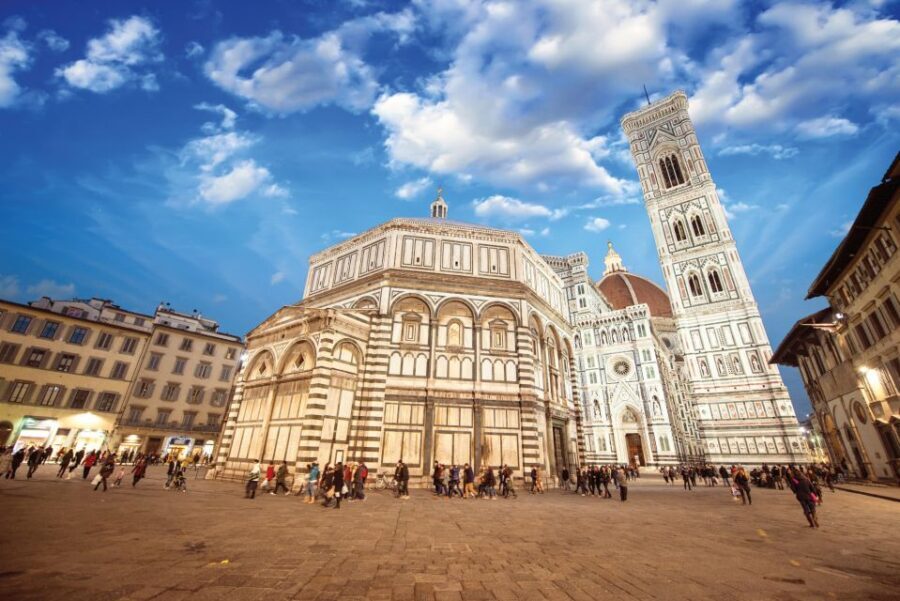
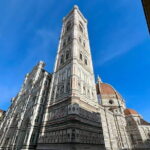
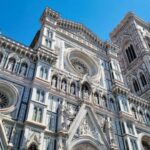
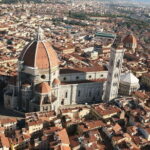
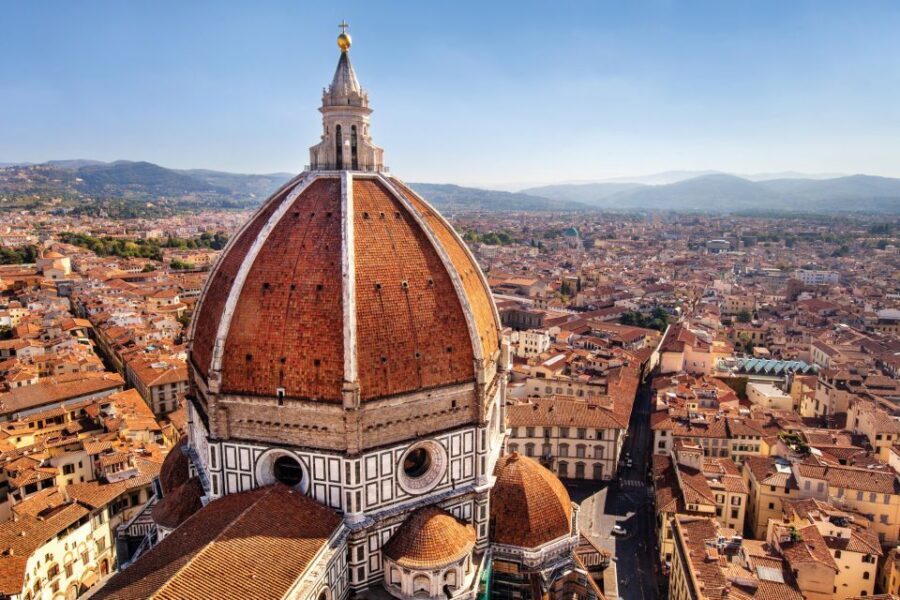
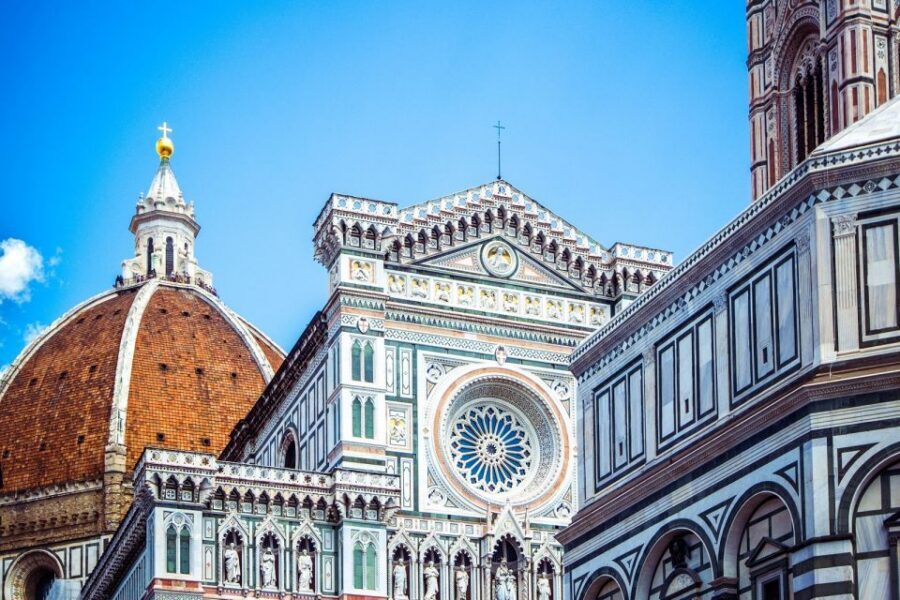
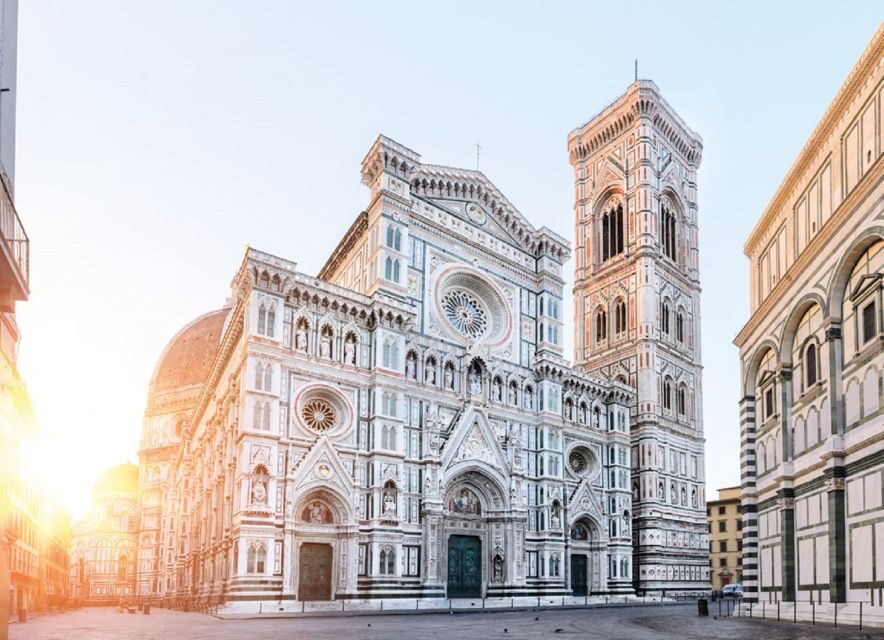
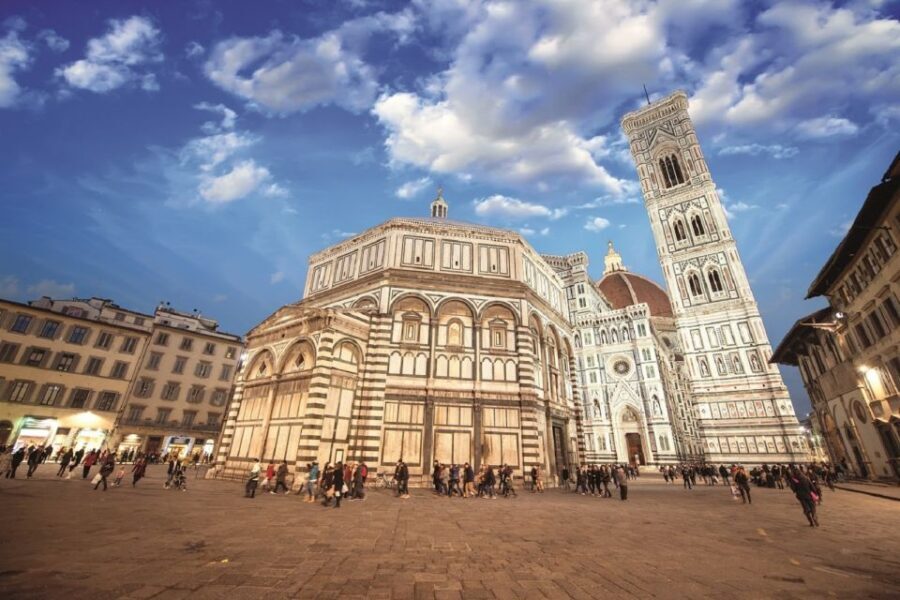
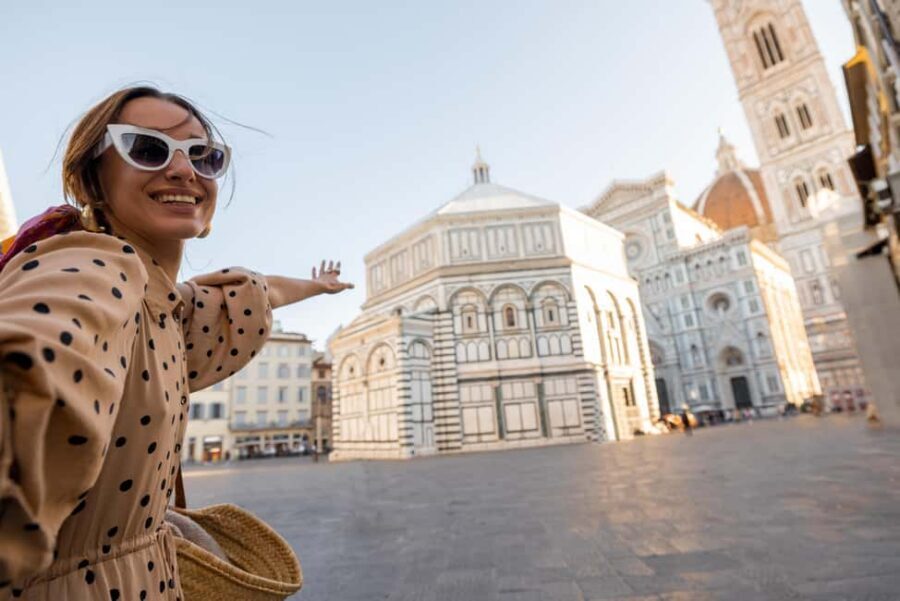
One of the most interesting segments comes as you reach the Baptistery and the Duomo/cathedral area. Instead of treating these as just impressive stone, the guide ties them to local legend—specifically the Miracle of the Flowering Tree and the story of the Bull and the Baker.
Why do I think those stories are worth hearing? Because they give the artwork and architecture a human reason for existing. You’re standing near sites people associate with meaning beyond aesthetics, and the guide helps connect the mythic themes to what you see around you. Even if you’re not a hardcore Renaissance scholar, it makes the buildings feel less untouchable.
This part is also where you’ll notice how the tour balances famous sites with explanation you might not find quickly on your own. The guide’s job here is to help you look past the obvious.
Practical note: this area can involve steps and uneven walking. If you’re prone to rushing when you’re tired, pace yourself—your guide’s stories work best when you’re not sprinting between stops.
A Dante-Linked Stop: Church of Dante and Beatrice
Next you’ll get a stop near Dante’s home, where the guide shares the story of the Church of Dante and Beatrice. This is a nice pivot from grand civic and religious power into literature and personal tragedy—Florence has both, and the tour reflects that.
I like this moment because it adds emotional context to the city. When you hear these connections while standing near the relevant area, Florence starts to feel like a character in the same narrative as the people who lived there.
It’s also a smart way to keep your attention up. If the first stretch feels like “big monuments,” this stop brings you a quieter, more story-driven angle.
Palazzo Vecchio and the Medici Power Scene
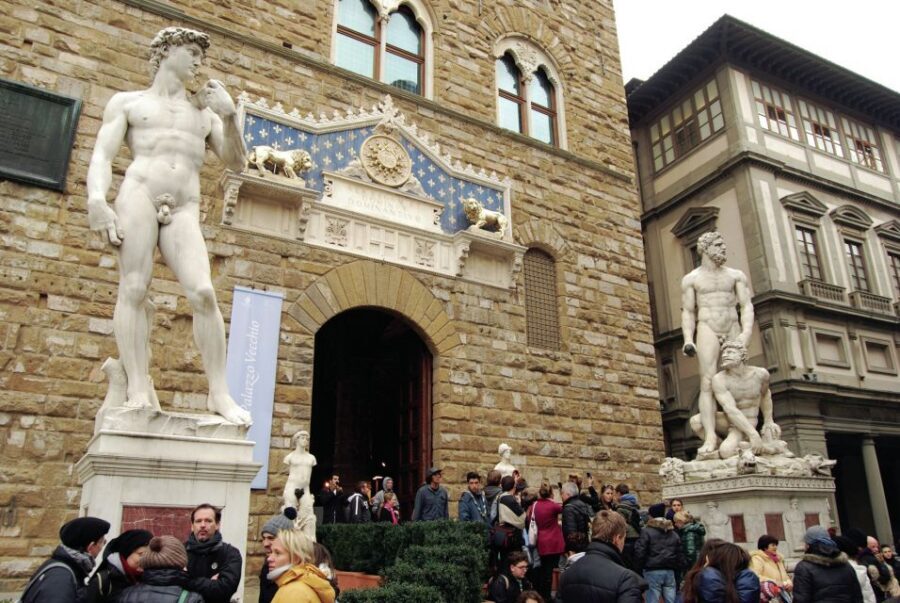
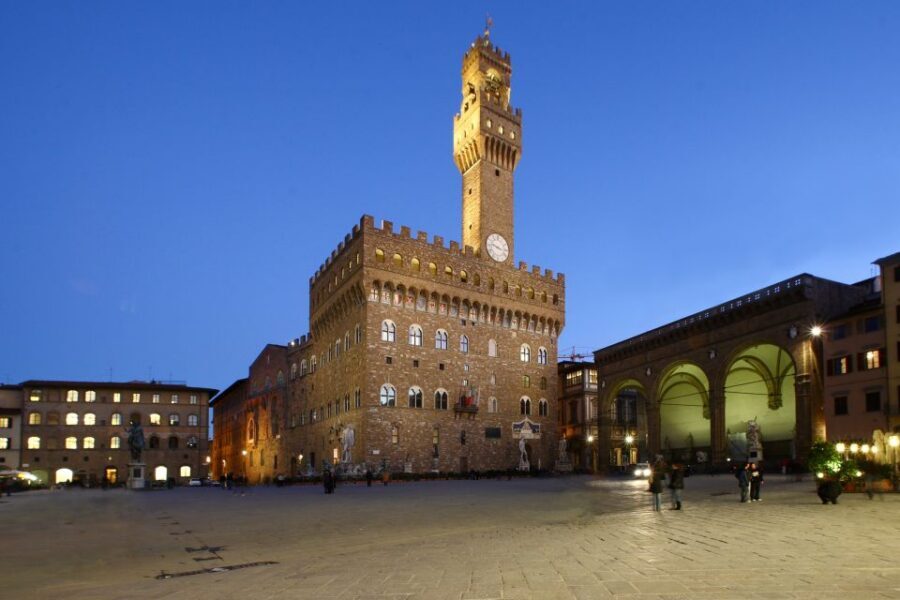
Then the route heads to Palazzo Vecchio, the location tied to guilds and the Medici political court. Here, the guide’s focus is on how power and everyday work met under one roof. If you’ve ever wondered why Florentines were so intensely organized—this is the answer, at least in part.
This stop is valuable because it changes how you interpret what you’re looking at. Palazzo Vecchio isn’t just a pretty palace; it’s a physical reminder that Florence ran on influence, negotiation, and collective interests through guilds.
You may also pick up subtle cues for what to notice if you return later on your own. Even without going inside on this walk, the exterior setting and the guide’s framing help you understand what kinds of events belonged there.
You can also read our reviews of more guided tours in Florence


Piazza della Signoria: Open-Air Museum Energy
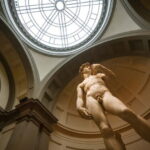
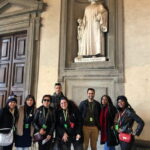
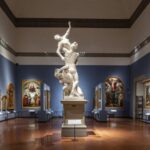
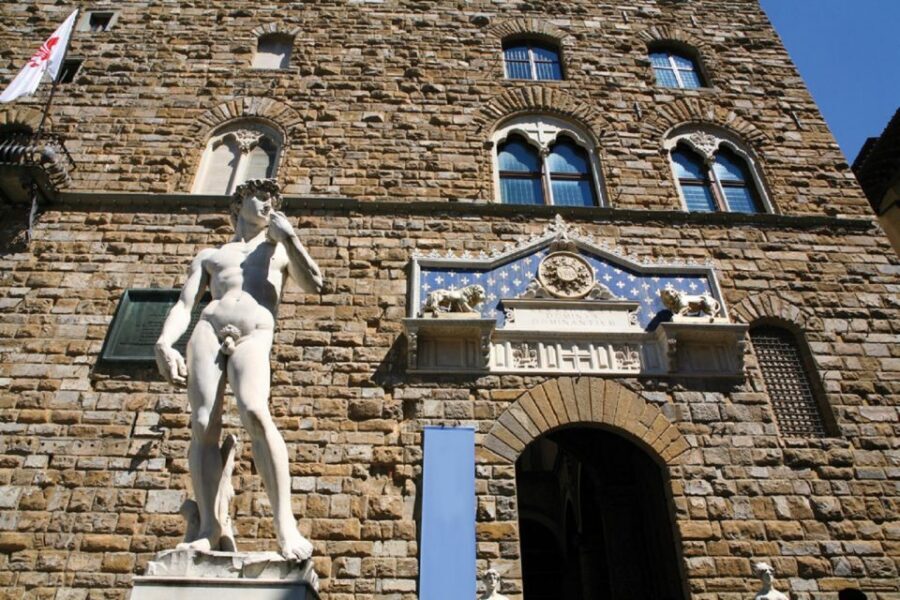
After Palazzo Vecchio, you reach Piazza della Signoria, an outdoor museum-like space with many statues. One of the most memorable details you’ll hear is about a copy of Michelangelo’s David and other notable works, including something often missed: Michelangelo’s Profile, carved by Michelangelo.
This is a strong point in the tour because you’re not only seeing statues—you’re learning how to read them. The guide’s storytelling nudges you to look at sculpture as symbolism, not just decoration.
Another reason this stop works: it’s visually dense, but the guide gives it structure. Instead of you wandering and trying to decide what matters, you follow the narrative and end up noticing more than you planned.
If you’re sensitive to crowds, an evening time slot can feel easier than midday. Still, Piazza della Signoria can pack in people, so keep an eye on your footing and your personal space.
Uffizi Gallery Wings and the Arno Walk: Art Meets Street Level
From Piazza della Signoria, the tour continues through the wings of the Uffizi Gallery. You’re not doing a full museum visit here, but walking near the Uffizi complex gives you that “this is part of the art system” feeling—Florence’s cultural identity shows up in the streets as well as inside formal galleries.
Then you follow the Arno River toward Ponte Vecchio, one of Florence’s signature crossings. I like this stretch because it breaks up the monument-heavy parts. You get movement, changing views, and a calmer rhythm that keeps the tour from feeling like one long stop after another.
This segment is also practical for your own exploring. Once you know the river route and how Ponte Vecchio fits into the bigger map, you’ll be able to plan your evenings with less guesswork.
Ponte Vecchio at Night: Gold Jewelry Shops and Real Atmosphere
At Ponte Vecchio, the guide points out why it’s famous—its gold jewelry shops and the iconic presence it has in Florence’s image. The best part about seeing it during a guided evening walk is that the mood changes what you notice.
You’re likely to see people lingering, taking photos, and moving slowly, which helps you absorb the vibe without feeling rushed by the crowd. Even if you’re not shopping, the bridge’s role in Florence’s story is obvious once you’re standing there with context.
This is also a good time to look around yourself. The guide’s legends and explanations give you something to focus on, but you can still enjoy the built environment from street level.
Just remember: this is still a bridge. Expect some pedestrian congestion at peak times and wear shoes with grip.
Ending in Front of Palazzo Pitti: Where the Walk Lands
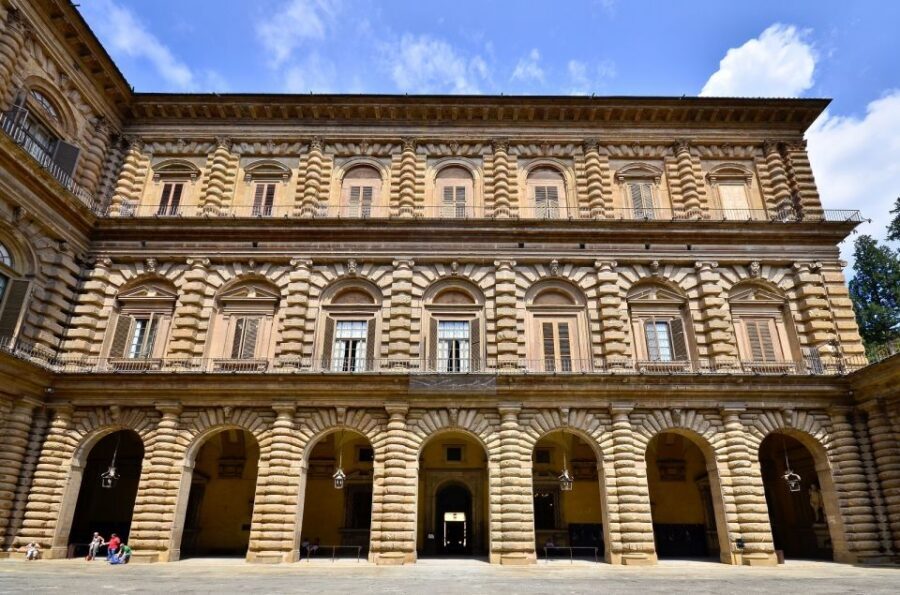
The tour ends back near where it began, at the meeting point. But the final landmark moment is in front of Palazzo Pitti, which is a strong closing image. Palazzo Pitti adds scale and authority to the ending, helping you finish with a sense of “Florence is bigger than the center.”
Why that ending works: you walk away with a clearer mental picture of where the city stretches. Even if you don’t go inside, you leave with a sense of direction for where to head next.
It’s also a nice psychological reset. You’ve done a condensed evening circuit, and the final view helps you feel like you completed something—without having to pay for a museum ticket to feel the payoff.
Guides Make the Difference: Gloria, Erica, and Raffaele
A big reason this tour scores high is the guide quality. You’ll hear names like Gloria and Erica in the feedback, and the common theme is clear: guides who explain with confidence and help you get oriented fast.
Gloria is praised for being well informed and helpful. That kind of guide presence matters because it keeps the myths from sounding random. You get the sense that the stories connect to the places, not just to the guide’s memory.
Erica gets extra credit for practical kindness—she’s described as taking time with guests, helping with photos, and adjusting when conditions shift (including when it was raining a little). That matters because in a walking tour, comfort and pacing are part of the experience.
And when things don’t start perfectly on time, Raffaele shows up as a solid backup guide. The feedback notes he was great at explaining different areas. That’s reassuring if you’re the kind of traveler who hates feeling stranded when you arrive.
Price and Value: Is $46.69 Worth It?
At $46.69 per person for a 2-hour English-language guided walk, the price lands in the mid-range for Florence city experiences. The value comes from the mix: you’re getting multiple major sights plus story-led context, delivered in a small group format that supports interaction.
You’re not paying for museum entry or food here. The tour does include the guided component, and it’s structured so you can walk away understanding what you saw—especially the mythic details like the Miracle of the Flowering Tree and stories tied to Dante and Florence’s political history.
If your goal is simply to check off landmarks, you might do fine on your own. But if you want Florence to make sense—why people built what they built, and why legends cling to certain spots—this price can feel fair.
Where it becomes less worth it is if you don’t enjoy guided storytelling or you’re only interested in a single monument. This walk works best when you’re open to hearing how the pieces fit together.
Who This Tour Fits Best (and Who Might Skip It)
This tour suits you if:
- You love Florence but you don’t want to spend your first night figuring out where everything is
- You enjoy legends, myths, and the human side of history
- You want a small-group experience with an English guide and the ability to ask questions
It might not fit you as well if:
- You want a museum visit with timed entry and long indoor time
- You need full wheelchair accessibility (it’s not suitable for wheelchair users)
- You’re dealing with foot issues and can’t handle walking and stairs
If you’re traveling with a parent or someone who appreciates clear pacing, the guide attention described by guests can be a plus. Just still plan for the physical demands of an evening walk.
FAQ
FAQ
How long is the Hidden Florence guided walking tour?
The tour lasts 2 hours.
What language is the guide?
The tour is led by a live English guide.
Where does the tour start?
It starts at Piazza di San Lorenzo, 13R, 50123 Firenze FI, Italy.
Where does the tour end?
The activity ends back at the meeting point.
What’s included in the price?
You get a guided tour of Florence with a monolingual guide.
Is food or drinks included?
No, food and drinks are not included.
How much does it cost?
The price is listed as $46.69 per person.
Is it wheelchair accessible?
No, it’s not suitable for wheelchair users.
Does it involve stairs?
Yes, the tour involves walking and climbing stairs.
What should I bring?
Wear comfortable shoes.
Should You Book Hidden Florence?
Book it if you want an efficient first pass through Florence that’s more than photos. This walk gives you major stops—Baptistery/Duomo area, Palazzo Vecchio, Piazza della Signoria, Ponte Vecchio—then adds the legend layer that makes Florence stick in your memory.
Skip it if you’re avoiding stairs, or if you want a long indoor museum experience instead of a walking, story-driven circuit. But for most people planning an evening in Florence, this is a smart, good-value way to understand the city while the streets feel calmer and the myths feel more believable.

More Walking Tours in Florence

More Tours in Florence


More Tour Reviews in Florence
- Tuscany Day Trip from Florence: Siena, San Gimignano, Pisa and Lunch at a Winery
★ 5.0 · 21,634 reviews - The Best tour in Florence: Renaissance & Medici Tales – guided by a STORYTELLER
★ 5.0 · 12,316 reviews