REVIEW · FLORENCE
Florence: Guided Flavors of Tuscany Tour
Book on GetYourGuide →Operated by Walking Palates · Bookable on GetYourGuide
Florence really does taste different when you walk. This guided food and wine tour takes you through Sant’Ambrogio, a central but calmer neighborhood, with a progressive meal across five stops. You’ll keep moving on foot, sampling Tuscan staples and wines as the stories behind the food get tied into the neighborhood itself.
What I like most is the way it’s built around an expert Food Ambassador who knows how to connect flavors to place. In one recent run, the guide Irène was described as passionate and full of stories, which turns the meal into something you can actually remember.
One thing to consider: it runs rain or shine, and it’s a true walking tour, so comfortable shoes matter more than you might expect for a 3-hour loop.
In This Review
- Key Things I’d Prioritize on This Florence Food Tour
- Sant’Ambrogio: the Florence neighborhood this tour feels
- What you pay for: $116 that includes wine and multiple venues
- Your progressive meal: five stops that build to gelato
- Stop 1: Toast with Tuscan wine and crostini
- Stop 2: A local bakery with Tuscan bread tastings
- Stops 3 and 4: Two family-run restaurants for main courses
- Final stop: Gelato at the oldest gelateria in town
- Morning version note: a local market may be included
- Wine, bread, pasta: what you’ll actually learn by tasting
- What to look for at each type of stop (and how to enjoy it)
- Pace, meeting, and practical stuff that keeps the tour fun
- Who should book this Tuscany flavors tour?
- Should you book the Guided Flavors of Tuscany Tour?
- FAQ
- How long is the Florence Guided Flavors of Tuscany Tour?
- Where do I meet the guide?
- What’s included in the price?
- Is the tour vegetarian friendly?
- Will the tour run in bad weather?
- What languages is the tour offered in?
Key Things I’d Prioritize on This Florence Food Tour
- Sant’Ambrogio, local-first: central Florence, without the same level of tourist crowding.
- Five-stop progressive meal: tastings are staged so you build toward the bigger dishes.
- Three glasses of Tuscan wine: not just a sip, but part of the pacing.
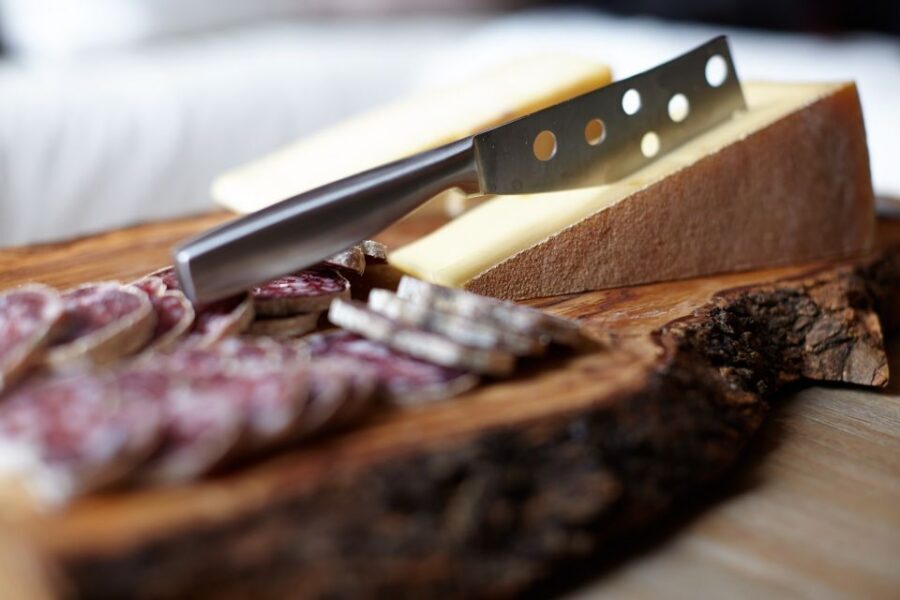
- Real Tuscan food basics: crostini, schiacciata, cecina, pasta, and gelato.
- Family-run restaurant energy: two main courses at cozy, local spots.
- Easy customization if planned: vegetarian and non-alcoholic options can be provided if you request ahead.
Sant’Ambrogio: the Florence neighborhood this tour feels
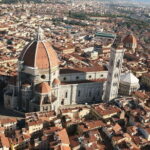
Sant’Ambrogio is one of those Florence areas that makes you breathe easier. It’s very central, but it doesn’t feel like the nonstop tourist flow you can get in other parts of the city. That matters because food tastes better when you’re not constantly fighting crowds, waiting for space, or trying to read a menu while standing shoulder-to-shoulder.
On this tour, you’ll move through streets where you’ll meet mostly locals. The payoff is subtle but real: you get to see the everyday side of Florence while you’re focused on eating. Instead of treating the city like a museum, the neighborhood becomes your “table,” and each stop feels like it belongs to the block you’re standing on.
I also like that Sant’Ambrogio gives you variety without chaos. The tour is still organized—professional guide, set tastings, timed walk—but the streets feel human and lived-in. That balance is hard to fake, and it’s exactly why a guided approach helps.
You can also read our reviews of more guided tours in Florence
What you pay for: $116 that includes wine and multiple venues
At $116 per person for a 3-hour walking tour, you’re paying for more than a few bites. You’re getting a professional local guide, tastings across five to six unique venues, and three glasses of wine included. When you break it down that way, the price starts to look like “you’re buying structure,” not just food.
Here’s the practical value: you don’t need to know where to go or how to order. The tour handles the sequence—first the toast and crostini, then bread tastings, then two main courses, and finally gelato. You get to sample a spread of Tuscan flavors you’d struggle to assemble on your own in the same short window.
Also, the guide role matters more than people think. A Food Ambassador can explain what you’re eating in plain language, like how Tuscan breads differ or what makes a wine pair feel right. That turns the tastings into learning you can carry with you next time you’re ordering in Italy.
If you’re comparing costs, think about what a comparable guided tasting day would be elsewhere in Europe: you’d usually pay for the guide plus multiple paid tastings, and wine often costs extra. Here, the inclusion list is the point, and it’s part of why the tour feels like good value for a focused 3-hour hit.
Your progressive meal: five stops that build to gelato
This tour is designed as a progressive meal, meaning the tastings step up over time instead of dropping everything at once. You’ll start with a classic Tuscan-style welcome, then work your way into bread and fuller dishes, and end with gelato. It’s a smart flow for a walking morning or afternoon because it matches your appetite arc.
Stop 1: Toast with Tuscan wine and crostini
You begin with a guided introduction and a toast—Tuscan wine plus crostini. Crostini here is essentially a bruschetta-style snack, using local ingredients, served as an opening “this is how Tuscan flavor starts” moment. I like the setup because it gives you a taste of the region’s rhythm right away: good bread, simple ingredients, and wine that isn’t just for show.
Stop 2: A local bakery with Tuscan bread tastings
Next, you’ll visit a local bakery and taste Tuscan bread, including schiacciata and cecina. This is a great move because it’s hands-on Tuscan comfort food, and you learn more from tasting than from reading descriptions. If you’re the type who tends to skip bread when menus look “fancier,” this stop usually wins people over fast.
One practical note: you’re still walking between venues, so this is the kind of food stop that keeps you energized without feeling heavy yet.
- The Best tour in Florence: Renaissance & Medici Tales – guided by a STORYTELLER
★ 5.0 · 12,316 reviews

Stops 3 and 4: Two family-run restaurants for main courses
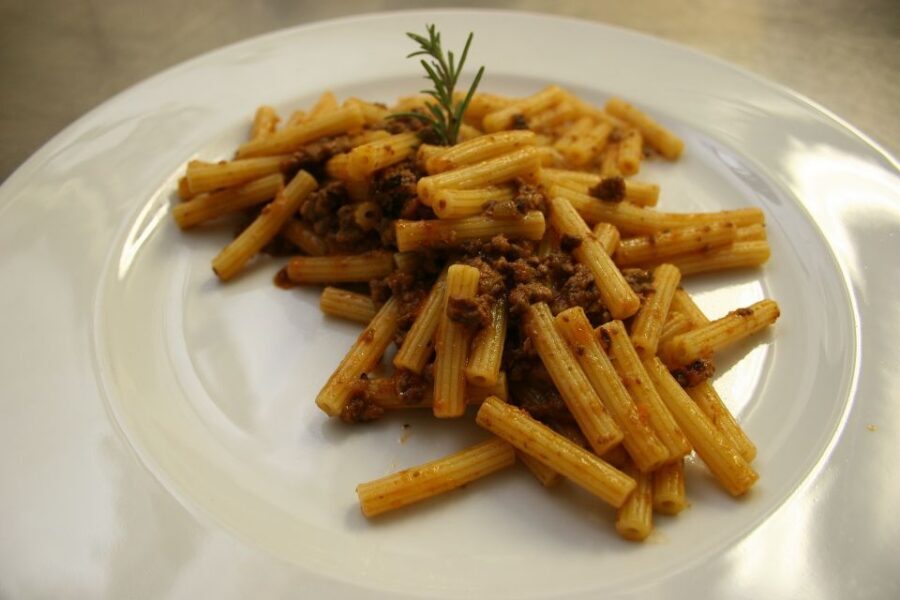
Then the tour hits the main-meal zone: you’ll taste two main courses (including a pasta dish) at two cozy, family-run restaurants run by Florentine families. These stops are where the tour becomes more than “snacking.” You get proper dishes and more of that restaurant warmth that’s hard to find if you’re trying to plan everything yourself.
Why this matters: a guided food experience works best when it includes at least one or two places you’d never reliably choose on your own. The family-run setup makes it feel local and lived-in, not staged for tourists.
Potential drawback to keep in mind: because the tour includes tastings and meals across multiple locations, you’ll want to avoid showing up overly full. You don’t want to start with a big breakfast or late lunch unless you’re planning to scale back your intake.
Final stop: Gelato at the oldest gelateria in town
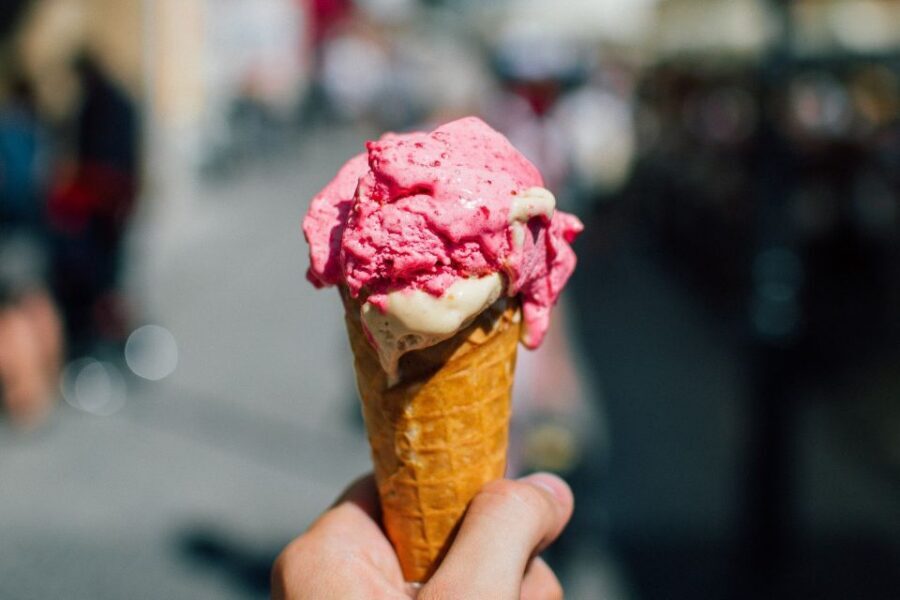
You’ll finish with gelato at the oldest gelateria in Florence. It’s the perfect landing because gelato is easy to share and simple to enjoy after wine and multiple savory bites. If you’re thinking about the tour’s value, this ending is more than dessert—it’s part of the full Tuscan flavor arc, ending sweet after the salty, bread-forward journey.
Morning version note: a local market may be included
If you book the morning version, the tour may include a visit to the local market. Even if you’re not a “market person,” it’s often useful because it helps you connect where ingredients come from before you start tasting them. If you care about markets, pick the morning slot.
Wine, bread, pasta: what you’ll actually learn by tasting
This tour has a clear theme: Tuscan food traditions, explained through tasting. You’re not just eating randomly—you’re hitting a series of foods that represent how Tuscan cooking tends to work: bread, simple preparations, and ingredients that can hold their own.
The wine component helps, too. Three glasses of wine included means you can taste the differences the guide wants you to notice without feeling like you have to buy extra drinks later. Crostini at the start also sets expectations: you learn how wine fits into the snack-to-meal rhythm of an actual day out.
On the food side, the bread tasting is a big deal. Schiacciata and cecina aren’t just “Italian bread names.” They’re different textures and flavors, and the tour gives you a chance to notice the differences in a way that sticks. Then the pasta dish at the restaurant stops becomes your “okay, now I get it” moment—how the earlier flavors connect to fuller Tuscan comfort.
One more helpful point: the guide’s explanations are part of why people rate this tour highly. A Food Ambassador isn’t only there to point places out—they’re there to translate what you’re tasting into something understandable and repeatable when you’re choosing food later.
What to look for at each type of stop (and how to enjoy it)
You’ll hit different kinds of venues, and each one calls for a slightly different mindset.
Bakery tastings work best when you slow down enough to notice texture and taste. If you rush, you’ll miss the subtle differences between breads. You don’t need to do anything fancy—just take a breath, taste, and then listen when the guide explains what makes each item Tuscan.
Restaurant main courses are where you should be ready for a more substantial portion. Since the tour covers multiple tastings, you’ll enjoy these more if you don’t overeat before the tour starts. If you have preferences—like avoiding certain ingredients—this is where it’s worth flagging them in advance so alternatives can be arranged when possible.
Gelato at the end is an easy win. If you’re a chocolate person, great. If you prefer fruit or lighter flavors, also great. The tour doesn’t force you into one style; it gives you the ending ritual so you leave with a clear memory of the experience.
Also, the pacing helps. Because it’s structured around five to six venues, you’re not left wandering the neighborhood trying to figure out what’s good. You’ll still get the pleasure of exploring, but you’re guided through the tasting plan.
Pace, meeting, and practical stuff that keeps the tour fun
This is a 3-hour walking tour in Florence. That duration is short enough to fit into a travel day, but long enough to feel like you truly experienced something rather than just grabbing quick bites.
You meet your guide by recognizing the Walking Palates sign. That’s helpful because Florence streets can be confusing at first glance, and you don’t want to lose time at the start.
Bring comfortable shoes. The tour is rain or shine, so plan for wet pavement if the weather turns. Wheelchair accessibility is listed, which is good to know if you need an accessible route, but you’ll still want to be comfortable walking for the duration.
If you want vegetarian or non-alcoholic options, plan ahead. Alternatives can be provided, but you need to specify at booking so the tour can prepare the right substitutions.
Languages are English and Italian, and the guide being bilingual helps if you want a deeper explanation in either language.
Who should book this Tuscany flavors tour?
This tour is a strong fit if you want a guided food experience without the stress of planning. It’s especially good for you if:
- You like walking Florence, but you don’t want to guess your way through food stops.
- You want a mix of tastes: crostini and wine, Tuscan breads, main dishes, and gelato.
- You’d rather spend time eating and learning than trying to research menus in advance.
- You want the Sant’Ambrogio neighborhood feel—central, but more local.
It’s also ideal if you’re traveling with food-curious energy and you want your day to feel cohesive. A guided progressive meal gives you momentum. You don’t end up with that awkward situation where you’ve tasted one thing and then can’t find the next best bite.
If you’re picky in a narrow, high-stakes way, communicate it early so the guide can prepare alternatives. The tour does say vegetarian and non-alcoholic alternatives are possible, but it depends on you requesting it ahead of time.
Should you book the Guided Flavors of Tuscany Tour?
I think this is a solid choice if you want a concentrated Florence food-and-wine experience in a local-feeling neighborhood. The value is strongest for people who want multiple tastings and wine included, guided by someone who can explain what you’re eating. The progressive structure matters, and the Sant’Ambrogio setting adds a real sense of place instead of feeling like a highlight-chasing checklist.
That said, only book if you’re comfortable with a walking tour. It’s not a sit-down event, and the rain-or-shine format means you should dress like the weather can surprise you. If that’s fine, you’ll likely love how the tour strings together Tuscan flavors in a way that feels natural—and not like you’re rushing from restaurant to restaurant.
If you can, check the morning option if you want the possible market visit. It’s one more layer of context before the eating starts.
FAQ
How long is the Florence Guided Flavors of Tuscany Tour?
It lasts 3 hours.
Where do I meet the guide?
You’ll recognize the guide by the Walking Palates sign.
What’s included in the price?
The tour includes three glasses of wine, food tastings in five to six unique venues, and a professional local guide.
Is the tour vegetarian friendly?
Vegetarian alternatives can be provided if you specify it at time of booking.
Will the tour run in bad weather?
Yes, it takes place rain or shine.
What languages is the tour offered in?
The live tour guide speaks English and Italian.
More Guided Tours in Florence

More Tours in Florence

More Tour Reviews in Florence
- Tuscany Day Trip from Florence: Siena, San Gimignano, Pisa and Lunch at a Winery
★ 5.0 · 21,634 reviews - The Best tour in Florence: Renaissance & Medici Tales – guided by a STORYTELLER
★ 5.0 · 12,316 reviews