REVIEW · FLORENCE
Florence: Occult & Esotericism Walking Tour For The Curious
Book on GetYourGuide →Operated by Florence Tours by Made of Tuscany · Bookable on GetYourGuide
Florence has a darker script than you expect. This walking tour mixes church facades, street-level symbols, and big Florentine tragedies—so you walk away looking at stonework like it has a second meaning. I especially love how the guide connects symbols to real places like Santa Croce and Santa Maria Novella, and how you end in the Museum of Masonic Symbols with tangible ritual imagery. One possible drawback: if you’re hoping for lots of slow, up-close deciphering of tiny codes on every facade, 3 hours can feel a bit tight.
You start in Piazza San Marco near the Monument to General Manfredo Fanti, then keep moving through key neighborhoods and viewpoints like Piazza della Signoria and Ponte Vecchio. The tour is built for a private group, runs rain or shine, and your guide speaks English, Italian, French, or Spanish—so the mood stays consistent even when the sky misbehaves. If you like Florence as a place where art, belief, and fear all rubbed shoulders, this is a fun match; if you want only mainstream masterpieces, you’ll want a different day.
Key points I’d circle before you book
- Symbol spotting on real facades instead of generic spooky talk
- Girolamo Savonarola and the drama around Piazza della Signoria
- Arsenic poisoning stories tied to Pico della Mirandola and Agnolo Poliziano
- A strong museum payoff with the Museum of Masonic Symbols and its objects
- Private-group pace for questions about magic, alchemy, and meaning
In This Review
- The Point of This Tour: Florence as a Symbol-Spotting Puzzle
- Where You Meet and How the 3 Hours Feel on Foot
- Piazza San Marco to Florence’s Religious Front Pages
- Duomo Complex Stop: Baptistery Palindrome and City-Scale Mystery
- Santa Maria and Piazza della Santissima Annunziata: Stories You Can Look For
- Piazza della Signoria: Savonarola’s Execution and the Power of Public Space
- Ponte Vecchio and Oltrarno: Moving Through the City’s Different Moods
- The Dark Academia Portion: Pico, Poliziano, and Neoplatonic Florence
- Templars, Cathars, Masons, and Secret Lodges: Why the Museum Finish Matters
- The Real Value: A Guide Who Makes You Look Differently
- Who This Tour Fits Best (and Who Might Prefer Something Else)
- Should You Book This Florence Occult and Esotericism Tour?
The Point of This Tour: Florence as a Symbol-Spotting Puzzle
This experience is not about ghosts and Halloween theatrics. It is about meaning: how people in Florence read the world through signs, beliefs, and coded language—then how later stories doubled down on the mystery.
Your guide steers the conversation toward esotericism and the dark edges of Florentine life, but you stay grounded in landmarks you can actually see. That mix is what makes it satisfying: you’re not just hearing claims, you’re also watching for the visual cues on church stones and along the route.
You’ll also get a practical advantage: after this tour, Florence’s details stop being background. The whole city becomes a scavenger hunt where symbols, Latin text, and odd traditions are the clues.
Where You Meet and How the 3 Hours Feel on Foot
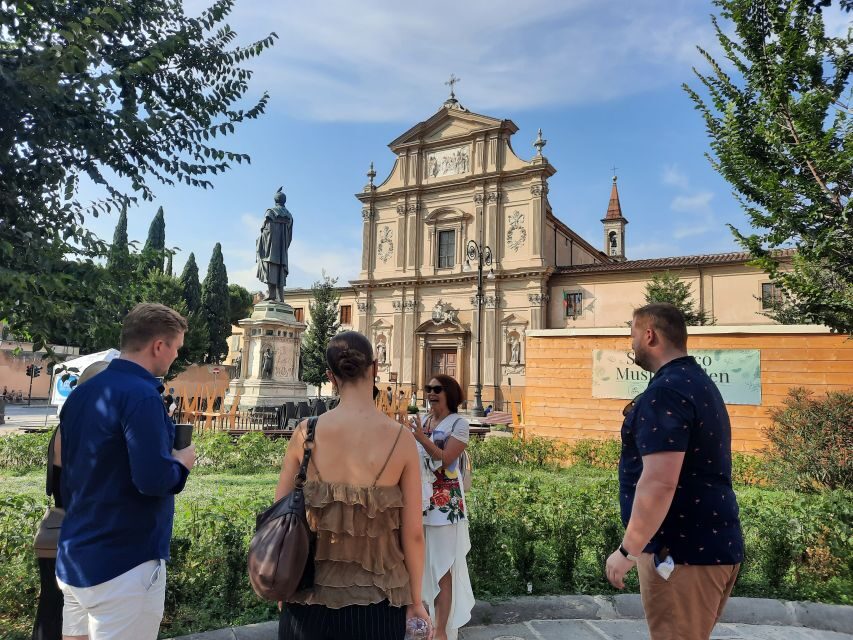
You meet at the Monument to General Manfredo Fanti in the middle of San Marco Square. Then you head out and keep a steady walking rhythm through several classic zones of Florence.
The route also stays realistic for a 3-hour window. You’ll cover enough stops to get a story arc, but not so many that you’re sprinting between points. Your comfort matters here—bring comfortable shoes and expect walking on uneven streets.
Because it’s rain or shine, plan clothing that handles sudden weather. Florence weather can change fast, and this tour doesn’t pause just because a cloud wants attention.
You can also read our reviews of more walking tours in Florence
Piazza San Marco to Florence’s Religious Front Pages
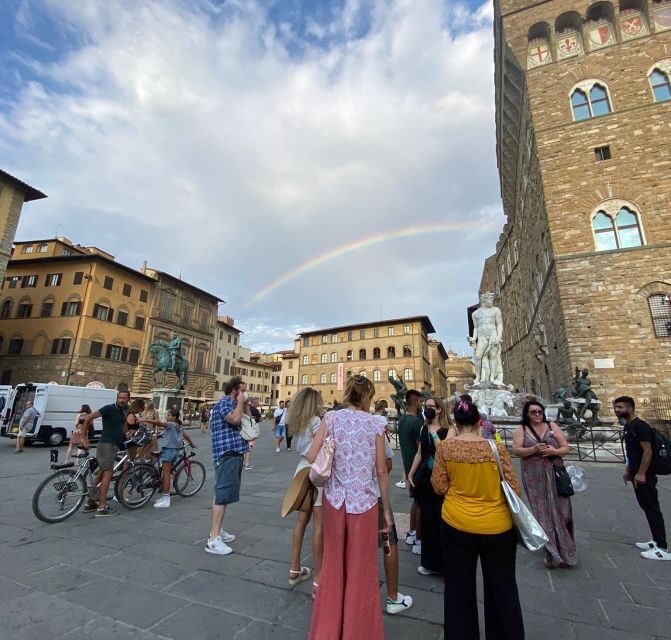
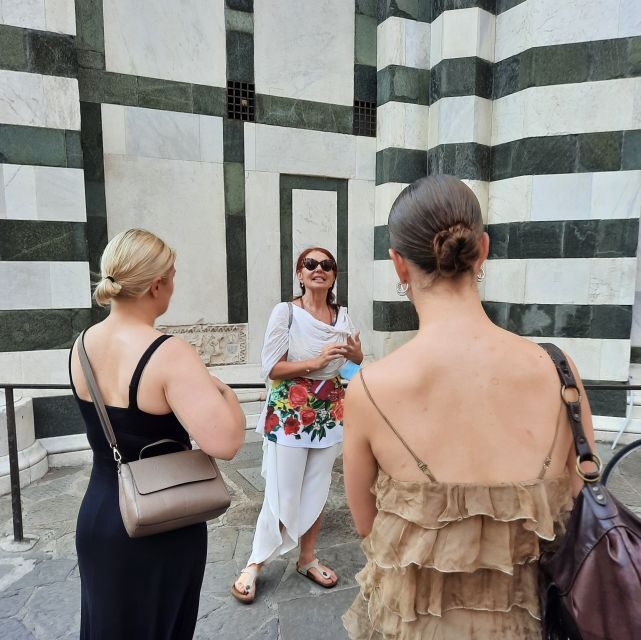
The tour starts with a short stop in Piazza San Marco, which helps you get oriented before the symbolic reading begins. From there, the emphasis shifts toward religious sites and public squares, where stone carvings and architectural choices often carry extra layers.
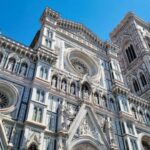
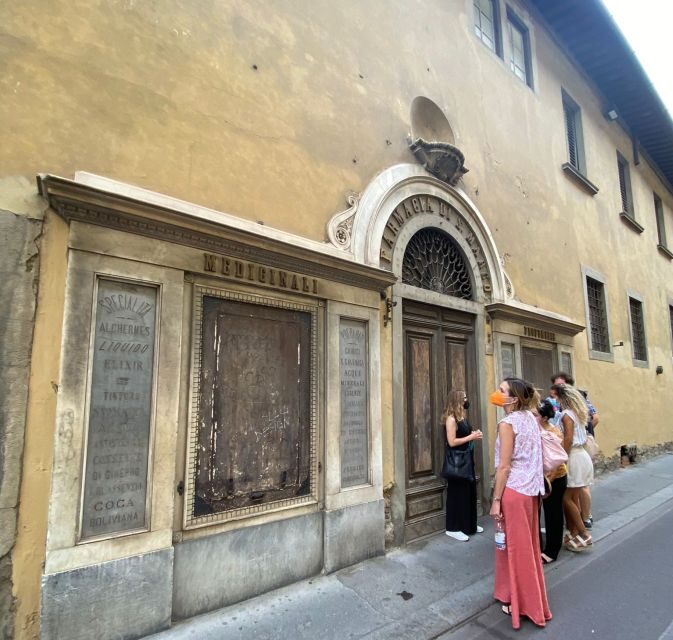
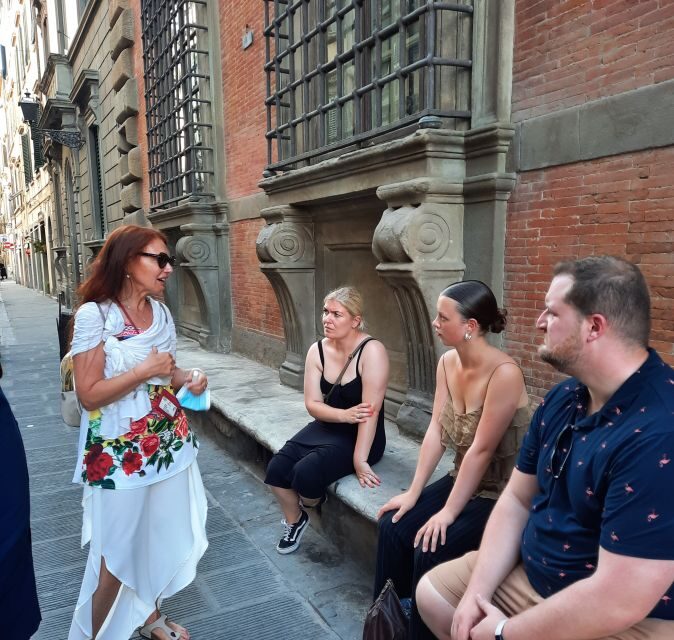
One of the strongest things about this kind of walking tour is how it reframes famous spaces. Santa Croce and Santa Maria Novella aren’t just beautiful facades here—they’re treated like documents. Your guide points out signs that blend science-minded thinking with esoteric symbolism, so you see familiar buildings through a different lens.
Even if you usually skip facade details, this tour pushes you to slow down for the small stuff. You’ll have a guide telling you what to notice, which is the difference between sightseeing and actually learning how to read a place.
Duomo Complex Stop: Baptistery Palindrome and City-Scale Mystery
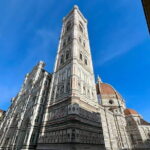
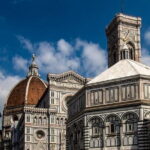
In the Florence Duomo complex area, you focus on elements that make Florence feel like it has secrets hidden in plain sight. One highlight is the Florence Baptistery and a Latin palindrome engraved there that remains a mystery in the tour’s telling.
That matters because the tour isn’t chasing one theme. It moves from symbol spotting to language oddities, from religious art to ideas about hidden messages. So when you hear the story behind the palindrome, it feels less random and more like part of a broader pattern of coded meaning.
If you love textual clues and architectural puzzles, this is a great moment. If you only care about big-view Florence, you might need to remind yourself to look down at the details for this stop to land.
Santa Maria and Piazza della Santissima Annunziata: Stories You Can Look For
Next you shift toward Piazza della Santissima Annunziata, where the tour includes a quirky tradition: trying to count the bees on a statue of Ferdinand I.
This is one of those stops where the tour keeps you curious without requiring you to be a scholar. Even if you don’t catch every carved detail, the point is the same—Florence’s myths often attach themselves to everyday-looking objects, and your guide shows you how to see those objects differently.
It also helps that the tour uses short guided moments at each stop. That keeps your attention from fading, and it gives you enough time to look around on your own, not just stare at the guide.
Piazza della Signoria: Savonarola’s Execution and the Power of Public Space
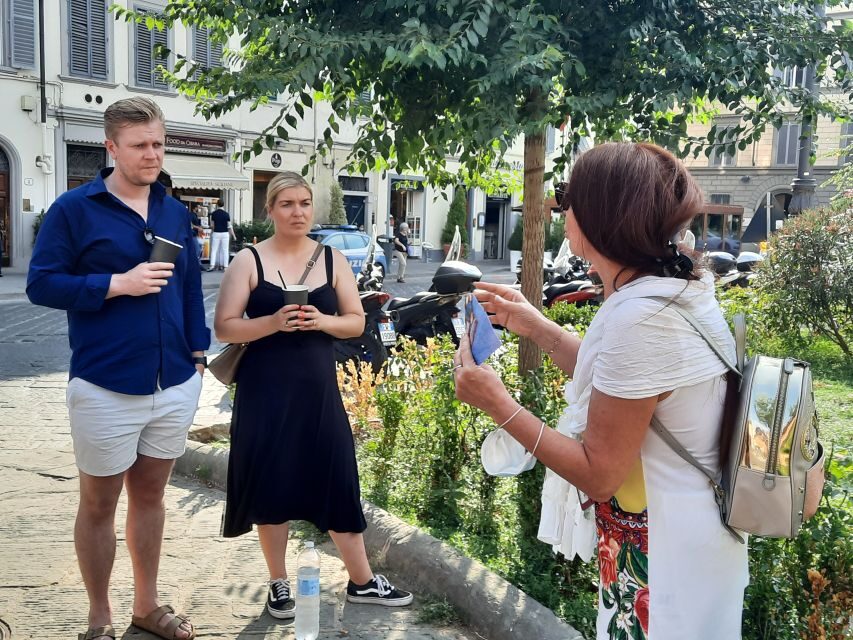
Piazza della Signoria is where Florence turns from art city into moral drama. Your guide highlights the 1498 execution of Girolamo Savonarola in this very square.
What makes this stop compelling is the scale of it. Public squares are where authorities and crowds perform belief—through preaching, punishment, and spectacle. By bringing Savonarola here, the tour shows you how religious movements could become political forces, and how quickly a city could flip from admiration to fear.
This is also where you learn to think like a local reader of signs. If Florence is full of symbolism, then public space is full of messages too—carved into stone, shouted through sermons, and enforced through outcomes.
- Tuscany Day Trip from Florence: Siena, San Gimignano, Pisa and Lunch at a Winery
★ 5.0 · 21,634 reviews - The Best tour in Florence: Renaissance & Medici Tales – guided by a STORYTELLER
★ 5.0 · 12,316 reviews

Ponte Vecchio and Oltrarno: Moving Through the City’s Different Moods
After the big-square intensity, the tour keeps you moving toward Ponte Vecchio and then into Oltrarno. These are familiar areas, but the tour uses them as breathing room between heavy stories.
Walking the route here helps you connect the symbolic narrative to the real city layout. You can feel how Florence’s movement patterns—crossings, neighborhoods, streets—shape how people experience events and rumors.
At this stage, you’re also more likely to notice small visual details because you’ve warmed up mentally. In other words, the tour doesn’t just tell you that symbols exist; it trains you to keep noticing them while your feet are still on the ground.
The Dark Academia Portion: Pico, Poliziano, and Neoplatonic Florence
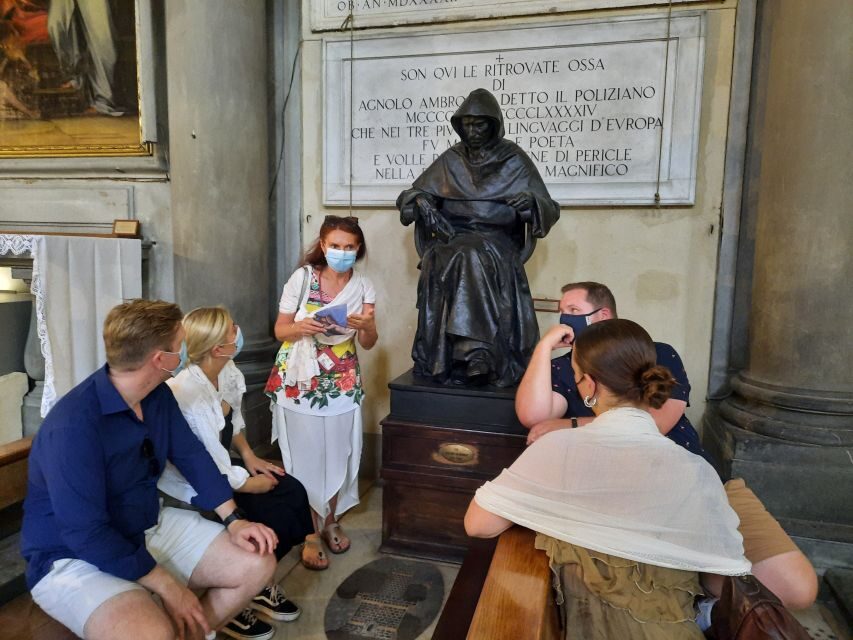
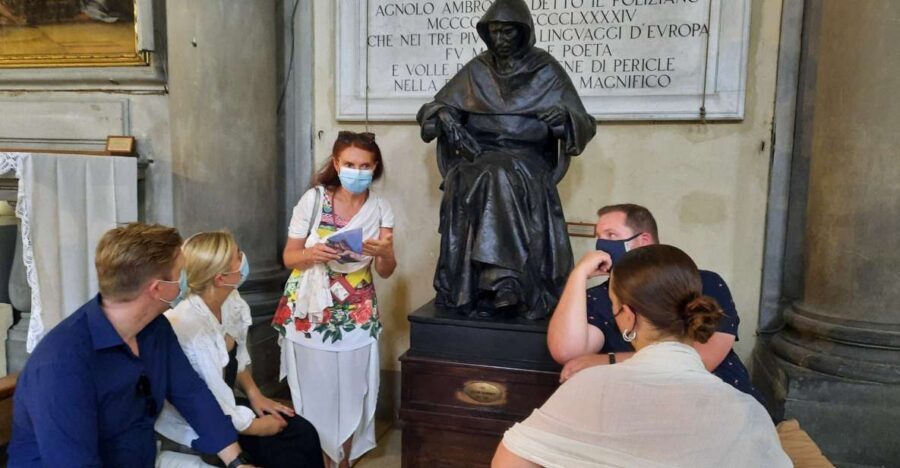
One of the most distinctive parts is the tour’s focus on intellectual figures and their shadow stories. You’ll hear about arsenic poisoning connected to Pico della Mirandola and Agnolo Poliziano in 1494, linked to a circle tied to Lorenzo the Magnificent.
Even when you treat these accounts as stories told through Florentine tradition, they show you something important: Florence’s intellectual life wasn’t separated from politics, religion, and danger. Ideas could be life-changing, or life-ending.
You also get discussion of the Neoplatonic Florentine Academy, associated with Cosimo de’ Medici, and its impact on literary and artistic culture. The tour then mentions the Florentine Studio as a place where philosophers, theologians, and magicians once gathered.
This section is where the tour earns its title. It makes esotericism feel like part of a broader cultural ecosystem, not a random side show. If you enjoy the meeting point between philosophy and folklore, you’ll probably lean in during these moments.
Templars, Cathars, Masons, and Secret Lodges: Why the Museum Finish Matters
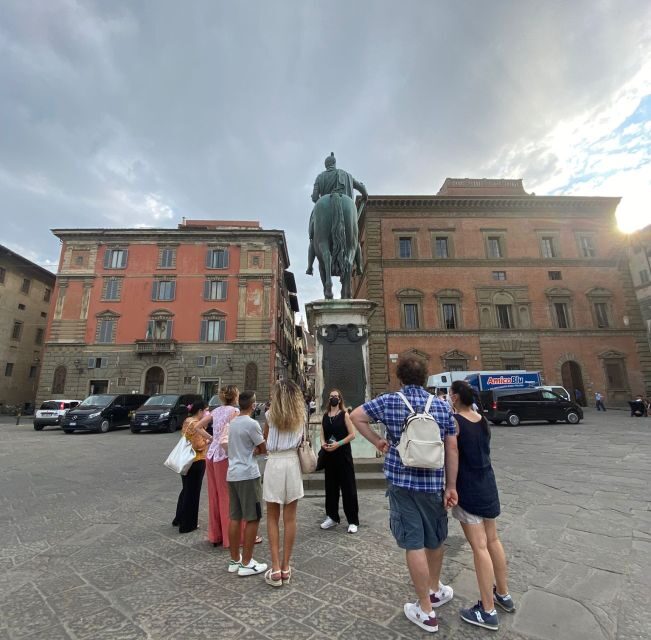
The tour builds toward its finale at the Museum of Masonic Symbols. This isn’t just a stop on the way out; it’s the payoff.
The museum is described as the first Italian museum devoted to Masonic ideology, and you explore displays with ritual objects marked by etched, embroidered, printed, and engraved symbols. That kind of hands-on visual focus is a real advantage after a walking route where you’re seeing symbolism at a distance.
In other words, the tour doesn’t ask you to take everything on faith. It gives you a place where symbols become physical artifacts, and where you can look at patterns without needing to imagine what the stone might have meant.
You’ll also hear tour stories that connect Florence to Templars, Cathars, and the city’s first Masonic lodge. Even if you stay skeptical about every implication, the museum visit helps you understand why people were drawn to secret-order symbolism in the first place: it offers structure, ritual, and a shared language for meaning.
The Real Value: A Guide Who Makes You Look Differently
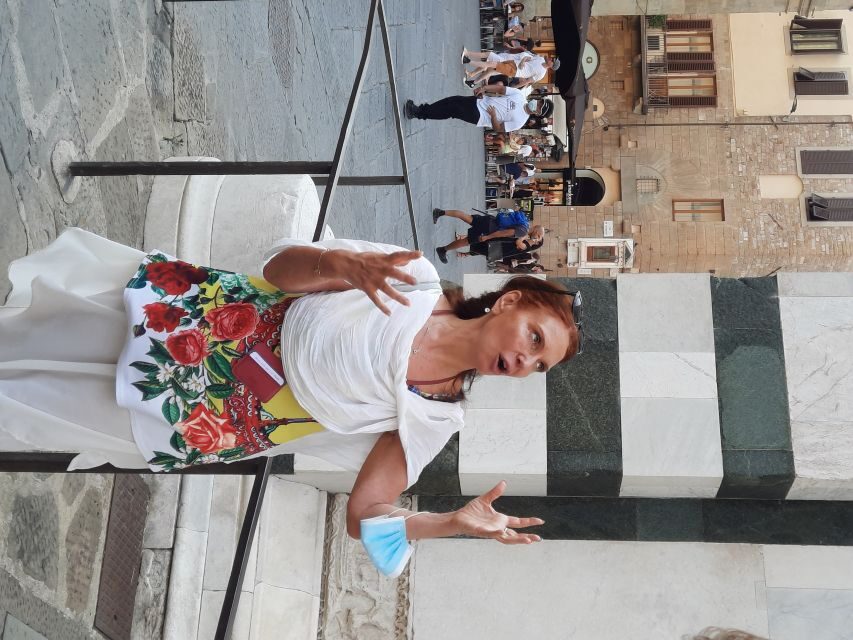
A big reason this tour scores well is the guide’s delivery. One guide name that stands out is Susanna, described as superb—friendly, engaging, and clearly able to carry the story without losing the group.
That matters because this type of tour lives or dies on pacing and explanation. If your guide rushes, symbols blur into background noise. If your guide is patient, you’ll start noticing details that you would otherwise walk right past.
Price-wise, $215.24 per person for about 3 hours isn’t “cheap,” but it is not random either. You’re paying for a licensed guide, guided time at multiple landmark areas, and entrance to the Museum of Masonic Symbols. If you’re the type who likes theme-based tours and wants expert guidance for reading monuments, the value tends to make sense.
If you’re price-sensitive and happy to self-tour Florence’s churches, you may feel the cost more. But if you’d rather pay for a guide than spend hours guessing what you’re looking at, this is a solid way to turn that money into clarity.
Who This Tour Fits Best (and Who Might Prefer Something Else)
This works best if you enjoy:
- Florence landmarks with a symbol-reading mindset
- Darker historical stories that connect art, religion, and power
- Museums that interpret symbols instead of just displaying objects
It might feel less satisfying if your priority is only mainstream sightseeing and big-name art. This tour spends time on facades, squares, and interpretive themes—so you’ll be learning, not just admiring.
Also keep expectations realistic about close-up decoding. One style of tour focuses on quick symbol spotting across multiple sites. If you want long, detailed analysis of codes etched into stone, this route’s time limits could be a mismatch.
Should You Book This Florence Occult and Esotericism Tour?
I’d book it if you want a Florence day that turns you into an active observer. The route is built around recognizable places—Piazza della Signoria, the Duomo complex area, Ponte Vecchio, and Oltrarno—but your guide frames each stop through occult and esoteric storytelling.
I’d skip it if you want a standard highlights tour with minimal theory and maximum time in museums. This experience leans into symbolism and interpretation, so it’s best when you enjoy that kind of mental play.
If you do book, do one small thing that makes a huge difference: wear shoes you can walk in for a few hours and plan to look up and look closely. This tour works because you practice seeing Florence like a coded message.

More Walking Tours in Florence
More Tours in Florence


More Tour Reviews in Florence
- Tuscany Day Trip from Florence: Siena, San Gimignano, Pisa and Lunch at a Winery
★ 5.0 · 21,634 reviews - The Best tour in Florence: Renaissance & Medici Tales – guided by a STORYTELLER
★ 5.0 · 12,316 reviews