REVIEW · FLORENCE
Florence: Pasta Class with Wine, Limoncello and Dessert
Book on GetYourGuide →Operated by Experience in Florence · Bookable on GetYourGuide
Fresh pasta beats museum food. This class turns a historic palace steps from Ponte Vecchio into your personal kitchen, and you end up eating what you made with Tuscan wine, limoncello, and dessert. I especially love the handmade pasta part, where you roll and shape ravioli, tortelli, and fettuccine yourself. I also like that the meal is truly shared, with everyone cooking and then sitting down together. One consideration: it’s hands-on, so you’ll want comfortable clothes and you should be ready for flour on your sleeves.
It runs about 3 hours, guided in English by professional instructors. You start with a short introduction, then move straight to dough and shaping, with sauces finished right before service (including a butter-and-sage sauce). If you have allergies or dietary restrictions, check ahead because there are limits, including no accommodation for vegans, gluten-sensitivity, and lactose intolerance.
In This Review
- Key Things I’d Put on Your Checklist
- Why This Florence Pasta Class Feels Worth Your Time
- Your Hands-On Start: Dough, Flour, and Getting Un-Stuck Fast
- Ravioli, Tortelli, and Fettuccine: Three Skills That Add Up
- The Sauces: Tomato Done Ahead, Butter and Sage Done Fresh
- Lunch Like Italians: Wine, Limoncello, and Dessert After the Work
- Where You Cook: A Florence Palace Near Ponte Vecchio
- What to Wear, How to Pace Yourself, and Who Should Skip
- Value for Money: More Than a Tasting
- Who This Class Is Best For (and Who Might Prefer Something Else)
- FAQ
- FAQ
- Where is the meeting point?
- How long is the experience?
- Is the instruction in English?
- What food and drinks are included?
- What dietary needs or allergies can be accommodated?
- Can I cancel and get a refund?
- My Bottom Line: Should You Book This Florence Pasta Class?
Key Things I’d Put on Your Checklist
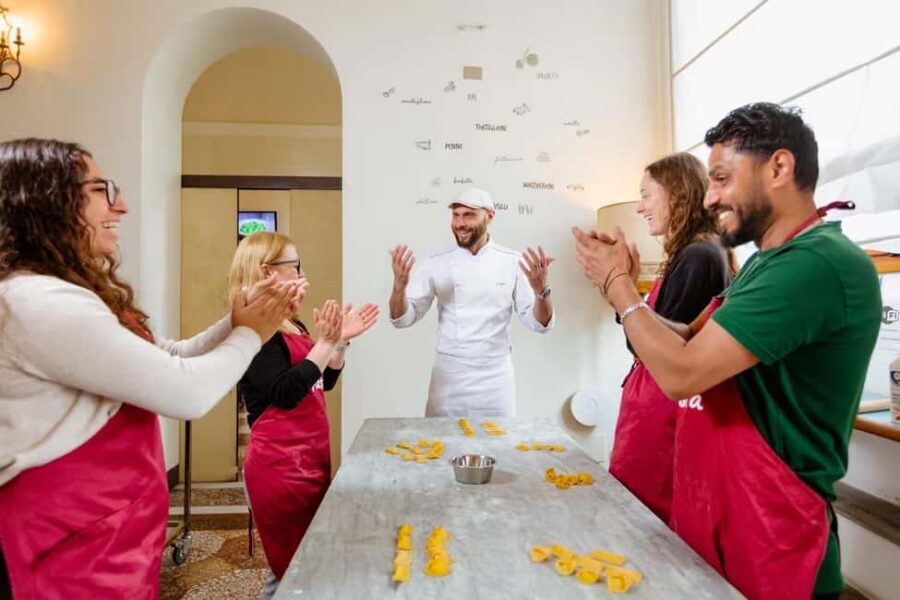
- Three classic pasta shapes, made by you: ravioli, tortelli, and fettuccine from egg-and-flour dough
- Sauce timing you can watch: a tomato sauce simmering hours in advance plus a butter-and-sage finish right before serving
- Drinks that make the meal feel Italian: organic Tuscan wine, then a limoncello shot, with dessert at the end
- A historic setting near Ponte Vecchio: you cook in a Florence palace at Lungarno Guicciardini 17r
- Small-class energy: in past groups, classes have been around 10 people, which keeps it friendly and interactive
- You might leave with recipes to repeat at home: some sessions include a take-home recipe book
Why This Florence Pasta Class Feels Worth Your Time
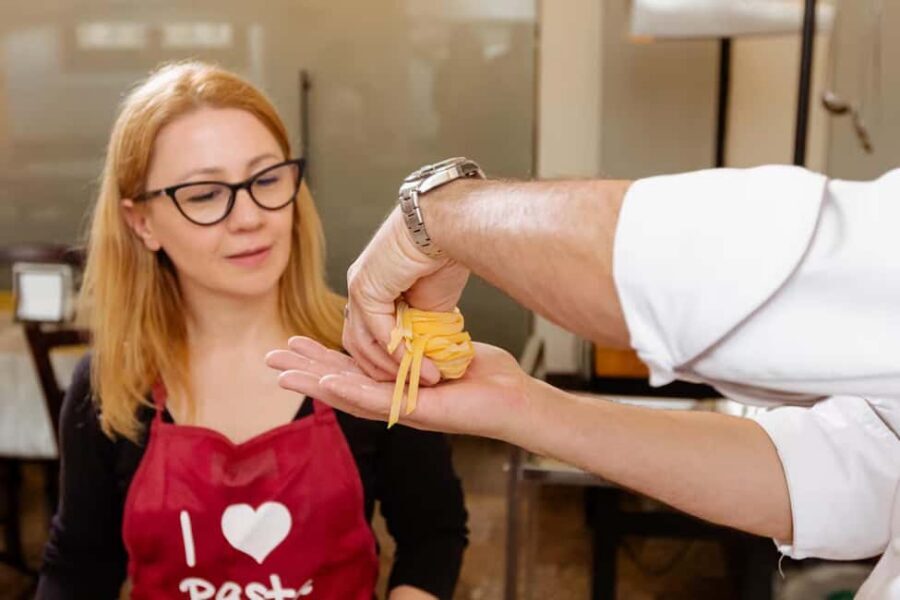
Florence has no shortage of food tours. This one is different because it doesn’t just feed you. It teaches you the part that makes Italian pasta taste like pasta: the dough, the thickness, and the confidence to shape it without fear.
The location matters too. You’re cooking in a historic Florence palace near Ponte Vecchio, which makes the whole experience feel like you’re stepping into the real daily rhythm of the city, not standing in a generic studio. Even if you’ve never rolled dough before, you’ll get to do it in a guided way, with tools and ingredients provided.
What I like most is the “do it, then eat it” sequence. You don’t watch someone else make everything and then hope the taste matches the lesson. You form your own ravioli or tortelli, you roll fettuccine, and then the class comes together around a table to enjoy the results.
One more practical reason this works: the time is focused. In 3 hours, you move from mixing to shaping to sauce and then to lunch/dinner. You’re not stuck waiting around. If you’re touring Florence for a few days, this gives you a hands-on anchor for your trip, not just another restaurant meal.
You can also read our reviews of more wine tours in Florence
- Tuscany Day Trip from Florence: Siena, San Gimignano, Pisa and Lunch at a Winery
★ 5.0 · 21,634 reviews

Your Hands-On Start: Dough, Flour, and Getting Un-Stuck Fast
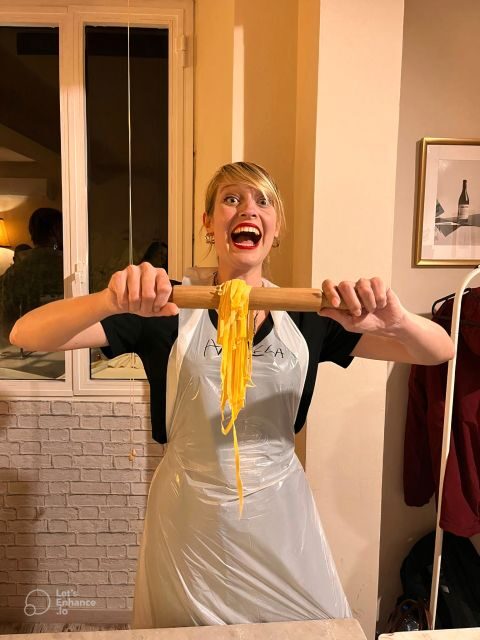
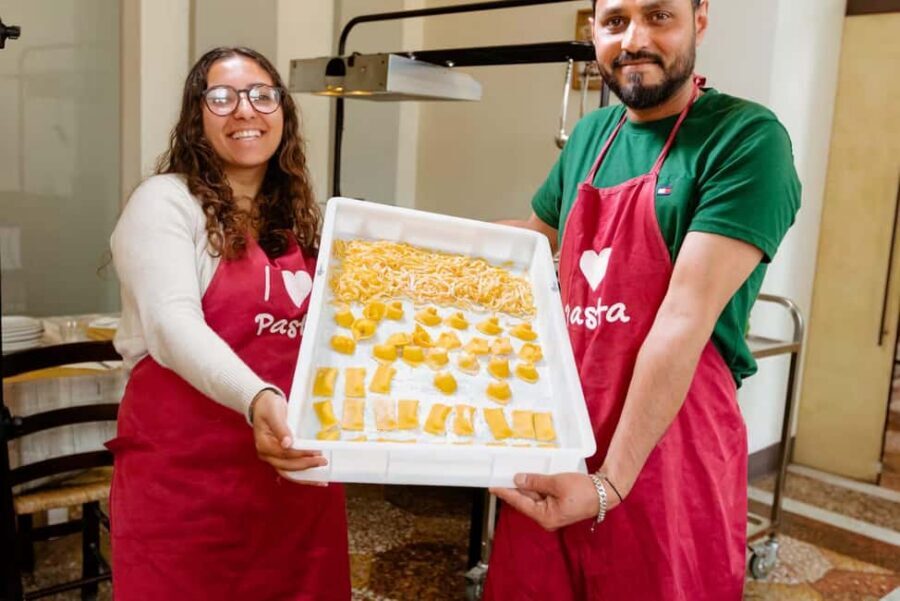
The class begins with you putting on an apron and getting your work station ready. Then it’s straight into the core skill: making fresh pasta dough with eggs and flour. For beginners, this step is key. It teaches you what the dough should feel like before you even think about shapes.
You’ll learn how to knead and get the dough to a workable consistency. That matters because ravioli and tortelli are all about sealing and shaping, while fettuccine is about rolling evenly. The instructors are there to help you troubleshoot in real time, which is a big deal if you’re nervous about messing up.
A detail I appreciate: the class is structured like a proper experience, not a random cooking party. You start with an evocative introduction, described as being like a cinema-style intro, then you move straight into hands-on practice. That keeps the energy up and makes it easier to remember what you’re doing once you’re in the middle of rolling dough.
Also, it helps that the kitchen is set up for this work. You’re not fighting for counter space or digging around for tools. You’re given the cooking equipment, and the ingredients are organized for the sauce steps and fillings so the class stays on pace.
Ravioli, Tortelli, and Fettuccine: Three Skills That Add Up
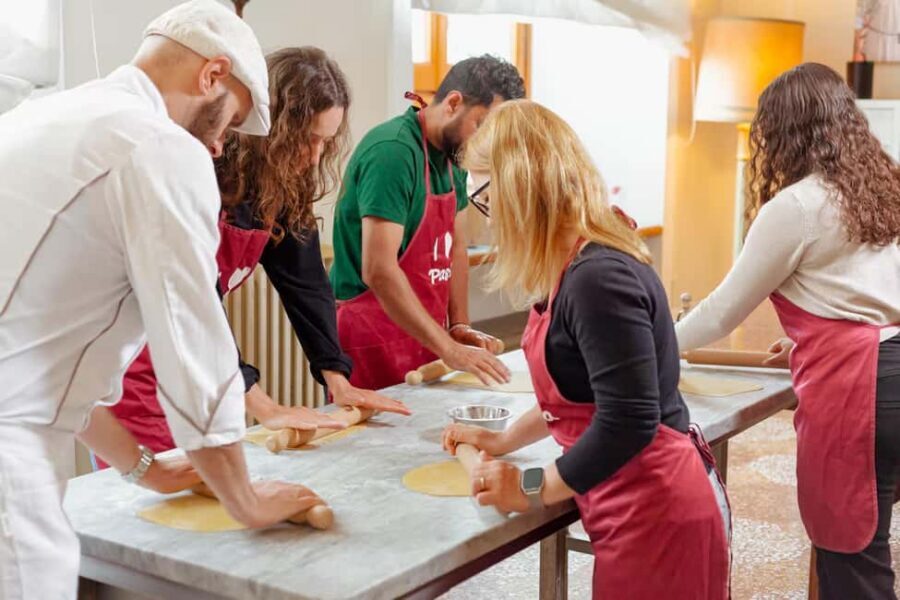
You’ll make three pasta forms: ravioli, tortelli, and fettuccine. Each one teaches you something slightly different, so the class feels complete.
Ravioli
Ravioli is where technique meets patience. You’ll be working with filling and dough, shaping and sealing so it holds its form. The key lesson here is not perfection on the first try. It’s understanding how dough behaves when it’s rolled thin enough and when it’s handled gently enough to stay sealed.
Tortelli
Tortelli often feels like the bridge between ravioli’s careful filling work and fettuccine’s rolling practicality. You’ll shape and finish the pasta so it cooks well and has that classic stuffed texture when you eat it.
Fettuccine
Then comes the unstuffed classic: fettuccine. If you came here thinking you would only work with molds and fillings, fettuccine surprises people in a good way. Rolling for fettuccine teaches you consistency. When your strips are even, the final dish tastes balanced, not uneven.
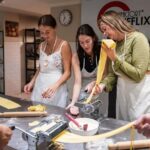
A useful confidence booster: you’re not doing this as a spectator. Each participant prepares their own pasta. After that, the cooking happens together, in the same pot, so you share the results like you’re part of a real Italian home meal. That shared structure is exactly what makes the class memorable, even if you never plan to become a pasta expert.
The Sauces: Tomato Done Ahead, Butter and Sage Done Fresh
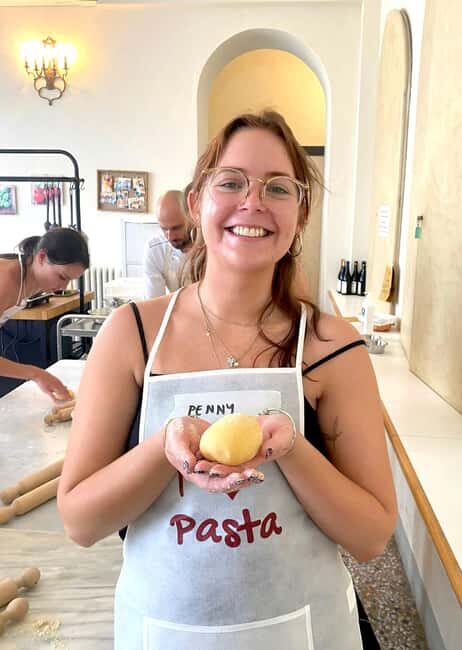
This is one of those moments where the class quietly teaches you how Italians think about timing.
First, you’ll notice the tomato sauce has been simmering for hours in advance. That means it’s already developed—flavors softened and integrated—so when it finally shows up with your pasta, you’re tasting something with depth, not just cooked-together ingredients.
For the ravioli and tortelli, you’ll watch the instructor prepare a butter-and-sage sauce right before service. That kind of last-minute finishing is where aroma lives. Sage tastes sharper when it’s not overcooked, and butter tastes rounder when it’s warmed and handled at the right moment.
The practical payoff for you: once you taste the finished dish, you’ll better understand why fresh pasta isn’t only about the dough. The sauce timing is part of the recipe.
Lunch Like Italians: Wine, Limoncello, and Dessert After the Work
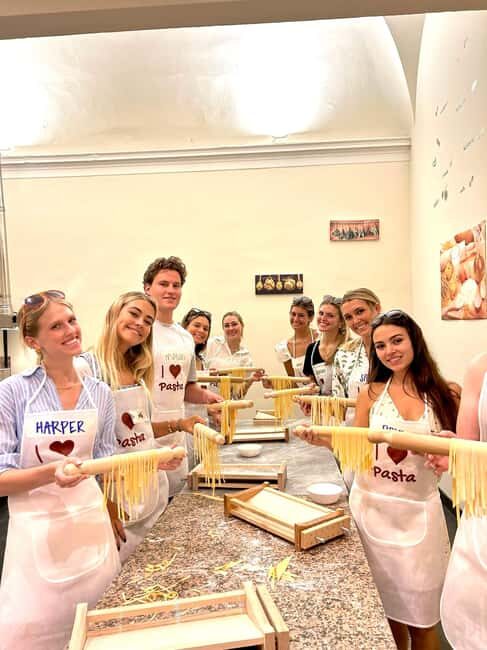
The meal part is where the whole thing clicks. You’ll gather around a large, convivial table and eat what you made. This is a big difference from classes where the meal feels separate from the lesson.
You’ll sip organic Tuscan wine produced naturally, described as Dalle Nostre Mani. Alcohol is served to legal drinking age only, so plan accordingly if you’re booking for a group that includes minors.
Then you get the limoncello shot. It’s a fun finish because it turns the class into a proper Tuscan-style evening feel, even if the setting is daytime.
Dessert wraps things up. Past participants have mentioned cake and a sweet finale, and the class description includes dessert as part of the included experience. Expect it to be part of the flow, not a last-minute afterthought.
One more subtle point: the wine and the meal help you enjoy the process you just learned. Pasta dough skills aren’t easy to forget once you taste the difference between rolled dough and uneven dough. The meal makes the lesson stick.
You can also read our reviews of more tours and experiences in Florence
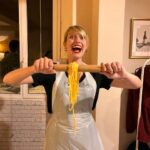
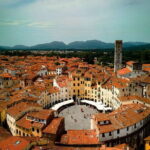
Where You Cook: A Florence Palace Near Ponte Vecchio
The meeting point is Lungarno Guicciardini 17r, and the kitchen sits in a historic palace just steps from Ponte Vecchio. You’re not commuting across town. You’re already in the right part of Florence for walking, photos, and getting your bearings.
Arrive about 5 minutes early for check-in. It’s not a suggestion that feels strict; it’s more like giving the staff a clean start so your class doesn’t lose time once you’re inside.
In terms of vibe, the palace setting adds gravity. You’re doing something old-school in a real-world building, which makes even beginners feel like they’re part of Florence’s food story. If you like pairing experiences with atmosphere, this matters.
What to Wear, How to Pace Yourself, and Who Should Skip
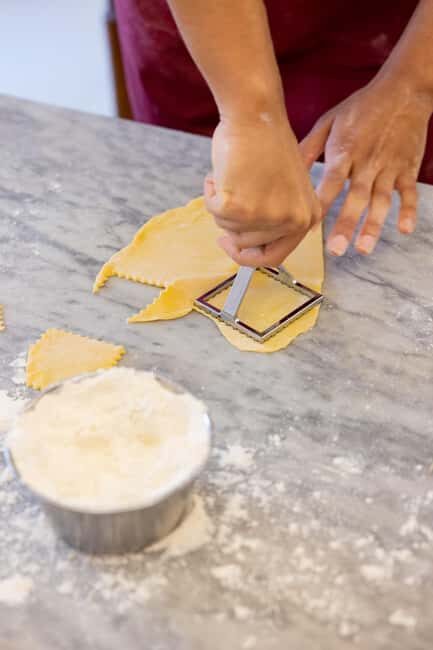
Wear comfortable clothing suitable for cooking. You’ll be kneading, rolling, and shaping. That means you want sleeves you don’t mind flouring up and shoes that let you stand comfortably for part of the session.
Mobility and allergy notes matter here:
- It is not suitable for people with mobility impairments.
- Nut allergies aren’t accommodated.
- While dietary options are listed as available in some descriptions, the policy also states they cannot accommodate vegans and cannot accommodate gluten-sensitivity and lactose intolerance. So if that’s your situation, you should confirm before booking.
Also, smoking is not allowed. It’s a standard rule, but it’s worth noting if you’re the type to want a break outside during a class.
Value for Money: More Than a Tasting
This is where the “value” question matters. You’re paying for ingredients, instruction, equipment, and the finished meal. But the real value is what you’re getting in return: actual skill and a full sit-down meal with wine, limoncello, and dessert included.
Many Florence food experiences end with you eating. This one ends with you eating and knowing how to reproduce a lot of it at home. Even if your first attempt doesn’t look perfect, you’ll understand what the dough should feel like and why thickness matters.
A few extra touches have appeared in past sessions, such as:
- a short video-style history intro at the start,
- welcoming drinks like prosecco mentioned in some experiences,
- and the chance to take home recipes to try later.
Those extras aren’t something you should count on every single time. But even without them, the structure is strong: instruction plus hands-on practice plus a real meal.
If you want a Florence highlight that isn’t just eating, this hits the mark.
Who This Class Is Best For (and Who Might Prefer Something Else)
This pasta class is a great fit if you:
- want a hands-on Florence experience that isn’t just sightseeing,
- enjoy food education that still ends with a proper meal,
- are traveling as a couple, friends, family, or group and want everyone involved.
It’s also a nice choice for visitors who don’t cook. Multiple past participants have said they felt included even as total beginners, and instructors did a good job keeping things light and interactive.
If you’re traveling with kids, this can work well because everyone has a job at the table. In past groups, classes included children and still stayed organized and fun.
On the other hand, you should probably choose something else if you:
- have a mobility limitation,
- have a nut allergy,
- need vegan, gluten-sensitivity, or lactose intolerance accommodation (since the policy states they can’t provide it).
FAQ
FAQ
Where is the meeting point?
You meet directly at the cooking school at Lungarno Guicciardini, 17r, 50125 Firenze FI, Italy.
How long is the experience?
The class lasts 3 hours.
Is the instruction in English?
Yes. The instructor provides instruction in English.
What food and drinks are included?
You’ll make fresh pasta and eat it as part of a lunch/dinner. The class includes dessert, a limoncello shot, and an organic Tuscan wine tasting. Additional drinks are not included.
What dietary needs or allergies can be accommodated?
Vegetarian options are listed, and other diets are mentioned in the general description, but the policy also states they cannot accommodate vegan, gluten-sensitivity, and lactose intolerance. Nut allergies are not accommodated. If you have allergies or special needs, you should inform the provider when booking.
Can I cancel and get a refund?
Yes. Free cancellation is available up to 24 hours in advance for a full refund.
My Bottom Line: Should You Book This Florence Pasta Class?
If you want a Florence food experience that’s more than tasting, I think this is an excellent choice. You’ll learn real pasta-making skills for three different shapes, then you’ll sit down and eat a full meal with organic wine, limoncello, and dessert. The historic palace setting near Ponte Vecchio adds real atmosphere without turning it into a stiff, museum-style event.
Just be honest with your needs. This is not the pick for vegan or lactose/gluten-sensitivity accommodation, and it’s not suitable for mobility impairments. If you’re within those limits, book it. It’s one of the few Florence classes where the result on your plate matches the work you put in with your own hands.
More Dessert Tours in Florence
More Wine Tours in Florence
- Tuscany Day Trip from Florence: Siena, San Gimignano, Pisa and Lunch at a Winery
★ 5.0 · 21,634 reviews
More Tour Reviews in Florence
- Tuscany Day Trip from Florence: Siena, San Gimignano, Pisa and Lunch at a Winery
★ 5.0 · 21,634 reviews - The Best tour in Florence: Renaissance & Medici Tales – guided by a STORYTELLER
★ 5.0 · 12,316 reviews