REVIEW · FLORENCE
Florence: Walking Tour with Accademia & Uffizi Galleries
Book on GetYourGuide →Operated by CAF Tour & Travel · Bookable on GetYourGuide
Two museums in one day.
This tour is a strong hit of Florence art and street life: Accademia Gallery first for Michelangelo’s David, then a guided walk through the historic center, and finally the Uffizi with major Renaissance names. I especially like the way the day is structured so you see the big-ticket sights (Duomo Complex, Piazza Signoria, Ponte Vecchio area) while still getting context for what you’re looking at. The main drawback to watch for is meeting-point confusion—one participant missed part of the walk because the meeting details weren’t clear, so you’ll want to arrive early and reread the exact location.
I also like the practical touches that make the time feel efficient. You get museum entry handled for you (including reservation/skip-the-line help) and earphones inside the museums, so you’re not constantly trying to hear over other groups. Still, it’s a packed 6-hour block, so if you hate walking or need lots of long pauses, you may find the pace a bit tight.
In This Review
- Key Highlights You’ll Feel in Real Time
- Accademia Gallery: Michelangelo’s David and the Art Behind It
- The Medici-to-Duomo Walking Route: Where Florence Makes Sense
- Piazza Signoria, Palazzo Vecchio, and the Ponte Vecchio Approach
- Optional Typical Tuscan Lunch in Florence Old Town
- Uffizi Gallery: Botticelli, Renaissance Giants, and the Terrace Payoff
- How the Small-Group 6-Hour Pace Works (and Where It Can Feel Tight)
- Value for $164.26: What You’re Paying For
- Who This Tour Fits Best (and Who Might Want a Different Plan)
- Should You Book This Florence Accademia & Uffizi Tour?
- FAQ
- Do I need to buy tickets in advance?
- How long is the tour?
- Is this tour a small group?
- What languages are available?
- Is there an optional lunch?
- Are earphones provided in the museums?
- Where is the Uffizi meeting point in winter?
- What happens on the first Sunday of the month?
- Does the tour end where it starts?
Key Highlights You’ll Feel in Real Time
- Guaranteed museum entry time helps you avoid the slow, stressful ticket office shuffle
- Accademia first, Uffizi afternoon keeps the day logical and reduces museum “dead time”
- Guided Florence center walk hits Medici, Duomo Complex, Piazza Signoria, and the Ponte Vecchio atmosphere
- Earphones inside museums make longer gallery rooms easier to enjoy
- Uffizi Terrace finish gives a smart payoff with views over Florence’s landmarks
- Optional Typical Tuscan Lunch in old town keeps the day grounded, not just museum-heavy
Accademia Gallery: Michelangelo’s David and the Art Behind It
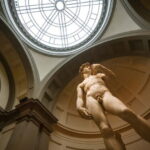
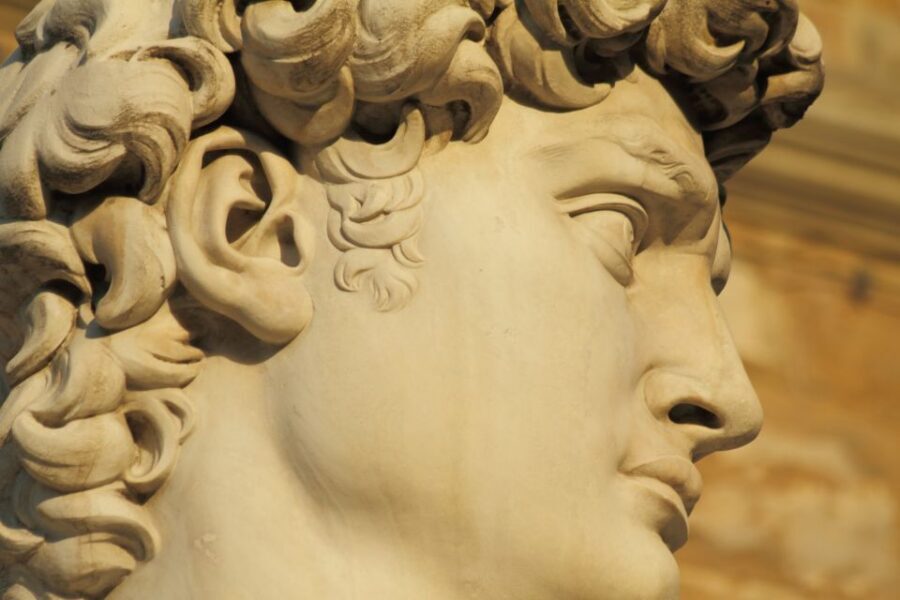
Accademia Gallery is where this day earns its first wow factor. You start by getting a guided look at Michelangelo’s David, the statue Florence guards like a cultural heart. The guide also places it in context beyond the postcard moment—explaining Michelangelo’s multi-year effort and the idea that the sculpture represents strength, courage, and the power of the Florentine Republic.
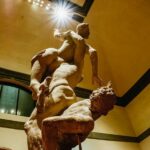
What I like about doing Accademia early is that it sets your eyes up for everything else. When you understand why David looks the way it does—pose, anatomy, intensity—you stop treating later Renaissance works like separate “random masterpieces” and start seeing a connected artistic language. You’ll also see other notable works, including I Prigioni (the Prisoners) and San Matteo, so you don’t leave with only one statue stuck in your brain.
Practical tip: wear comfortable shoes. Accademia is mostly about gallery time, but you’ll still be moving through rooms and corridors with your group.
You can also read our reviews of more walking tours in Florence

The Medici-to-Duomo Walking Route: Where Florence Makes Sense
After Accademia, the walking tour helps you understand Florence as more than museum walls. You begin in the Medici area, with stops connected to the ruling family’s influence—think their palace presence and San Lorenzo Church. This is the kind of context that makes the museum titles click later, because you’re seeing the city that produced the art in the first place.
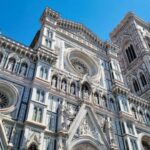
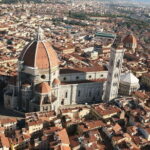
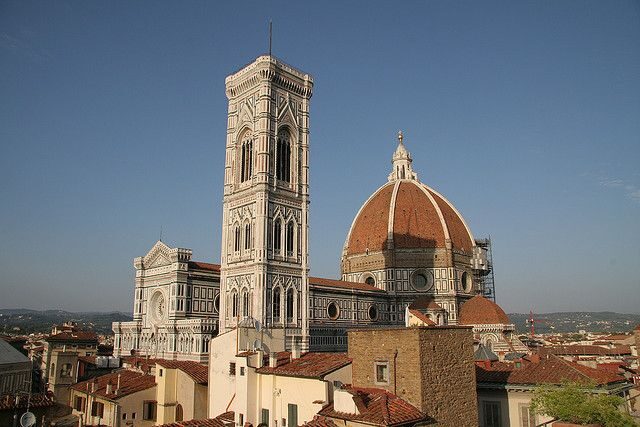
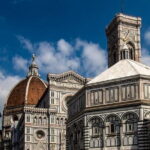
Then you hit the Duomo Complex. You’ll admire the Florence Cathedral and move through the wider “Duomo Complex” area with your guide pointing out what matters visually and historically. The Cathedral is one of those places where photos don’t teach you much—your guide’s job is to help you notice the details your eyes would otherwise miss.
A big plus is that the route doesn’t feel like only the famous stuff. You also pass through medieval streets and reach Orsanmichele, a church with a very distinctive feel compared to more expected cathedral or church layouts. Near the Straw Market, you get that street-market texture that still makes Florence feel lived-in rather than staged.
One thing to keep in mind: this is a guided walk through older streets, so you’ll want to move at a comfortable pace and not plan extra sightseeing errands between stops. The value here is the flow—each stop adds meaning for the next.
Piazza Signoria, Palazzo Vecchio, and the Ponte Vecchio Approach
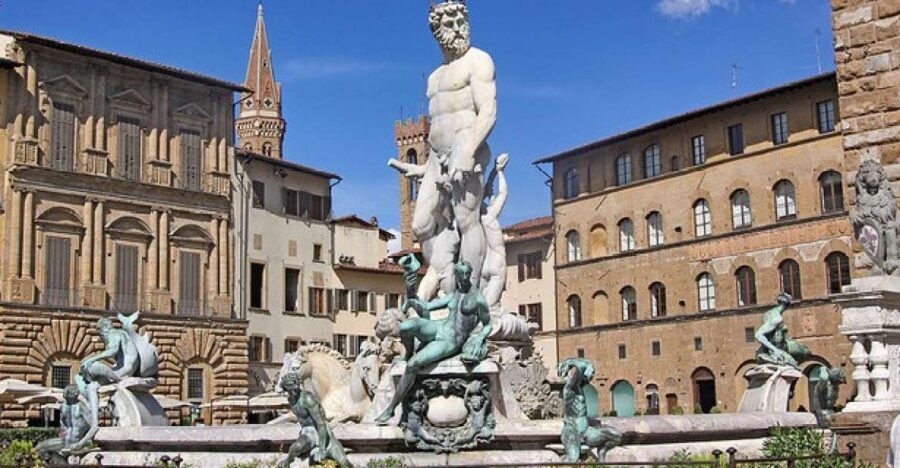
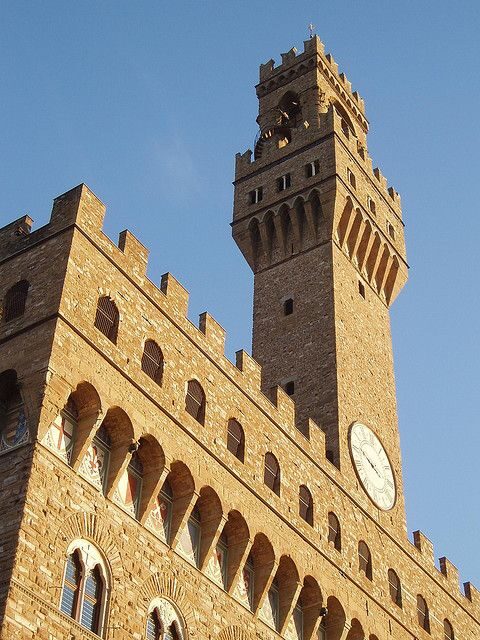
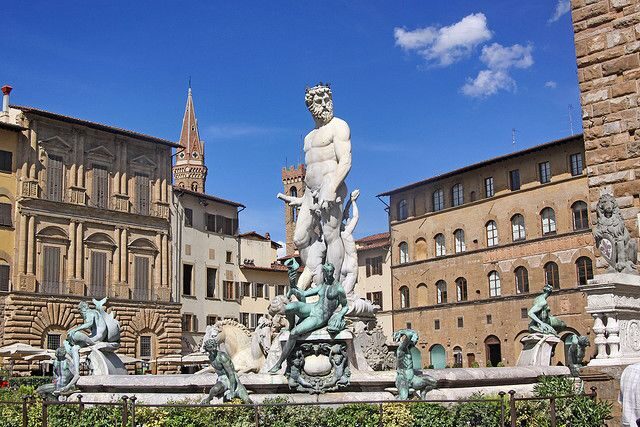
Next comes the political and civic center of Florence. Piazza Signoria is where the city’s power shows up in stone and sculpture energy. Nearby, you see Palazzo Vecchio, and your guide connects the vibe of the square to the same kind of ambition you’ll see reflected in major artworks.
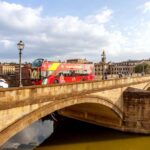
Then you move toward Ponte Vecchio, walking along the Vasari Corridor direction. Even if you can’t spend time inside every famous passageway, following this corridor-linked route helps you understand why Ponte Vecchio became such a magnet—and why the area feels dramatic as you approach the river.
The tour ends around Ponte Vecchio’s atmosphere, with its famous jewelry shops. This part is great if you like Florence’s “eyes-on-you” energy: the sound of the street, the river backdrop, and the sense that this spot has been a trading point for centuries.
If you’re shopping, don’t assume this is your slow, browse-everything moment. This stop is more about setting the scene than turning into a long retail spree.
Optional Typical Tuscan Lunch in Florence Old Town
Lunch is optional, but I think it’s worth considering because it keeps the day from turning into nonstop art intake. The tour offers a Typical Tuscan Lunch at a restaurant in Florence old town.
The important practical detail: drinks aren’t included—you pay them on the spot if you choose the lunch option. That’s normal for tours, but it’s good to budget so lunch doesn’t turn into a surprise bill.
Also, eat like you’re preparing for a museum afternoon. In plain terms: go for something you can handle comfortably, not a heavy meal that makes you feel sluggish in the Uffizi galleries.
Uffizi Gallery: Botticelli, Renaissance Giants, and the Terrace Payoff
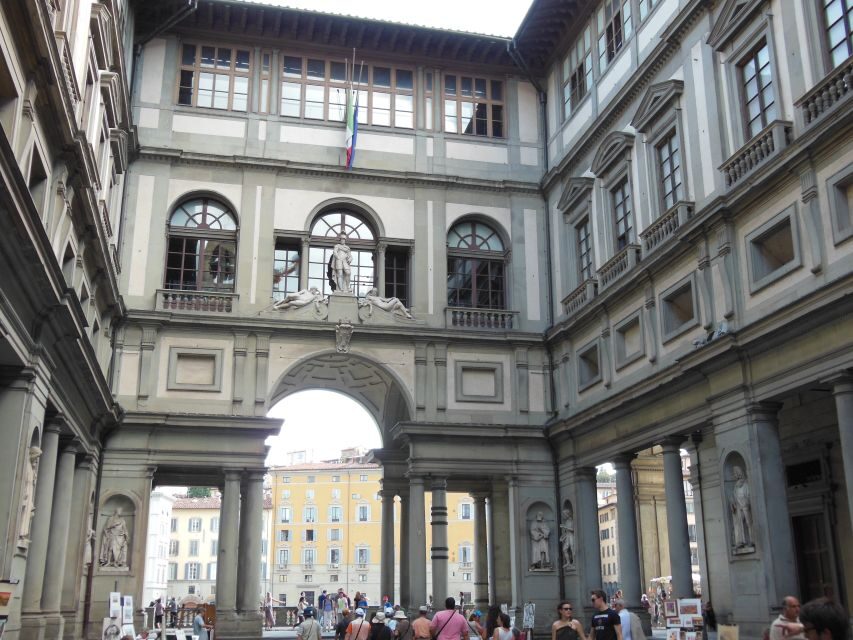
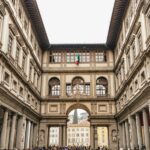
In the afternoon, the tour switches to museum mode with a guided Uffizi visit—one of the world’s most important art collections. This part is where many people’s Florence bucket lists turn into real learning.
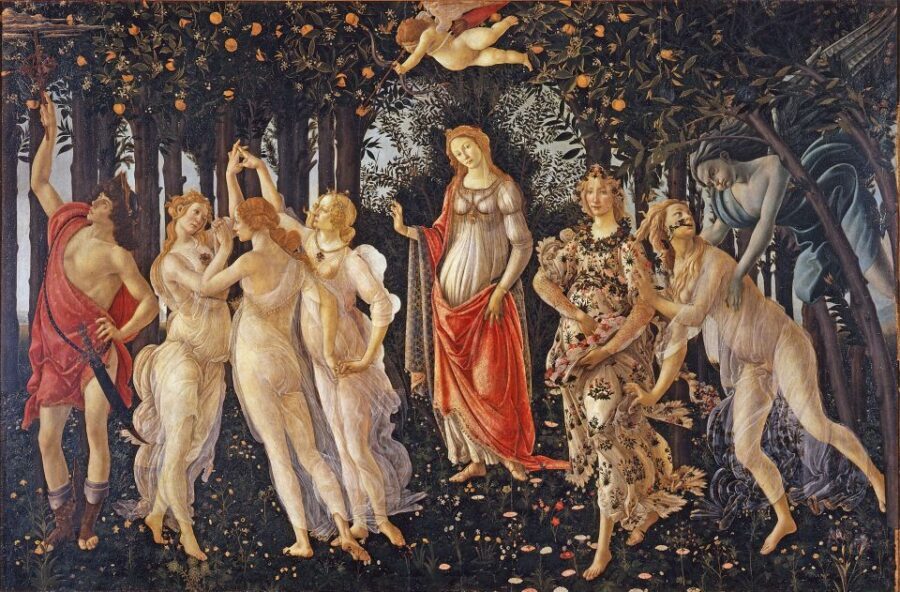
You’ll see works by major Renaissance artists, including Botticelli, Michelangelo, and Leonardo da Vinci. Two Botticelli works that often become the emotional anchors of the trip are Primavera and Birth of Venus. The advantage of a guided visit is that the guide helps you connect symbolism, subject matter, and why these paintings mattered in their time, not just what’s painted on the surface.
One guide name that comes up in excellent experiences is Giulia. When she’s the guide, people value the level of detail and her willingness to answer questions clearly. That’s exactly what you want in the Uffizi—because the rooms are full, the paintings are dense, and you’ll get more from a guide who can explain rather than just recite.
Earphones inside the museums are included, which is a big deal for the Uffizi’s crowded rooms. There was also a note that the company was trialing new headsets at the time of one visit and some were less effective than hoped. If your headset volume seems off, ask the guide immediately so it can be corrected before you lose the thread of the explanations.
The tour concludes at the Uffizi Terrace, which is smart. You get an “outside-in” moment where you look over Florence’s landmarks after being surrounded by art indoors. After the guided portion, you can choose to stay longer in the museum—useful if you want to linger at the pieces that grabbed you most.
You can also read our reviews of more museum experiences in Florence



How the Small-Group 6-Hour Pace Works (and Where It Can Feel Tight)
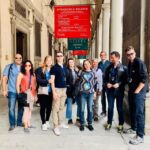
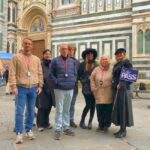
This is a small group tour, and that matters more than you might think. In big groups, museum time turns into shuffle mode. Here, earphones and a local professional guide help keep you moving with a clearer plan, and the walking portion feels like a guided stroll rather than a cattle line.
That said, it’s still a 6-hour day. You’re doing two major museums plus a significant city walk, with the Cathedral area, civic squares, and Ponte Vecchio included. If you love spontaneous detours—coffee stop hopping, extra photos, slow browsing—you may have to rein it in. Your best strategy is to treat this as a guided “core highlights” day, then do a longer, unstructured day on your own afterward.
The other consideration: the experience depends on the meeting point working smoothly. One person missed the walking tour portion because information was confusing. Your best defense is simple: arrive a bit early, confirm the exact location, and double-check the time you booked.
Value for $164.26: What You’re Paying For
At $164.26 per person for about 6 hours, this isn’t a budget museum pass. But it’s also not priced like a private driver-and-guide extravaganza. The value is in the mix:
- Guaranteed entry time for the museum visits (so you’re not stuck waiting)
- Skip-the-ticket-line support and entrance ticket handling at the meeting point
- Local professional guide for both the walking portion and the museum parts
- Earphones inside museums, which makes the explanation quality practical
- Small group size, which helps you actually benefit from the guide
If you’re the type who hates ticket-office chaos and prefers to spend your time learning rather than wandering in confusion, you’ll likely feel the price makes sense. If you only want to see the paintings at your own pace, you might feel the structure limits you. That’s the trade-off: you pay for direction.
Who This Tour Fits Best (and Who Might Want a Different Plan)

This tour is a good match if you want Florence in layers: art, then streets, then more art. You’ll like it if you’re excited by big names like Michelangelo and Botticelli, but you also want to understand the city that shaped them—Medici power, civic life at Palazzo Vecchio and Piazza Signoria, and the signature atmosphere around Ponte Vecchio.
It also fits well if you’re traveling with limited time. Doing Accademia and Uffizi on the same day is efficient, and the walk ties the two museums together.
You might want to consider another format if:
- you strongly dislike guided walks through older streets
- you need lots of quiet time alone inside museums
- you’re hoping for a totally flexible, unscheduled day
Should You Book This Florence Accademia & Uffizi Tour?
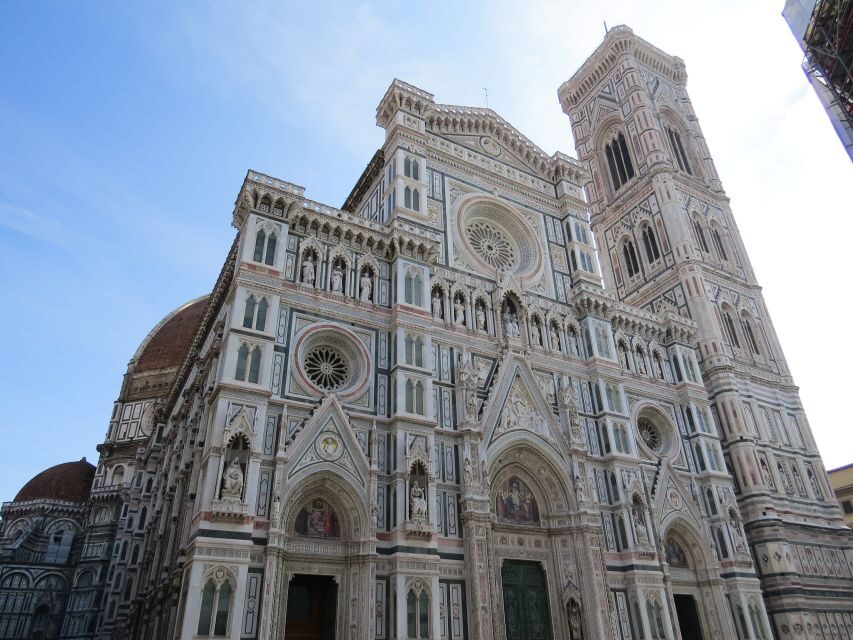
If your goal is a high-impact Florence day—Accademia’s David, a meaningful historic-center walk, and a guided Uffizi visit that actually helps you read what you’re seeing—then yes, I think it’s worth booking.
My advice: do your homework on the meeting point and show up early. This is the one weak spot that can derail the day if details aren’t handled smoothly. If you take care of that, you’ll get a guided experience that’s structured for people who want value from every hour, not just a list of places to check off.
FAQ
Do I need to buy tickets in advance?
The experience includes an entrance ticket and reservation fee, plus guaranteed museum entry time, and you avoid long ticket-office lines. Tickets are delivered by an assistant at the meeting point.
How long is the tour?
It runs for 6 hours. Starting times vary, so you’ll need to check availability for your date.
Is this tour a small group?
Yes. It’s a small group tour with live guidance.
What languages are available?
The tour is offered in English and Spanish. It also notes that April to October may be monolingual.
Is there an optional lunch?
Yes. There’s an optional Typical Tuscan Lunch in a restaurant in Florence old town. Drinks are paid on the spot if you select the lunch option.
Are earphones provided in the museums?
Yes. Earphones are included inside the museums.
Where is the Uffizi meeting point in winter?
From November 1 to March 31, the Uffizi meeting point is the Uffizi Gallery Piazzale, in front of the Dante Alighieri Statue, close to door number 1, reserved for booking holders. An assistant in blue clothing with Caf Tour and Gray Line logos waits there.
What happens on the first Sunday of the month?
On the first Sunday of each month, entrance is free, but tickets can’t be reserved ahead of time, so entry is not guaranteed.
Does the tour end where it starts?
Yes. This activity ends back at the meeting point.


More Walking Tours in Florence

More Tours in Florence


More Tour Reviews in Florence
- Tuscany Day Trip from Florence: Siena, San Gimignano, Pisa and Lunch at a Winery
★ 5.0 · 21,634 reviews - The Best tour in Florence: Renaissance & Medici Tales – guided by a STORYTELLER
★ 5.0 · 12,316 reviews