REVIEW · FLORENCE
Fresco Painting Class in Florence
Book on Viator →Operated by Octavio Palomino Sculptor · Bookable on Viator
Your Florence souvenir starts with plaster. In this fresco painting class, you learn the ancient way of painting on freshly laid lime plaster, so your design becomes part of the wall. Then you make your own small, Renaissance-inspired fresco to take home.
I love that all materials and pigments are provided, so you are not shopping for art supplies on top of your vacation plans. I also love the private attention, with instruction coming from the Geko Art Studio team, including artists such as Octavio Palomino and fresco experts like Claudia or Eleonora.
The main thing to plan for is time: in about 3 hours you’ll finish a small piece, and if you want more work, extra hours cost €40. Shipping (if you want it mailed) is not included.
In This Review
- Key Highlights You’ll Notice Fast
- What Is a Fresco Class in Florence Really Teaching You?
- Geko Art Studio on Via Coluccio Salutati
- The 3-Hour Flow: Lime Plaster, Painting, and a Finished Souvenir
- What You Can Create Depending on Your Level
- Why Cennino Cennini Still Feels Practical in 2026
- Instruction Style: One-on-One, Patient, and Built for Real People
- Coffee While Your Fresco Dries: A Nice Florence Pace
- Take It Home: Packing, Souvenirs, and Shipping Reality
- Price and Value: Is $475.62 Worth It?
- Who Should Book This Fresco Painting Class?
- Small Logistics to Know Before You Go
- Should You Book This Fresco Workshop in Florence?
- FAQ
- How long is the fresco painting class?
- Is this a private class or a group tour?
- What does the class include?
- Do I need to bring my own art supplies?
- What if I want to paint something more complex than fits in 3 hours?
- Can I arrange the start time?
- Where does the class take place?
- Can the fresco be shipped to me?
- Is cancellation free?
Key Highlights You’ll Notice Fast
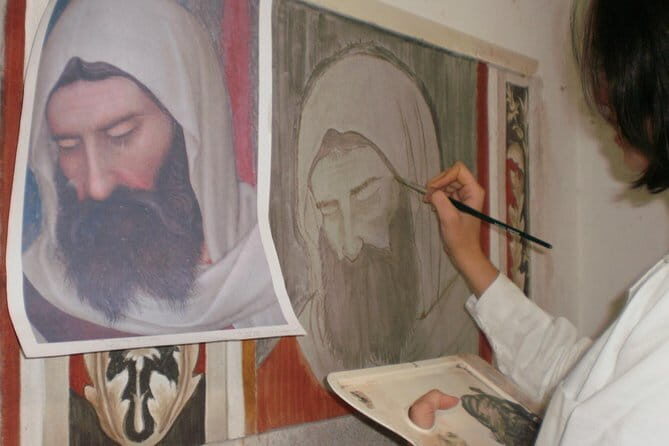
- Real fresco technique: wet lime plaster + pigment mixed with water so the painting bonds as it dries
- Cennino Cennini method: you create your fresco using a medieval recipe approach
- Supplies included: pigments, materials, and everything you need so you can just show up
- Private class energy: only your group, with one-on-one guidance for your level
- A practical break while it sets: there’s often a coffee and pastry moment while the plaster dries
- Take-home packing: the studio carefully packs your finished fresco for travel
What Is a Fresco Class in Florence Really Teaching You?
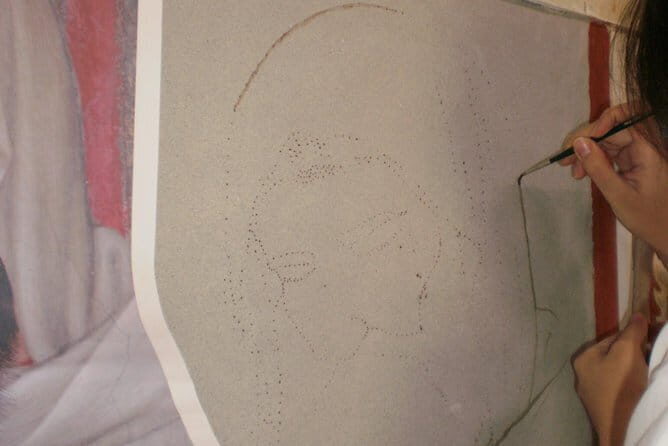
This is not a craft class where you make something that looks like art. You learn the process that makes frescoes special. Fresco is painted on fresh lime plaster using dry pigments mixed with water; as the plaster sets, the image becomes integrated with the wall.
That matters because it changes how you think about the work. You’re not working on a surface you can endlessly correct. You’re learning timing, layering, and how to guide the pigment into the plaster while it still accepts it.
In about 3 hours, you create a small fresco that fits your experience level. If you are a beginner, the studio can help you produce something simple and satisfying. If you already paint, you can aim for more detailed subjects, including choices like a face or anatomical-style details, as long as time allows.
You can also read our reviews of more tours and experiences in Florence
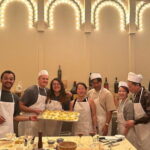


Geko Art Studio on Via Coluccio Salutati
You’ll meet at Via Coluccio Salutati, 3r, 50126 Firenze FI. The location is handy for a day of Florence exploring because you’re not stuck far from public transportation.
This is a private activity, meaning it’s just your group. That’s a big deal in a workshop like this, where questions pop up fast: how thick to apply plaster, how to shape outlines, when to pause, and how to handle paint that won’t behave the same way as canvas.
Communication and coordination run through the studio (with WhatsApp contact after booking). You also arrange the start time directly with them, since the exact times are not posted ahead of time.
The 3-Hour Flow: Lime Plaster, Painting, and a Finished Souvenir
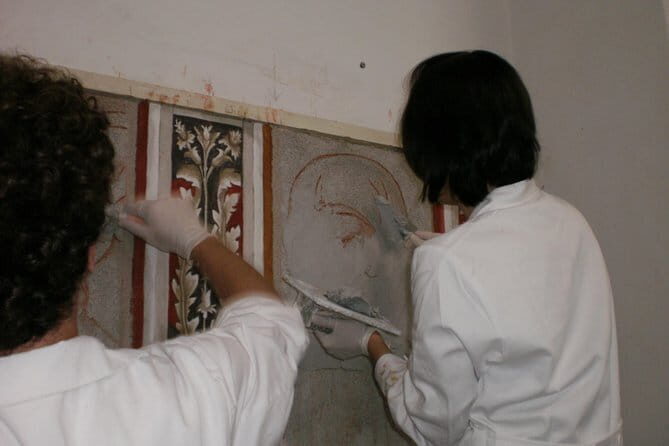
There’s a natural rhythm to fresco painting, and the class follows it. The goal is to get you from materials to a completed piece without rushing the hard parts.
First, you get taught the fresco method and what you’re about to do. The workshop focuses on the ancient technique, using the medieval recipe of Cennino Cennini as the guiding framework. This is one of those details that makes the class feel grounded: you are not just copying a pretty style, you’re making a fresco the way it was approached centuries ago.
Next comes the hands-on work. You create your small fresco on plaster that’s freshly laid (wet lime plaster). You’ll learn how pigments are combined with water and then applied so they fuse as the plaster dries. You can expect support with outlines and painting decisions, especially if you’re starting from scratch.
Then there’s the setting time. As the plaster dries, you get a breather. Many sessions include a coffee and pastry stop nearby, with relaxed conversation while the work sets. After that pause, you return to continue painting with guidance.
Finally, your fresco is finished, and the studio carefully packs it so you can take it home. This is one of the most practical souvenirs I know: you leave with something you made, not just something you photographed.
What You Can Create Depending on Your Level
You have flexibility. If you’re new to painting, you can produce a straightforward design that still feels truly Renaissance. If you paint already, you can push toward more complex imagery like detailed facial features or anatomical-style elements.
If you want the extra complexity, plan around the 3-hour limit. The class is designed to fit that window, and the studio charges €40 for each additional hour if you go beyond it.
Why Cennino Cennini Still Feels Practical in 2026
Cennino Cennini is not a name you drop for decoration. In a fresco workshop, the medieval approach helps you understand the logic behind the technique: plaster preparation, pigment behavior, and how the final look develops as the wall takes the painting.
This class leans into that by teaching you how the materials connect. You learn that fresco is not only about drawing well. It’s also about controlling ingredients and timing. The result is that once you’ve done it, Florence frescoes stop being distant monuments. They become something you can interpret.
You also get a fresh respect for the craft in churches, palaces, and museums. Fresco looks crisp from a distance, but up close it’s a system of decisions made under real constraints.
- Tuscany Day Trip from Florence: Siena, San Gimignano, Pisa and Lunch at a Winery
★ 5.0 · 21,634 reviews - The Best tour in Florence: Renaissance & Medici Tales – guided by a STORYTELLER
★ 5.0 · 12,316 reviews



Instruction Style: One-on-One, Patient, and Built for Real People
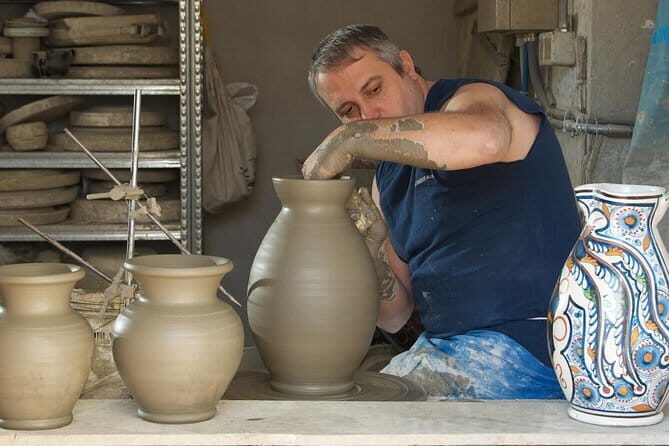
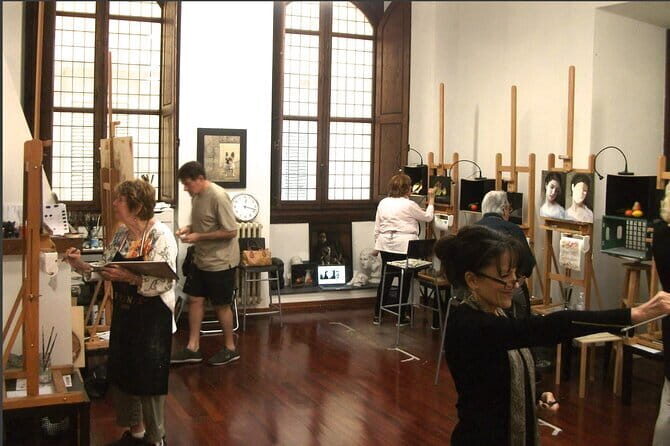
Fresco can sound intimidating, but the format is built to keep it workable. You’re in a private setting with one-on-one attention from the instructor team. Instructors you may work with include Claudia and Eleonora, who bring energy and practical teaching, and the studio is associated with Octavio Palomino.
What I like about this setup is that it’s not “watch me, then good luck.” You get guidance during the steps that usually trip people up: getting the plaster right, building your image with the medium’s limitations, and adjusting for your comfort level.
If you like hands-on learning (or you want to get out of your comfort zone in a safe way), this is one of the best ways to do it in Florence. You still leave with something you can be proud of, not just a lesson you’ll forget.
Coffee While Your Fresco Dries: A Nice Florence Pace
A workshop can feel long when you’re stuck waiting around. Here, the drying time is turned into an easy pause.
Many classes include a short trip to a local coffee shop for a treat and conversation while the plaster dries. It’s a human moment in the middle of a technical process. And the studio team is described as warm and welcoming, which matters when you’re learning something that can’t be rushed.
If you want a slow, real-feeling afternoon, this pacing helps. You get creativity, instruction, and a calm break, all in one outing.
Take It Home: Packing, Souvenirs, and Shipping Reality
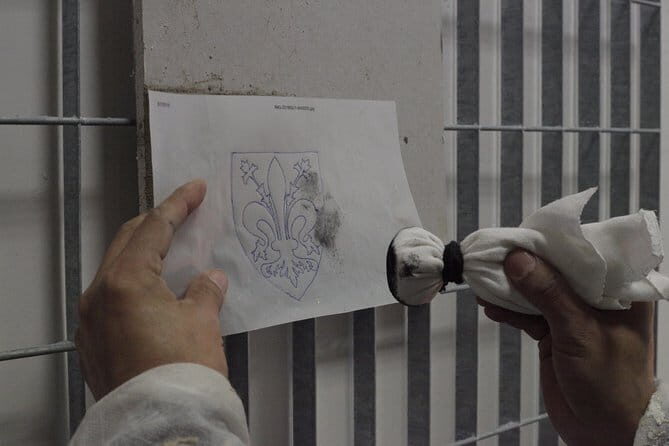
You will take home a finished fresco souvenir. The atelier packs it carefully so it’s easier to transport on your trip.
The big caveat is shipping. Shipping costs are not included. If you want the studio to mail your piece, you’ll need to pay the shipping separately.
So when deciding how to handle your fresco at the end, think like a traveler, not a painter. Ask yourself how much room you have in your luggage and whether you want the hassle avoided. If you are traveling with limited baggage, plan for the possibility that shipping may be worth it.
Price and Value: Is $475.62 Worth It?
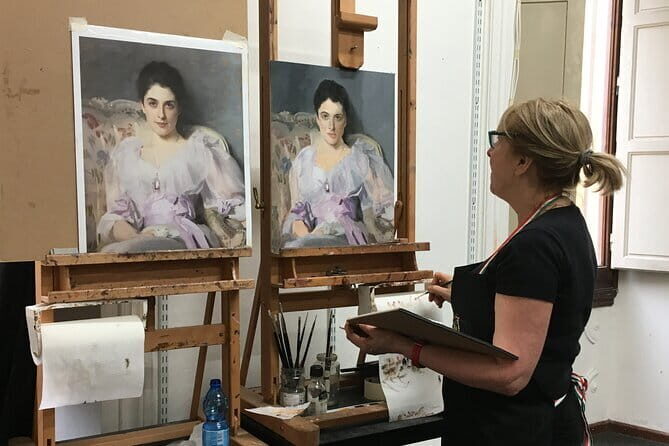
At $475.62 per person, this class is not a bargain. You’re paying for a private workshop, expert instruction, and materials that would cost money to buy separately.
Here’s why it can still feel like value:
- Materials are included, including pigments and supplies. You are not forced to purchase tools mid-trip.
- You get a take-home artwork, not just a skill lesson.
- Private instruction means time spent on your questions and your piece, which you usually don’t get in group classes.
- Technique depth matters. Fresco is not paint-on-paper. Learning the plaster-and-pigment approach is the main event.
The price also makes sense because it’s tied to labor and preparation. You’re not only learning; you’re producing a physical object with a process that takes careful handling.
The drawback is simple: if you’re only in Florence for quick photo stops and you do not enjoy hands-on activities, the cost can feel steep. But if you like making things with your hands, this is a strong use of vacation time.
Who Should Book This Fresco Painting Class?
This workshop is a great match if you want your Florence visit to include something physical and memorable. It fits well if you’re curious about how Renaissance art was made, and you want to learn the real technique, not just admire it.
You’ll likely enjoy it most if:
- you want a break from museums and want to make art
- you like step-by-step instruction
- you travel with someone else who enjoys creative activities
- you want a meaningful souvenir that looks like it came from a real studio, not a souvenir shelf
It’s also a good choice for beginners. The class is designed so most people can participate, and instruction is patient about helping you get results. If you’re more advanced, you’ll have room to add detail, especially if you consider the option of additional hours.
Small Logistics to Know Before You Go
Starting times are arranged directly with the studio after booking. You’ll need to provide a valid WhatsApp number so they can contact you.
The meeting point is Via Coluccio Salutati, 3r. The experience ends back there. The studio is near public transportation, and service animals are allowed. Most travelers can participate, so it’s not limited to hardcore artists.
Also, remember the shipping detail: it’s not included in the price.
Should You Book This Fresco Workshop in Florence?
If you want one Florence activity that gives you a souvenir and a deeper understanding at the same time, I’d say yes. The technique is hands-on, the instruction is personal, and the final result is something you can keep in your home.
Book it if you like creative work and you want to learn what fresco actually requires: timing, plaster behavior, and pigment control. If you only want casual entertainment, the cost and the time structure may feel like too much.
One practical tip: since booking is often done about 66 days in advance, you’ll feel better if you plan your dates early and pick a time window that fits a focused 3-hour workshop.
FAQ
How long is the fresco painting class?
The class lasts about 3 hours.
Is this a private class or a group tour?
This is a private tour/activity. Only your group participates.
What does the class include?
All painting supplies, including pigments and materials, are included.
Do I need to bring my own art supplies?
No. The studio provides the materials and pigments, so you can focus on learning and painting.
What if I want to paint something more complex than fits in 3 hours?
If the session runs longer than 3 hours, each additional hour costs €40 and can be paid directly at the studio.
Can I arrange the start time?
Yes. Starting times are arranged directly with the studio after you book.
Where does the class take place?
The meeting point is Via Coluccio Salutati, 3r, 50126 Firenze FI, Italy. The activity ends back at the meeting point.
Can the fresco be shipped to me?
Shipping cost is not included. If you want it mailed, you would need to pay shipping separately.
Is cancellation free?
Yes. Free cancellation is available up to 24 hours in advance for a full refund.
More Workshops & Classes in Florence


More Tour Reviews in Florence
- Tuscany Day Trip from Florence: Siena, San Gimignano, Pisa and Lunch at a Winery
★ 5.0 · 21,634 reviews - The Best tour in Florence: Renaissance & Medici Tales – guided by a STORYTELLER
★ 5.0 · 12,316 reviews