REVIEW · LUCCA
Lucca: Fresh Pasta-Making Class at a Local’s Home
Book on GetYourGuide →Operated by Cesarine · Bookable on GetYourGuide
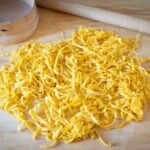
Cooking starts with a roll of dough.
This Lucca fresh pasta-making class in Tuscany is special because you learn in a real local’s home, not a showroom kitchen, and you work with a certified home cook who teaches you the techniques behind regional pasta. I also like the small-group feel (up to 8 people), since it keeps the pace friendly and questions actually get answered. One thing to keep in mind: the exact set of dishes can vary a bit, and some guests reported learning two pasta dishes plus an appetizer, so I’d plan to confirm what will be on your menu after you book.
In practical terms, you get a full 3-hour hands-on session with a workstation set up for you, then you sit down and eat everything you made, plus a complimentary glass of wine. It’s the kind of experience where you don’t just watch—you leave with the muscle memory of making dough and shaping pasta yourself.
In This Review
- Key Highlights You’ll Care About
- Fresh Pasta in a Lucca Home: What Makes It Worth Your Time
- What You’ll Make: Three Dishes and the Hands-On Learning Curve
- Your Host, Your Classroom: How the Small Group Helps You Learn Pasta Faster
- The Meal Part: Eating Your Pasta and Why That Changes Everything
- Price and Value: Is $202.78 Per Person Fair for Lucca Pasta Lessons?
- Logistics That Matter: Timing, Meeting Point, and What to Plan for
- What to Expect During Those 3 Hours (So You’re Not Guessing)
- Who This Lucca Pasta Class Suits Best
- Quick Practical Tips Before You Go
- Should You Book This Fresh Pasta-Making Class in Lucca?
Key Highlights You’ll Care About
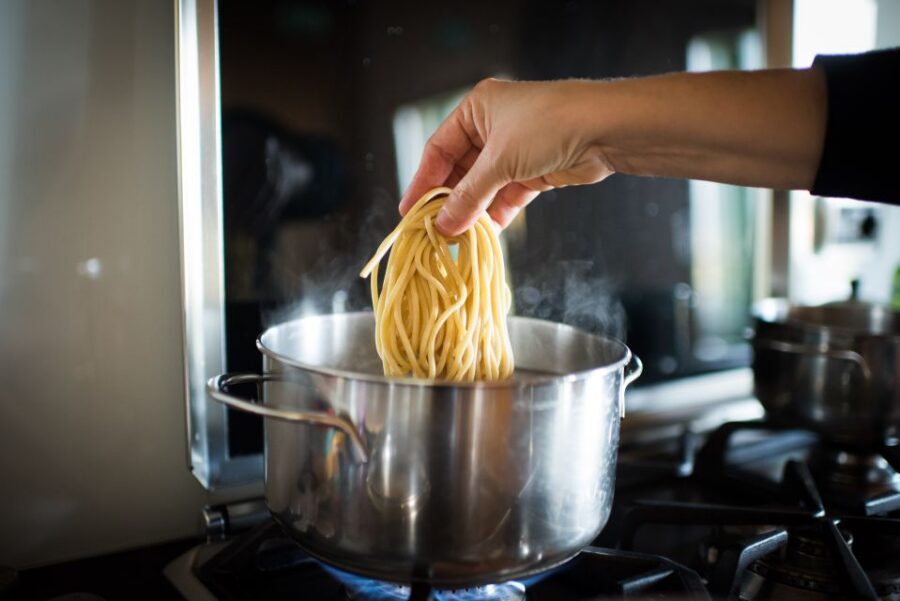
- Local home setting in Lucca: You’ll learn how Italians actually cook, in a real kitchen, with a relaxed rhythm.
- Up to 8 people: Small group size makes it easier to keep your technique on track.
- Three pasta dishes plus wine: The class is tied directly to eating what you produce.
- Hosts named Silvia and Genevra: Reviews consistently praise the personality and teaching style of the hosts.
- English support with Italian instruction: You can get help in English, with Italian included.
Fresh Pasta in a Lucca Home: What Makes It Worth Your Time
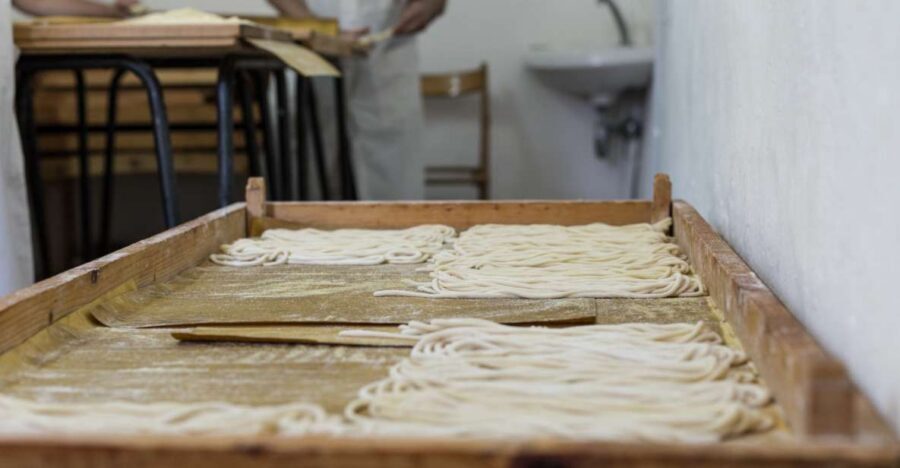
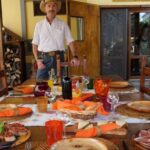
Lucca is a great base for slower Tuscany days, and this class fits the “do less, enjoy more” travel style. The best part is the setting: the activity starts at your host’s home, with the address sent after booking. That instantly changes the feel. You’re not herded through a script. You’re welcomed into a household kitchen, where cooking is normal life—not an act.
What you’re really buying is time with food people. A good pasta teacher can explain dough texture, resting time, and how flour behaves. But the home setting matters because it’s where you’ll see the everyday workflow: how ingredients are laid out, how a workstation is prepared, and how people taste as they go. That’s how you learn faster than from a generic demonstration.
Also, the group size helps. With only up to 8 participants, you should be able to get your hands corrected in real time. In bigger classes, you often end up waiting your turn. Here, the pace is tighter, which is important when you’re working with dough and it starts to change as you handle it.
You can also read our reviews of more tours and experiences in Lucca
What You’ll Make: Three Dishes and the Hands-On Learning Curve
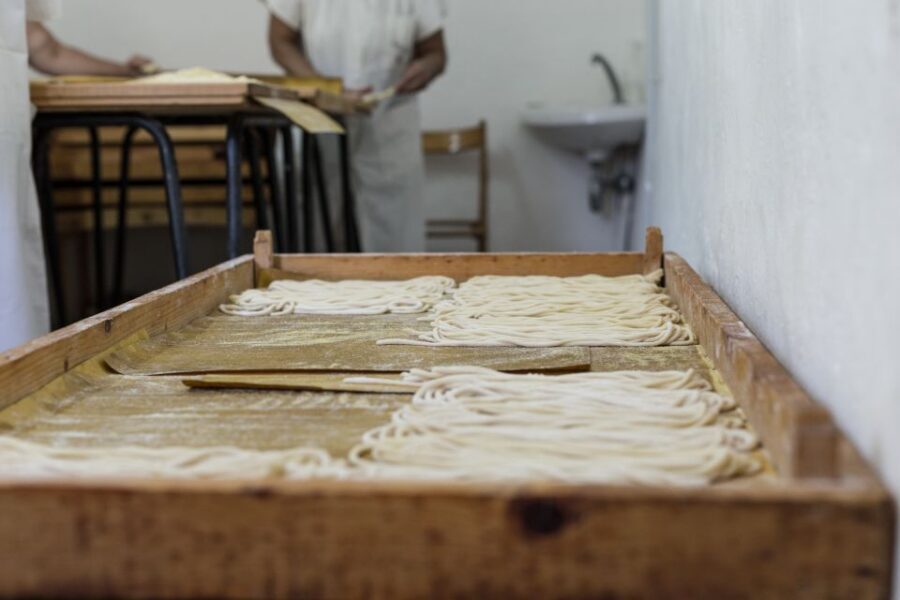
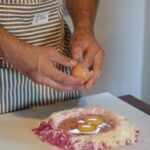
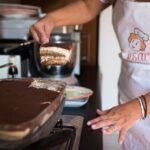
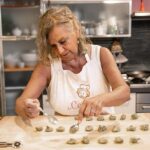
The class is structured around making three local pasta dishes, and the setup is designed so you can get cooking without hunting for tools or ingredients. You’ll have a workstation prepared with what you need, which is a big quality-of-life detail. It means your attention stays on technique: mixing, kneading, shaping, and then cooking.
Here’s the part you should pay attention to: while the experience is advertised as three pasta dishes, some guests described learning two pasta dishes plus an appetizer. That doesn’t mean the class is a bait-and-switch—it more likely means the exact menu can shift. Families cook differently, seasons affect ingredients, and a host may adjust based on what works best that day.
So what can you do? When you confirm details after booking, ask a simple question: what are the three pasta dishes you’ll prepare on your date? If you have dietary limits, share them upfront. The experience specifically asks you to advise of any dietary requirements at booking, so it’s worth doing early.
Even if the menu shifts slightly, the core takeaway stays consistent: you learn how to make fresh pasta dough and then turn it into real dishes you can recreate later at home. And because you’ll eat what you make, you get instant feedback. If your dough is a little thick, you’ll feel it. If a sauce needs more something, you’ll taste it. That’s learning with a spoon.
Your Host, Your Classroom: How the Small Group Helps You Learn Pasta Faster
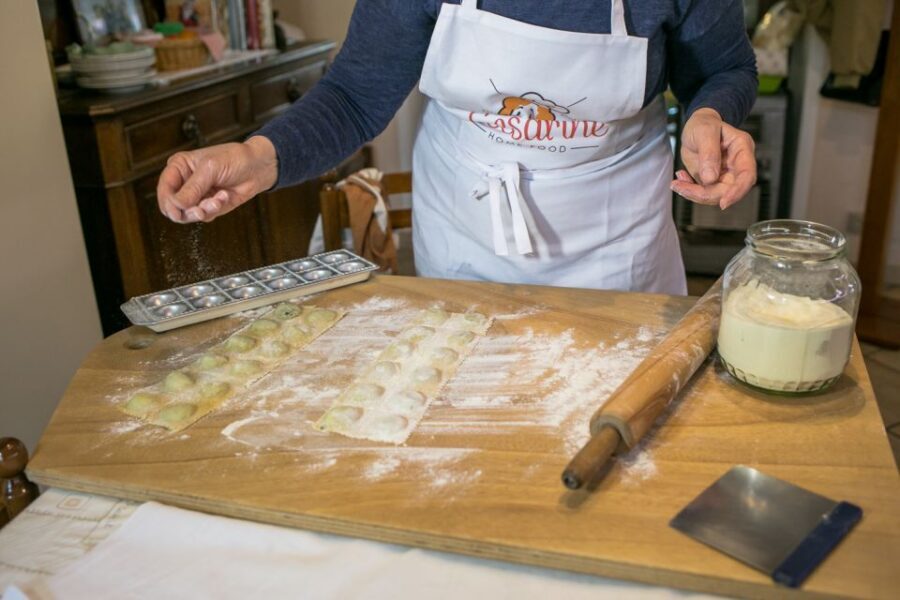
Your instructor is described as a certified home cook, with Italian and English support. That matters in a food class because most of the “secret” is tactile, not theoretical. You can read about pasta dough, but a teacher needs to show you what the dough should feel like and help correct it when it’s off.
The reviews add a personal layer here. Hosts like Silvia and Genevra come up in feedback for being friendly and knowledgeable, and for making the experience feel like a genuine family-style lesson rather than a formal cooking lecture. When a host is good, you relax. When you’re relaxed, you knead better. That might sound silly, but dough work rewards calm.
You’re also dealing with a time-sensitive process. Dough can be forgiving, but pasta-making is still hands-on and time-based. With a small group, the teacher can keep everyone moving without rushing. That’s how you get results within a single 3-hour session.
The Meal Part: Eating Your Pasta and Why That Changes Everything
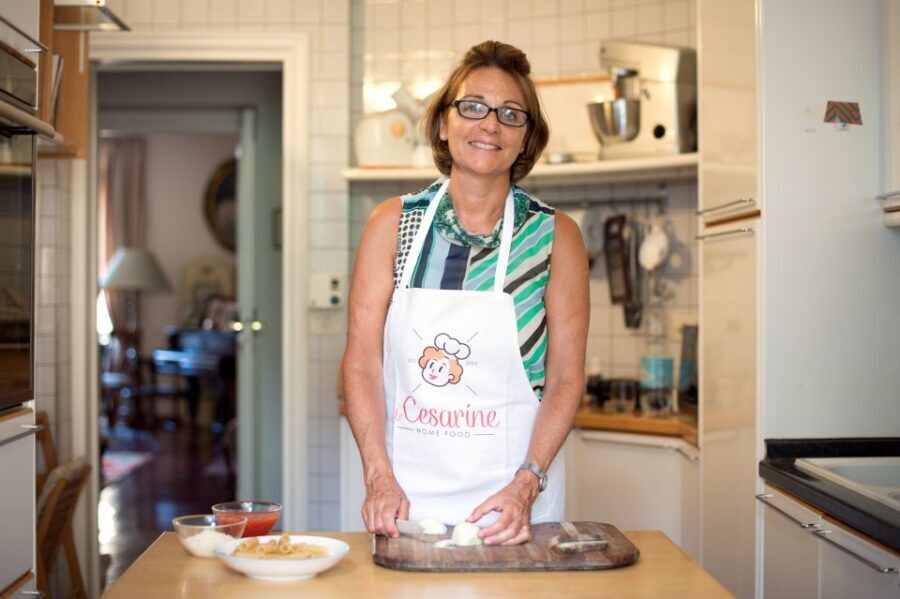
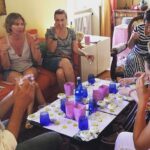
Many cooking classes end with a few bites and a polite thanks. This one is built around a meal. After you cook, you tuck in to everything you prepared, plus a complimentary glass of wine.
That “eat your work” structure is where you really understand what you did. Pasta is not just about the shape. It’s about how dough and cooking method translate into texture. If your pasta is too soft, it’ll collapse on the plate. If it’s undercooked, it’ll taste chalky. If you nail it, it’s satisfying in a way that no photo can show you.
The wine also helps set the tone. It’s not positioned as a party—more like a small local touch that makes the table feel Italian. For you, it means you can slow down after hands-on work and actually enjoy the results, instead of spending the end of the class cleaning up and rushing out.
Price and Value: Is $202.78 Per Person Fair for Lucca Pasta Lessons?
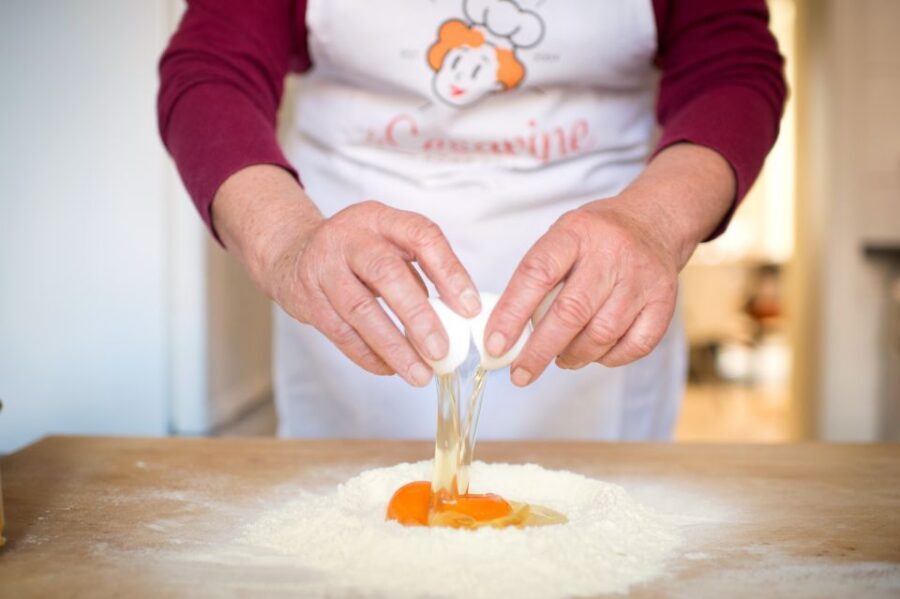
Let’s talk money without pretending pasta is cheap. At $202.78 per person, this isn’t a “pick-up a snack and watch a demo” activity. You’re paying for several things at once:
- A real home kitchen experience with a certified host
- A small group size (up to 8), which keeps instruction personal
- Three local pasta dishes plus drinks
- A full 3-hour learning window so you do more than one quick step
That combo can feel pricey if you compare it to supermarket cooking videos or a basic group tour. But compare it to what you’d spend doing similar activities in Italy: a guided class with real food costs real money, and the home setting is often the differentiator.
From a value standpoint, this class earns its price by making food part of the instruction. You’re not just learning technique; you’re also eating the output. And the hands-on element is time-efficient because everything is set up for you in advance at the workstation.
If your goal is to leave with a memorable skill you can actually repeat, this price starts to make sense. If your goal is only to sample Italian food, you might prefer a restaurant meal for less. The decision comes down to what you want to take home.


Logistics That Matter: Timing, Meeting Point, and What to Plan for
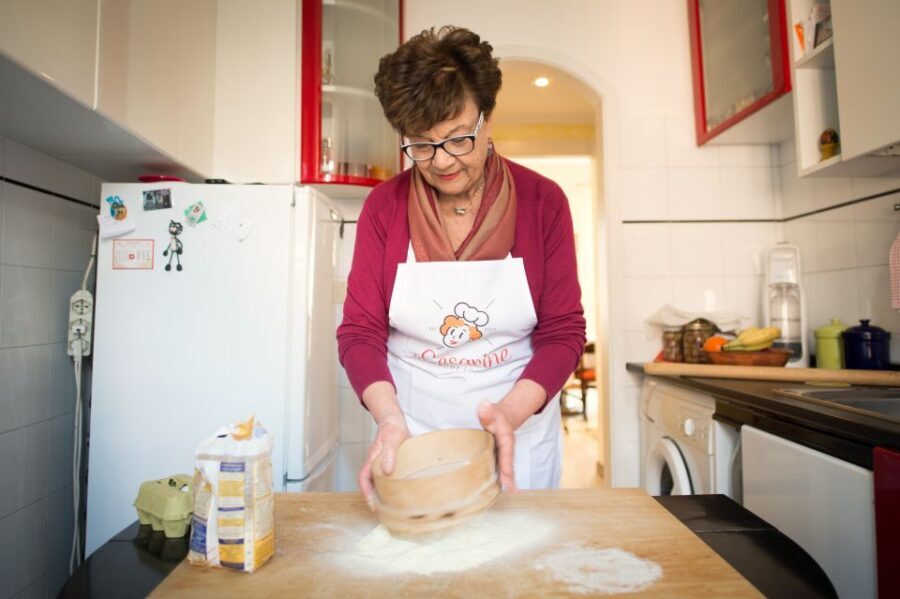
The meeting point is your host’s home in Lucca, and the exact address is shared after booking. The class starts at either 10:00 am or 5:00 pm, but timings are flexible depending on your travel requirements. Plan on the full experience being about 3 hours, and know it ends back at the meeting point.
A practical note: because the address arrives after booking, keep it in mind when you’re arranging your day. Don’t schedule a tight connection right before class time, and give yourself a little buffer to find the home location calmly.
Also, tell the host about dietary requirements when booking. The activity explicitly asks you to advise of any dietary requirements, and that’s important for a pasta class where flour, fillings, and sauce choices can affect what’s possible.
What to Expect During Those 3 Hours (So You’re Not Guessing)
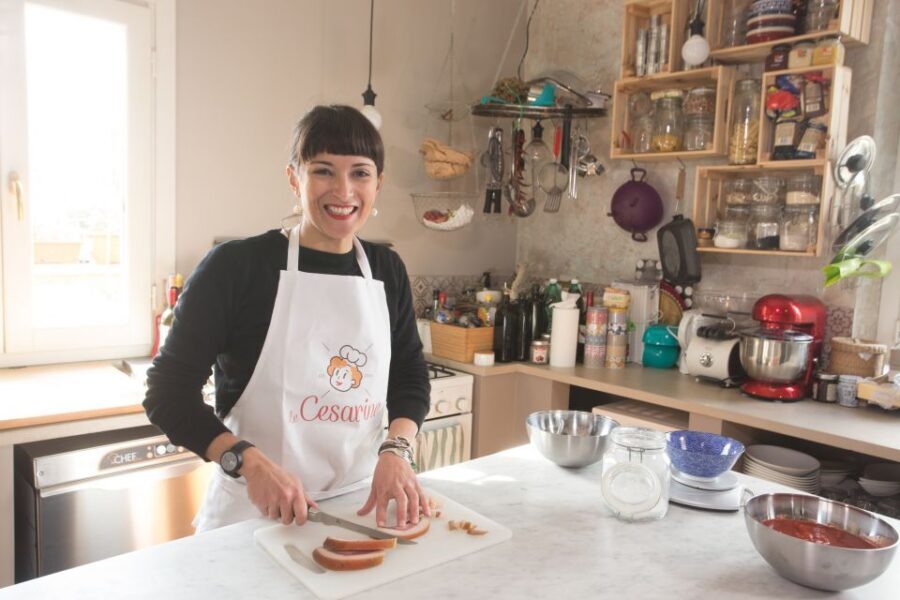
Even without a minute-by-minute schedule listed, you can expect a classic pasta class flow:
- Warm welcome and instruction from your Italian/English host
- Workstation setup with ingredients and utensils ready for you
- Fresh dough steps: mixing and kneading until it behaves correctly
- Shaping steps to create the pasta forms for your dishes
- Cooking and finishing so you can eat together
- Meal time with your creations and a complimentary glass of wine
The key benefit is that the class doesn’t treat pasta-making as a side hobby. It’s treated like a real craft: you get guided, you get hands-on, and you get to eat the outcome.
Who This Lucca Pasta Class Suits Best
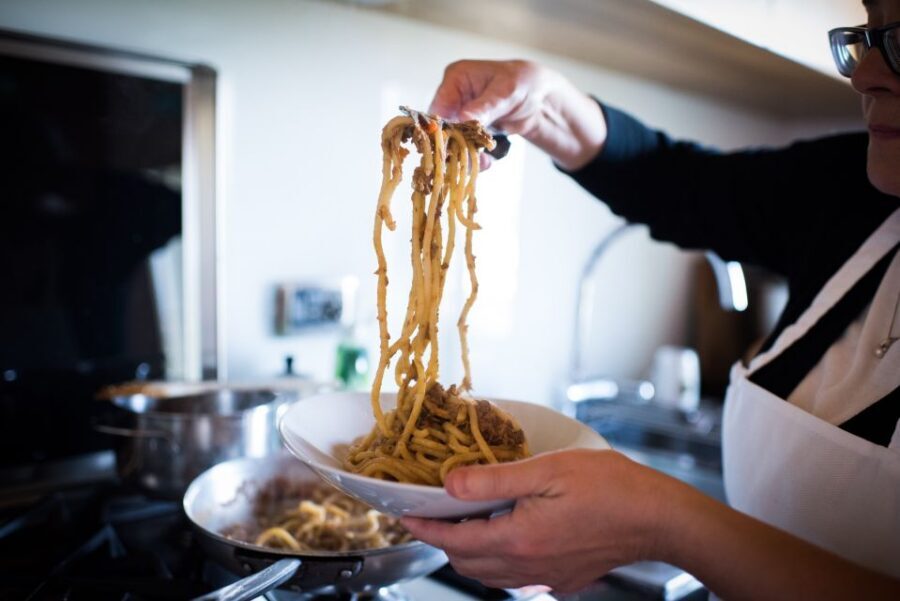
This experience fits best if you like cooking and want something more interactive than a typical tasting. It also works well if you enjoy home-style learning—watching how ingredients are handled and how a host teaches through repetition and correction.
It may not be the best match if you:
- Need a highly rigid menu with no changes (some guests noted the dish lineup can differ slightly day to day)
- Want an ultra-fast experience where you do only one small step
- Are traveling with someone who hates hands-on cooking and cleanup (even though tools are provided, you will be making pasta)
For most people, though, it’s an excellent fit for a Tuscany trip focused on real culture. You’ll also be glad it’s small group and 3 hours—long enough to learn real technique, short enough to still enjoy the rest of your day in Lucca.
Quick Practical Tips Before You Go
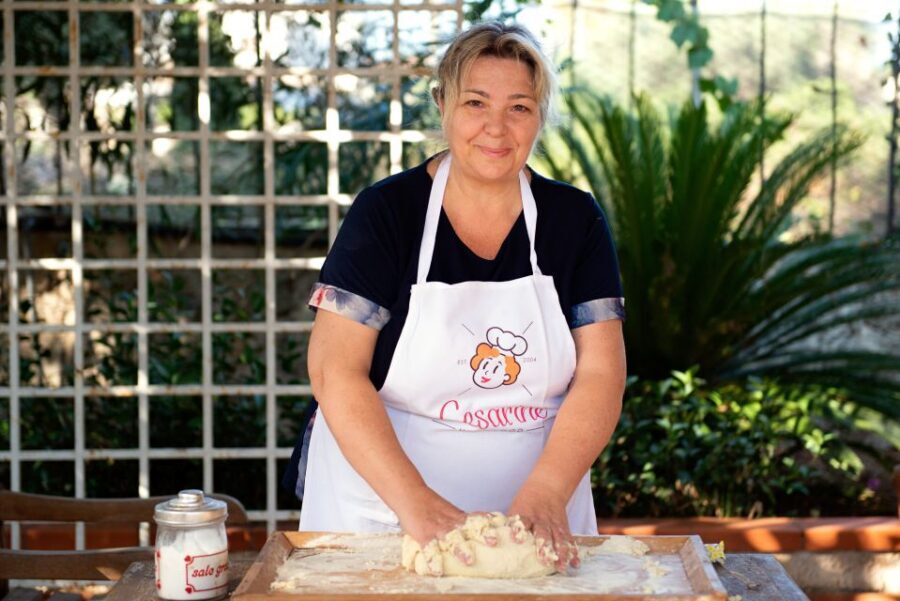
A few things will make your class smoother:
- Ask what pasta dishes you’ll make for your date, since menu details can vary.
- Share dietary needs early so the host can plan appropriately.
- Arrive ready to work with dough—this is not a sit-and-watch activity.
- Plan your day around a full 3-hour block, with an easy buffer before and after.
- Expect English support alongside Italian instruction, but don’t rely on perfect translation for every nuance—watching your host’s hands helps.
And one more small mindset tip: pasta-making is a craft. Your first attempt might not look identical to the example dough, and that’s normal. Focus on feel and don’t panic about perfection. The best classes teach you how to adjust.
Should You Book This Fresh Pasta-Making Class in Lucca?
Yes, I think you should book it if you want an Italian experience that’s hands-on, tasty, and social in a small, human way. The combination of a certified home cook, a small group, and the fact that you eat what you make is the real win. The reviews also reinforce that the hosts (including Silvia and Genevra) tend to be friendly and good teachers, which makes the whole session feel welcoming.
I’d hold off or ask extra questions if you’re a picky menu planner. Because some guests noted a slight mismatch between the number of pasta dishes described and what they experienced, confirm your date’s dish list when you can. Also, if your travel style is mostly “see sights, minimal mess,” a pasta class may not match your preferred vibe.
If you want a practical skill you can use at home—and a meal that tastes like something you actually made—this Lucca pasta class is a strong choice.