REVIEW · LUCCA
Lucca: Musical Walking Tour with Puccini Museum Visit
Book on GetYourGuide →Operated by Coop. Turislucca · Bookable on GetYourGuide
A Lucca music tour hits differently when you hear the city as you walk. This one threads together Teatro del Giglio interior access and guided musical excerpts, tying together Puccini, Boccherini, and even modern legends connected to real stages in town. It’s not just names on a plaque; the guide builds a soundtrack as you go.
Two things I really like: you get inside the Teatro del Giglio (not just outside photos), and the route connects composers with performance culture across centuries. When the guide has energy, it lands. In fact, one of the guides mentioned in feedback, Vitoria, stands out for passion and drive—exactly the kind of storytelling that makes the stops feel personal.
One consideration: the big museums/venues are not fully included in the base price, so you should plan for extra entrance tickets at the time of the tour (the info states 5 euros for museum tickets sold by your guide).
In This Review
- Key highlights worth your shoes
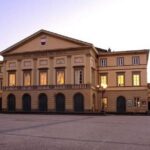
- Starting at Teatro del Giglio: the route begins with real stage energy
- The walk through musical Lucca: from Puccini to pop icons
- Entering Teatro del Giglio: architecture you can actually feel
- San Martino Cathedral facade: the composer-making machine
- Luigi Boccherini Conservatory: a stop with a personal name
- Piazza dell’Anfiteatro: Roman oval to later performances
- Paganini’s Lucca residence: the serenade moment
- Puccini Museum: the end stop that makes the whole story click
- Price and value for a 2-hour Lucca musical walk
- Who should book this tour (and who might skip it)
- Should you book the Lucca Musical Walking Tour with Puccini Museum?
- FAQ
- How long is the Lucca musical walking tour?
- Where do I meet for the tour?
- Is the price per person?
- Are Teatro del Giglio and the Puccini Museum entrance fees included?
- How much are the museum entrance tickets if I buy them on the day?
- What languages is the live guide available in?
- What if Teatro del Giglio is closed?
- Is the tour accessible for wheelchair users?
- Are there any rules for children?
- FAQ
- What should I bring to the tour?
- Can I cancel for a full refund?
- Do I need to pay right away?
Key highlights worth your shoes
- Teatro del Giglio interior tour starting point, with the theater’s real atmosphere guiding the pace
- Musical excerpts built into the walk, so the route feels like a live mix, not a lecture
- Puccini Museum visit at the end, making the composer’s story feel complete
- Footsteps of performers from different eras, from classic Lucca figures to modern icons tied to local stages
- Piazza dell’Anfiteatro oval setting, with Roman history and later performance references
- Paganini-linked stop, where the tour connects local life to famous serenades
Starting at Teatro del Giglio: the route begins with real stage energy
Your tour kicks off at the ticket office of Teatro del Giglio. That matters, because it frames the whole experience. Lucca can look like a postcard city from the outside, but starting at a specific performance space tells you the tour isn’t chasing generic sights. It’s tracing how music shaped the city—and how the city kept welcoming performers.
As you meet your guide, you’ll get your bearings for the rest of the walk: think short transfers on foot, lots of listening, and stops that connect a place to a person or a performance tradition. The tour runs about 2 hours, so it’s designed to pack in key sites without turning into an all-day endurance event.
You’ll also notice the guide leads in English or Italian, and the tour is described as wheelchair accessible—though the same info also flags it as not suitable for people with mobility impairments. If you need mobility support, don’t guess. Ask the provider directly what “accessible” means in practice for this exact route and timing.
You can also read our reviews of more walking tours in Lucca

The walk through musical Lucca: from Puccini to pop icons
One of the smartest parts of this tour is how it mixes eras without making you do mental gymnastics. You’ll hear about Giacomo Puccini, plus other musical names strongly tied to Lucca. But you’ll also follow stop-by-stop connections to more recent famous performers tied to performance venues in town.
Outside the theater, the tour takes you to Piazza Napoleone, where performances by artists such as David Bowie, Elton John, and The Rolling Stones are part of the storyline. This is where you start to get a clear message: Lucca wasn’t only a place for classical composers. It’s a stage city, with layers of fame stacked over time.
The benefit for you is simple: instead of memorizing a list of composers, you learn how Lucca’s music identity evolved. And if you’re a music fan, you’ll like the way the guide uses musical excerpts to connect the dots. The result feels like a guided playlist tied to real streets.
Entering Teatro del Giglio: architecture you can actually feel
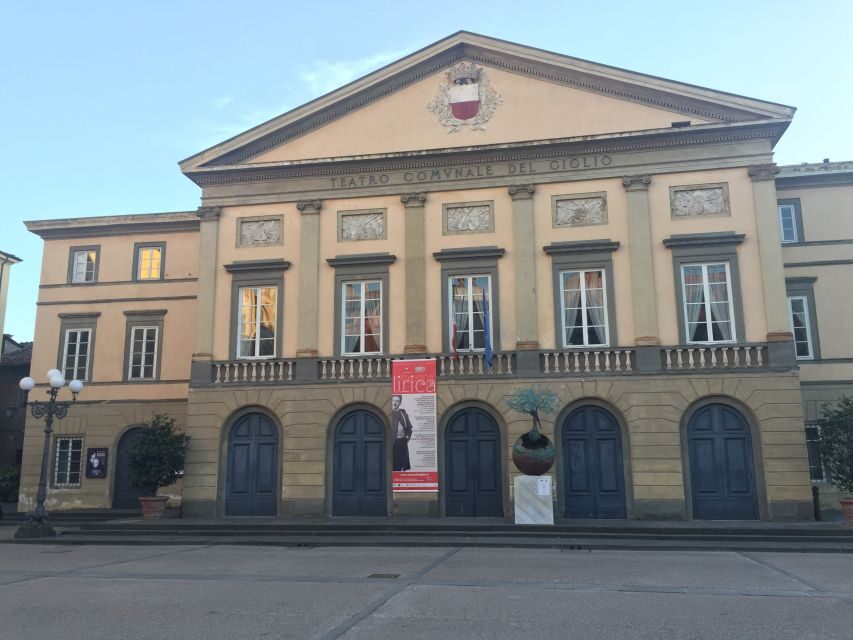
The highlight many people care about is the chance to see the interior of the Teatro del Giglio. The tour doesn’t treat the theater like a backdrop. It treats it like a character—its design and atmosphere matter because they explain why certain kinds of performances fit there and how the theater became a magnet for famous acts.
Inside, your guide walks you through what you’re looking at and why it matters. You’ll also get those musical excerpts woven into the tour timing. That pacing makes a difference. If you only tour buildings, it can turn into eye-candy. If you pair building details with sound, you start noticing how the space shapes what you hear.
Practical tip: wear comfortable shoes. The theater interior is the anchor, but you’ll still do a city walk before and after the interior segment.
There’s also a small contingency plan: if the theater is closed, the tour visits a place of equal musical interest instead. It’s a good sign the operator is thinking about your experience staying consistent, not disappearing because of access changes.
San Martino Cathedral facade: the composer-making machine
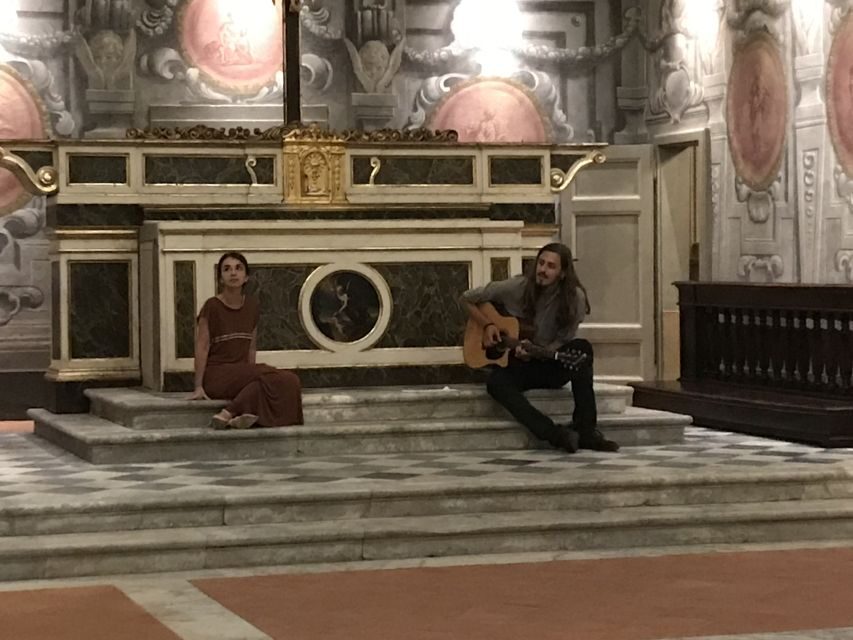
From the theater zone, you’ll move toward San Martino Cathedral, focusing on its facade and the idea that Lucca produced high-quality musicians over centuries. This stop works best when you treat it like a reminder: musical talent didn’t just “happen.” Cities build institutions, patronage, and training environments. Lucca’s big stops show you that infrastructure.
Even if you don’t know the local names, you’ll leave with a better sense of what the city valued. A cathedral facade might seem like a quick photo stop on a standard walking tour. Here, it becomes part of the same story as the theater: music as a tradition that’s woven into public spaces, not kept in private rooms.
Luigi Boccherini Conservatory: a stop with a personal name
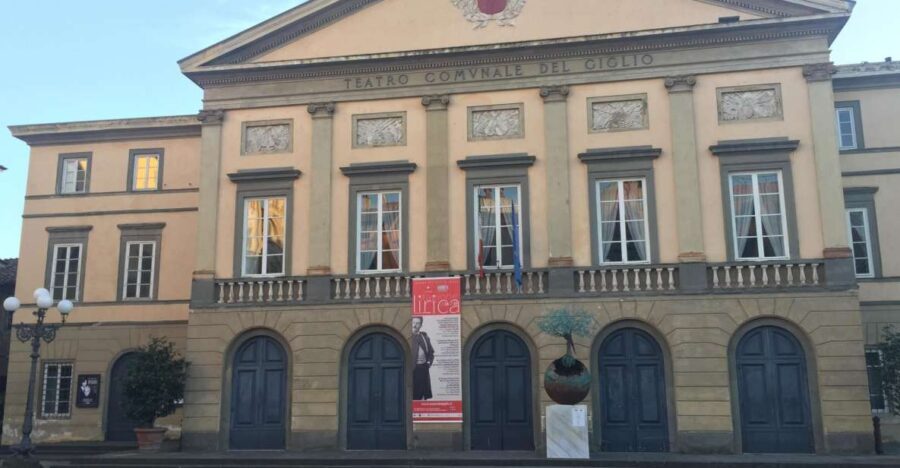
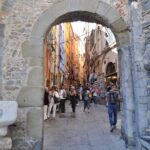
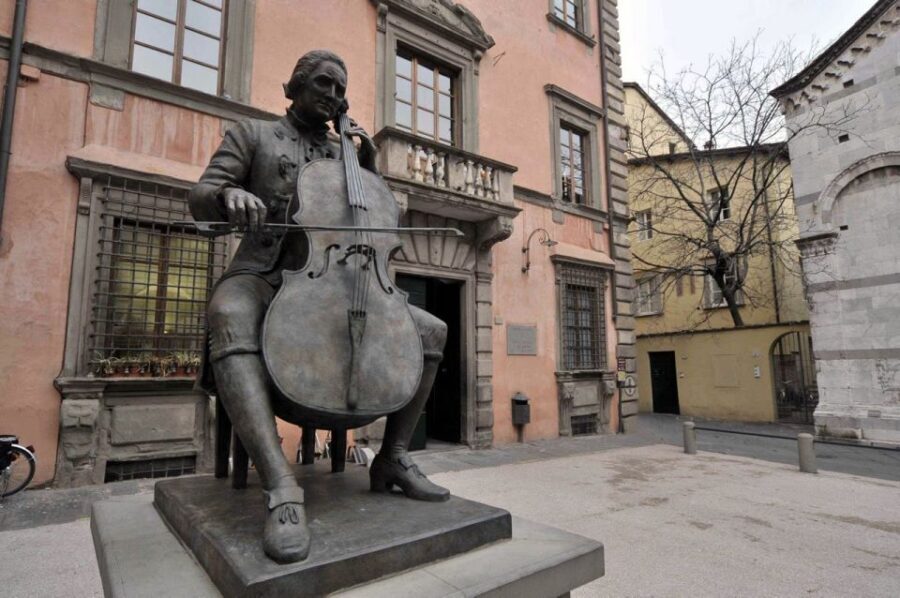
Next you’ll head along Lucca’s narrow medieval streets to the Luigi Boccherini Conservatory, named after the cellist and composer born in Lucca. This stop is a good example of why the tour’s structure works. You’re not just going from landmark to landmark. You’re moving along a thread that ties local geography to local musical lineage.
The “why” is important for you. Conservatories and training institutions are where a city converts reputation into future talent. So when you reach a building that carries Boccherini’s name, it reinforces a big theme: Lucca keeps honoring its musical roots while continuing to produce talent.
If you’re into classical music, this is one of the moments where the tour feels grounded and specific. If you’re more into contemporary artists, you still get the payoff because you’re seeing how the city’s stage culture connects to training and craft.



Piazza dell’Anfiteatro: Roman oval to later performances
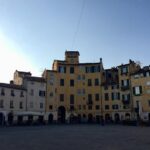
Lucca’s Piazza dell’Anfiteatro is an oval-shaped square with Roman connections—gladiators battled here in ancient times. What the tour does well is make you feel how a site can keep working even as the centuries change the purpose.
Later performance references are part of the explanation too, including artists such as Joe Cocker and Ray Charles. That pairing—Roman arena to modern concert culture—might sound like a party trick, but it’s actually a smart storytelling technique. It helps you understand that public stages have always been central to city life.
One drawback to consider: this part of the walk is more about interpretation than about seeing a single “wow” interior. If you prefer tours that focus only on inside access, you may feel that Piazza dell’Anfiteatro is more atmosphere plus story than a hands-on museum moment.
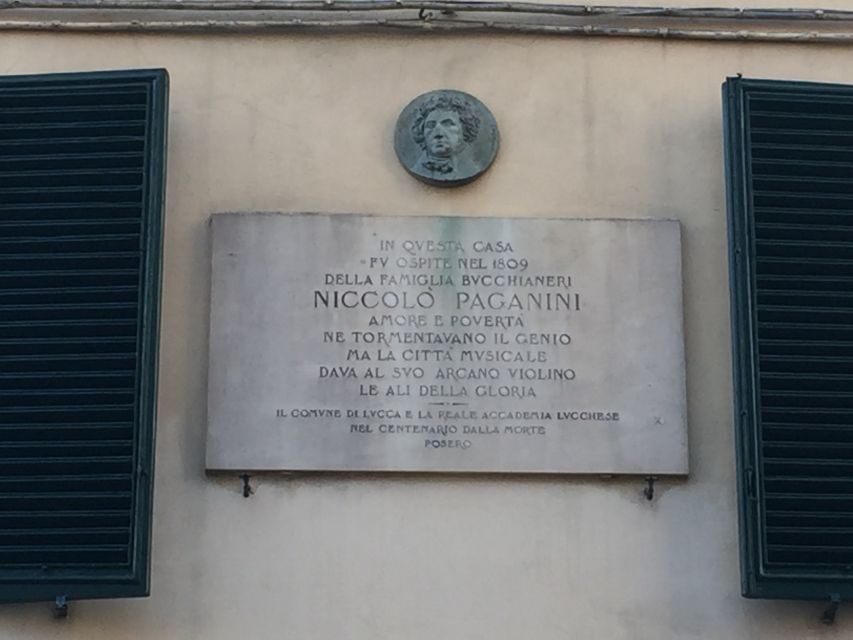
Paganini’s Lucca residence: the serenade moment
The tour then reaches the residence where Niccolò Paganini lived while in town. The guide uses this stop to connect local place to a famous guitar-and-violin serenade composed in Lucca, explained through the sound and style associated with him.
This is a stop that works especially well if you like the idea of music being tied to real daily life. It’s not just “Paganini existed.” You learn how Lucca mattered to him during a time when he was actively present. And because the tour includes musical excerpts, you’re not left guessing what the serenade might feel like.
Puccini Museum: the end stop that makes the whole story click
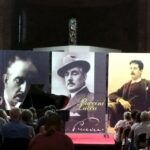
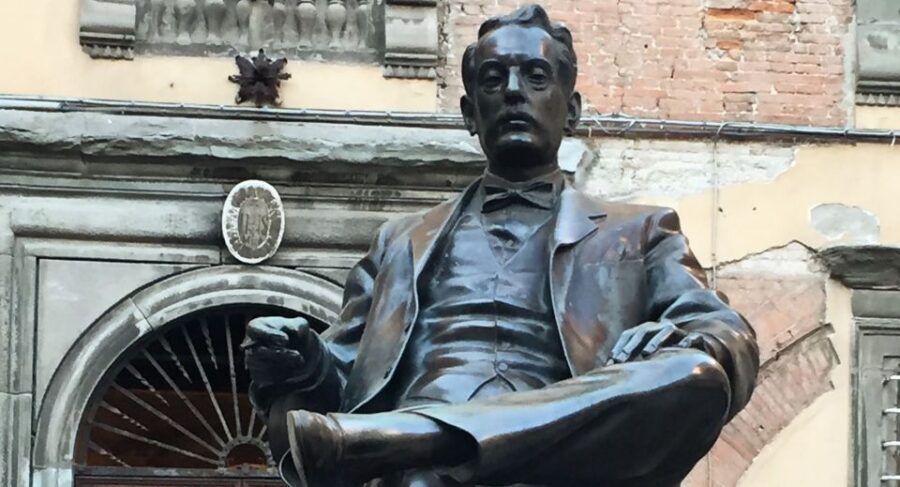
Your tour finishes at the Puccini birthplace, the last emotional and narrative anchor. This is where you see why the tour starts the way it does: the theater, the city’s performance spaces, and the broader music training tradition all lead you to Puccini.
For you, the value of ending at the Puccini Museum is that you get payoff after context. You’ve already heard how Lucca treated music like a serious identity. So the museum doesn’t feel like a random “composer room.” It feels like the source point.
One practical note: the museum entrance ticket is not included in the $34 base price. The info states you can purchase museum tickets on the day of the activity from your tour guide for 5 euros. That means your total cost may be closer to $39 (depending on exactly which entrances you’re paying for). It’s still reasonable, but it’s best to budget for it instead of being surprised at the finish.
Price and value for a 2-hour Lucca musical walk
The tour price is $34 per person for about 2 hours, and it includes a guided tour. The two main caveats are important for your planning:
- Entrance fees for the Teatro del Giglio and the Puccini birthplace museum are not included.
- The info says tickets can be purchased on the day with your guide for 5 euros.
Is it good value? For the right traveler, yes. You’re paying for three things most walking tours don’t fully deliver:
- Interior access (Teatro del Giglio) rather than just outside views
- Guided musical excerpts that turn a walk into an audio experience
- A themed route that connects classic composers to modern performers tied to real locations in Lucca
If you’re only looking for a general sightseeing stroll, this might feel more music-focused than you expected. If you’re a music fan, the structure and pacing make the price feel fair—especially because the tour is short enough to fit into a busy Lucca day.
Who should book this tour (and who might skip it)
Book it if you:
- love music and enjoy learning through sound, not just facts
- want one compact, high-focus activity instead of juggling multiple museum tickets
- like tours that link big names to specific places, streets, and buildings
Consider skipping if you:
- want mostly interior sights and minimal interpretation
- prefer tours with fully included museum pricing and no ticket add-ons
- don’t enjoy walking for about 2 hours on city streets (some routes include medieval narrow lanes)
Should you book the Lucca Musical Walking Tour with Puccini Museum?
I think you should book it if you’re visiting Lucca with a music in your head. The best moments are when the guide uses musical excerpts and ties each stop to a real venue or real person, from Puccini and Boccherini to performance culture references in places like Piazza Napoleone and Piazza dell’Anfiteatro. Ending at the Puccini birthplace helps the whole story land.
Just go in with one mindset: this is a guided theme walk with museum tickets as the add-on. If you budget that extra cost and bring comfortable shoes, you’ll likely feel like you got more than a sightseeing loop—you got Lucca’s sound mapped onto its streets.
FAQ
How long is the Lucca musical walking tour?
The duration is about 2 hours.
Where do I meet for the tour?
You meet at the ticket office of the Teatro del Giglio.
Is the price per person?
Yes, it’s priced per person at $34.
Are Teatro del Giglio and the Puccini Museum entrance fees included?
No. Entrance fees for Teatro del Giglio and the Puccini birthplace museum are not included.
How much are the museum entrance tickets if I buy them on the day?
The information says museum tickets can be purchased on the day of the activity from your tour guide for 5 euros.
What languages is the live guide available in?
The live tour guide is available in English and Italian.
What if Teatro del Giglio is closed?
If the theater is closed, the tour visits a place of equal musical interest instead.
Is the tour accessible for wheelchair users?
The activity information lists wheelchair accessible, but it also notes it is not suitable for people with mobility impairments. If you have mobility needs, you should check with the provider for how the route works in practice.
Are there any rules for children?
Children under 15 go free on the tour, but they will be required to pay the museum entrance fees.
FAQ
What should I bring to the tour?
Bring comfortable shoes and comfortable clothes.
Can I cancel for a full refund?
You can cancel up to 24 hours in advance for a full refund.
Do I need to pay right away?
You can reserve now and pay later, so you don’t pay immediately at booking.