REVIEW · PERUGIA
Pasta and Tiramisu class with Mamma in Spoleto
Book on Viator →Operated by Cesarine: Cooking Class · Bookable on Viator
Spoleto can be small on the map and big on flavor. This pasta and tiramisù class is a hands-on cooking session in a carefully chosen local home in town, guided by a Cesarine who teaches family techniques as you cook. It’s about the real process, not just watching food happen.
Two things I especially like: you make both dishes in one class, and the group stays small (max 12), which keeps the pace friendly and the questions coming. Also, hosts such as Chiara, Claudia, and Francesco are praised for making the whole evening feel warm and personal, along with clear instruction on local pasta habits and Italian customs.
One consideration: it’s still a cooking class with prep, hands-on time, and shared conversation, so if you want a quick photo stop or a strictly scripted “museum-style” tour, this may feel too slow and cozy.
In This Review
- Key things worth knowing
- A Spoleto home kitchen beats the studio vibe
- Your menu: pasta and tiramisù, made start to finish
- Cesarine hosts: the real ingredient is the welcome
- Timing that fits real travel days (and leaves you room)
- Getting to 06049 Spoleto: simple start, simple finish
- Small group size (max 12): why it’s better for learning
- What makes the experience feel authentic (not scripted)
- Price and value: $160.84 for two dishes you actually eat
- Who this is perfect for (and who should think twice)
- A smooth day plan: how to pair it with Spoleto time
- Should you book the Pasta and Tiramisu class with Mamma in Spoleto?
- FAQ
- How long is the Pasta and Tiramisu class in Spoleto?
- What will I make during the cooking class?
- Is the class taught in English?
- Where does the class start and end?
- How large is the group?
- Is there a mobile ticket?
- Is the meeting location near public transportation?
- What is the cancellation policy?
Key things worth knowing
- Hands-on pasta plus tiramisù: you leave with two iconic dishes you helped make
- Small-group setup (max 12): easier back-and-forth with your host
- English instruction: taught in English with a local home-cooking approach
- A true “home” setting in Spoleto: the class happens in local houses, not a demo kitchen
- About 3 hours: then you’re free for the rest of your day in town
A Spoleto home kitchen beats the studio vibe
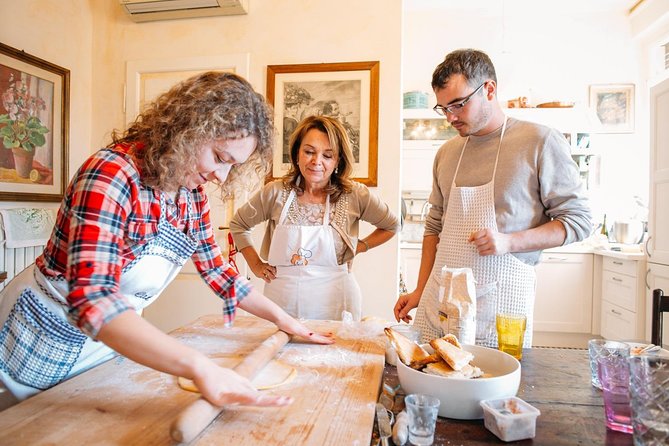
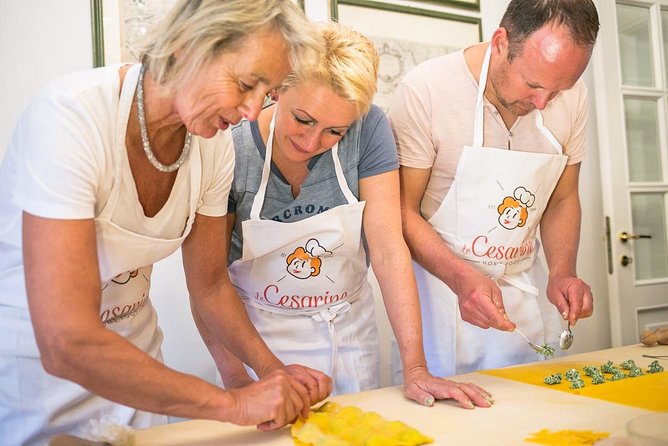
This cooking class is built around one simple idea: learn Italian food by doing it in a real local home kitchen. Instead of a big space where everyone stands back and takes notes, you cook as part of the flow of an actual household meal.
That makes the experience feel grounded. You get technique, but you also get context: how ingredients are handled, how a meal is paced, and how hosts talk about their own routines. Even the way the class is described—shared cooking in a selected local home—signals you’re stepping into a lived-in setting.
It’s also a solid choice if you want something more memorable than another guided walk. Spoleto is best when you mix “see” with “taste,” and this class does that without turning into a performance.
You can also read our reviews of more tours and experiences in Perugia.

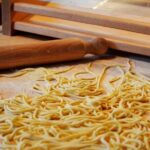

Your menu: pasta and tiramisù, made start to finish
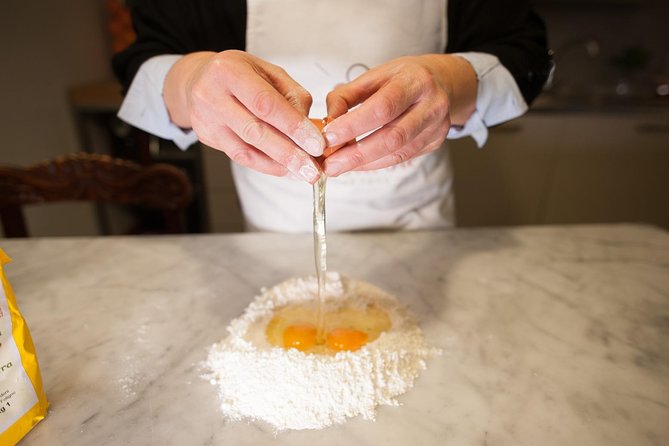
The class focuses on two hits from the Italian canon: pasta (main) and tiramisu (dessert). That pairing matters. Pasta teaching usually covers structure—mixing, kneading or shaping, then getting the cook time right—while tiramisù teaches patience and assembly, where textures and layering are the point.
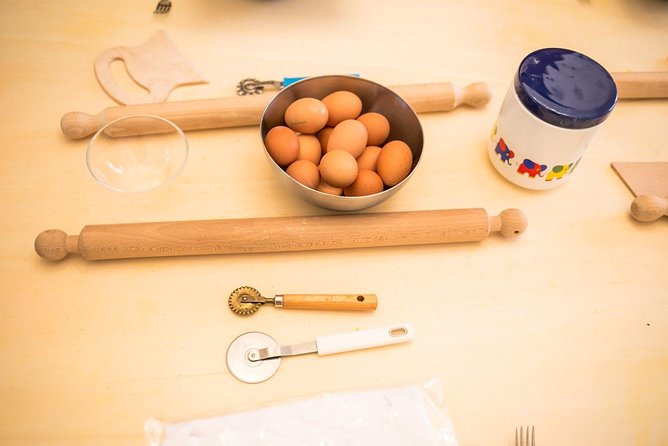
Here’s what this typically means for your day: you’ll get time at the work surface, not just tasting. The value is in repetition—doing the steps so you understand what changes when you adjust pressure, thickness, or timing. You also learn how to talk about food like locals do: not just what it is, but how it should feel.
What you’ll take away is not only the final results. The strongest feedback highlights that the hosts teach practical local pasta making techniques and that the instructions are clear enough to keep. One person even called out that the recipes were the kind you’ll want to use again later at home.
And yes, you eat what you make. This matters because it turns the class into an actual meal experience, not a short workshop with a light snack. When cooking is the activity, the food becomes part of the memory.
Cesarine hosts: the real ingredient is the welcome
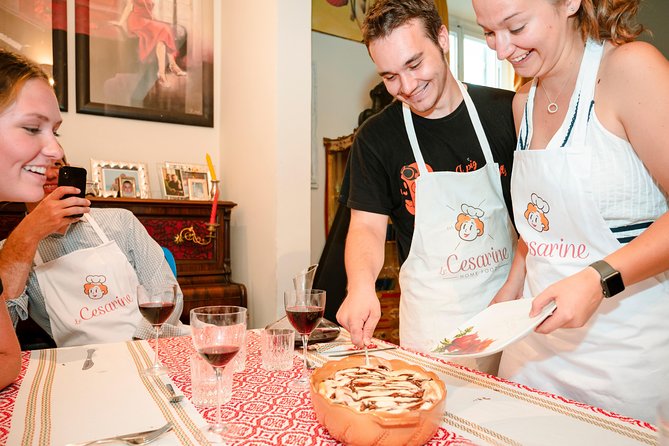
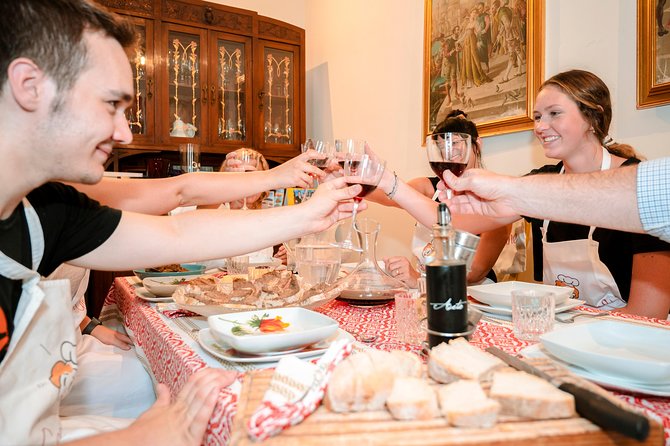
The Cesarine model is central here. Your host isn’t just teaching a recipe; they’re the guide to their home cooking world. In the feedback for this experience, people repeatedly mention hosts feeling like family and instruction that comes with warmth, conversation, and local customs.
Names that come up in strong ratings include Chiara, plus Claudia and Francesco. That’s not a small detail. In a cooking class, the person leading you can make the difference between a chore and a shared evening.
I like this style because it tends to produce two useful outcomes:
- You ask questions without feeling rushed.
- You leave with small habits, not just big “chef tips.”
One review praises local pasta techniques and Italian customs alongside the cooking. Another mentions the simplicity of the cooking and the richness of the food, with kindness from the hostess. That combination—clear steps plus a friendly pace—is exactly what you want when you’re learning something hands-on.
Timing that fits real travel days (and leaves you room)
The class runs about 3 hours. That length is a sweet spot. It’s long enough to actually cook and eat, but short enough that it doesn’t swallow your whole schedule.
Most importantly, it doesn’t trap your day. After the class, you get the rest of your time in Spoleto free. That gives you flexibility to pair this with a walk through old streets, a slow coffee, or a museum stop if the weather cooperates.
I also like that the class is described as returning back to the meeting point. That removes one common stress: you don’t have to plan a whole second leg of logistics right after cooking and eating.
Getting to 06049 Spoleto: simple start, simple finish
The meeting point is in 06049 Spoleto, Province of Perugia, Italy. That’s specific, and it helps you plan. The class ends back at the meeting point, which keeps things predictable after a meal.
Also, the experience notes it is near public transportation. In practice, this matters a lot in small historic towns where walking is great—but parking and direct routes can be hit or miss. If you’re using buses or trains in the region, being near transit makes the start of your class less of a gamble.
One more practical tip: when you’re cooking, you’ll want to move lightly. Wear comfortable shoes and plan for the fact that you’ll likely spend time in a home environment where you don’t need stiff, fancy clothes.


Small group size (max 12): why it’s better for learning
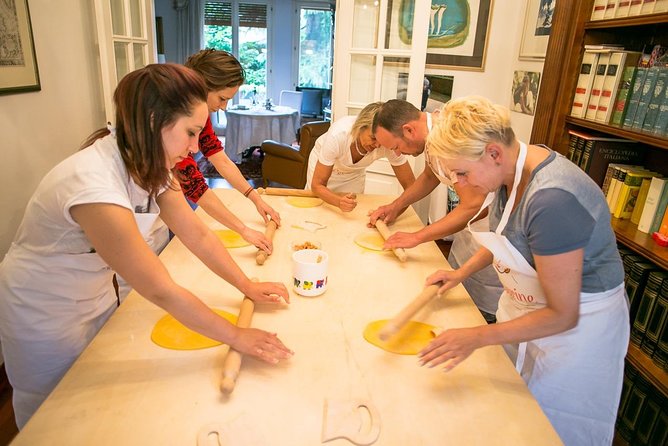
This class caps at 12 travelers. That’s big enough to have lively conversation, but small enough that you’re not lost in a crowd. In a pasta and tiramisù session, that size affects everything: how easily the host can check your technique, how fast you get answers, and how comfortable it feels to ask for help.
I’d pick small group over a large class every time for two reasons:
1) Pasta gets touch-sensitive. Thickness, handling, and timing all matter.
2) Tiramisu is all about detail and assembly, where questions come up naturally.
The feedback strongly supports that the experience feels personal and welcoming. People describe it as long, friendly evenings with great food and conversation. That kind of mood is easier to achieve with fewer people around the table.
If you’re the type who loves learning by doing—and you don’t want a lecture—you’ll likely appreciate this setup.
What makes the experience feel authentic (not scripted)
There’s a difference between learning “Italian food” and learning how Italians actually cook at home. This class is set up as shared cooking in a local home, with the Cesarine welcoming you like part of the family.
Why does that matter? Because you’re not just copying steps. You’re picking up cues about the meal itself: how the host talks about ingredients, how they pace the evening, and how they connect cooking to local life. One review specifically mentions learning Italian customs alongside the cooking, which is exactly the kind of extra value you can’t get from a quick food tasting.
Also, the class is offered in English, which helps you focus on technique and conversation without language barriers. I don’t see many cooking experiences that balance local home style with clear English teaching—this one appears to do that.
Price and value: $160.84 for two dishes you actually eat
At $160.84 per person for about 3 hours, this isn’t a bargain-bin activity. But it’s also not priced like a private chef day. So where does the value land?
It comes down to three things you’re getting:
- Two substantial dishes: pasta plus tiramisù, not a snack-sized sample
- A home setting: you’re cooking in a local house with a Cesarine, not in a generic venue
- Small-group attention: max 12 means better feedback and a more interactive evening
When you factor those in, the cost starts to make sense for many visitors—especially if you’re comparing it to other “hands-on” experiences that cost more but don’t include the full meal feeling.
If you like cooking classes as a break from sightseeing, this is the kind that gives you something concrete. You’ll eat well that day, and you may keep using what you learned later.
If you’re purely budget-focused, you might decide it’s not worth it. But if you want an experience that feels personal and practical, this class is priced in the “you get what you pay for” zone.
Who this is perfect for (and who should think twice)
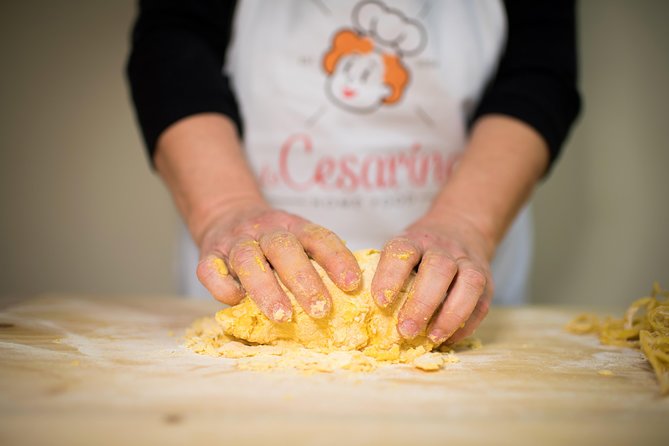
This class is a great match for you if:
- You want a hands-on activity, not just a food walk
- You enjoy learning technique, not only tasting
- You like evenings that include conversation and a relaxed pace
- You’d rather spend time in a real neighborhood home than a studio
It may be less ideal if:
- You want a very fast, strictly scheduled sightseeing stop
- You don’t like shared, family-style dining energy
- You’re looking for a tour that is more about history panels than cooking work
Also, because it’s in a local home, treat it like someone’s house, not a restaurant. You’ll get the best experience if you’re open to the flow of a shared meal and willing to participate.
A smooth day plan: how to pair it with Spoleto time
With about 3 hours in the calendar and the rest of the day free afterward, you can build a nice rhythm:
- Take care of the main sightseeing earlier, when you have energy.
- Come to the class ready to work your hands a bit and focus on the steps.
- Then use the extra time after cooking for a slow wander, gelato, or a final dinner if you’re still hungry.
This is a strong option for evenings, too, because it naturally turns into a longer food moment. The feedback includes people calling it an unforgettable experience, praising the long evening of great food and conversation. That “linger” feeling is exactly why I think it works in a place like Spoleto, where strolling and lingering are part of the culture.
Should you book the Pasta and Tiramisu class with Mamma in Spoleto?
I think you should book it if you want a real taste of Umbrian/Italian home cooking with pasta and tiramisù made by you. The combination of a Cesarine-led home kitchen, an English-speaking format, and a max 12-person group is a strong value blend.
If you’re on the fence, ask yourself one question: do you enjoy cooking and want to leave with skills you can repeat? If yes, this class is a great fit. If you only want a quick stop, you might prefer a shorter food experience.
Bottom line: for an easy-to-locate, small-group evening that ends with a meal and the chance to learn technique, this is one of the more satisfying ways to spend a few hours in Spoleto.
FAQ
How long is the Pasta and Tiramisu class in Spoleto?
The class is about 3 hours.
What will I make during the cooking class?
You’ll make pasta and tiramisu.
Is the class taught in English?
Yes, it’s offered in English.
Where does the class start and end?
The meeting point is in 06049 Spoleto, Province of Perugia, Italy, and the experience ends back at the meeting point.
How large is the group?
The class has a maximum of 12 travelers.
Is there a mobile ticket?
Yes, it uses a mobile ticket.
Is the meeting location near public transportation?
The experience notes it is near public transportation.
What is the cancellation policy?
Cancellation is free if you cancel up to 24 hours before the start time. If you cancel less than 24 hours before, the amount paid is not refunded.