REVIEW · FLORENCE
Tuscan Pasta Masterclass Small-Group Cooking Experience
Book on Viator →Operated by Chef Vary · Bookable on Viator
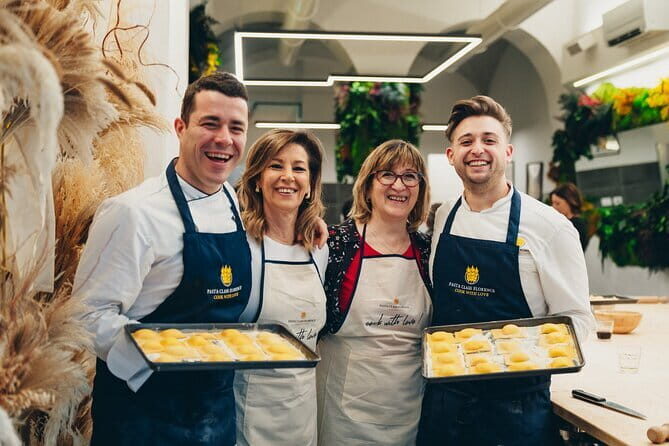
Florence has plenty of pasta lessons. This one is different because you get hands-on work in a modern professional kitchen while learning the why behind the dough, not just the steps. You’ll arrive, meet the chef in the kitchen, and help decide what menu you’ll cook. Then you’ll crank through flour, fillings, cuts, and sauce—ending with a proper sit-down meal made by you.
I especially love the way the class is built around making pasta from scratch with real technique practice—cutting, cleaning, kneading, and shaping—so you can actually recreate it at home. I also like the teacher background: Chef Vary is described as an archaeologist with a PhD focused on the evolution of food, and that lens shows up in the stories and food choices. One heads-up: this isn’t set up for gluten-free, egg-free, cheese-free, or lactose-free diets, and minors under 16 aren’t allowed.
The class runs about 2 hours 30 minutes and keeps the group tight (maximum 12). That matters in a hands-on class because you’re not stuck watching while someone else kneads. You’ll be near Florence’s St Trinity Bridge, and the meeting point is Via Romana 41r, with the session ending back there.
In This Review
- Key highlights you’ll care about before you go
- Tuscan Pasta Masterclass in Florence: What the Night Feels Like
- Where You Meet and Why the Location Matters
- Inside Chef Vary’s Kitchen: Stations, Tools, and Flow
- Choosing Your Menu When You Arrive
- What You Actually Learn: Cutting, Cleaning, Kneading, Shaping
- The Pasta Lineup: From Pici to Gnudi and Ravioli
- Pici (Siena’s rustic spaghetti)
- Ravioli with potatoes (traditional filling)
- Pappardelle (wide ribbons with multiple sauce paths)
- Crepes with spinach and ricotta
- Gnudi (Florentine ricotta-spinach gnocchi, no potatoes)
- Ravioli with cacao
- Tagliatelle with chickpeas
- The Sit-Down Meal: Wine Included, You Eat What You Made
- Price and Value: Is $156.20 Worth It?
- Dietary Limits: What You Can and Cannot Expect
- Who This Class Suits Best (and Who Might Skip)
- Should You Book This Florence Pasta Class?
- FAQ
- How long is the Tuscan Pasta Masterclass?
- Where does the class meet in Florence?
- Is the class offered in English?
- How many people are in the group?
- What do I cook in the class?
- Is the meal included?
- Are there gluten-free, egg-free, cheese-free, or lactose-free options?
- What is the cancellation policy?
Key highlights you’ll care about before you go
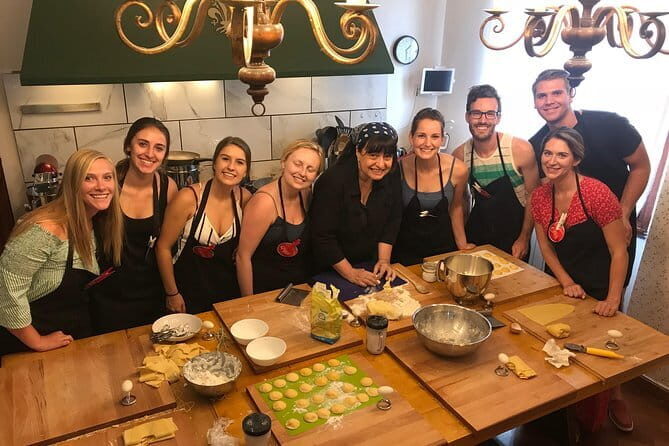
- A tight group (max 12) means you get real station time, not “look and wait”
- Cook-and-eat format: you make the pasta, then sit down to sample it with wine included
- From-scratch Tuscan menu focus: pici, ravioli, pappardelle, gnudi, and more
- Professional tools and workstations: you’ll use specialized gear for shaping and texture
- Chef-led menu decisions on arrival so the night feels tailored instead of one-size-fits-all
Tuscan Pasta Masterclass in Florence: What the Night Feels Like
This is the kind of Florence experience that turns “I love pasta” into “I know how to make this.” You don’t just learn shapes. You learn how dough behaves and how sauce choices connect to the region. The class centers on Tuscany’s pasta tradition, with menu items that range from Siena-style pici to Florentine favorites like gnudi and stuffed ravioli.
The timing is packed but not frantic. You start by choosing the menu with the chef, then move into prep and dough work. You’ll hear the reasoning behind technique, not just be handed a rulebook. And yes, you may end up with onion tears. That part is universal.
Because this class is small, the energy stays active. One key thing I like is that you’re not relegated to side tasks. The kitchen format supports everyone participating while the chef keeps things moving.
You can also read our reviews of more cooking classes in Florence
Where You Meet and Why the Location Matters
The meeting point is Via Romana, 41r, 50125 Firenze FI, and you’ll return there at the end. It’s a short walk from the St Trinity Bridge area, which is a sweet spot for a pre- or post-dinner plan in Florence.
If you like to keep your itinerary sane, this matters. You can pair the class with a stroll before or after dinner without scheduling your entire evening around a long commute. The area is also described as near public transportation, so you’re not trapped in “only car-friendly” territory.
You’ll receive a mobile ticket at booking time, which is handy when you’re bouncing between museums and streets with confusing names.
Inside Chef Vary’s Kitchen: Stations, Tools, and Flow
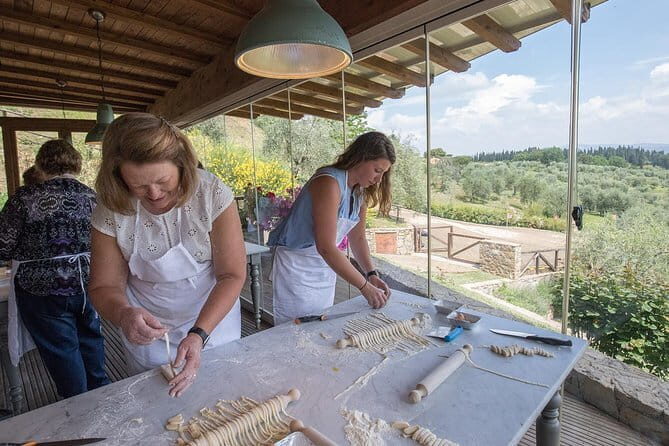
The biggest practical advantage here is that you cook at your own workstation in a large, professional kitchen. The setup is built for group cooking, so you’re not sharing one cutting board among twelve people.
You’ll also be using “specific tools” made for pasta work. That includes equipment that helps with texture and shaping—two skills that separate homemade pasta from a decent attempt. From accounts of the experience, you may use tools like a gnocchi board and the chitarra (a gridded pasta tool commonly tied to rustic styles). Even if your exact tool list varies depending on the day’s menu, the core promise stays the same: you learn how to produce the shape and structure you want.
The class stays in English, and that sounds small until you’re in the thick of it and the chef can explain what you’re doing and why it works. In past sessions led by different instructors associated with this experience (names that come up include Chef Vary, Roberto, and Julio), the instruction style is hands-on and direct. If you prefer gentle coaching and lots of sugarcoating, you might find the chef’s blunt humor a bit sharp. If you can laugh along, it’s part of the fun.
Choosing Your Menu When You Arrive
One of the most satisfying parts is that menu choices aren’t locked in from afar. When you arrive, you decide with the chef what you’ll cook that night. That turns the class into a live cooking plan rather than a scripted show.
The menu rotates through a mix of Tuscan pasta formats, and you’ll likely see a blend of:
- Pasta dough styles (including versions using semolina and egg-based doughs, and at least one account mentioning egg pasta with spinach and even charcoal)
- Hand-shaped or tool-driven pasta forms (ravioli, gnocchi-style gnudi, and other cut-and-shape pastas depending on the plan)
- Sauces that match the pasta’s personality—simple, hearty, and built for real eating
In the sample menu, you’ll find clear Tuscan anchors: pici (Siena’s traditional “spaghetti”), ravioli with potatoes, pappardelle with tomato, pesto, garlic-and-cheese, pancetta and leek, and more. There are also wilder notes, like ravioli with cacao (described as very old and amazing by someone who took the class).
Don’t worry if your palate expects only one kind of Tuscan pasta. This class intentionally covers variety.
What You Actually Learn: Cutting, Cleaning, Kneading, Shaping
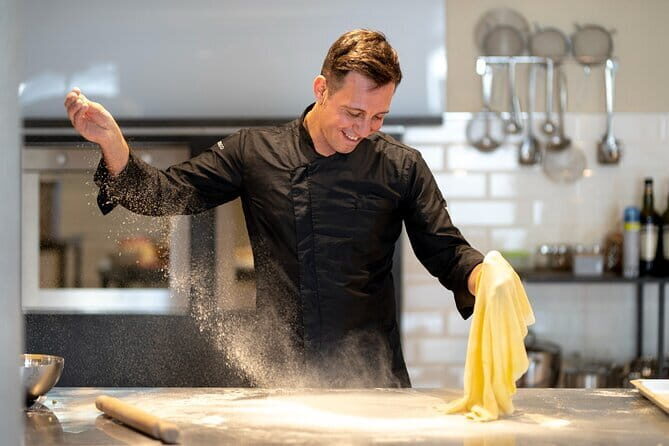
Here’s where this experience earns its keep. The class isn’t just “cook a batch.” It teaches fundamentals you can reuse.
You’ll work through the full sequence:
- Prepare and knead the dough until it behaves the way pasta should
- Cut, clean, and prep ingredients—including handling onions and other aromatics that form the backbone of many Tuscan sauces
- Shape pasta using the tools and techniques for each type
- Finish with sauce and serving so you taste how your dough and sauce choices work together
Expect some “hands learn by doing” moments. Pasta has a few physics tricks: dough hydration, gluten development, and rest time all change the final texture. Even when those concepts are explained plainly, you still feel the difference as you work.
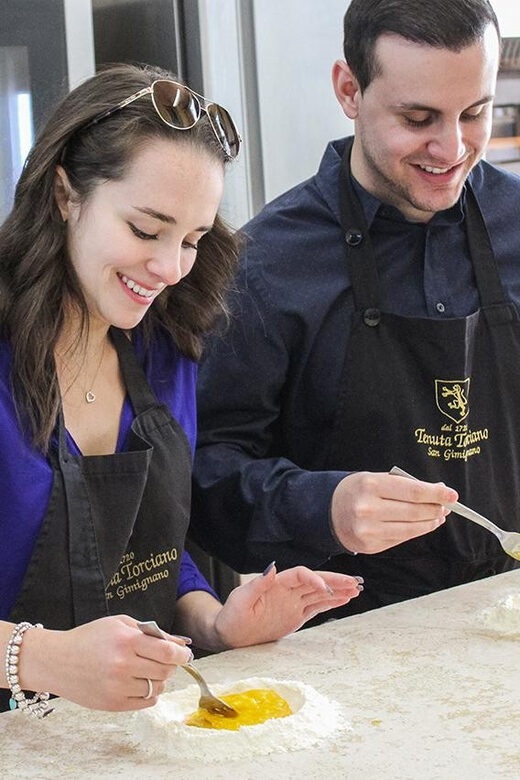
A big theme in the feedback is that everyone gets involved—mixing, kneading, rolling, cutting, filling, and assembling. You’re not stuck at a watching station for two hours.
- Tuscany Day Trip from Florence: Siena, San Gimignano, Pisa and Lunch at a Winery
★ 5.0 · 21,634 reviews - The Best tour in Florence: Renaissance & Medici Tales – guided by a STORYTELLER
★ 5.0 · 12,316 reviews

The Pasta Lineup: From Pici to Gnudi and Ravioli
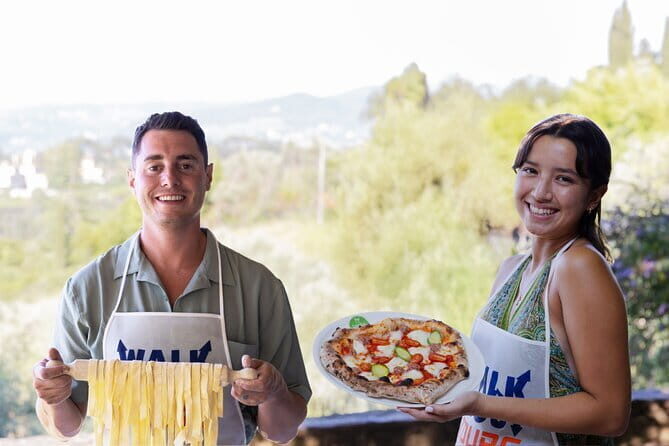
The sample menu gives you a strong idea of what you might cook. Even if your exact final plate varies based on the chef’s menu plan, it’s still in the same Tuscan lane.
Pici (Siena’s rustic spaghetti)
Pici is a great choice for a masterclass because it’s distinct. It’s not just “another noodle.” You learn how to shape it into a satisfying, chewy form that holds sauce well.
Ravioli with potatoes (traditional filling)
Potatoes give ravioli a gentle, comforting center. You’ll practice stuffing and sealing—skills that matter if you want ravioli that doesn’t split when they hit the heat.
Pappardelle (wide ribbons with multiple sauce paths)
Pappardelle is built for sauce. The sample includes several directions: tomato, local pesto, an eating sauce with garlic and cheese, plus options like pancetta and leek. This is where you learn how sauce style changes the eating experience even when the pasta is familiar.
Crepes with spinach and ricotta
This adds variety beyond classic egg pasta shapes. You’ll get a sense of how Tuscan kitchens fold savory fillings into tender bases.
Gnudi (Florentine ricotta-spinach gnocchi, no potatoes)
Gnudi are a Florentine specialty. The sample explicitly describes them as ricotta-and-spinach gnocchi without potatoes. That matters because potato gnocchi and gnudi feel different, and the techniques reflect that.
Ravioli with cacao
This sounds like a novelty until you taste it. The class frames it as an old recipe, and one description calls it amazing and tasty. If you like the idea of Tuscan tradition that’s not afraid of the unusual, this is your moment.
Tagliatelle with chickpeas
Chickpeas bring depth and heartiness. It’s a reminder that Italian pasta traditions can be both simple and complex at the same time.
The Sit-Down Meal: Wine Included, You Eat What You Made
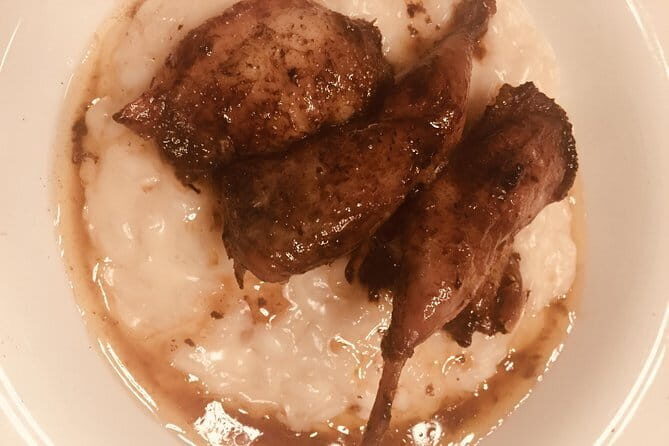
After the cooking, you sit down and eat. This is one of the best parts because it turns practice into payoff. You taste your dough’s texture, your sauce’s balance, and your fillings’ consistency while the night still feels fresh.
Wine is included: the info says two glasses for guests and one bottle for four guests. Extra wine can be bought with a discount at the wine store. If wine matters to you, plan your expectations: one person noted the dinner wine option leaned red, so if you prefer white, it’s smart to ask ahead.
The meal isn’t a fancy lecture. It’s conversation over plates. That’s where you’ll connect with the chef and the group, and where the technique becomes real. You can compare what you made to what you thought you were doing while you were kneading and shaping.
Price and Value: Is $156.20 Worth It?
At $156.20 per person for about 2 hours 30 minutes, this isn’t the cheapest pasta outing in Florence. But it’s priced like a serious cooking class, and the value is clearer when you add up what’s included.
You’re paying for:
- Hands-on instruction with a chef who brings food-science context (PhD described) rather than only culinary tradition
- A real kitchen and your own workstation
- Everything from scratch, so ingredients and labor go beyond “assemble and taste”
- A sit-down meal with wine included
- Bottled water and the included beverages plan
This becomes a good deal if you want a skill you can reuse at home. If you’re the type who learns best by doing—cutting, kneading, shaping—then the price starts to make sense fast. If you just want a quick taste of Italy with minimal time in a kitchen, you might find it too hands-on for your style.
The booking pattern also hints at demand: it’s often booked about 73 days in advance. If you want a specific night, don’t wait until your last minute.
Dietary Limits: What You Can and Cannot Expect
This class has strict dietary boundaries. The info states no gluten free, no egg free, no cheese free, and no lactose free. It also says no minors under 16.
That doesn’t mean you get no flexibility at all. One account describes the menu as mostly vegan at least some of the time, framed as accommodation for some students. Still, you should treat the stated restrictions as firm. If your needs are outside what’s allowed, you’ll save yourself stress by choosing a different class that explicitly supports your diet.
Who This Class Suits Best (and Who Might Skip)
This masterclass is a great fit if you:
- Want to learn technique, not just sample Italian food
- Are a beginner who’s willing to get their hands messy
- Have cooked before and want a structured way to improve texture and shaping
- Like small-group settings where everyone can participate
It may be less ideal if you:
- Need gluten-free, egg-free, cheese-free, or lactose-free meals
- Are traveling with children younger than 16
- Prefer a very gentle, low-energy coaching style (the chef can be blunt and humorous)
Should You Book This Florence Pasta Class?
Yes, if you want one of Florence’s most practical “Italy lessons”—a night where you learn how pasta really works and then eat it immediately. The value improves if you’ll actually use what you learn at home.
I’d think twice and ask questions first if your dietary needs fall into the excluded categories, or if the idea of a direct, no-nonsense chef coaching your dough makes you nervous. Otherwise, book it. A small group, real stations, from-scratch pasta, and a full dinner is a hard combo to beat.
FAQ
How long is the Tuscan Pasta Masterclass?
It’s approximately 2 hours 30 minutes.
Where does the class meet in Florence?
The meeting point is Via Romana, 41r, 50125 Firenze FI, Italy.
Is the class offered in English?
Yes, it’s offered in English.
How many people are in the group?
The class has a maximum of 12 travelers.
What do I cook in the class?
You’ll make a Tuscan pasta menu from scratch. The sample menu includes dishes such as pici, ravioli with potatoes, pappardelle with several sauce options, crepes with spinach and ricotta, gnudi, ravioli with cacao, and tagliatelle with chickpeas.
Is the meal included?
Yes. You cook and then enjoy your creations at a sit-down meal.
Are there gluten-free, egg-free, cheese-free, or lactose-free options?
No. The class notes that gluten-free, egg-free, cheese-free, and lactose-free options are not allowed.
What is the cancellation policy?
This experience is non-refundable and cannot be changed for any reason. If it’s canceled because the minimum number of travelers isn’t met, you’ll be offered a different date/experience or a full refund.

More Cooking Classes in Florence
More Tour Reviews in Florence
- Tuscany Day Trip from Florence: Siena, San Gimignano, Pisa and Lunch at a Winery
★ 5.0 · 21,634 reviews - The Best tour in Florence: Renaissance & Medici Tales – guided by a STORYTELLER
★ 5.0 · 12,316 reviews