REVIEW · FLORENCE
Florence: Small Group Cooking Class at a Local’s Home
Book on GetYourGuide →Operated by Cesarine · Bookable on GetYourGuide
Flourence smells like dinner. A small-group cooking class in a real home kitchen turns Tuscany recipes into a hands-on, conversation-filled evening. I love the step-by-step guidance from a certified home cook, and I also love that you don’t just watch or snack—you taste everything you make around the table with local wines.
There’s one thing to plan for: for privacy, you only get the full home address after you book, so you’ll want to follow the meeting-point instructions closely. Also, if you have dietary needs, confirm them directly with the organizer ahead of time so the menu can be adjusted.
In This Review
- Key Highlights You Should Care About
- A Home Kitchen in Florence: Why This Format Works
- Price and Value: What You’re Really Paying For
- The 3-Hour Flow: From Prep Workstation to Shared Table
- Learning 3 Traditional Recipes the Way Italians Actually Cook
- From Ingredients to Instruction: What You’ll Do in the Kitchen
- The Cesarina Host Touch: Getting to Know Florence Through a Family
- Tastings with Local Wines: Why the Meal Matters
- Meeting Point in a Private Home: How to Get There Smoothly
- Small Group Size and Language: Getting Help Without Feeling Rushed
- Dietary Needs and What to Do Before You Go
- Who Should Book This Class (and Who Might Skip It)
- Should You Book? My Straight Answer
- FAQ
- How long is the Florence small-group cooking class?
- Is it a private class or a small group?
- What’s included in the price?
- Will there be wine during the class?
- Do I need to speak Italian to join?
- Where do we meet?
- Can the menu accommodate dietary requirements?
- What if only a small number of people book?
Key Highlights You Should Care About
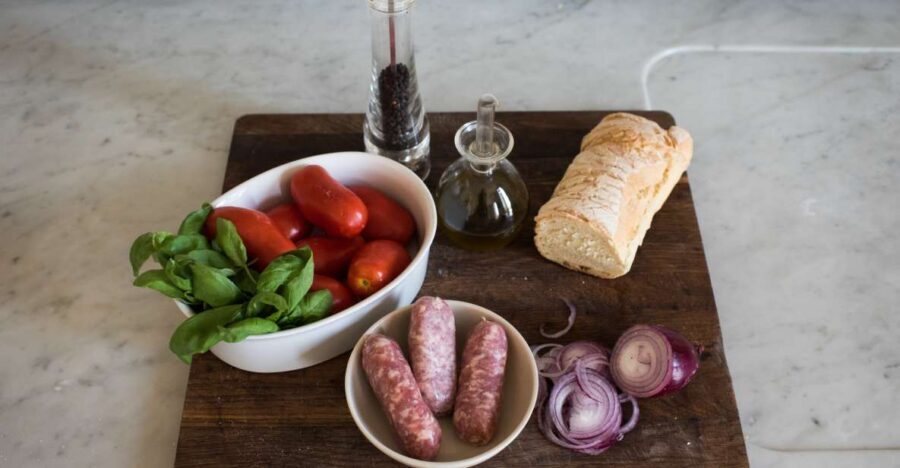
- Cesarina-led, home-kitchen format gives you family recipes, not canned demo food
- Hands-on workstations with utensils and ingredients ready for your turn
- 3 regional recipes built to teach technique, not just final dishes
- Tasting at the table with red and white local wines plus coffee
- Small group (max 10) so you get real interaction, not a classroom vibe
A Home Kitchen in Florence: Why This Format Works
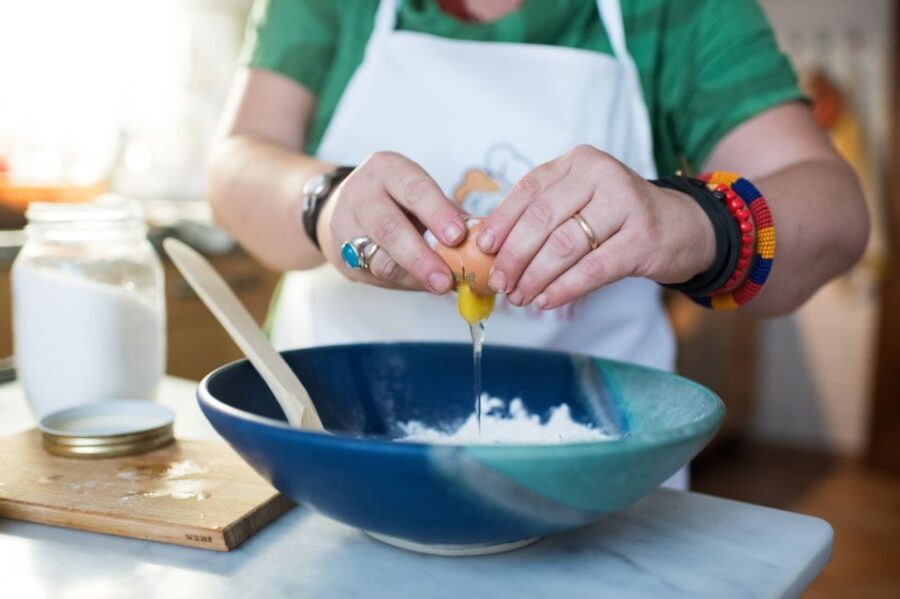
This is the kind of class that changes how you think about Italian cooking. In a restaurant class, you’re often a spectator with a fork. In a home kitchen, you’re doing real prep—because the host is feeding people, and you become part of that plan for the evening.
The heart of the experience is a Cesarina, the local home cook who shares family techniques and recipes that have been passed down. In the best cases, you also get added context from the host’s own roots. One past highlight included hosts who came from olive-growing and vineyard families, so the lesson wasn’t just about food—it was about where ingredients come from and why certain flavors make sense in this region.
The class also keeps things social in a good way. You’re in a private home setting, and the conversation matters just as much as the cooking. Some groups also enjoyed special touches like outdoor singing, but even if your night is quieter, the overall tone stays personal and relaxed.
You can also read our reviews of more cooking classes in Florence
Price and Value: What You’re Really Paying For
At $202.78 per person for about 3 hours, this isn’t a budget activity—and that’s okay. The value comes from what’s included and how the time is used.
You’re paying for:
- A shared cooking class capped at 10 participants
- Hands-on instruction from an expert home cook
- Ingredients and utensils set up at your workstation
- Tasting of the 3 dishes you make
- Beverages: water, local wines, and coffee
- Local taxes included in the price
If you compare this to booking a cooking class plus buying wine plus paying full restaurant meals separately, the math gets much less dramatic. You’re essentially getting a meal course-by-course experience that also teaches technique. And because you’re cooking in a home, you’re more likely to leave with a practical mental map of how to recreate these recipes later, not just a memory of something tasty.
The 3-Hour Flow: From Prep Workstation to Shared Table
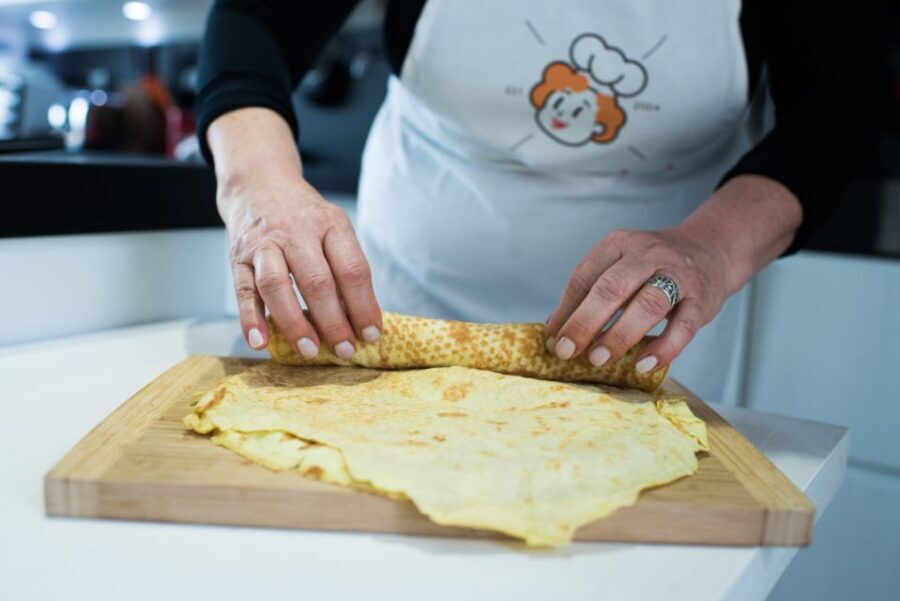
The format is straightforward, and that’s part of why it feels good. You show up, you cook, and then you eat what you made—together—while drinks keep the mood friendly.
Here’s what the flow looks like in practice:
First, you’re welcomed into the kitchen space and given a workstation. You’ll have utensils and the ingredients already laid out for your dishes. This matters. In many cooking experiences, people wait around while someone else measures or finishes steps. Here, you’re placed into the rhythm of real meal prep, so the class feels busy in the right way.
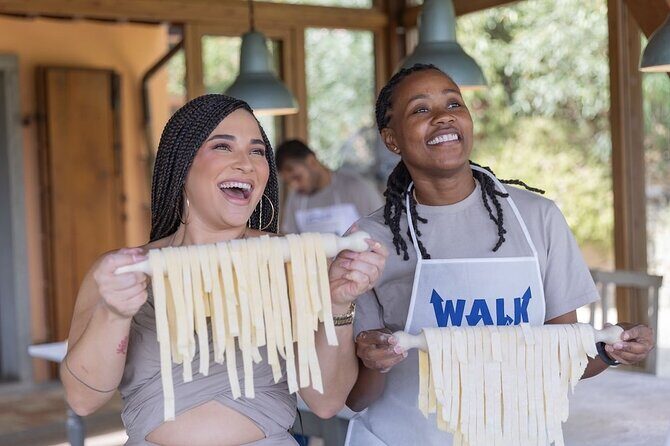
Next, the instructor reveals the tricks of the trade for three authentic local recipes. The teaching style is “do it with me” rather than “watch me.” You learn as you go—folding, stirring, portioning, and adjusting as the recipe develops.
Finally, you sit down to taste everything you prepared. Drinks are part of that table time: you’ll get a selection of red and white local wines, along with water and coffee. That final meal is where the experience turns from activity into something memorable.
Learning 3 Traditional Recipes the Way Italians Actually Cook
The class focuses on three recipes, and that’s the right number for learning. Too many dishes in a short time means you skim technique. Three means you can practice key steps and understand why the flavor decisions work.
From past sessions, common dishes have included a mix of pasta and dessert, plus a main course that can lean poultry. One standout menu featured hand-made pasta, a chicken dish, and panna cotta. Another session included fried sage leaves as an appetizer, plus ravioli with olive oil dressing and tiramisu.
Even if your exact menu differs, the teaching goal is consistent: you’ll learn the core moves for each dish. That might mean pasta handling, finishing sauces with the right texture, or nailing a dessert set. You’re not just collecting recipes—you’re picking up habits you can reuse.
From Ingredients to Instruction: What You’ll Do in the Kitchen
You’ll cook at your own pace, with guidance close by. The key is that the class provides what most home cooks wish they had during a first try: all ingredients and tools are already assembled. That removes guesswork and lets you focus on technique.
Expect a rhythm of short lessons and then immediate application:
- you prepare components,
- you assemble parts of the dish,
- and you adjust as the cooking progresses.
Because it’s a home setting, the cooking pace can feel more like a real dinner being made than a staged production. That’s also where you may pick up small decisions that matter, like how certain herbs behave, or when a sauce looks done even before you think it should. Those are the details you’ll remember when you try to cook later.
And yes, wine is part of the evening. You’ll enjoy beverages while you cook, and that social element tends to make the instruction feel easier to absorb. (If you’re not into alcohol, you can ask about alternatives when you confirm dietary or personal preferences—just don’t wait until the last minute.)
You can also read our reviews of more tours and experiences in Florence



The Cesarina Host Touch: Getting to Know Florence Through a Family
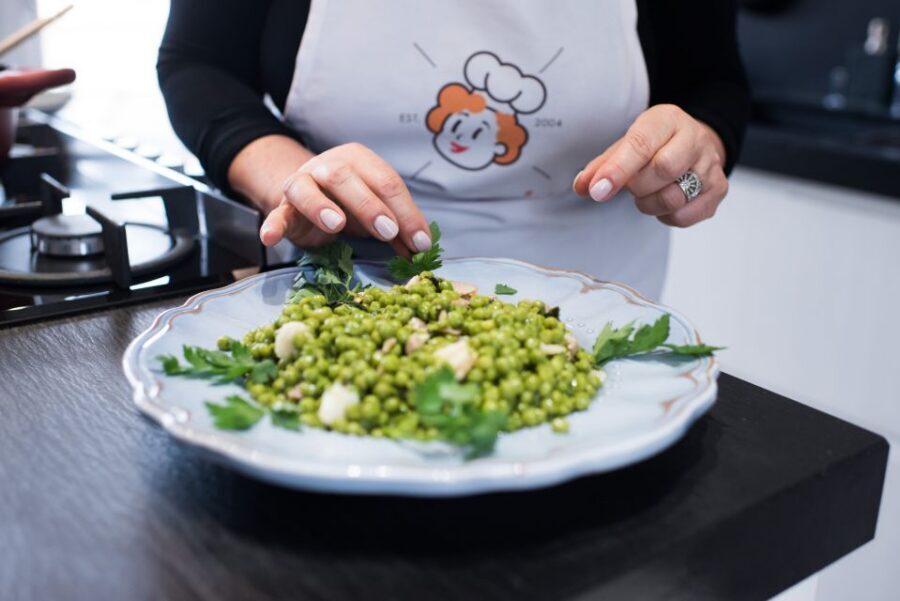
This experience is built around connection. Not just food talk—real home talk.
You may meet a host with a name like Lucrezia or Carlo, and the cooking guide could be someone like Christina, depending on the day. The names vary, but the role is the same: your host shares how their family cooks, where ingredients come from, and what they consider important for a good meal.
One of the most praised aspects was the way hosts blended practical cooking instruction with personal storytelling. In one memorable night, the host’s background came through strongly: Lucrezia came from a family of olive growers, while Christina came from a vineyard family. That kind of information makes the class feel less like a menu lesson and more like a window into how Italians think about food systems—how farming choices eventually show up on your plate.
Tastings with Local Wines: Why the Meal Matters
Many cooking classes end with a plate you eat quickly. This one ends with a proper sit-down tasting. You taste the three recipes you helped make, and the meal is accompanied by local red and white wines, plus coffee.
That table time matters because it’s where you connect technique to flavor. When you’re cooking, you might focus on steps. At dinner, you can notice:
- what tastes brighter,
- what tastes deeper,
- what you should adjust next time.
It also makes the class feel complete. You leave with a sense of how the dishes belong together as a full Florence-style meal rather than isolated “projects.”
Meeting Point in a Private Home: How to Get There Smoothly
Because it’s in a local family’s home, the full address is shared after booking. That privacy step is normal for this type of experience, but it also means you should plan to confirm the meeting instructions once you receive them.
What I recommend:
- double-check the message for the exact meeting point details,
- give yourself buffer time, especially in central Florence where streets can be crowded,
- and treat the host’s directions as the final word.
If you arrive early, you’re not stuck waiting in the street—you can usually organize your arrival timing so you’re ready when the host contacts you.
Small Group Size and Language: Getting Help Without Feeling Rushed
With a maximum of 10 participants, you won’t get lost. You’ll have time to ask questions, and the instructor can correct technique without shouting across a room.
The class is taught in English and Italian, so you can get explanations clearly without needing Italian fluency. And even if you’re only catching bits of the conversation, the cooking steps are visual and practical, which helps you follow along.
This small-group format is also a quality-of-life perk. You’ll be able to talk with the other people in your group at the table, and that social side makes the evening feel more like joining a family dinner than attending an activity.
Dietary Needs and What to Do Before You Go
Dietary requirements can be catered for, but you must confirm directly with the service organizer after booking. Don’t assume the default menu matches your needs.
If you have restrictions, I suggest sending your requirements early with clear detail (for example, allergies, vegetarian needs, or religious restrictions). That gives the host time to adjust ingredients and steps so everyone can cook and taste the same three dishes your group is there for.
Because wine and coffee are included, you may also want to mention preferences if you’d rather not drink. The data confirms beverages are provided, but it doesn’t spell out custom beverage substitutions, so it’s smart to ask upfront.
Who Should Book This Class (and Who Might Skip It)
Book it if you want:
- hands-on cooking in a real home kitchen,
- an experience that includes wine and a sit-down meal,
- and a small-group setting where you can ask questions and actually connect with the people hosting you.
This is a great fit for couples, small friend groups, and food-focused travelers who like learning practical technique they can repeat later.
You might skip it if:
- you prefer large, public venues with lots of signage and a more “tour-group” energy,
- you’re uncomfortable cooking alongside others,
- or you need very specific accommodations and you’re not willing to coordinate ahead with the organizer.
Should You Book? My Straight Answer
Yes—if you care about eating well and learning real technique, this is worth your time in Florence. The strongest reason to book is the combination of three taught recipes, tasting everything you make, and the home part that makes the conversation feel natural. You’re not leaving with a souvenir fridge magnet. You’re leaving with cooking knowledge you can use.
If you’re price-sensitive, it may feel steep. But the inclusions matter: ingredients, instruction, beverages, coffee, and the meal itself are baked into the experience. For many people, that makes it feel like a full evening with dinner plus a skill-building workshop.
If your heart is set on food and you don’t mind navigating a private home meeting point, this class is a very good bet.
FAQ
How long is the Florence small-group cooking class?
It lasts about 3 hours. Starting times vary, so you should check availability.
Is it a private class or a small group?
It’s a small group limited to 10 participants.
What’s included in the price?
The shared cooking class, tastings of the 3 local recipes, beverages (water, wines, and coffee), and local taxes are included.
Will there be wine during the class?
Yes. You’ll enjoy a selection of red and white local wines, along with water and coffee.
Do I need to speak Italian to join?
No. The class is taught in English and Italian.
Where do we meet?
It’s held in a local family’s home. For privacy, you receive the full address after booking, and the host contacts you with meeting instructions.
Can the menu accommodate dietary requirements?
Different dietary requirements can be catered for. You need to confirm directly with the service organizer after booking.
What if only a small number of people book?
At least 2 people are required for the activity to take place.
More Workshops & Classes in Florence

More Cooking Classes in Florence
More Tour Reviews in Florence
- Tuscany Day Trip from Florence: Siena, San Gimignano, Pisa and Lunch at a Winery
★ 5.0 · 21,634 reviews - The Best tour in Florence: Renaissance & Medici Tales – guided by a STORYTELLER
★ 5.0 · 12,316 reviews