REVIEW · FLORENCE
From Florence: Olive Oil Mill Tour and Tasting in Fiesole
Book on GetYourGuide →Operated by Frantoio Cesare Buonamici · Bookable on GetYourGuide
Olive oil gets real fast in Fiesole. This visit to the zero-emission Cesare Buonamici mill shows how olives become extra virgin olive oil using modern extraction tech, and it all comes with a pretty serious terrace view near Florence. I like that you also hear the Buonamici family story while you look at the machines and processes that make today’s oil.
I also like the tasting itself. You sample organic extra virgin olive oils from the mill, including high-quality monocultivar options tied to the Fiesole groves. One thing to consider: this is a short mill-and-taste experience, and there is no olive picking included.
In This Review
- Key Things You’ll Notice on This Fiesole Olive Oil Visit
- Getting Oriented: From Florence to Fiesole’s Olive Mill
- What the Tour Really Covers in 1.5 to 2 Hours
- Inside Cesare Buonamici: History, Family, and the Mill You’re Seeing Today
- The Extraction Tech: Modern Milling, Explained in Human Terms
- Zero-Emission Production: Biomass Heat and No Fossil Fuels
- Organic Groves and the 1200-Hectare Connection
- The Tasting: Extra Virgin Olive Oil, Monocultivar Focus
- Terrace Views: When the Lesson Comes with a Reward
- Practical Stuff: What to Bring and What to Wear
- Value for Money: Why This Tour Can Be Worth $56.94
- Who Should Book This Fiesole Olive Oil Mill Tour
- Who Might Want to Skip It
- Should You Book This Tour
- FAQ
- How long is the Olive Oil Mill Tour and Tasting in Fiesole?
- What do I get to taste during the tour?
- Where does the tour start?
- Is there parking available?
- Is the mill zero-emission?
- Is olive picking included?
Key Things You’ll Notice on This Fiesole Olive Oil Visit
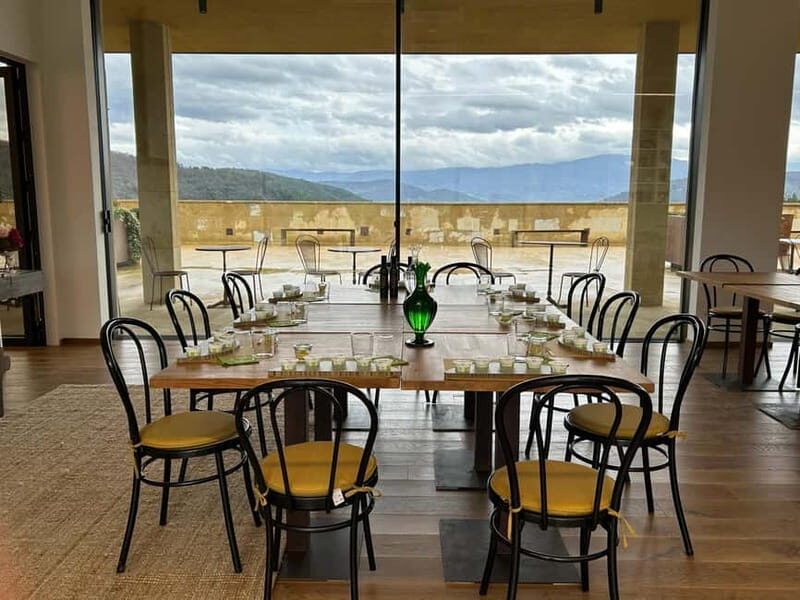
- New mill, inaugurated May 2023 with modern and innovative extraction technologies
- Zero-emission operation that uses heat from self-produced biomass instead of fossil fuels
- Organic Fiesole production supported by olive groves across 1200 hectares
- Monocultivar tastings of high-quality extra virgin olive oils made in-house
- Terrace view included so the lesson comes with a reward
- Food tasting plus some local-farm wine during the stop
Getting Oriented: From Florence to Fiesole’s Olive Mill
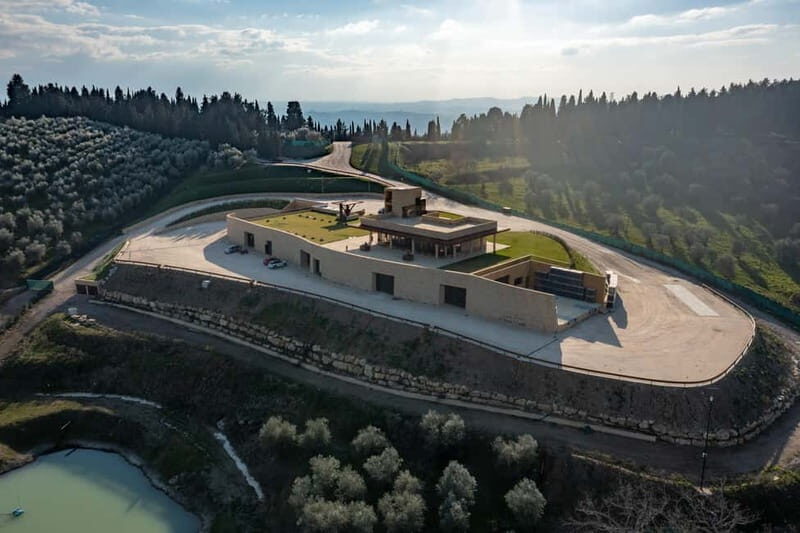
Fiesole is close enough to feel like an easy add-on from Florence, but far enough that the olive culture makes sense. You’ll meet up at Piazza Beccaria in front of Pasticceria Serafini, or at Porta Romana in front of Banca Monte dei Paschi di Siena. Then you’ll go with a white private transfer to Frantoio Cesare Buonamici.
This is set up as a private group with a live guide in English or Italian, so you’re not stuck listening to a headset script you can’t understand. Also, there’s free parking, which is handy if you’re coming on your own time. And yes, Wi‑Fi is included, though in practice you’ll probably use your phone mainly to remember what you tasted.
You can also read our reviews of more food & drink experiences in Florence
- San Gimignano, Siena, Monteriggioni, Chianti Day Trip with Lunch & Wine Tasting
★ 4.5 · 4,432 reviews
What the Tour Really Covers in 1.5 to 2 Hours
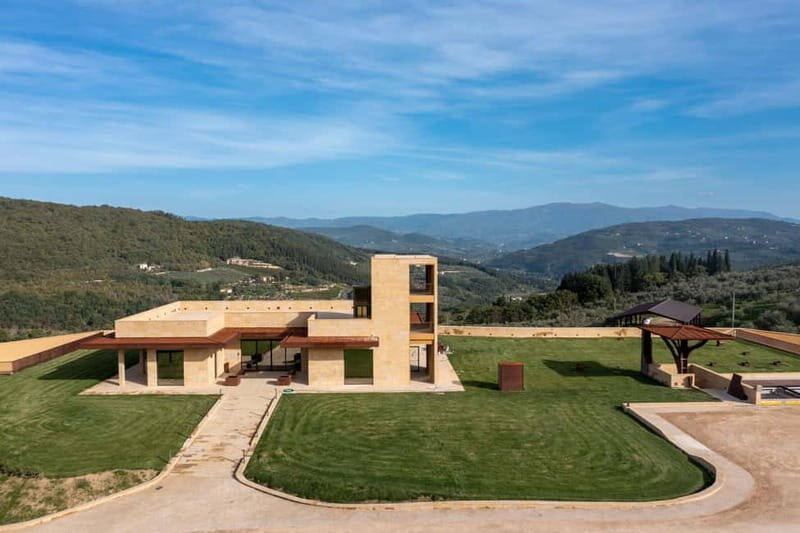
The schedule you’ll see says 1.5 hours, but the experience is described as a 2-hour visit that includes the mill walkthrough, olive oil tasting, and food tasting with some wine from a local farm. Either way, you’re looking at a compact program with multiple parts in one stop.
In plain terms, you can expect three chunks:
1) You arrive, hear the context, and start the mill visit.
2) You see the extraction technology and how the mill processes olives.
3) You finish with tasting, plus a food portion and some wine.
The pace is focused. There’s no long bus ride bloat and no full-day sit-down meal situation. If you want something short, educational, and delicious, this fits.
Inside Cesare Buonamici: History, Family, and the Mill You’re Seeing Today
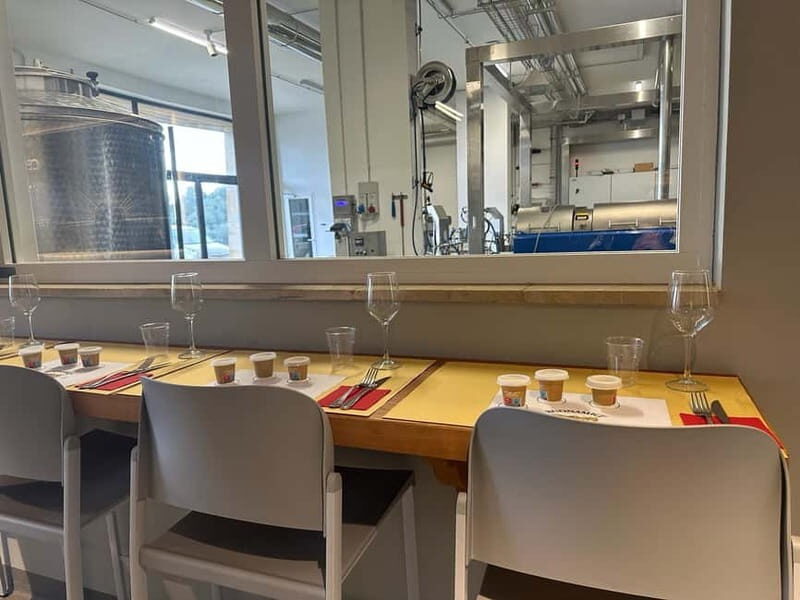
You’ll visit the Cesare Buonamici olive oil mill in Fiesole and learn how it works. The mill has been around for many years, and you’ll also hear the history tied to the Buonamici family—useful because it keeps the visit grounded. Olive oil isn’t just a product here. It’s a local craft with continuity.
What makes this visit feel current is the emphasis on the newer setup. The new olive oil mill was inaugurated in May 2023, and the visit highlights the most modern and innovative extraction technologies. That means you’re not only seeing tradition on display—you’re also seeing how producers are updating processes while staying tied to the local groves.
The Extraction Tech: Modern Milling, Explained in Human Terms
The mill visit is built around production and process. You’ll see how the olive oil is produced, with an emphasis on the modern and innovative extraction technologies the facility uses. Even if you’re not an olive-oil nerd, you’ll get the logic: how olives move from raw fruit to oil, and how the equipment supports consistent output.
What I like about this kind of tour is that it doesn’t stop at the romance. It points you toward the practical part—how design and process affect what ends up in the bottle. It also helps you understand why tasting matters. Different production choices can mean different aromas and flavors, even within the same general category of extra virgin olive oil.
Zero-Emission Production: Biomass Heat and No Fossil Fuels
This is one of the most interesting parts of the day. The mill is described as zero-emission, and it’s said to use heat sources from self-produced biomass rather than fossil fuels. In other words, the energy for key production steps is tied back to the producer’s own resource stream.
The tour also connects this to eco-efficiency recognition from the Tuscan region. You’re not just hearing a feel-good claim. You’re getting a specific framing: it’s a contribution to environmental protection, paired with an approach that’s supposed to reduce dependence on fossil fuels.
For you, that matters because it changes the way you think about what you’re buying. You’re not only paying for flavor. You’re also supporting a production model that aims to cut emissions.
- Tuscany Day Trip from Florence: Siena, San Gimignano, Pisa and Lunch at a Winery
★ 5.0 · 21,634 reviews - The Best tour in Florence: Renaissance & Medici Tales – guided by a STORYTELLER
★ 5.0 · 12,316 reviews


Organic Groves and the 1200-Hectare Connection
The oil in this mill isn’t pulled from nowhere. The process is linked to an organic district of Fiesole with olive groves spanning 1200 hectares. That scale is worth noting because it explains why a mill tour can be more than a one-room showroom.
When the supply chain is local and organic, the “where” becomes part of the “what.” During your visit, you’ll be shown the connection between the groves and the mill. Even if you don’t memorize the hectares, you’ll walk away with a clearer sense of how regional agriculture feeds the final product.
The Tasting: Extra Virgin Olive Oil, Monocultivar Focus
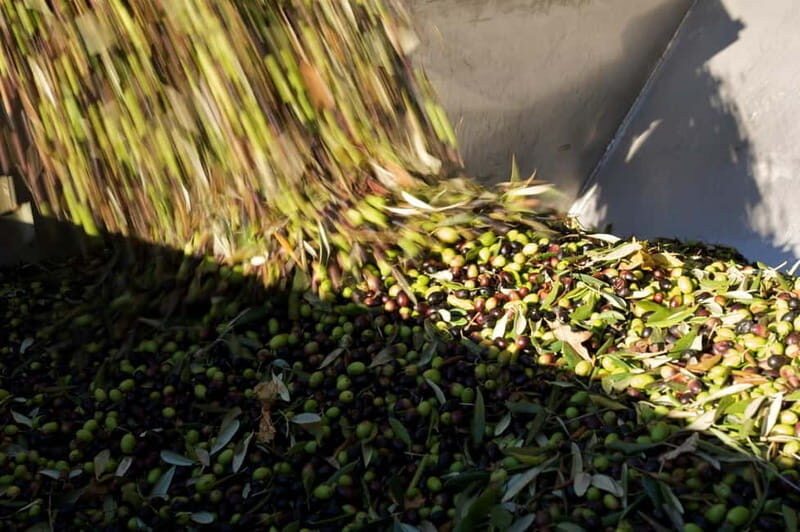
The tasting is a main event. You’ll taste a selection of extra virgin olive oils produced in the mill. The included items also mention high-quality monocultivar olive oils, which is a detail I really appreciate because it signals a more precise approach. Monocultivar oils are meant to reflect a specific olive variety, not just whatever blend happens to be on hand.
A good oil tasting can train your palate quickly. Taste with your eyes first (color), then smell (fresh fruit, grass, herbs, or other notes), then take a small sip and pay attention to bitterness and that peppery finish that sometimes shows up. Don’t overthink it. Your goal is to notice differences, not pass a test.
Also, there’s a food tasting part included, plus some wine from a local farm. The point of pairing is practical: you’ll taste oil in context, not in isolation.
Tip for your day: eat lightly beforehand. If you go in too full, the flavors can blur, and you’ll miss the differences between oils.
Terrace Views: When the Lesson Comes with a Reward
One included highlight is a beautiful view from the terrace. This matters more than it sounds. On a tour that’s part production and part tasting, the terrace view gives you a reset point—time to breathe, take photos, and connect what you’re learning to the place where olives grow.
Dress for that outdoor pause. Bring sun protection and comfortable shoes. The visit includes guidance like a sun hat and outdoor clothing, which tells you you’ll likely spend time outside the mill areas.
Practical Stuff: What to Bring and What to Wear
You’ll want to come prepared for a working production setting and some outdoor time. The basics that are specifically listed include:
- Passport or ID card
- Comfortable shoes
- Sun hat
- Camera
- Credit card and cash
- Long pants or shorts (plan for comfort in the sun)
- Outdoor clothing
I’d also add one simple rule: wear shoes you can walk in without thinking about it. Even though the time is short, you’re moving through a mill environment and then out to the terrace.
One more important note: alcohol and drugs are listed as not allowed. That’s pretty standard for tours, and it also makes sense if some wine is provided during the tasting. In practice, treat the wine as part of their program, not something you bring yourself.
Value for Money: Why This Tour Can Be Worth $56.94
At $56.94 per person, this isn’t the cheapest thing you can do near Florence. But it’s also not trying to be. You’re paying for a guided, private-style mill visit, tastings, and access to a working facility that highlights new May 2023 technology and zero-emission production.
Here’s the value equation as I see it:
- You get structured teaching on production, not just a quick look.
- You get multiple tastings, not a single sample cup.
- You get the view, which makes the short duration feel complete.
- You get organic production tied to a large local groves area.
If your goal is to buy a bottle of olive oil and learn how to judge it, this price starts to look reasonable. If your goal is a long, slow culinary day with multiple stops and hours of food, you might feel it’s too short.
Who Should Book This Fiesole Olive Oil Mill Tour
This fits best if you want:
- A focused stop near Florence that mixes production + tasting
- A serious look at how a modern mill works
- Organic and zero-emission themes that go beyond marketing
- A guide in English or Italian and a private-group feel
It’s also a good option if you don’t want to spend half your day traveling. And if you care about accessibility, it’s listed as wheelchair accessible, which is a real plus.
Who Might Want to Skip It
I’d skip it if any of these are true:
- You’re only interested in olive picking. This is not included.
- You want a full-day itinerary with lots of separate attractions.
- You don’t like tastings. This experience is built around sampling olive oil and food.
Also consider whether you’ll enjoy a production-focused tour. Some people come to Tuscany for ruins and villages. This one is about oil—its process, its energy choices, and its taste.
Should You Book This Tour
If you like your travel with a strong connection to local food production, I’d book it. The mix of modern mill tech, zero-emission biomass heat, and organic monocultivar tastings makes it feel more specific than a generic farm stop. Add the terrace view and a short, guided format, and you get a very efficient Tuscany experience.
One last decision helper: if you’re the type who notices differences in flavor and wants to understand why, this tour gives you the structure to do that without turning it into a class.
FAQ
How long is the Olive Oil Mill Tour and Tasting in Fiesole?
The activity is listed as 1.5 hours, and it’s also described as a 2-hour visit that includes the mill visit, olive oil tasting, and food tasting (with some wine from a local farm).
What do I get to taste during the tour?
You’ll have an olive oil tasting featuring extra virgin olive oils produced in the mill. There’s also a food tasting, and the tour description includes some wine from a local farm.
Where does the tour start?
You meet at Piazza Beccaria in front of Pasticceria Serafini or at Porta Romana in front of Banca Monte dei Paschi di Siena.
Is there parking available?
Yes. Free parking is included.
Is the mill zero-emission?
Yes. The mill is described as zero-emission and does not use fossil fuels, using heat sources from self-produced biomass instead.
Is olive picking included?
No. Picking is not included.
More Food & Drink Experiences in Florence
- San Gimignano, Siena, Monteriggioni, Chianti Day Trip with Lunch & Wine Tasting
★ 4.5 · 4,432 reviews

More Tours in Florence


More Tour Reviews in Florence
- Tuscany Day Trip from Florence: Siena, San Gimignano, Pisa and Lunch at a Winery
★ 5.0 · 21,634 reviews - The Best tour in Florence: Renaissance & Medici Tales – guided by a STORYTELLER
★ 5.0 · 12,316 reviews