REVIEW · SIENA
Siena: Pasta-Making Class at a Local’s Home
Book on GetYourGuide →Operated by Cesarine · Bookable on GetYourGuide
Fresh pasta starts at a kitchen table. This Siena pasta-making class takes place in a local family home with a certified home cook (a Cesarina), and you’ll learn three regional pasta recipes while tasting everything you make with local wine. The biggest thing to watch is logistics: the address is shared only after booking, so you’ll want to follow the exact meeting instructions to avoid being late.
I really like the format: a small group session where you get your own workstation, tools, and ingredients instead of watching from the sidelines. I also like the payoff at the end, because you don’t just learn techniques—you sit down and eat the three pastas you made with red and white local wines plus coffee. One possible drawback: if you show up without the correct home address or directions, timing can get tight fast.
In This Review
- Why This Works So Well in a Local Home
- What You Learn: Three Regional Pastas in One 3-Hour Session
- The timing you can expect
- The Lesson Flow: Workstations, Ingredients, and a Real Table Meal
- Taste everything you make (and don’t rush it)
- Wine at Dinner-Level Pace, Not Party-Level Pressure
- Price and Value: Is $202.78 Worth It?
- Finding the Right Home in Siena Without Stress
- Who Should Book This Pasta Class (and Who Might Not)
- Who might rethink it
- Dietary Needs: Easier Than You Think
- Language and Communication That Actually Helps
- A Balanced View of the Experience
- Key Takeaways Before You Go
- Should You Book This Siena Pasta-Making Class?
- FAQ
- Where does the pasta-making class take place?
- How long is the class?
- What time does the class usually start?
- What will I be cooking?
- Do I get to taste the pasta I make?
- Are beverages included?
- Is the class in English?
- Can the host accommodate dietary restrictions?
- What happens after I book?
- Can I cancel for a refund?
Why This Works So Well in a Local Home
This isn’t a big kitchen theater. You’re in a real home, around a table, with a Cesarina teaching you regional pasta recipes. That home setting matters because it changes the pace. The lesson feels personal, not rushed. You’re also more likely to ask questions, since you’re not packed into a classroom.
The experience is described as a small group class, with an English- or Italian-speaking instructor. You’ll also get a practical setup: each participant has a workstation with utensils and all ingredients needed to make the dishes. That means you can focus on the learning instead of spending your time figuring out what pan to borrow.
And yes, you’ll eat what you make. The class builds toward a tasting meal where everything lands hot and fresh, right after you’ve cooked it. Wine is part of the plan too, with a selection of red and white local wines.
What You Learn: Three Regional Pastas in One 3-Hour Session
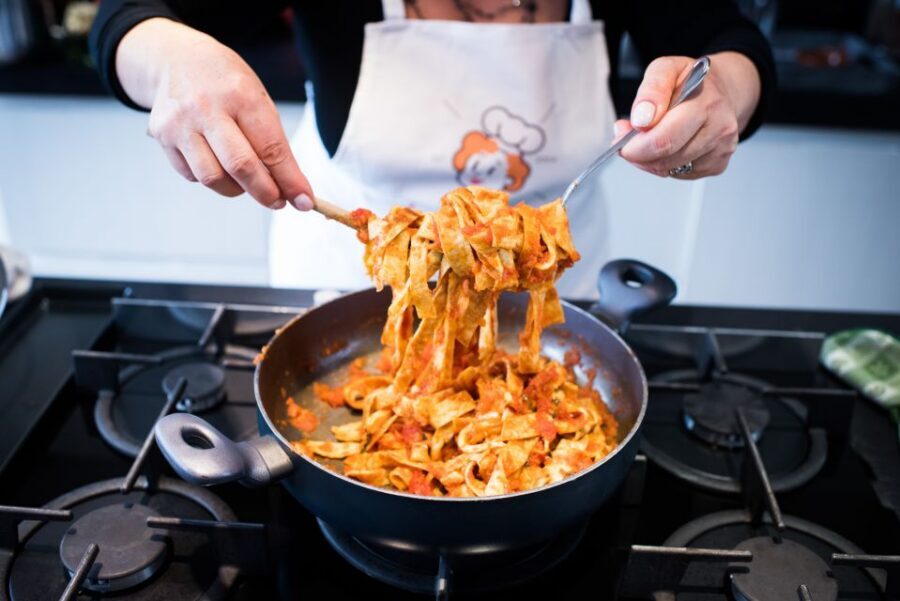
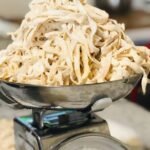
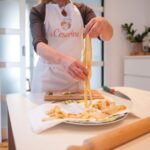
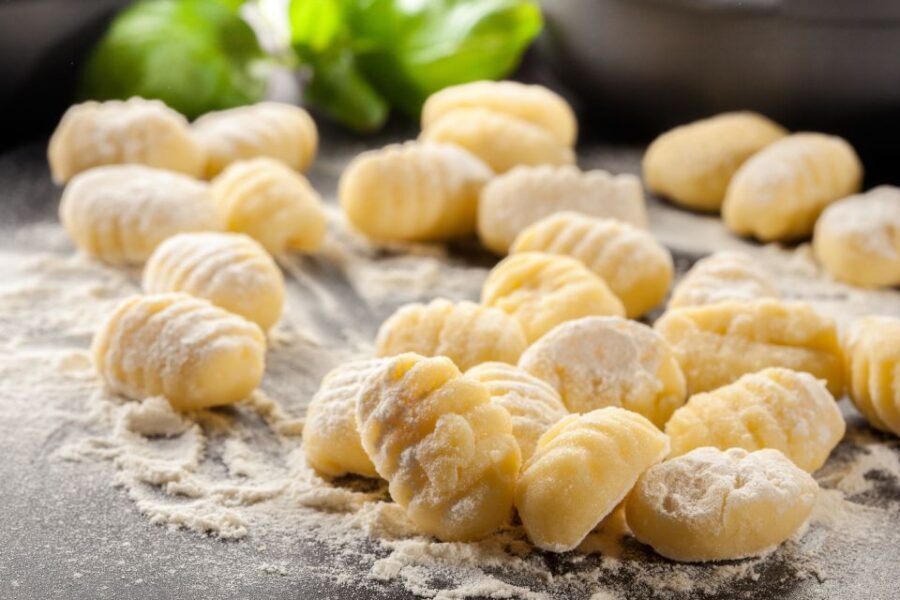
The heart of the experience is a 3-hour lesson centered on three authentic regional pasta recipes. Your Cesarina reveals the tricks of the trade for each dish, and you’ll put your hands to the dough using the ingredients already laid out for you.
Here’s the key: you’re not just learning one recipe. You’re learning a set of techniques and regional choices across three dishes, which is a great way to understand how Italian home cooking thinks. Instead of memorizing one specialty, you get a feel for how variations happen—how pasta shape, sauce pairing, and recipe steps fit together at the regional level.
At the same time, you don’t have to be a cooking wizard. The experience is designed for participants at different skill levels because the class includes the full ingredient set and a workstation setup. The Cesarina’s job is to teach you what to do and when, and to guide you through the process of making the recipes.
You can also read our reviews of more tours and experiences in Siena
The timing you can expect
The class usually starts around 10:00 AM or 5:00 PM, depending on the schedule you select. The local provider can be flexible if you coordinate in advance, which is helpful in Tuscany when your day can swing based on transport, museum hours, or a stubbornly long lunch.
The Lesson Flow: Workstations, Ingredients, and a Real Table Meal
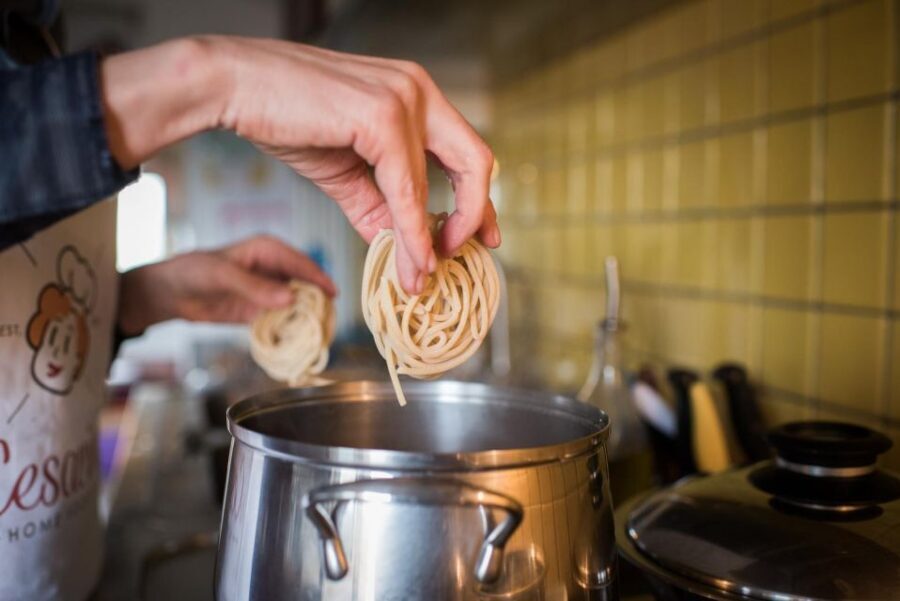
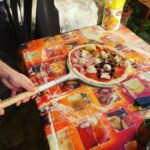
One of the best parts is how the class is structured around you as a participant. Each person has:
- A workstation
- Utensils ready to use
- Ingredients to make the dishes
That setup is more than convenience. It means you can actually practice each step. In many cooking classes, you stand at the edge, take notes, and hope you can replicate what you saw later. Here, you’re cooking during the lesson.
Taste everything you make (and don’t rush it)
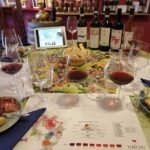
After the cooking, you taste the three pastas you prepared at the table. You’ll eat with beverages that include water, wine, and coffee. The wine offering is a selection of red and white local wines, which is a nice touch because it helps you pair and compare at least two styles rather than being limited to one.
This is also where the class becomes more than a skill session. Eating together is how Italians pace a meal, and the home setting makes that feel natural. You get to taste in context—right after learning what you made—and that makes the lesson stick.
Wine at Dinner-Level Pace, Not Party-Level Pressure
The class includes beverages, and wine is explicitly part of the plan. You’ll be served a selection of red and white local wines, alongside water and coffee.
What I like about this is the balance. Wine doesn’t feel like an add-on gimmick; it matches the fact you’re cooking and then eating around the table. You’re not juggling long lines or sprinting between stops. You can actually enjoy the meal, ask questions, and slow down enough to taste what you’re putting in front of you.
Practical tip: if you’re traveling with a schedule that’s tight later in the day, consider picking the earlier start time. You’ll still enjoy the class, but you’ll likely feel less rushed afterward.




Price and Value: Is $202.78 Worth It?
At $202.78 per person for a ~3-hour experience, this class sits in the premium range. The question is what you’re buying besides the cooking.
Here’s what’s included:
- Cooking class
- Tasting of three local pasta dishes
- Beverages: water, wines, and coffee
So you’re paying for more than instructions. You’re paying for:
- Access to a home kitchen setting (the “Cesarina” experience)
- A small group format and individualized workstation setup
- Ingredients and utensils already handled
- A full meal outcome, since you taste everything you prepare
If you’re the type who likes to take home skills, this can be a strong value because you’re not leaving with only memories—you’re leaving with the process you practiced and the dishes you tasted. If you’re mainly after a photo session or a quick taste without learning, you might find a simpler food tour more affordable. But for hands-on cooking + tasting, the included meal element makes the price easier to justify.
Finding the Right Home in Siena Without Stress
This experience happens in a local family’s home. For privacy, you receive the full address after booking. After you reserve, the local partner contacts you with the exact meeting instructions.
That sounds straightforward, but one real-world thing matters: home addresses and meeting points can be confusing if you rely on a generic instruction screen. I’d treat this like a small but serious piece of planning:
- Wait for the message with the exact address
- Read the instructions carefully
- Plan to arrive with a little extra time to locate the entrance
If you’re running late, stop and contact the host using the contact details in your confirmation voucher. The experience depends on starting on time, and home kitchens don’t have the buffer of large venues.
Who Should Book This Pasta Class (and Who Might Not)
This is a great fit if you want:
- A hands-on activity that ends in a meal
- A small group cooking experience in a real home
- Regional pasta instruction with tasting and local wine included
- English or Italian guidance (English is available)
It’s especially appealing if you like food that’s grounded in daily life, not just restaurant presentation. The table-tasting format is also ideal if you learn best by doing and then immediately eating what you made.
Who might rethink it
If your travel days are chaotic and you won’t be able to follow the meeting instructions closely, the home-address model can feel stressful. The class is timed, and you’ll want the right address and directions. Also, if you don’t drink wine and prefer activities with no wine involved, note that the class explicitly includes wine with the meal.
Dietary Needs: Easier Than You Think
The class states that the local provider can cater to all dietary requirements upon request, including vegetarian, vegan, gluten free, and more.
If you have a dietary restriction, send the request early. Don’t assume it’s covered at the last minute. Since the experience includes ingredients and workstation preparation, the host needs time to adjust what goes into your recipes.
Language and Communication That Actually Helps
The instructor is listed as available in English and Italian, which matters for two reasons.
First, you’ll understand the steps clearly rather than guessing. Second, you’ll be able to ask questions about what you’re doing and why, which is the difference between following instructions and learning a repeatable method.
If you’re comfortable with Italian, you might pick up extra phrasing naturally during the lesson. If you prefer English, you can stay fully engaged without missing details.
A Balanced View of the Experience
Overall, this is the kind of activity that works when you show up ready to cook and eat, not just watch. The structure supports that: ingredients and tools are included, the class is small, and the tasting brings everything together with wine and coffee.
The one real concern is meeting-point clarity. Because the address is shared only after booking, you need to pay attention to the instructions you receive. If you do that, the home setting becomes part of the charm rather than a hurdle.
Key Takeaways Before You Go
Hands-on cooking at a Cesarina’s home rather than a demo-only class.
You make three regional pastas and taste all three at the table.
Your workstation is set up for you with utensils and ingredients.
Wine is included with a selection of red and white local wines.
Dietary needs can be accommodated if you request in advance.
Meeting point depends on your instructions sent after booking, so follow them closely.
Should You Book This Siena Pasta-Making Class?
Book it if you want an intimate, food-first experience where you actually cook the meal and then eat it with wine in a local home. The included tasting of three dishes plus beverages (water, wines, coffee) makes it more than a short class—it turns into a proper shared meal.
I wouldn’t book it if you hate tight logistics, because the address is provided after booking and you’ll need to follow the host’s exact instructions to arrive on time. If that part sounds manageable, this is a memorable way to spend a few hours in Tuscany without feeling like you’re just consuming sights.
If you’re trying to choose between a pasta class and another food experience, this one wins for the combo of hands-on learning + table tasting + wine—all in one package.
FAQ
Where does the pasta-making class take place?
It takes place in a local family’s home in Tuscany, Italy. For privacy reasons, you receive the full address after you book.
How long is the class?
The duration is about 3 hours. Starting times depend on availability.
What time does the class usually start?
It usually begins at 10:00 AM in the morning or 5:00 PM in the afternoon, but the provider can be flexible based on travel requirements if you provide details in advance.
What will I be cooking?
You’ll make three authentic regional pasta recipes during the lesson, and you’ll taste everything you prepare.
Do I get to taste the pasta I make?
Yes. The experience includes tasting the three local pasta dishes you prepare.
Are beverages included?
Yes. The included beverages are water, wines, and coffee, with wine served as a selection of red and white local wines.
Is the class in English?
The instructor offers English and Italian.
Can the host accommodate dietary restrictions?
Yes. The local provider can cater to dietary requirements upon request, including vegetarian, vegan, gluten free, and more.
What happens after I book?
You’ll receive the address after booking, and the local partner will contact you with exact meeting instructions.
Can I cancel for a refund?
Yes. You can cancel up to 24 hours in advance for a full refund.