REVIEW · SIENA
Tuscan Culinary Secrets Unveiled: Cooking Class & Dinner
Book on GetYourGuide →Operated by MONTECHIARO - Organic Winery · Bookable on GetYourGuide
Four hours can change how you eat pasta.
At Monte Chiaro Estate in the vineyards of Tuscany, this class mixes handmade pasta lessons with an on-site dinner and organic wine pairing, all set in a small-group setting that feels more like a night at a neighbor’s agriturismo than a big tour bus event.
I like that it’s genuinely hands-on. You learn techniques for tagliatelle and ravioli, then you get to eat what you make. I also like the people factor: coaching comes from the team around Melissa and Loris, and the dinner hosting tends to be warm and personal rather than stiff.
One caution: the experience promises a lot (wine explanations, farm-to-table ingredients, and specific dishes like cantucci or tiramisu), and a small number of past groups felt the reality didn’t fully match every detail. If those parts matter to you, it’s smart to ask what you’ll be making and how the wine pairing is handled that day.
In This Review
- Key things to know before you go
- Monte Chiaro Estate: vineyards first, then the kitchen
- A quick timing reality check
- The pasta workshop: tagliatelle and ravioli the practical way
- Tagliatelle: dough you can actually manage
- Ravioli: the stuffing-and-seal moment
- Sauces, marinades, and what Tuscan flavors mean
- A “what to taste” mindset
- Dessert that lands: cantucci, tiramisu, or panna cotta
- The dinner finale: what you cooked, plus organic wine pairing
- Why wine pairing at a winery really matters
- Small-group size: the difference between learning and watching
- Practical notes that affect your comfort and outcome
- Arrive early and give yourself a buffer
- Dress for hands-on work
- Not for young kids
- Price and value: does $158.60 make sense?
- Who should book this cooking class (and who shouldn’t)
- Should you book Monte Chiaro Culinary Secrets Unveiled?
- FAQ
- How long is the cooking class and dinner?
- What is the price per person?
- Where do we meet, and how do we get there?
- What languages are used by the host or greeter?
- Is this a small-group experience?
- Is it suitable for children?
Key things to know before you go
- Monte Chiaro Estate setting: vineyards, olive trees, and an agriturismo kitchen built for real cooking.
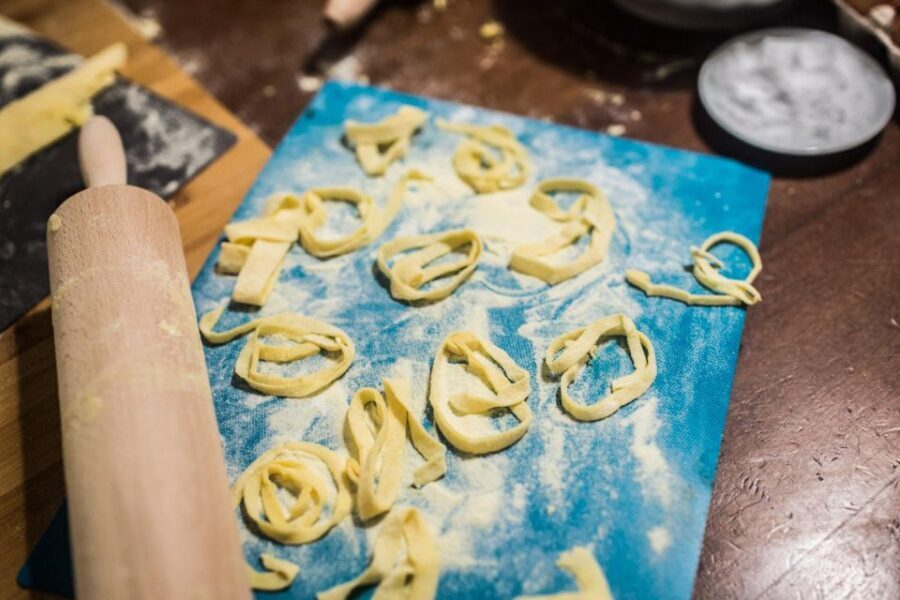
- Two handmade pasta styles: tagliatelle plus ravioli (the core skill set).
- Dinner is included: you eat your own work, paired with the estate’s organic wines.
- Small-group feel: caps are listed as up to 12, and also up to 2 participants for some runs.
- Dessert options: you may make classics like cantucci, tiramisu, or panna cotta.
- Meet-and-pick-up: start at a parking lot, then the host comes for you.
Monte Chiaro Estate: vineyards first, then the kitchen
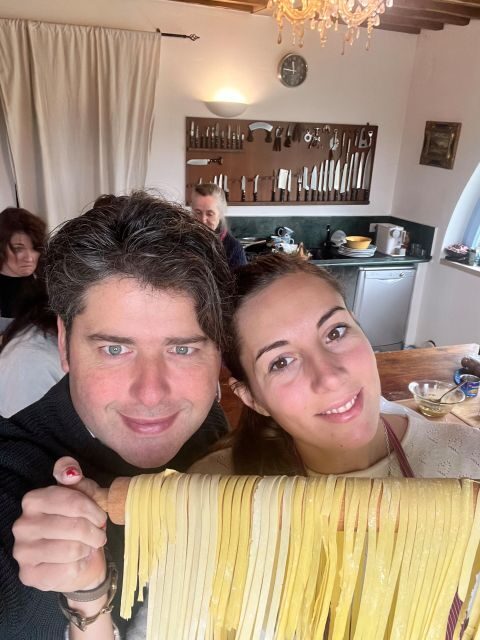
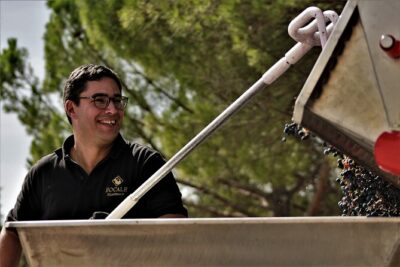
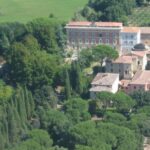
This experience starts in the best kind of Tuscan way: you arrive at an agriturismo surrounded by organic vineyards and olive trees, and you begin with the calm, lived-in atmosphere that makes farm food feel credible. You’ll park at the meeting area, then a staff member comes to pick you up and bring you in.
From a value point of view, that matters. Many cooking classes are in rooms that could be anywhere. Here, the setting supports the story: estate-grown inputs, estate-produced wines, and the sense that the people running the show actually care about the land.
The class runs about 4 hours, so you’re not doing a half-day detour just to taste a sauce and watch someone else cook. You get time to learn, cook, and eat without feeling rushed.
You can also read our reviews of more cooking classes in Siena
A quick timing reality check
Because the class length is fixed, plan to be on time (or a little early). Arriving early helps you settle in before you put your hands on dough. In a kitchen lesson, 10–15 minutes of delay can snowball fast.
The pasta workshop: tagliatelle and ravioli the practical way
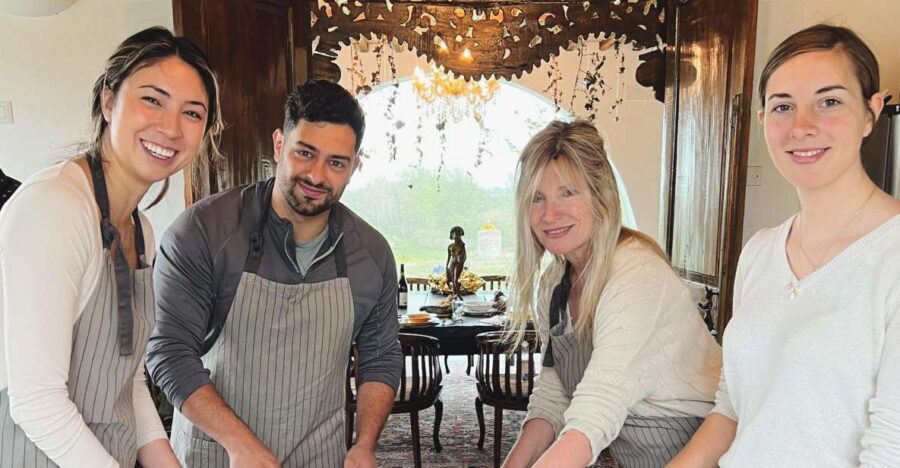
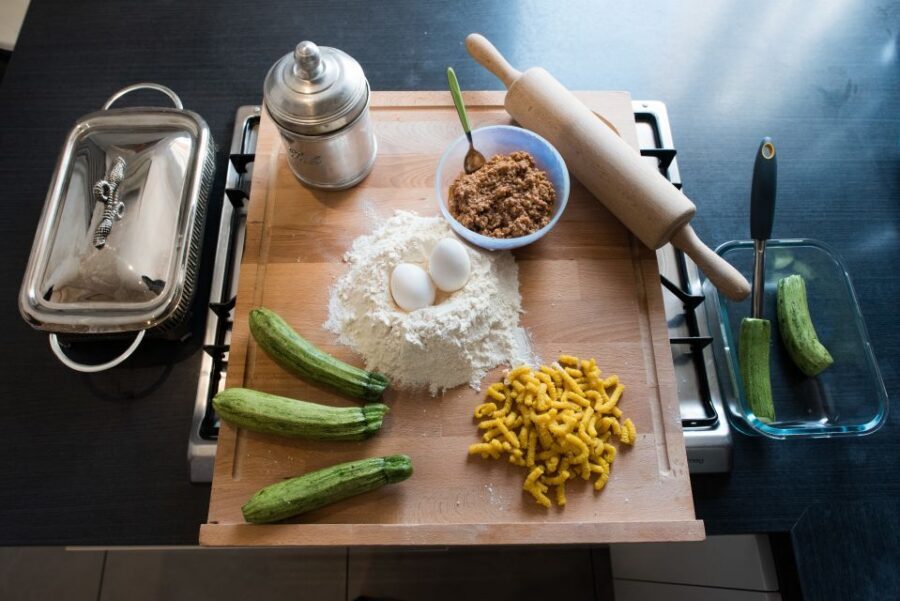
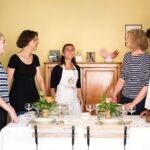
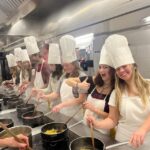
The heart of the evening is the cooking class. The teaching team includes Melissa and Loris (plus an expert kitchen group), and the focus is technique you can reuse later—kneading, shaping, and building flavor so the dish tastes like Tuscany rather than like a concept.
Here’s what you should expect to learn:
Tagliatelle: dough you can actually manage
For tagliatelle, you’ll work with fresh pasta dough and learn how to roll and cut it into ribbons. The real win isn’t just learning what shape to make. It’s learning how the dough behaves—how it should feel, and how to keep it workable as you go.
If you’re the kind of traveler who loves cooking but hates complicated steps, this is a good match. The lesson is presented as approachable and based on tradition, not kitchen-gear gymnastics.
Ravioli: the stuffing-and-seal moment
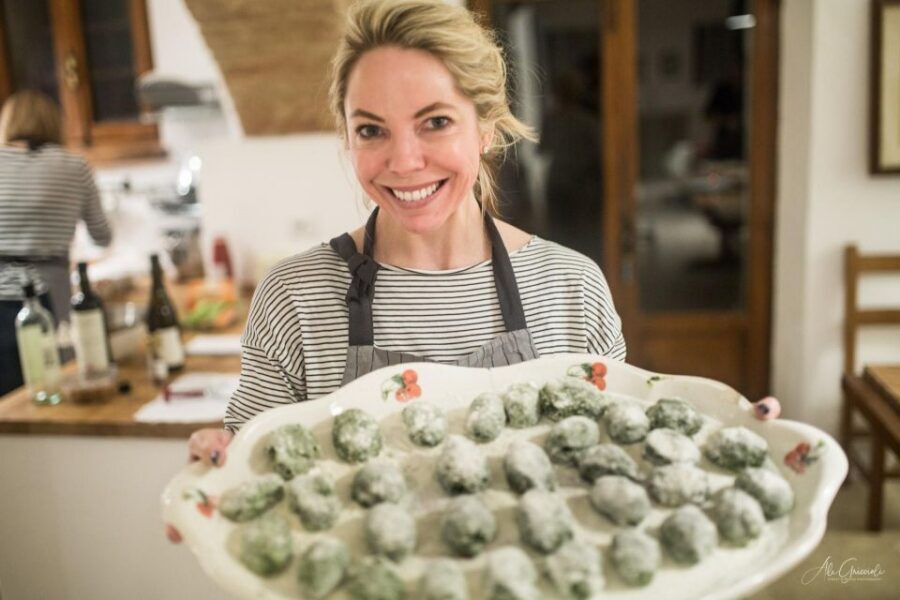
Ravioli is where your skills get tested in a good way. You’ll craft two parts—filling and pasta—and then put them together cleanly. Even if you don’t nail every fold the first time, you’ll understand the process: portioning, sealing, and getting consistent shape so the ravioli cooks evenly.
And yes, you’ll also talk about the pairing side—how to match sauces to pasta type so the final plate tastes balanced, not just heavy or salty.
You can also read our reviews of more tours and experiences in Siena
Sauces, marinades, and what Tuscan flavors mean
The experience is marketed as covering more than pasta—there’s mention of things like meat marinades and meat-based flavor work. In other words, the goal is for you to learn how Tuscan cooking builds depth: salt, acid, aromatics, time.
Still, here’s the practical angle: if you specifically want meat-marination technique (and not only pasta dough and sauce basics), don’t assume every class segment will run in the exact same way. A small number of previous participants reported that certain promised components didn’t show up as advertised.
My advice: send a quick message before you go asking what you’ll cover in the cooking portion beyond pasta. If the day’s menu is fluid, a one-line confirmation saves disappointment.
A “what to taste” mindset
When you’re in a class like this, go tasting-focused. Don’t think of it as a museum where you just watch. Think of it as a workshop where your palate is the measuring tool. Adjusting salt and understanding why herbs and aromatics matter is often where the learning sticks.
Dessert that lands: cantucci, tiramisu, or panna cotta
Dessert is part of the lesson flow, with options like cantucci, tiramisu, or panna cotta. That’s a win because these are recognizably Tuscan (and Italian in general), and you get to see how the dessert world works when it follows the same discipline as the savory dishes: technique first, then sweetness.
If dessert selection matters to you, consider asking ahead which one your session will focus on. The promise is that you’ll make a dessert following time-honored recipes, and the more clarity you have, the more you’ll enjoy the end stage rather than just hoping.
The dinner finale: what you cooked, plus organic wine pairing
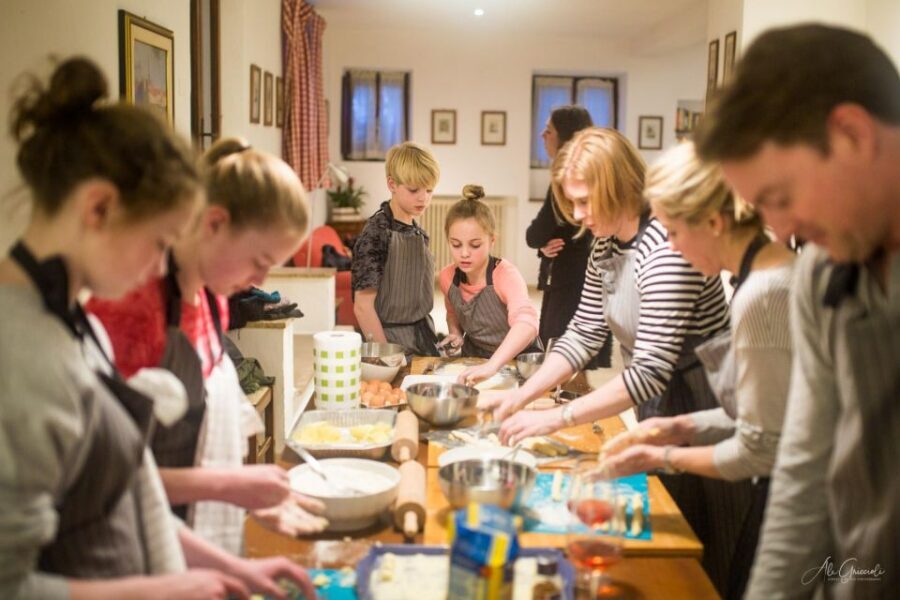
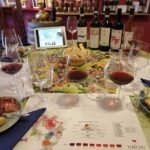
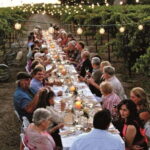
After the cooking portion, you eat. This isn’t a separate show where someone serves you a pre-made plate and calls it participation. The idea is that the dishes you prepare become your dinner, and you sit down to it with estate-produced organic wines.
That’s also where the experience can shine hardest or feel uneven, depending on execution. One past participant said wine was present but not explained or paired with the food in a way that made it obvious. Another praised the hosts and coaching more generally.
So here’s how to get the best outcome for yourself:
- If you care about wine pairing in a meaningful way, ask how the pairing will be presented.
- Pay attention to the order of service and what’s matched to what, not just the taste of the wine alone.
- Ask a question. A good host will usually respond with the story that makes the pairing click.
Why wine pairing at a winery really matters
Even without a formal lecture, the pairing is more credible when it’s coming from the same estate that cooks with the same mindset. You’re not just drinking wine because Italy loves wine. You’re tasting it in relation to the meal you learned to make.
And if the team is doing it well, you’ll walk away with a mental cheat sheet: which wine style handles fresh tomato-y flavors, which one plays nicely with pasta textures, and how sweetness on dessert changes the way red wine feels.
Small-group size: the difference between learning and watching
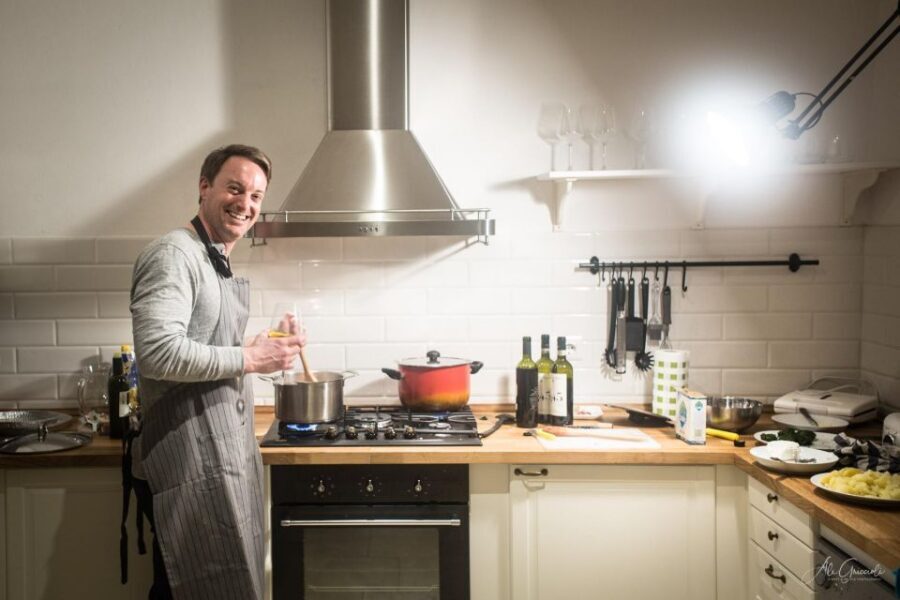
This is a small-group experience, and that’s a big deal for value. The info provided lists small-group limits as up to 12 people in general, and also notes a limit of up to 2 participants for some setups. Either way, you should expect more coaching time per person than you’d get in a big group class.
When groups are small, you can ask questions without feeling like you’re slowing everyone down. It also helps with pasta, since dough is touch-sensitive. You don’t want a “good luck” lesson. You want someone checking your work and explaining what to adjust.
If you’re traveling as a couple, this sort of format is especially good. You’ll learn together, cook together, and then share the meal right after—no waiting around with strangers while someone else gets the attention.
Practical notes that affect your comfort and outcome
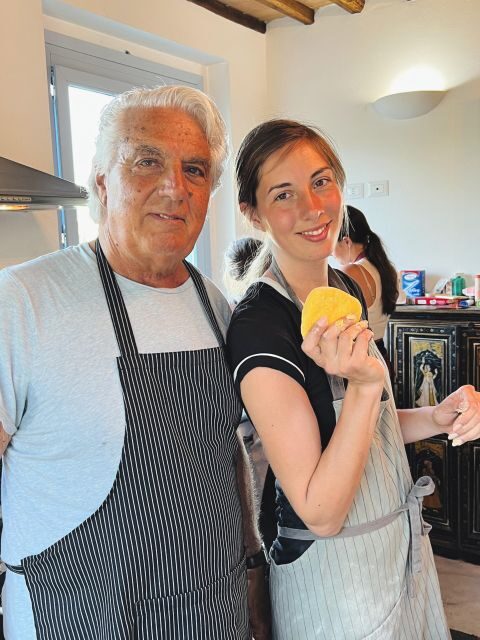
A few practical things can help you get more out of the day:
Arrive early and give yourself a buffer
You’ll meet at a parking lot, then you’ll be picked up. Arriving early helps you transition from travel mode into cooking mode. It also reduces stress when you’re trying to find the right spot and meet the right person.
Dress for hands-on work
You’ll be making fresh pasta, and that usually means flour on you and a kitchen you’ll be moving around in. Wear clothes you’re okay getting a little messy. (It’s Italy, not a sterile studio.)
Not for young kids
The experience isn’t suitable for children under 8. If you’re traveling with older kids who are comfortable in a kitchen environment, you might still want to ask directly, but the stated minimum is 8.
Price and value: does $158.60 make sense?
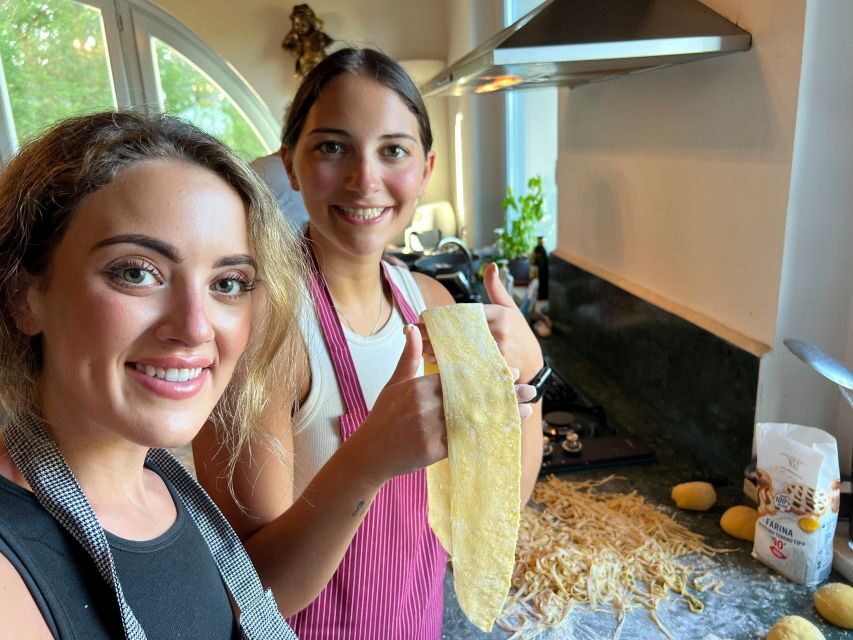
At $158.60 per person for about 4 hours, you’re paying for three things at once:
- A guided, hands-on cooking lesson (not just a tasting)
- Dinner included, using the dishes you prepare
- Organic wine pairing as part of the meal
In Tuscany, that combination usually costs more if you try to piece it together yourself: a pasta class alone, then a separate dinner, then wine. Here, you’re getting the “experience packaging” without giving up the hands-on part.
That said, value depends on alignment between promise and execution. Because there’s at least one report where parts of the menu and wine explanation didn’t land as advertised, my “smart booking” advice is to confirm your focus: which pasta, which dessert, and how wine pairing will be handled during your seating.
If those answers match what you’re hoping for, the price can feel fair-to-good. If not, you may be paying for a format that lands softer than expected.
Who should book this cooking class (and who shouldn’t)
This is a strong pick if you want:
- Hands-on pasta skills you can recreate later
- A vineyard setting that makes the food feel connected to the land
- A dinner experience with organic wines included
- A smaller group where coaches can actually help while you’re working
You might skip it if:
- You’re very specific about learning meat-marination techniques in detail and want it guaranteed
- You expect wine pairing to come with a detailed explanation for each course
- You’re mainly looking for “wow factor” without hands-on cooking
Also, if you’re the type who hates uncertainty, send a message beforehand to lock in what you’ll be making and how the wine pairing is structured.
Should you book Monte Chiaro Culinary Secrets Unveiled?
If you want a classic Tuscan evening that starts in the vineyards and ends at the table with what you cooked, I think this is worth considering. The best reason to book is the format: fresh pasta instruction plus an included dinner in a small-group setting, with wine from the estate.
My only condition is simple: don’t buy on vibes alone. Confirm the dessert choice and how the wine pairing is handled that day, especially if you care about the promised segments beyond pasta. If the details line up with what you want, this can be one of those Tuscan meals that sticks with you for years.
FAQ
How long is the cooking class and dinner?
It lasts about 4 hours.
What is the price per person?
The price is listed as $158.60 per person.
Where do we meet, and how do we get there?
You arrive to a parking lot, park your car, and the host will come pick you up at the meeting point. The activity ends back at the meeting point. Complimentary parking is included.
What languages are used by the host or greeter?
English and Italian.
Is this a small-group experience?
Yes. Small group limits are listed as up to 12 people max, and the activity also notes small group limited to 2 participants.
Is it suitable for children?
No, it is not suitable for children under 8 years.