REVIEW · LUCCA
Lucca: Picnic Lunch at a Vineyard by Bike
Book on GetYourGuide →Operated by Tourist Center Lucca · Bookable on GetYourGuide
Lucca by bike turns an ordinary afternoon into a quiet, countryside day. You’ll pedal out from the historic feel of Lucca and follow an app-led route that keeps you off the busier stretches, then reward yourself with a vineyard picnic. It’s a simple setup: ride when you want, stop when you want, and let the phone handle the directions.
I love how straightforward it is to get moving. You get a properly set-up bike experience with a phone holder, helmet, lock, and a repair kit, plus an easy self-guided app route so you can stop without worrying. I also like that the ride is timed for a full afternoon without pretending you’ll be flying through Tuscany—there’s a real picnic break waiting for you.
One thing to think about: the ride is labeled easy/moderate, but there are a couple of hill pushes. If you’re not used to cycling, choosing an e-bike makes the experience feel relaxed instead of work.
In This Review
- Key things to know before you go
- Getting Started Outside Lucca Train Station: Briefing, Bike Fit, and Fast Setup
- Leaving Lucca Walls: The First Stretch and Why It Feels Easier Than You Think
- The Serchio River Greenway Ride: Scenic, Quiet, and Good for Relaxed Pacing
- Choosing Trekking vs E-Bike: The Hill Reality That Changes Everything
- Vineyard Arrival: The Welcome, Picnic Setup, and What’s Included
- How the Timing Works: Distance, Ride Pace, and Getting Back Before Dinner
- Price and Value: Why $70 Can Feel Like a Deal in Tuscany
- What to Expect on the Road: Safety, Phone Tips, and Common Friction Points
- Who This Is Best For (and Who Might Want to Skip It)
- Should You Book This Bike-and-Picnic Day?
- FAQ
- How long is the Lucca vineyard picnic bike tour?
- What does the $70 per person price include?
- Is the lunch included, or will I need to pay extra?
- How do I follow the route?
- Do I need to bring my own bike lock or helmet?
- What bike options are available, and who can ride them?
- Is the ride flat?
- How far will I ride?
- What should I bring for the ride and picnic?
- Is the experience available in English?
Key things to know before you go
- App-led route with phone support so you stay on track
- E-bike vs trekking bikes depending on your comfort and height
- Low-traffic routing that uses the Puccini cycle path area and the Serchio river corridor
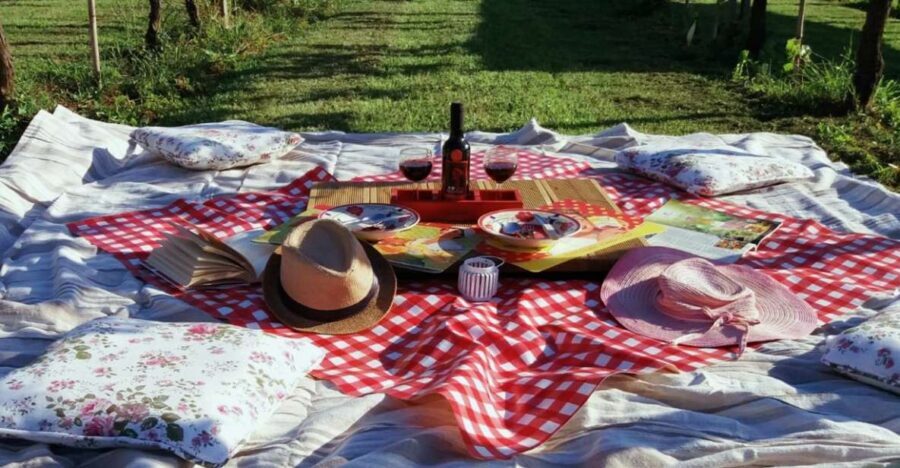
- Vineyard picnic with tastings plus a warm welcome at the estate
- Time for the cellar if you want to learn more than just snack and go
Getting Started Outside Lucca Train Station: Briefing, Bike Fit, and Fast Setup
Your day begins just outside the train station area in Lucca, on the left side of the station (easy to spot once you’re there). This matters because it puts you close to the city center without starting the ride in the thickest traffic web.
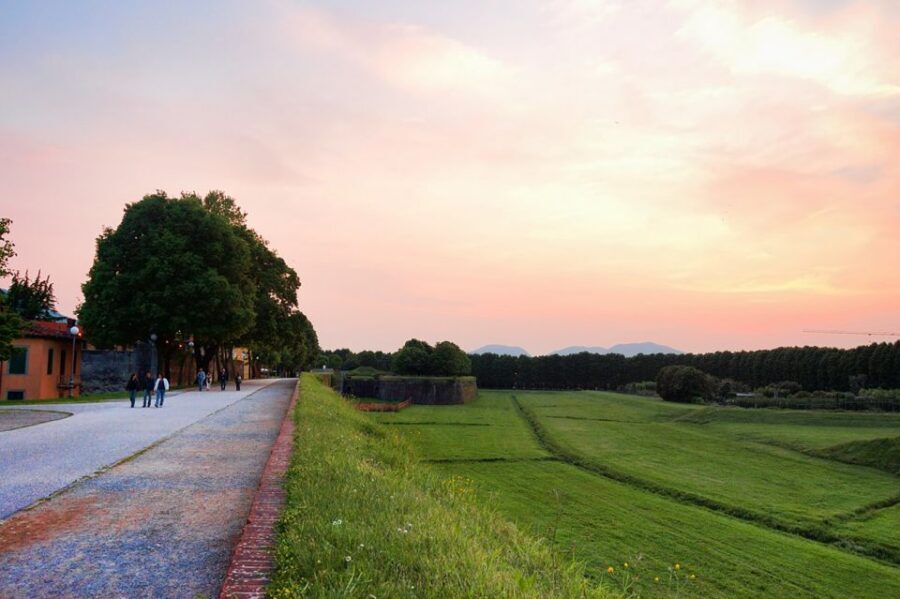
Before you roll, you’ll get a short safety briefing at the rental shop. It’s not a lecture; it’s about getting you comfortable with the bike setup and the plan for the app navigation. You’ll then start your route on the first stretch near the Lucca walls, where the terrain begins to feel like you’re leaving the city behind.
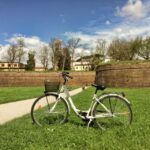
Bike fit is taken seriously here. You can choose a comfortable trekking bike (for those at least 150 cm tall) or an e-bike (for those at least 155 cm and 14 years old). The bikes also come with a phone holder for the handlebar, plus a side bag, which is useful because you’re going to want your phone mounted while cycling.
Bring comfortable shoes and clothes. You’re outdoors for a few hours, and even on an “easy” route, you’ll be pedaling. I also strongly recommend charging your phone fully before you leave, because the route directions live on that screen.
You can also read our reviews of more cycling tours in Lucca


Leaving Lucca Walls: The First Stretch and Why It Feels Easier Than You Think
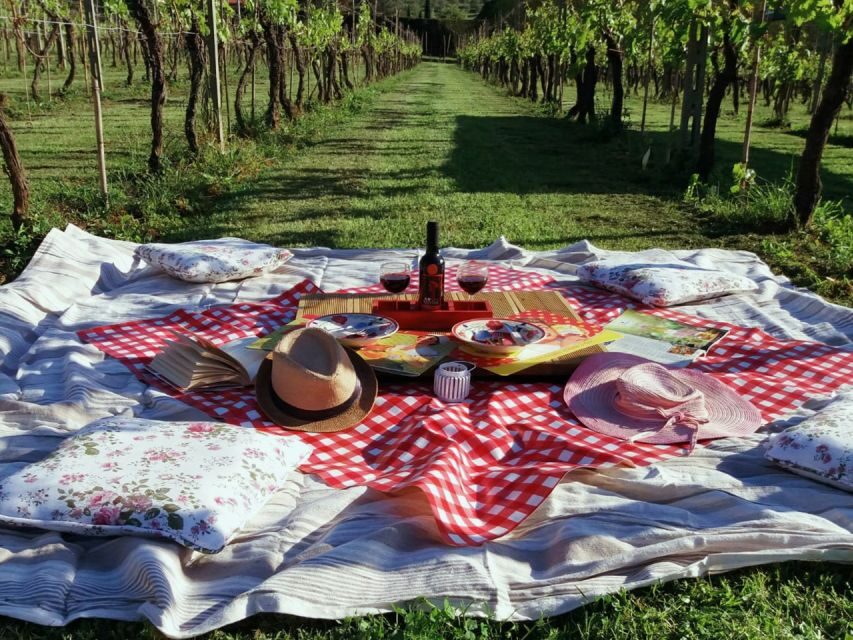
The ride is designed to get you out of Lucca smoothly. The first part gives you views and an intro to the hills just beyond the walls, but it’s not trying to punish you right away. This is a big deal in practice because Lucca’s edges can be busy, and your goal is to transition from city motion to countryside calm.
Once you follow the directions, you’ll avoid the local traffic and steer onto bike-friendly routing. The route uses the Puccini cycle path concept and then lines up with the Serchio river corridor, where the experience shifts from city edges to scenic riding.
In other words, the ride isn’t just distance for the sake of distance. It’s a “how to feel Tuscany” route: you’ll get the sense of rolling countryside without white-knuckling through streets. People who like to arrive without stress tend to appreciate this part most.
Real talk: there’s often a busier stretch when you first leave town and again when you get closer on the return. It’s not constant, but it’s enough that you should stay alert and hold your line if you’re riding slower.
The Serchio River Greenway Ride: Scenic, Quiet, and Good for Relaxed Pacing
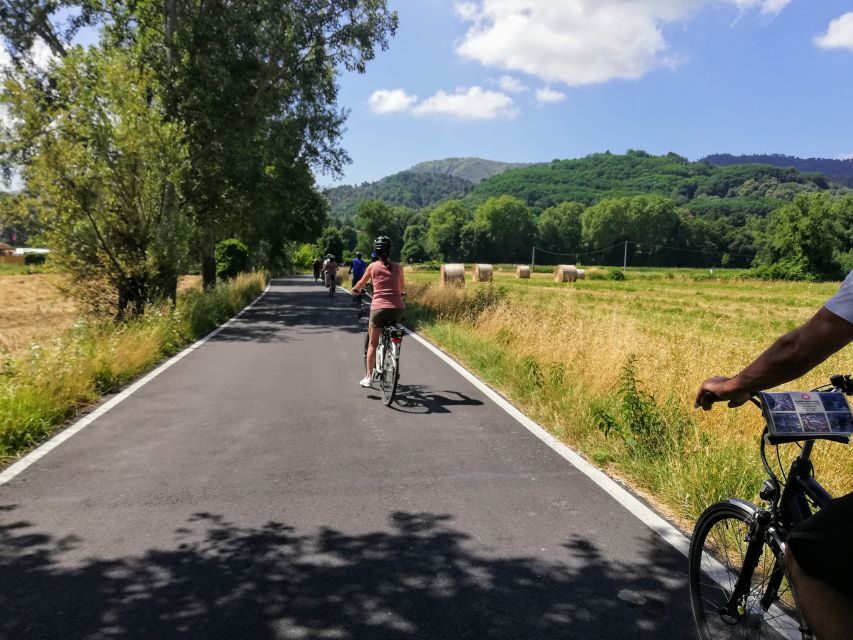
One of the most rewarding pieces is the time spent riding along the Serchio river area. This is where the ride starts feeling like an actual escape instead of just cycling to a destination.
You’ll cover a self-guided segment through the province of Lucca and then a second stretch tied to the river corridor. The terrain is described as easy with some ups and downs, which matches what you’ll feel: not flat-flat, but not steep-steep either.
This part is ideal if you like steady effort. You can settle into a rhythm and let the countryside do its job. You’ll roll past olive groves and vineyards, and the route’s design keeps you away from the busiest roads for much of the journey.
If you’re wondering what to expect in the “up and down” category, think of it like this: most of the day feels comfortable, and then you hit a couple of hill pushes that test your legs. That timing matters because it lets you get used to the bike before the work shows up.
Choosing Trekking vs E-Bike: The Hill Reality That Changes Everything
Difficulty is listed as easy/moderate, and that’s accurate. Here’s the part that matters for decision-making: how you handle the last couple of miles can make or break your mood.
Some riders did the trip on normal trekking bikes and found the end portion strenuous, especially on very hot days. Others took e-bikes and felt it as a smooth, enjoyable ride. So the choice isn’t just about comfort; it changes how you experience the entire afternoon.
If you’re new to cycling, you haven’t ridden in a while, or you simply want to arrive smiling (not dragging), an e-bike is the safe play. E-bikes are available for people at least 155 cm and 14+.
If you’re comfortable on a bike and want the more athletic version, trekking bikes are fine, but plan for effort late in the ride. One review advice I’d echo: if it’s hot, a manual bike can feel like real work on the inclines, even if the rest of the route is manageable.
Also note what you can’t attach: no seat, trailer, or tag-along can be connected to e-bikes. If you’re traveling with kids or need special bike attachments, check in ahead.
Vineyard Arrival: The Welcome, Picnic Setup, and What’s Included
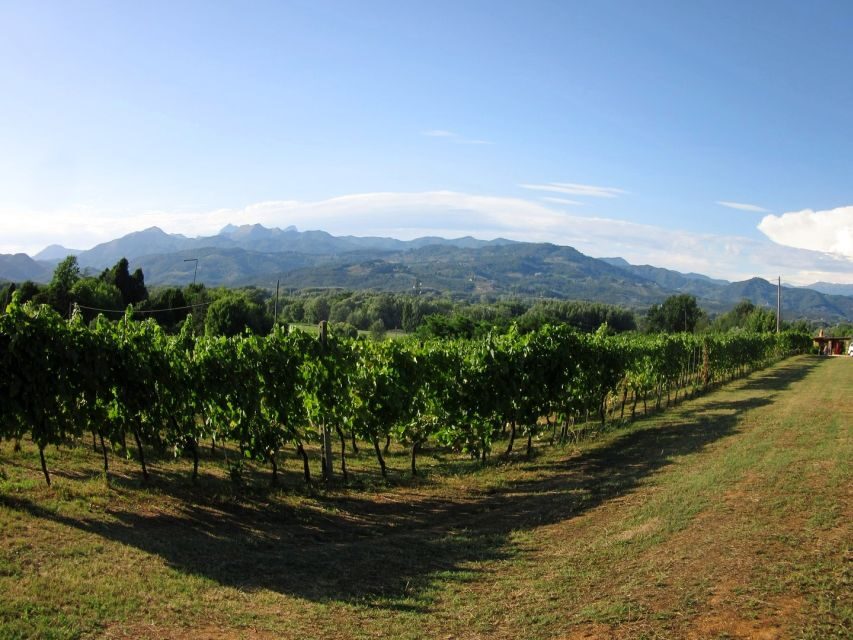
At the winery, the vibe shifts immediately. You’re no longer thinking about routing and turns; you’re focusing on lunch, shade, and a slower pace.
The farmer’s welcome is part of the value here. Instead of dropping you at a building and letting you wander, you’ll get a friendly greeting and a chance to learn something before eating. Then comes the picnic box with tastings of local foods and wine, plus included items like one glass of wine.
You can choose where to sit on the grass. That simple freedom is more important than it sounds. Pick shade, pick a breeze, spread out, and make it feel like your own afternoon instead of a timed lunch line.
You’ll also have time to visit the cellar. If you enjoy wine details, you’ll likely appreciate the chance to ask questions. One rider mentioned a guide named Francesca who explained how wine is made, and that kind of on-site storytelling is exactly why a vineyard stop feels better than a generic lunch.
If you want more wine than what’s included, additional tastings are available at an extra cost. That option is for people who actually want to keep learning and tasting, not for everyone who just wants the picnic.
You can also read our reviews of more tours and experiences in Lucca



How the Timing Works: Distance, Ride Pace, and Getting Back Before Dinner
This trip is built for a 3.5-hour afternoon. A typical breakdown is about 15 km riding out plus around 5 km on the way back, with the vineyard time included in the overall schedule.
You’ll usually spend about 1.5 hours cycling to the winery, then about an hour and a half relaxing at the estate. The return is shorter in feel, and the ride back is often described as easier because it’s mainly down hill and quicker.
One practical detail: the full ride plan depends on your pace, and some riders found they took longer on a hot day. That’s normal with cycling. If you’re worried about time, choosing an e-bike can help you keep the pace comfortable without feeling rushed.
Your host will wait for you back at the rental shop before 19:00. That means you’re not getting stuck wondering if the day will run long. Still, give yourself buffer time if your picnic turns into a slow, chatty afternoon.
Price and Value: Why $70 Can Feel Like a Deal in Tuscany
At $70 per person, you’re paying for more than a bike rental. You’re paying for a guided-by-app self-guided countryside day with the logistics handled: bike, lock, helmet, phone mounting setup, safety support, navigation app, and the picnic box at the winery.
Here’s why it can feel like good value:
- You get a real activity that mixes movement and rest, not just a short transfer to a restaurant.
- The winery stop includes a curated picnic box with local tastings and wine, plus time to visit the cellar.
- The app route design reduces stress, which is worth real money when you’re riding without a local guide.
Could you spend less by renting a bike and picking your own winery stop? Maybe. But the time you’d spend planning, figuring out routes, and negotiating lunch details is part of the cost you’re avoiding here.
The best value shows up when you match the bike to your comfort. If you need help on hills and you rent a trekking bike anyway, you might end up working harder than you wanted. If you rent the right bike, the afternoon feels well paced and worth the price.
What to Expect on the Road: Safety, Phone Tips, and Common Friction Points
This is self-guided, which is great for independence, but you still need to ride smart. The phone holder helps, and the app route is meant to keep you from getting lost. The vast majority of people reported easy navigation and not missing turns.
Still, here are the friction points to watch:
- Your phone battery. People explicitly advised making sure your phone is fully charged, because you’ll be using it for directions.
- The “last stretch” can feel tougher on manual bikes.
- Getting out of Lucca can involve busier areas at the start or end. The route is designed to avoid traffic, but you can still expect some mix of riders, bikes, and street activity near town.
Bring a little patience for the practical side. Put your phone on the holder, keep it charged, and don’t hesitate to slow down when you need to. This isn’t a race.
Who This Is Best For (and Who Might Want to Skip It)
This experience fits you best if you want a countryside afternoon without complicated logistics. It’s especially good for:
- Couples and friends who want independence rather than a group tour pace
- Active travelers who enjoy cycling but don’t want to spend time planning every turn
- Wine lovers who like learning a bit on-site, then eating and relaxing outdoors
- People who are staying in Lucca and want something memorable beyond walking the walls
You might hesitate if:
- Hills are a deal-breaker for you and you’re tempted to choose trekking bikes without confidence
- You rely on a phone that dies easily (battery management becomes part of your job)
- You need bike accessories like trailers or tag-alongs, which can’t be connected to the e-bikes
Should You Book This Bike-and-Picnic Day?
I think this is a strong pick for most visitors to Lucca who want an authentic slice of Tuscany with minimal stress. The biggest reasons to book are the combination of scenic river riding, a clearly structured app route, and a genuine vineyard picnic stop that gives you time to slow down.
If you’re unsure about fitness, choose the e-bike. It’s the simplest way to keep the day from turning into a hill workout. If you’re comfortable cycling and want the challenge, trekking bikes can work well, but plan for some effort later in the ride.
For a well-paced afternoon that mixes movement, countryside views, and a real vineyard lunch, this is one of the more satisfying ways to spend time outside Lucca.
FAQ
How long is the Lucca vineyard picnic bike tour?
The total duration is about 3.5 hours.
What does the $70 per person price include?
It includes the bicycle, lock, helmet, the itinerary on the app, phone holder, repair kit, side bag, and a picnic box at the winery with one glass of wine.
Is the lunch included, or will I need to pay extra?
Lunch is included in the picnic box. Extra wine tastings are available separately at an additional cost.
How do I follow the route?
You’ll use a free app on your phone with a customized itinerary. The bike also includes a phone holder so you can navigate while riding.
Do I need to bring my own bike lock or helmet?
No. Helmet and a lock are included.
What bike options are available, and who can ride them?
Trekking bikes are for people at least 150 cm tall. E-bikes are for people at least 155 cm tall and at least 14 years old.
Is the ride flat?
It’s described as easy/moderate, with easy ups and downs among olive groves and vineyards, plus some hill work toward the end for some riders.
How far will I ride?
The ride is typically 15 km to the vineyard plus about 5 km back. The bike time is usually about 1.5 hours to the winery plus about 30 minutes on the return.
What should I bring for the ride and picnic?
Wear comfortable shoes and comfortable clothes.
Is the experience available in English?
The host or greeter is available in English and Italian.