REVIEW · FLORENCE
Dolce Vita by Day Market Tour & Pasta Making Class
Book on Viator →Operated by The Dolce Vita Experience · Bookable on Viator
Florence tastes better with flour on your hands. This Dolce Vita by Day experience pairs a hands-on market walk with real cooking in a Florentine apartment in Sant’Ambrogio. I love the market shopping focus (seasonal ingredients, cheese, salumi stops), and I love that you make a full lunch—two fresh pastas, two sauces, plus tiramisu. The only real drawback: it is not recommended for vegans, because the menu centers on traditional dairy and other typical Italian ingredients.
You start in the morning, then you cook while you hear neighborhood life around you—less museum mode, more real-day Florence. If your host is Ileana (she’s praised for being charming and helpful), you’ll get clear explanations about food culture while you work. Expect a relaxed pace that still ends with a very satisfying meal and some wine selected to match what you made.
In This Review
- Key things I’d zero in on before you book
- Sant’Ambrogio morning: the fastest route to local food Florence
- Market tour in Florence: what you’ll actually learn to buy
- Sampling salumi and cheese like a pro (and not just a tourist)
- Bakery stop: Tuscan bread and biscotti for the road (and your memory)
- Back to an apartment kitchen in Florence: where the class becomes real
- Fresh pasta making: what you’ll produce with your own hands
- Sauces, wine, and how the pairing actually helps your cooking
- Dessert: tiramisu, served after you earn it
- Price and value: why $149.81 can make sense here
- Who this Florence class suits best (and who should skip)
- Quick practicalities to plan your day
- Should you book Dolce Vita by Day Market Tour & Pasta Making Class?
- FAQ
- How long is the Dolce Vita by Day Market Tour & Pasta Making Class?
- Where does the tour start?
- What’s included in the experience?
- Is this a private tour?
- Is it vegetarian-friendly?
- What is the cancellation policy?
Key things I’d zero in on before you book
- Seasonal market shopping with guidance on what to buy (produce, herbs, cheese, salumi)
- Hands-on fresh pasta making with a host who teaches as you go
- A full menu, not just a single pasta: two pastas, two sauces, tiramisu
- Taste stops including artisanal salumi and cheese plus Tuscan bread and biscotti
- Wine and prosecco pairings chosen to go with your seasonal cooking
- Private format for your group, so questions don’t get lost in a crowd
Sant’Ambrogio morning: the fastest route to local food Florence
Most Florence food experiences either focus on walking or cooking. This one blends both, which is exactly why it works. You meet at Via Pietrapiana, 14, right at the center of town, and then you shift into a neighborhood that feels like it belongs to locals, not tour buses.
Sant’Ambrogio is a smart choice for this kind of class. You’re close enough to the main sights to feel practical, but you’re not stuck in the most touristy streets. By the time you reach the market, you already have a “where am I?” handle on Florence—markets, apartment life, and food culture all feel like one connected story.
Also, this format means the cooking doesn’t feel random. You’re not just learning technique. You’re shopping with a purpose, then using what you bought immediately. That makes the meal feel personal in a way restaurant cooking rarely can.
Practical note: the start time is 10:00 am, and the total experience runs about 5 hours. Build your day around that block. You’ll be eating and drinking during it, so treat the rest of your afternoon like a “no big plans” window.
You can also read our reviews of more shopping tours in Florence
Market tour in Florence: what you’ll actually learn to buy
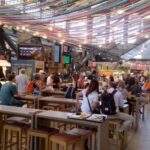
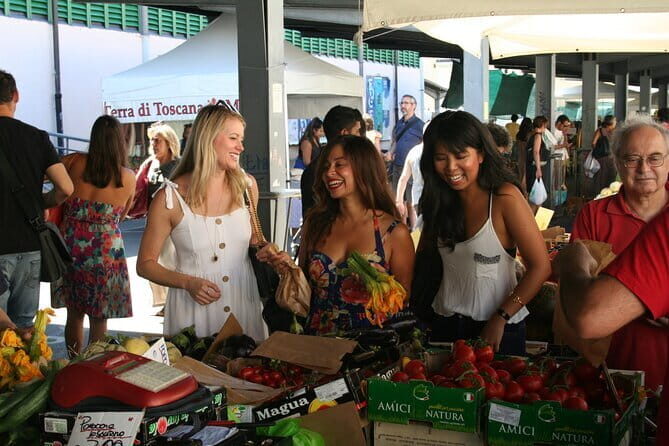
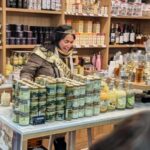
The market part is more than a stroll. You’ll be guided toward seasonal ingredients and shown what to look for in a real Italian shop setting: zucchini, tomatoes, stone fruits, citrus, aromatic herbs, plus cheeses and salumi. That list matters because it tells you the class isn’t designed around generic pantry items. It’s built around what’s good right now.
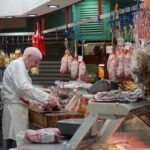
You’ll also get time to meet vendors—specifically market contacts tied to butchery and cured meats, plus the salumi and cheese people who sell the stuff Italians actually base their meals on. This is where the experience becomes more useful than a typical cooking class, because you learn how Italians think about sourcing:
- Buy ingredients that match the season.
- Taste as you shop, not after.
- Treat cheese and cured meats like ingredients with personality, not toppings.
If you’re the kind of cook who likes to recreate meals at home, this is the part that helps you understand what matters. You’re learning selection logic, not just recipes.
Sampling salumi and cheese like a pro (and not just a tourist)
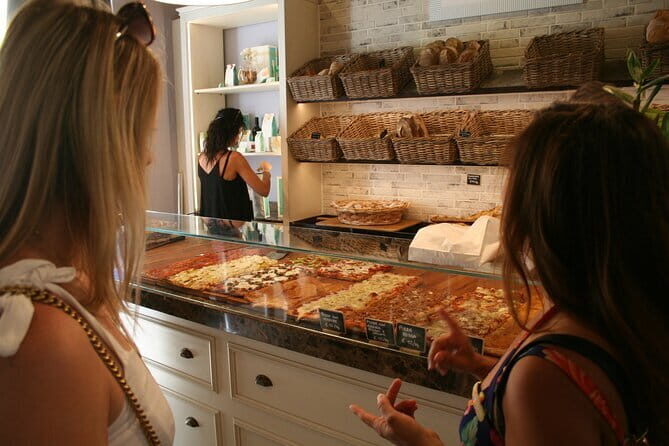
A big plus here is that you get to try artisanal salumi and cheese while you’re in the market area. That does two things for you.
First, it helps you understand why certain pairings work in Tuscan cooking. A cheese you taste at the source often behaves differently in your final plate than what you’d choose from a supermarket shelf. Second, it gives you context for the later steps in the class, since the cooking focuses on seasonal pastas and sauces.
The cured meats and cheese stops also break the day up in a good way. You’re not just watching the host talk while you walk. You sample, you ask questions, and then you move on. It keeps your energy up through a full morning.
If you’re sensitive to strong flavors, start with small bites and slow down. Salumi can be intense, especially if you’re new to it. But that intensity is exactly why it’s so central to many Tuscan meals.
Bakery stop: Tuscan bread and biscotti for the road (and your memory)
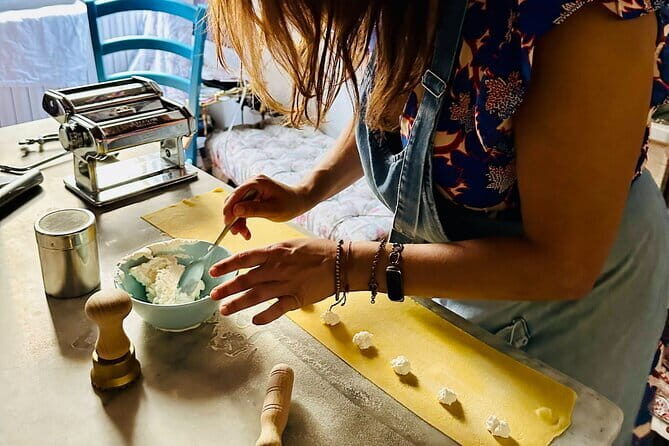
Before the cooking starts, you’ll head to a bakery where you can pick up Tuscan bread and biscotti. The class doesn’t just mention these items—it treats them as part of the experience.
Expect you’ll try some freshly made Tuscan bread and biscotti. This is one of those quietly high-value elements: it’s extra food, yes, but it also shows you the texture and flavor contrast that Italian meals lean on. Crunchy biscotti and bread that tastes like real flour and baking can make the later meal feel even better.
One small tip: pace yourself. It’s tempting to keep eating from every stop, but you’re about to cook and then sit down for lunch. Save room for the meal you make.
Back to an apartment kitchen in Florence: where the class becomes real
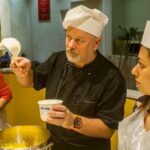
After the market, you return to a Florentine apartment in Sant’Ambrogio to cook. That’s not a throwaway detail. Apartment cooking changes the vibe. It feels like you’re joining a local routine instead of taking a performance-class.
You’ll hear neighborhood life while you cook, which keeps the experience grounded. You get the sense that this is what everyday Florentines do: buy good ingredients, cook them well, and eat without rushing.
The setup also helps with learning. When you’re in a real kitchen environment, you can follow along more naturally. There’s less sense of being herded from station to station.
If you’re curious about food culture, this is the moment to ask questions. The host’s explanations tend to focus on the why behind the steps—how Italians think about flavor balance and timing—rather than only the mechanics of rolling dough.
You can also read our reviews of more tours and experiences in Florence
Fresh pasta making: what you’ll produce with your own hands
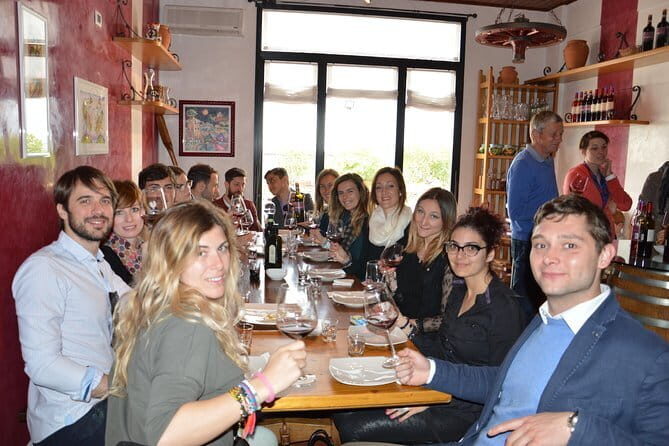
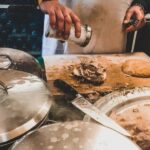
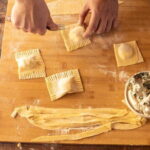
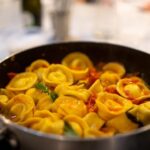
This is the core of the experience, and it’s built to be more than one simple pasta shape. You’ll prepare fresh pasta with your host, then enjoy what you made with wine selected to complement your seasonal pastas.
The menu includes two fresh pastas. While you’re learning, you’re also generating a finished meal, which is where the day clicks. You aren’t spending hours on prep for something that never gets served. You’re building lunch that ends up on your table.
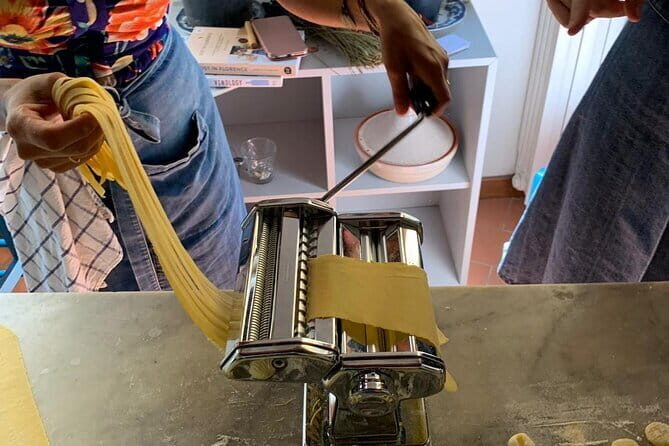
Expect a hands-on style. You’ll work through the pasta process, likely including rolling and shaping as guided by your host. The tone is practical and relaxed, based on how people describe the class: friendly, educational, and not stiff.
Also, the class supports vegetarian diners. Since you’re making traditional Italian-style dishes with seasonal ingredients, you’ll see how veggie-friendly cooking can still feel classic rather than like an afterthought. (If you’re vegan, though, read the next caution carefully.)
Sauces, wine, and how the pairing actually helps your cooking
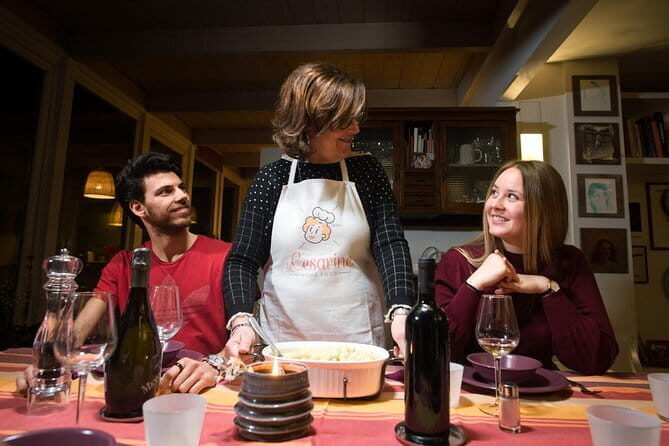
Along with two pastas, you’ll make two sauces. That’s a smart design because it turns pasta from a “main event” into a whole plate experience. The sauces also give you a chance to learn how Italian cooking uses ingredients differently—especially when you’re working seasonally.
During the meal portion, you’ll have wine selected by your host to complement what you created. You’ll also have prosecco as part of the experience. This is where the class does more than feed you. It teaches you the direction of pairings in a way that’s easy to remember when you cook later.
A practical way to use this at home: taste the sauce first, then taste the wine, and notice how the flavors shift. That helps you understand pairing logic without needing a sommelier degree.
Dessert: tiramisu, served after you earn it
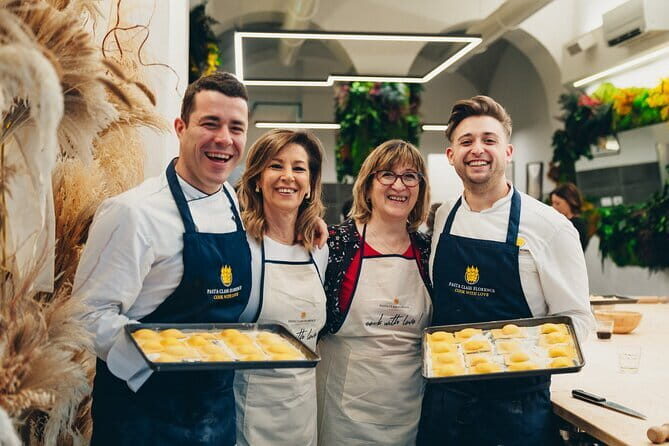
Dessert is tiramisu, and it’s included as part of the cooking day. Since you’ve been active since morning, tiramisu at the end feels like the proper ending, not an extra. It ties the menu together with a classic Florence-style finish.
The best part is that you’re not just eating it—you’re completing your meal you built from market to table. That’s where the day earns its reputation as memorable.
If you like sweets, expect to enjoy it. If you don’t, you can still take small tastes and focus on the overall meal balance.
Price and value: why $149.81 can make sense here
At $149.81 per person for about 5 hours, this isn’t a “cheap eats” activity. But it can be good value if you compare it to what you’d otherwise pay for separately.
Here’s what you’re getting that you usually pay for one-by-one:
- A guided market visit focused on seasonal ingredients
- Tastings including artisanal salumi and cheese
- Fresh Tuscan bread and biscotti from a bakery
- Hands-on instruction to make two fresh pastas and two sauces
- Wine (plus prosecco) paired with your food
- Tiramisu included
The real value is the bundled learning and the meal you produce. A cooking class where you leave hungry is a letdown. This one is structured so you cook and then eat what you made, with pairings that connect the steps.
If you enjoy food and want more than a photo-and-then-leave tour, you’ll likely feel this price is fair.
Who this Florence class suits best (and who should skip)
This is a strong fit if you:
- Want a cooking class with market context, not just instructions in a kitchen
- Like Tuscan food culture: cheese, salumi, bread, herbs, seasonal produce
- Prefer a relaxed, private setting where you can ask questions
It’s also a decent match for vegetarian diners. The menu is described as vegetarian-friendly, and the cooking is built around fresh ingredients and sauces that can work well without meat.
Skip it if you’re vegan. The experience isn’t recommended for vegans, so you should look for a different class designed around plant-based Italian cooking.
Quick practicalities to plan your day
You’ll start at 10:00 am and spend about 5 hours. The tour ends back at the meeting point, so you can plan lunch-after-life accordingly—though you’ll likely be full.
You’ll get a mobile ticket, and the meeting area is near public transportation. Service animals are allowed. And because it’s a private tour/activity, it’s only your group, which generally makes it easier to manage pace and questions.
Should you book Dolce Vita by Day Market Tour & Pasta Making Class?
I think it’s worth booking if your goal is to leave Florence with a real connection to Italian ingredients and cooking technique. The pairing of Sant’Ambrogio market shopping with hands-on pasta making, plus the tastings and wine, creates a full-food day rather than a single cooking moment.
I’d pass if vegan eating is non-negotiable, or if you already know you only want a light snack and a brief demo. This is a full class and a full meal, so bring an appetite and curiosity.
FAQ
How long is the Dolce Vita by Day Market Tour & Pasta Making Class?
It runs for about 5 hours.
Where does the tour start?
You’ll start at Via Pietrapiana, 14, 50121 Firenze FI, Italy. The experience ends back at the meeting point.
What’s included in the experience?
You’ll visit a local farmer’s market, try artisanal salumi and cheese, stop at a bakery for Tuscan bread and biscotti, then return to an apartment in Sant’Ambrogio to make two fresh pastas, two sauces, and tiramisu, along with prosecco and wine pairings.
Is this a private tour?
Yes. It’s a private tour/activity, and only your group participates.
Is it vegetarian-friendly?
Yes, it’s described as vegetarian-friendly. It is not recommended for vegans.
What is the cancellation policy?
You can cancel for a full refund up to 24 hours before the experience starts. If you cancel less than 24 hours before, the amount paid is not refunded.
More Shopping Tours in Florence
More Tours in Florence


More Tour Reviews in Florence
- Tuscany Day Trip from Florence: Siena, San Gimignano, Pisa and Lunch at a Winery
★ 5.0 · 21,634 reviews - The Best tour in Florence: Renaissance & Medici Tales – guided by a STORYTELLER
★ 5.0 · 12,316 reviews