REVIEW · PERUGIA
Perugia: 2-Hour Private Walking Tour
Book on GetYourGuide →Operated by Florence Tours by Made of Tuscany · Bookable on GetYourGuide
Perugia feels best when someone explains what you’re actually looking at. This private 2-hour walking tour turns the city’s Etruscan, Roman, and Medieval layers into a simple route you can follow. I especially like the focus on the Fontana Maggiore and its Latin inscriptions, and how the guide ties each stop to the power that shaped the city. One thing to consider: it’s a walking tour in a hill town, so you’ll want comfortable shoes and you may feel it on your legs if you’re not used to city walking.
Your route is built around major landmarks you can reach on foot in the historic center: Piazza IV Novembre, Rocca Paolina, the fountain, and the Palazzo dei Priori. I also like that it’s private, so you get real-time pacing (and you can ask questions) instead of rushing with a crowd. The tour runs with live guides in multiple languages—Italian, French, English, Spanish, and German—so you’re not stuck with vague descriptions.
In past groups, the guide approach has really landed. One guest singled out a guide named Catia for making the history and spirit of Perugia feel alive. If you want a short, meaningful orientation to the city with a local voice, this is a strong fit.
In This Review
- Key Points I’d Prioritize Before You Book
- Getting Oriented in Perugia: Piazza Italia to the Historic Core
- Cathedral of San Lorenzo and Piazza IV Novembre: The Look-Down-Listen Moment
- Rocca Paolina: When Pope Paul III’s Power Got Built in Stone
- Fontana Maggiore: Latin Inscriptions, 1278 Craft, and Medieval Iconography
- Palazzo dei Priori: Gothic Civic Power and the Griffins-and-Lion Detail
- How the 2-Hour Private Format Changes the Feel of Perugia
- Price and Value: Is $198.25 Fair for This Much Guide Time?
- Who This Tour Fits Best (and Who Might Skip)
- Should You Book This Perugia Private Walking Tour?
- FAQ
- How long is the Perugia private walking tour?
- Where does the tour start and end?
- Is this tour private?
- What are the main stops during the walk?
- What languages are available for the live guide?
- Is the tour wheelchair accessible?
- What should I bring?
- Is a guide included?
- Is free cancellation available?
Key Points I’d Prioritize Before You Book
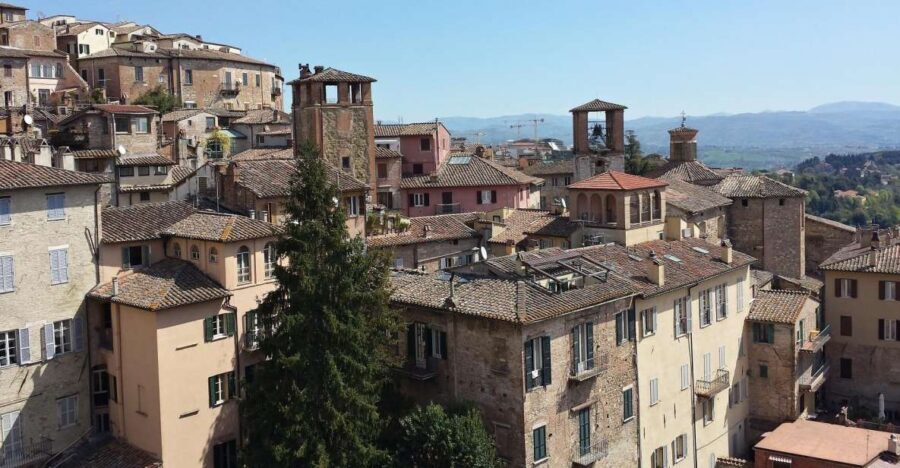
- A private guide for a focused 2-hour route instead of a long day
- Fontana Maggiore built in 1278, with Latin inscriptions and major iconography
- Rocca Paolina and the story of Pope Paul III’s power in a Renaissance fortress
- Palazzo dei Priori with Gothic architecture plus the griffin and lion at the entrance
- All in the historic center starting and ending around Piazza Italia and Vittorio Emanuele II
Getting Oriented in Perugia: Piazza Italia to the Historic Core
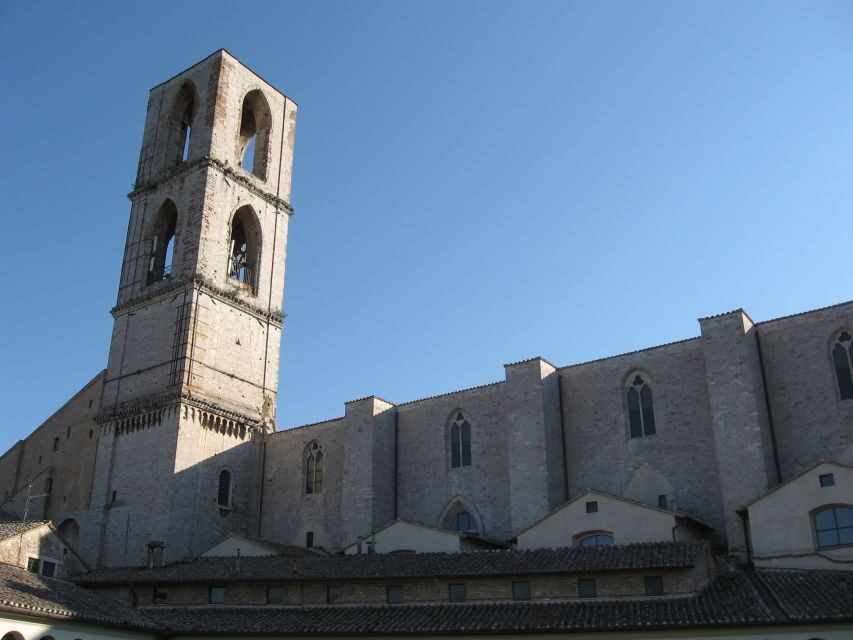
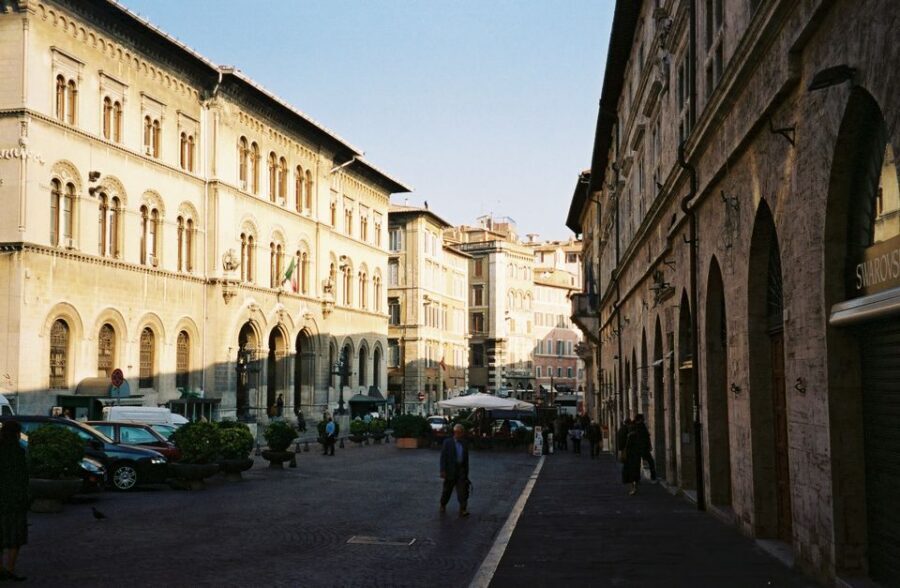
Most Perugia trips feel scattered until you see the city’s logic. This tour starts at the Statua Vittorio Emanuele II, meeting your guide in Piazza Italia near the equestrian statue. That’s a smart choice because it puts you near the action right away, without a long transfer.
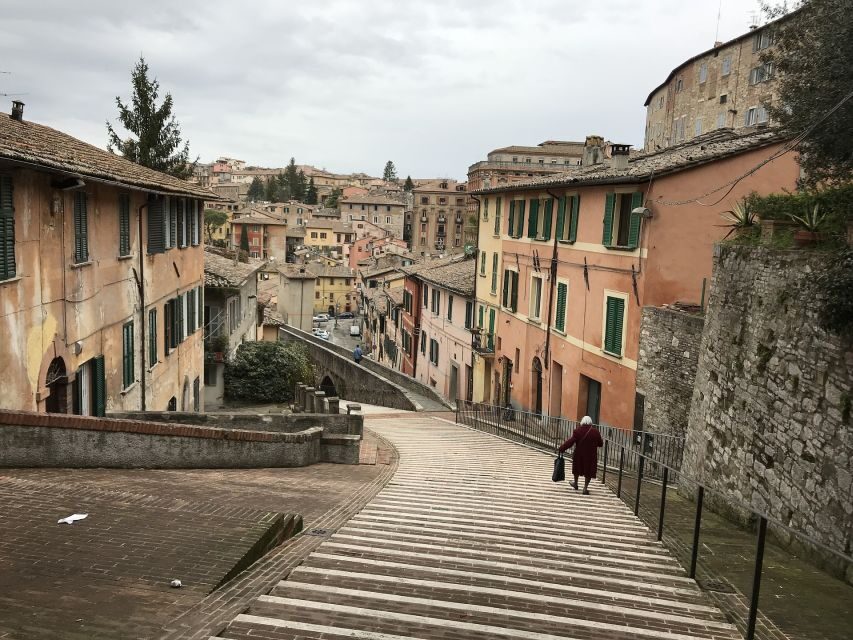
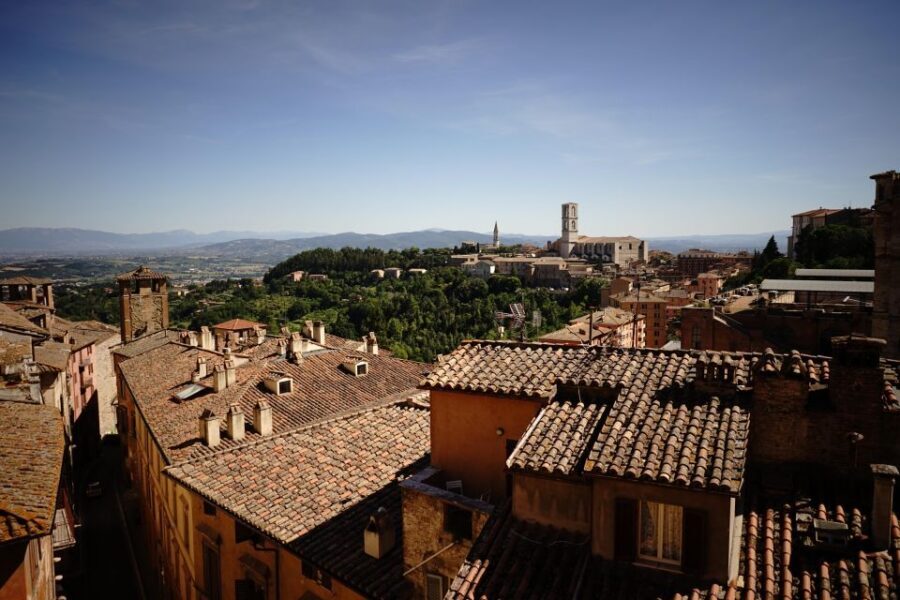
From there, you’ll move into Piazza IV Novembre and the old-center streets. Perugia sits in the hills, and the tour is built as a walking route, so expect some gentle climbing and lots of looking up. (Not a deal-breaker, just part of the deal in Umbria’s hill towns.)
Since the group is private, the guide can adjust to your pace. That matters here because you’re not just passing monuments; you’re learning what they meant—Etruscan roots, Roman influence, and Medieval civic and religious power.
You can also read our reviews of more walking tours in Perugia

Cathedral of San Lorenzo and Piazza IV Novembre: The Look-Down-Listen Moment
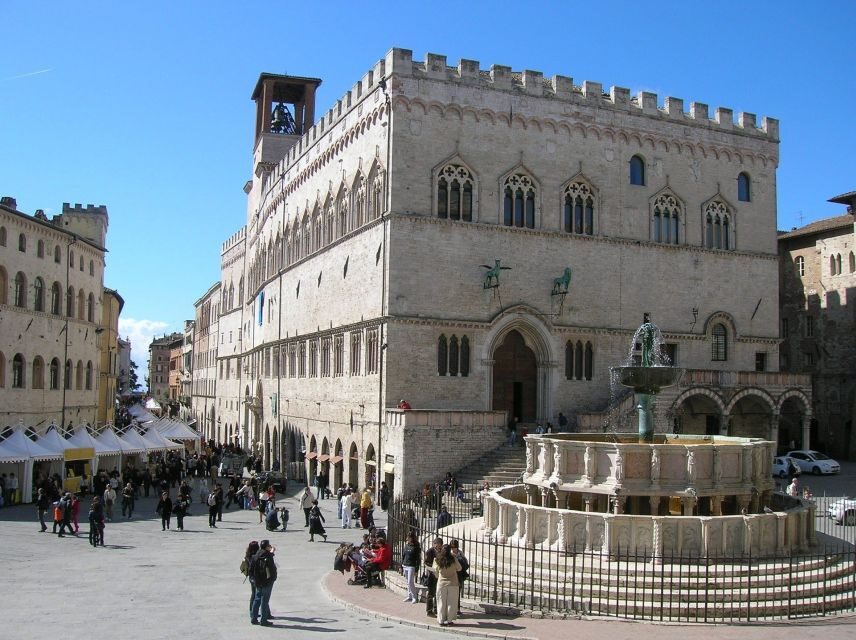
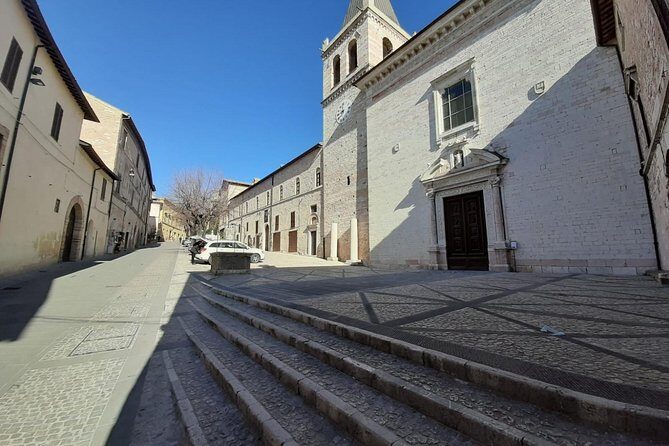
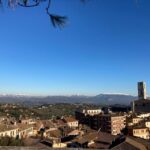
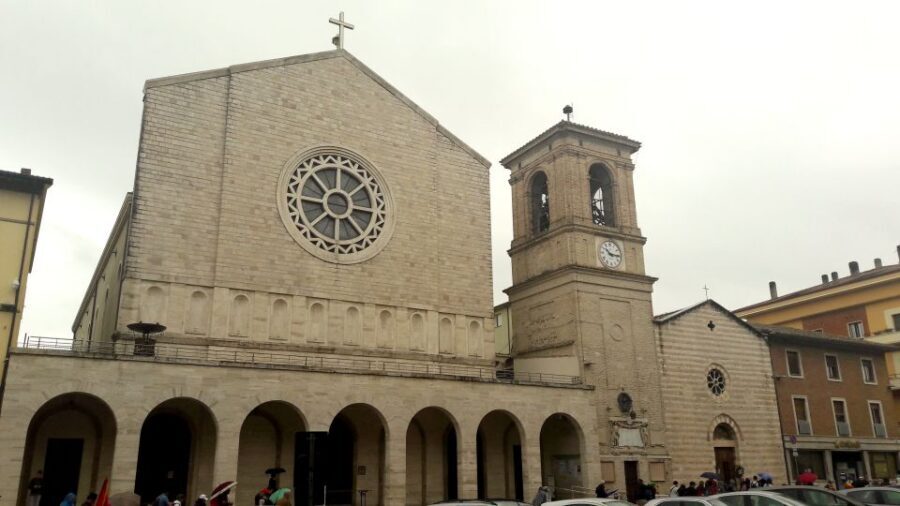
Your first big landmark stop is the Cathedral of San Lorenzo as the route passes through Piazza IV Novembre. This is the kind of square where the buildings and the street layout tell you how the city organized itself over time.
What I like about this setup is that your guide doesn’t treat it like a photo stop. You’re in the right place to connect architecture with the city’s role as Umbria’s capital. The cathedral acts like a visual anchor while the guide starts layering context: who held power, who funded the work, and how Perugia’s center formed.
Practical tip: spend a minute at the square letting your eyes adjust. Even with a guide, you get more from this tour if you slow down once you’re surrounded by the main sights. And bring sunscreen—Piazza IV Novembre is open enough that the sun can find you.
Rocca Paolina: When Pope Paul III’s Power Got Built in Stone
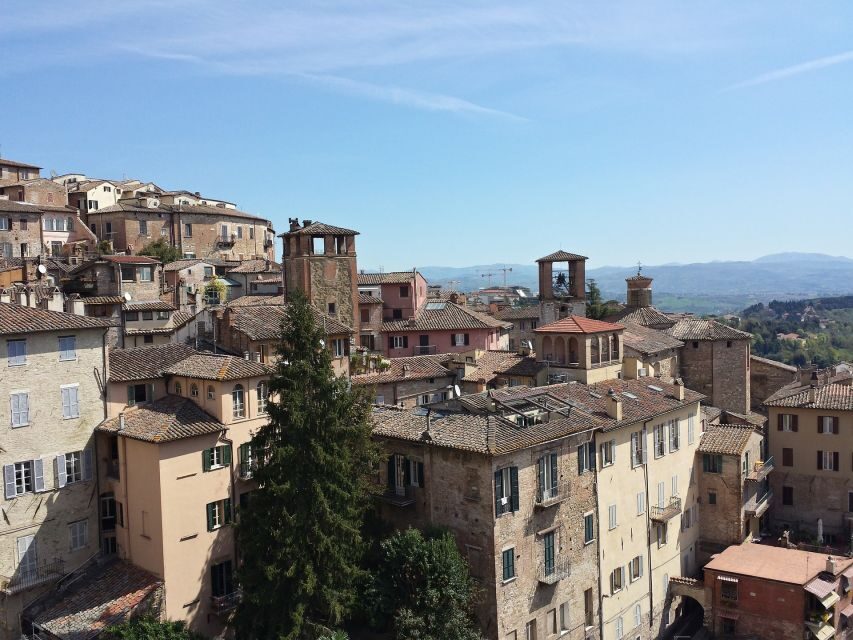
Rocca Paolina is next, and this stop has real “turning point” energy. You’ll see it as a Renaissance fortress connected to Pope Paul III, and your guide explains how this structure demonstrated authority.
The key value of this stop is perspective. From the outside, a fortress can look like just another large building. With a guide, it becomes evidence: a visible claim of control in a city that had older Etruscan and Roman roots beneath the surface.
It’s also where you start hearing how Perugia’s past was preserved and reshaped rather than erased. The tour story includes the idea that ancient heritage could be destroyed or preserved in underground galleries accessible to the public. Even if you don’t spend time underground at every moment, the guide framing changes how you view what you’re standing on.
Practical note: you’ll get about a short guided block plus walking time here. In 2 hours, pacing matters, and Rocca Paolina gives you a strong “so now I get it” moment without eating the whole schedule.
Fontana Maggiore: Latin Inscriptions, 1278 Craft, and Medieval Iconography
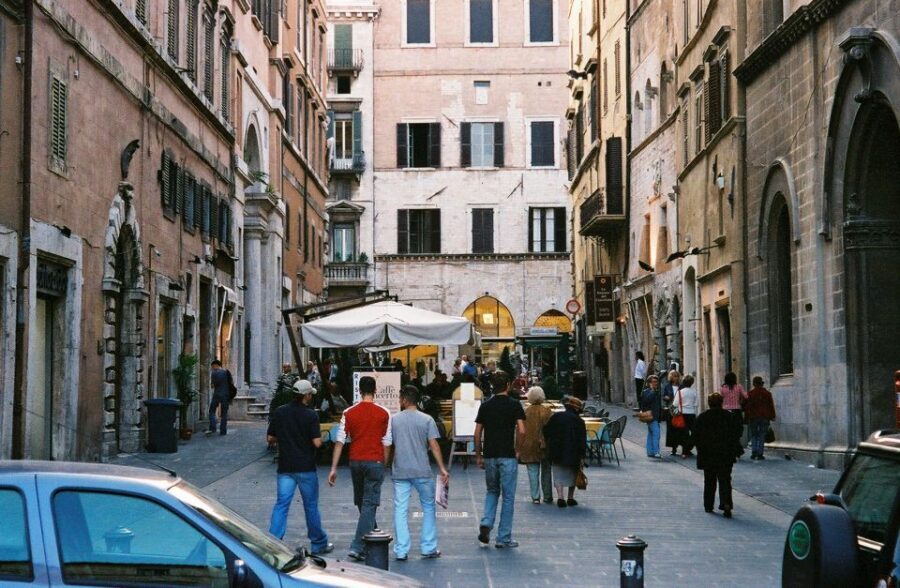
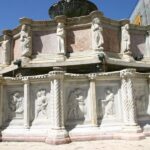
This is the star for many people, and it makes sense. The Fontana Maggiore was built in 1278, and the tour highlights what makes it more than a pretty fountain.
Your guide will help you read the Latin inscriptions and connect them to the craftsmen who made this monumental Medieval work. That detail is exactly the kind of thing that makes a place click. Instead of just seeing decoration, you learn that the inscriptions and imagery were chosen on purpose.
The fountain’s design is packed with references. It includes multiple iconographies: 50 bas-reliefs and 24 statues. That’s why you’ll want to look longer than you normally would at public art. A guide helps you focus on what’s meaningful, so you don’t get lost in the sheer number of carvings.
One practical drawback: if you’re expecting “hands-on” or museum-style time, this is still a walking tour. The Fontana Maggiore stop is guided for a shorter window, so keep your eyes open and let the guide direct you to the inscriptions and key figures.
If you love languages, inscriptions, and symbolism, you’ll especially enjoy this part. If you prefer straightforward sightseeing, it can still work well, because the guide turns “details” into an understandable story.
Palazzo dei Priori: Gothic Civic Power and the Griffins-and-Lion Detail
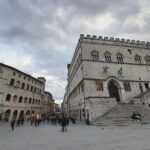
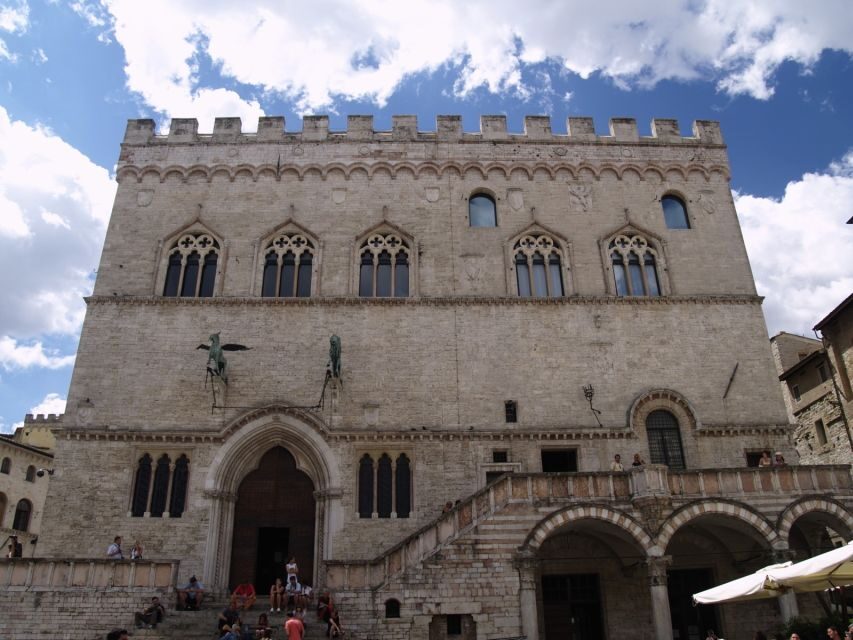
Next comes Palazzo dei Priori, described as the seat of city government in the Middle Ages and today the municipal seat of Perugia. You’re moving from religious and fortress power into civic power, and that shift matters.
This building is Gothic, and the guide points you toward the entrances and standout features. A neat specific detail: you pass the griffin and lion at the entrance. Small details like that are where you can start building your own mental map of the city’s symbols and authority.
Why this stop is valuable in a short tour: it shows you that Perugia wasn’t shaped only by popes or cathedrals. The local government mattered too, and that governance is built into the architecture. In other words, you’re learning the city as a living system, not a collection of landmarks.
You’ll get a guided segment here, then you’ll wrap back toward the meeting point. It’s a good “finish strong” stop because it grounds the story in the city’s everyday power structure—then and now.
You can also read our reviews of more private tours in Perugia

How the 2-Hour Private Format Changes the Feel of Perugia
Two hours sounds short, but that’s the point. This tour is designed as an efficient walking loop that hits major centers without turning into a marathon. You’ll be moving from Piazza Italia to the main monuments, with guided time at each stop.
Because it’s private, you’re not dealing with the chaos of big group logistics. That means you can ask follow-ups, and the guide can keep you on pace. It also helps with language: you can choose live guidance in Italian, French, English, Spanish, or German.
If you’re visiting Perugia for the first time, this timing is a win. It gives you an orientation to the historic center and a framework for what you see after the tour. If you already know Perugia, it still helps, since the guided focus on inscriptions, fortress power, and civic symbolism goes beyond casual sightseeing.
One consideration: it’s a walking tour, not a sit-down lecture. If you get tired easily, don’t “push through” out of stubbornness. Wear supportive shoes and take advantage of any natural pause points in squares and entrances.
Price and Value: Is $198.25 Fair for This Much Guide Time?
The price listed is $198.25 per person for a 2-hour private walking tour. That sounds like a lot until you compare what you actually get: a live guide, a private format, and a structured route hitting several major landmarks with guided interpretation.
Where the value shows up:
- Private guide attention for the full 2 hours, not split among many people
- Focused stops at high-impact monuments: San Lorenzo, Rocca Paolina, Fontana Maggiore, and Palazzo dei Priori
- Specific interpretive details like Latin inscriptions and the fountain’s iconography (50 bas-reliefs and 24 statues)
- Convenient start/end in the historic center around Piazza Italia
Where it may not feel worth it:
- If you plan to spend most of your time taking photos only, without wanting the “why,” you might prefer a self-guided route
- If you’re traveling as a group and can split costs, private tours often become more comfortable value-wise. (If you’re solo, it’s still fair if you truly want guided context.)
If your goal is to understand Perugia in a short window, the price lines up with what you get.
Who This Tour Fits Best (and Who Might Skip)
This tour is a strong match if you want:
- A guided orientation to Perugia’s historic center
- A short trip that connects architecture to the city’s Etruscan, Roman, and Medieval story
- Specific details, like Latin inscriptions and the symbolism behind Fontana Maggiore
- A private pace with a live guide in your chosen language
You might think about skipping or adjusting plans if:
- You want more time at a single site for independent exploring
- You’re strongly averse to walking and uneven old-street surfaces (even with wheelchair access, walking routes are still involved)
Wheelchair accessible is listed, and that’s great to see. The best move is to confirm how the guide plans to handle the route details for your mobility needs, since Perugia’s center is old and streets can be tight.
Should You Book This Perugia Private Walking Tour?
I’d book this if you’re aiming for a high-value first look at Perugia without spending your whole day on logistics. The combination of major stops and specific interpretation—especially the Fontana Maggiore inscriptions and iconography—means you come away with more than photos. You also get the comfort of a private group and live guide support in multiple languages.
If you’re the type who likes to understand what you’re seeing, this tour hits the sweet spot. If you’d rather wander freely with no structure, you may not need a guide for only 2 hours.
FAQ
How long is the Perugia private walking tour?
It lasts 2 hours.
Where does the tour start and end?
The meeting point is Piazza Italia near the equestrian statue of Vittorio Emanuele II, and the tour ends back at that same meeting point.
Is this tour private?
Yes. It’s listed as a private group experience.
What are the main stops during the walk?
You pass and/or visit Cathedral of San Lorenzo (via Piazza IV Novembre), Rocca Paolina, the Fontana Maggiore, and the Palazzo dei Priori.
What languages are available for the live guide?
The guide is available in Italian, French, English, Spanish, and German.
Is the tour wheelchair accessible?
Yes, wheelchair accessibility is listed.
What should I bring?
Wear comfortable shoes and bring sunscreen.
Is a guide included?
Yes. The tour includes a live guide.
Is free cancellation available?
Yes. You can cancel up to 24 hours in advance for a full refund.